
The Opening of Waterloo Bridge — History & Facts
When did color learn to lie? In the vibrant swirls of this landscape, silence speaks louder than the rumbles of the world beyond. The hues of blue, gold, and green tug at the heart, evoking emotions that linger long after the gaze has shifted. Look to the left at the billowing clouds, painted with a mix of soft whites and deep grays that promise either tranquility or tumult. The light falls gently across the river, reflecting the delicate interplay of nature and man-made structures, guiding your eyes toward the arch of Waterloo Bridge.
Notice how Constable’s brushstrokes dance with life, imbuing each element with a sense of movement and stillness, a juxtaposition that invites viewers to ponder the history enveloped in this scene. Beneath the surface, the painting carries a nuanced commentary on the passage of time and the duality of industry and nature. The calm waters suggest peace, yet the looming bridge hints at the encroachment of progress. The absence of people amplifies the emotion, allowing the viewer to feel both connection and solitude, as if the landscape itself is holding its breath in anticipation of change. During the late 1820s, when this piece was likely created, Constable was deeply engaged in exploring the effects of light and atmosphere, reflecting the Romantic ideals of the time.
The artist often turned to the scenes of his homeland, while the world around him was evolving rapidly with the Industrial Revolution. This period marked a pivotal moment in his career, as he sought to capture the essence of England's natural beauty against the backdrop of impending transformation.
More Artworks by John Constable
Browse all →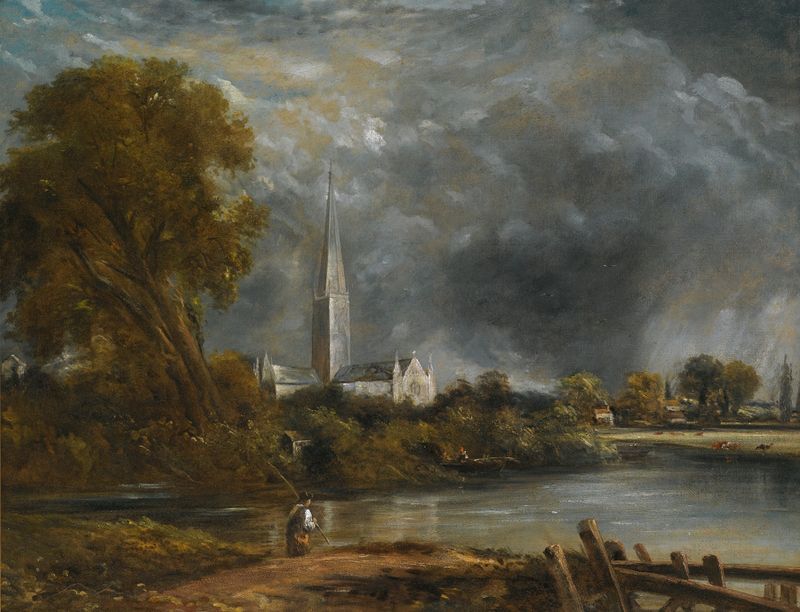
Salisbury Cathedral From The Meadows
John Constable
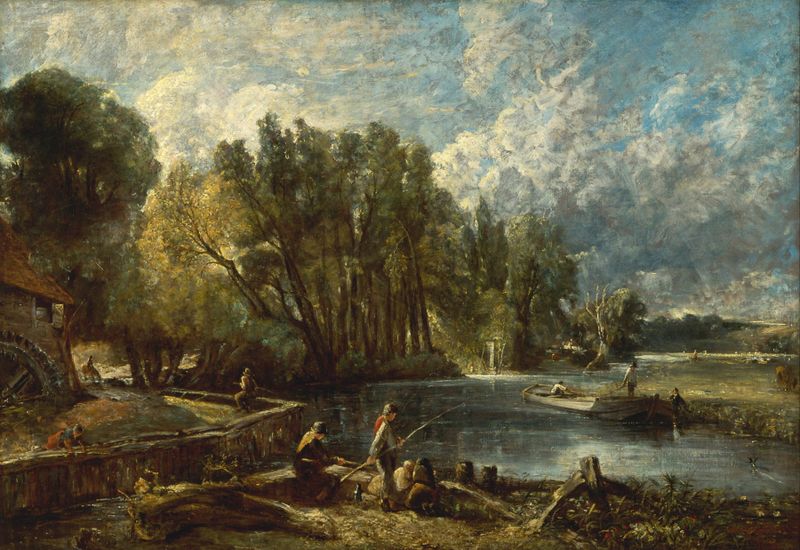
Stratford Mill
John Constable
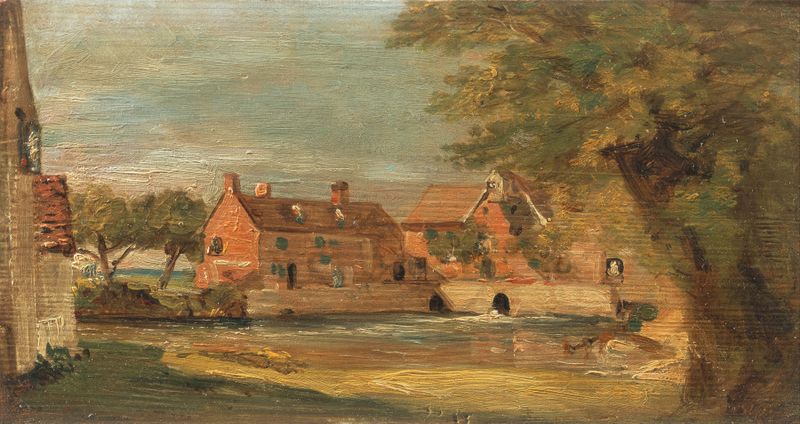
Flatford Mill
John Constable
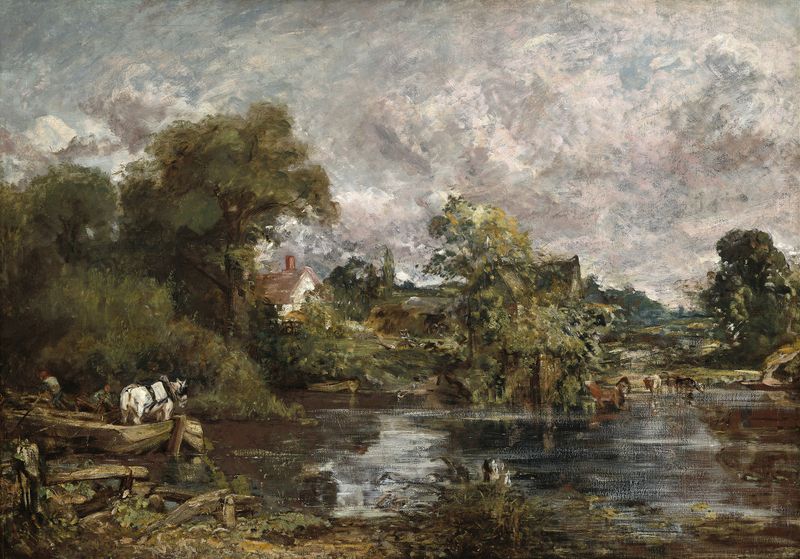
The White Horse
John Constable
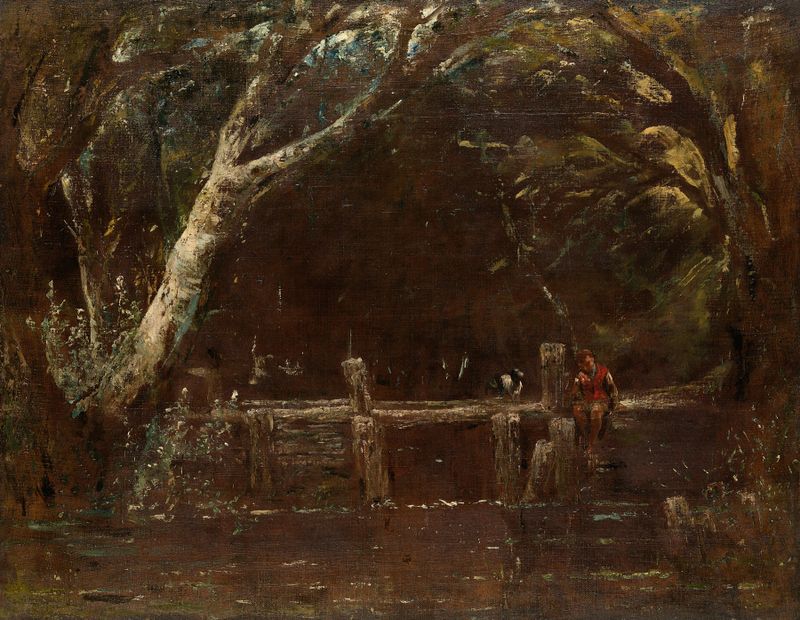
Landscape (The Lock)
John Constable
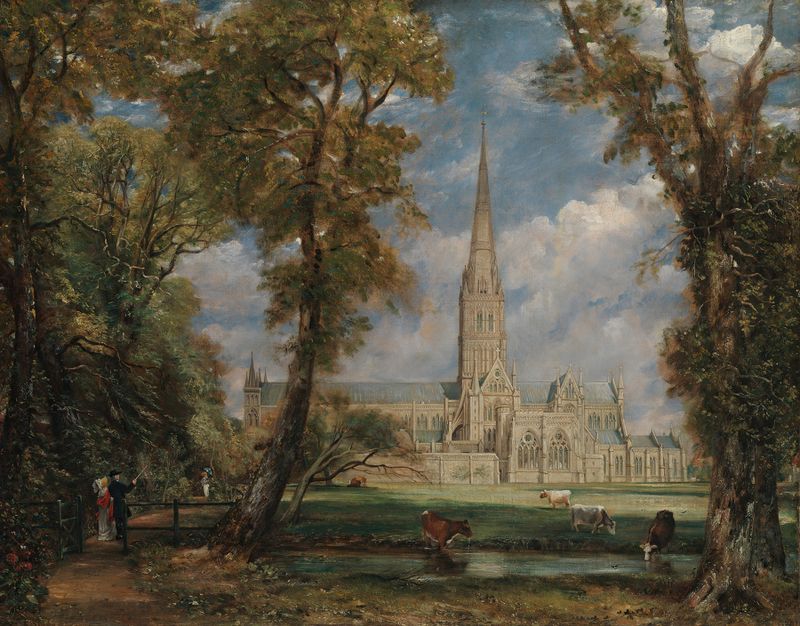
Salisbury Cathedral from the Bishop’s Grounds
John Constable
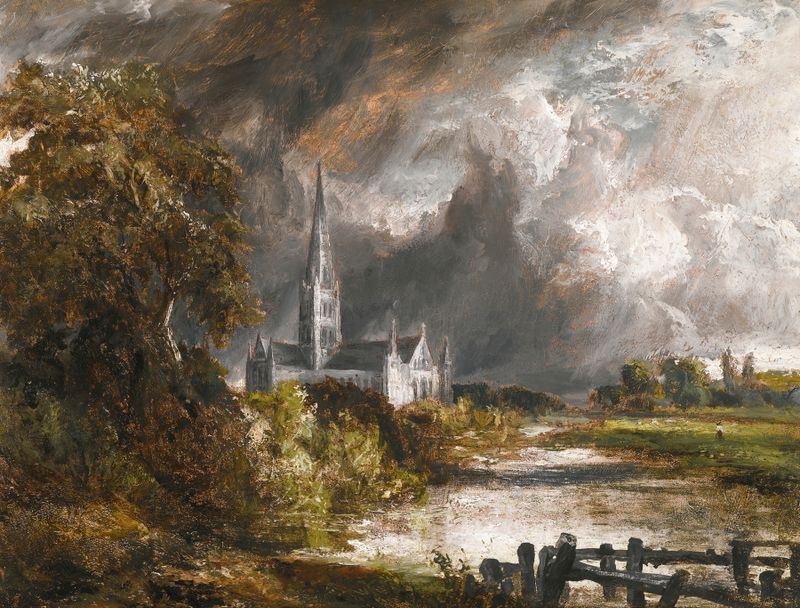
Salisbury Cathedral From The Meadows
John Constable
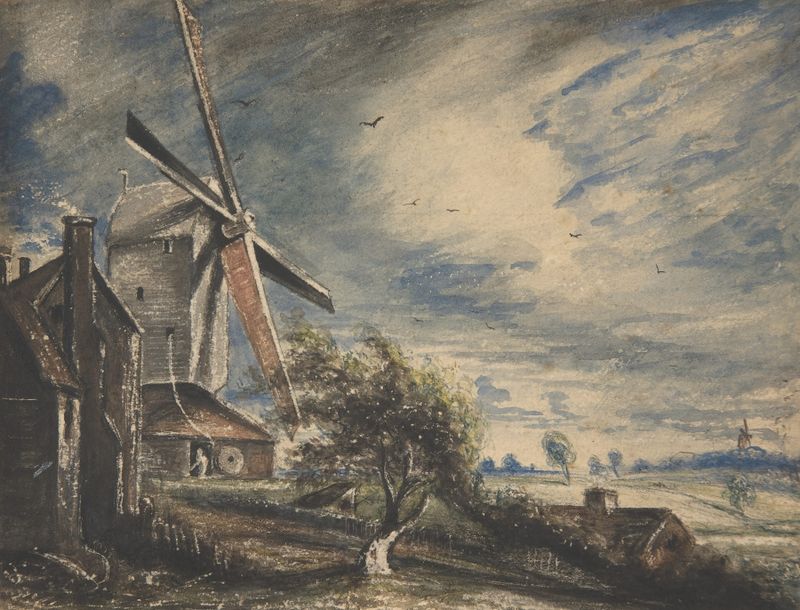
A Mill Near Colchester
John Constable
East Bergholt
John Constable

Flatford Mill
John Constable





