
The Papal Castle in Avignon — History & Facts
When did color learn to lie? In The Papal Castle in Avignon, hues whisper secrets beneath the surface, masking the violence of history with a serene facade. Look to the left at the commanding silhouette of the castle, its walls bathed in warm ochres and soft grays. The sky above, a tumultuous blend of blue and white, swirls with a deceptive calm, contrasting sharply with the looming structure. Notice how the lush greenery frames this fortress, a gentle reminder of nature's resilience against the harsh realities that once echoed through these walls.
The artist’s brushstrokes—delicate yet assured—create a texture that invites the viewer to linger, revealing both beauty and a sense of foreboding. Beneath its tranquil exterior, the painting holds a tension that speaks to the violence of political strife and the weight of history. The juxtaposition of the idyllic landscape against the imposing castle hints at a narrative of power struggles and upheaval. The rich colors, while visually stunning, also serve to mask the darker stories that unfolded within the castle’s shadow, compelling us to question the stories that landscapes often tell. In the mid-1830s, while creating this work, the artist found himself at a crossroads of artistic innovation and personal introspection.
Living in France during a time of social and political transformation, he was influenced by the emerging Romantic movement, which celebrated emotion and nature. This piece reflects not only his evolving style but also the collective memory of a world grappling with the legacies of the past, presenting a stark reminder of how beauty can often conceal deeper complexities.
More Artworks by Jean-Baptiste-Camille Corot
Browse all →
View of Genoa
Jean-Baptiste-Camille Corot
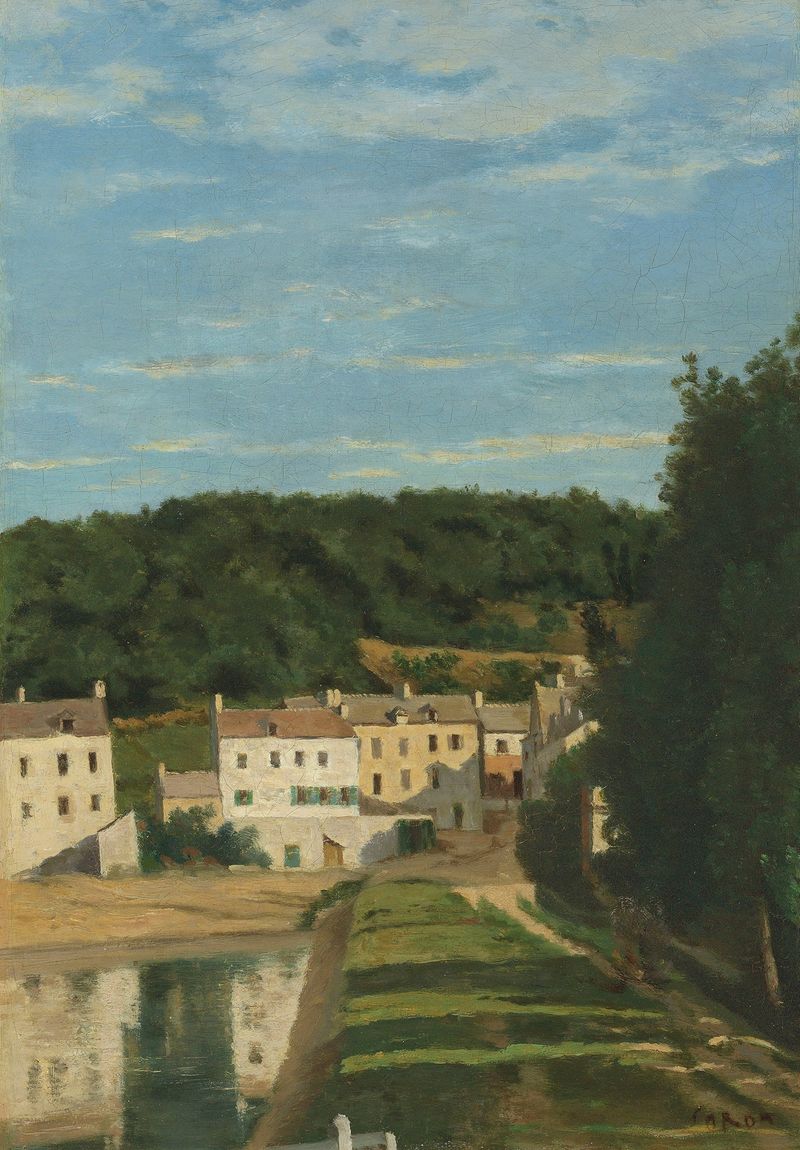
Les Maisons Cabassud À Ville D’avray
Jean-Baptiste-Camille Corot

La solitude. Souvenir de Vigen (Limousin)
Jean-Baptiste-Camille Corot
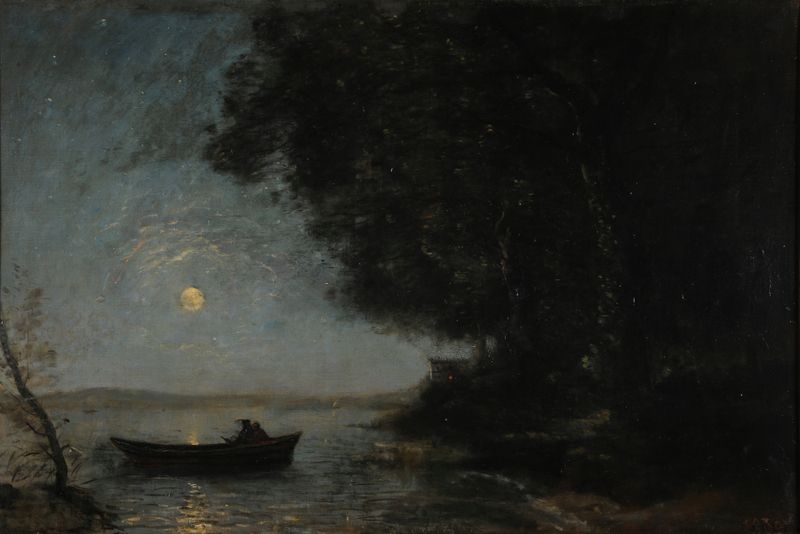
Le lac ; effet de nuit
Jean-Baptiste-Camille Corot
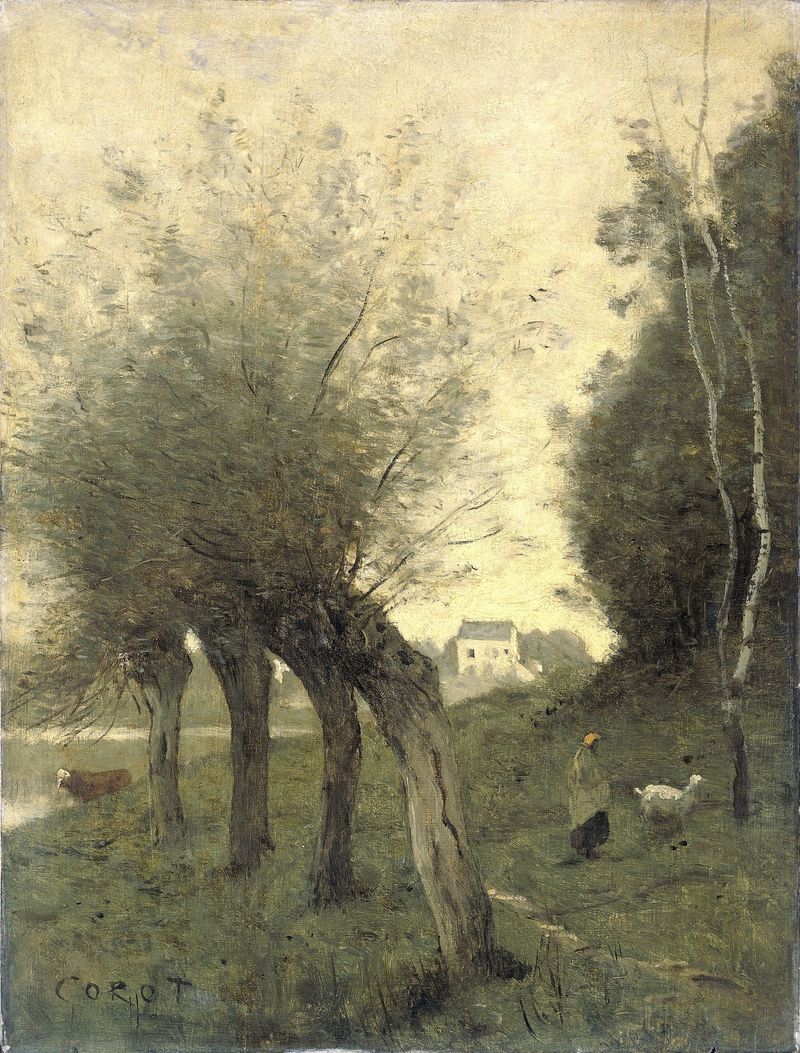
Landscape with Pollard Willows
Jean-Baptiste-Camille Corot
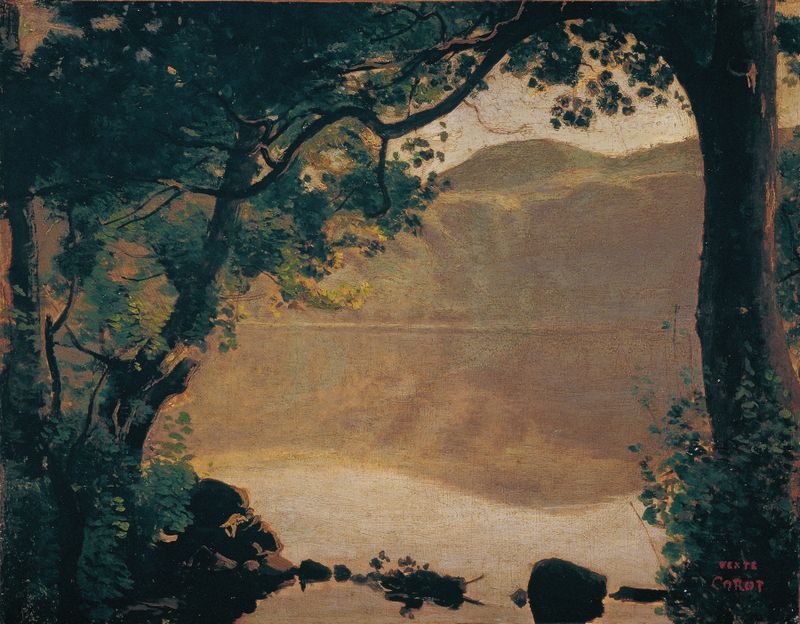
Der Nemisee
Jean-Baptiste-Camille Corot
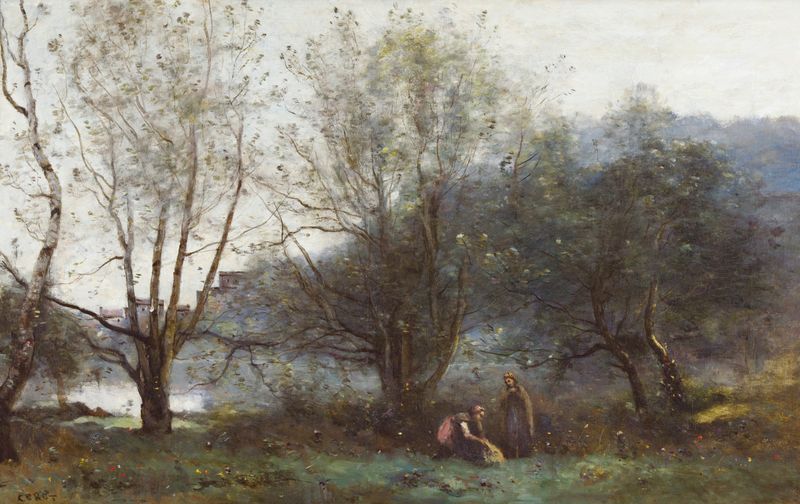
Les Étangs De Ville D’avray
Jean-Baptiste-Camille Corot
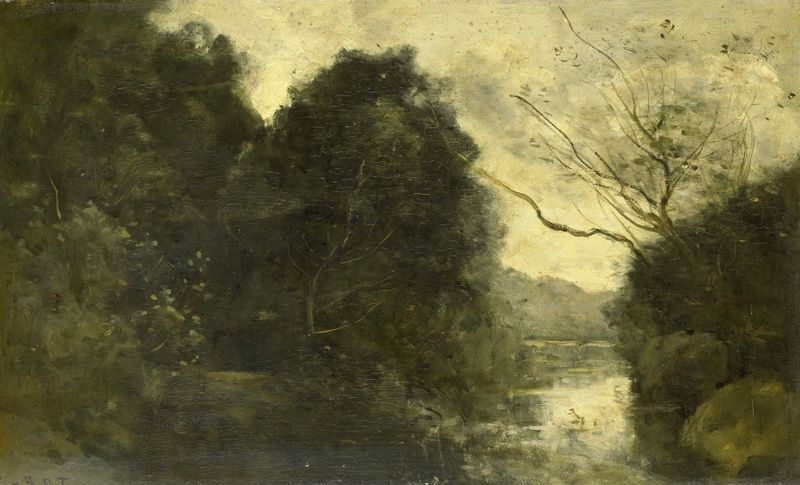
Pond in the Woods
Jean-Baptiste-Camille Corot
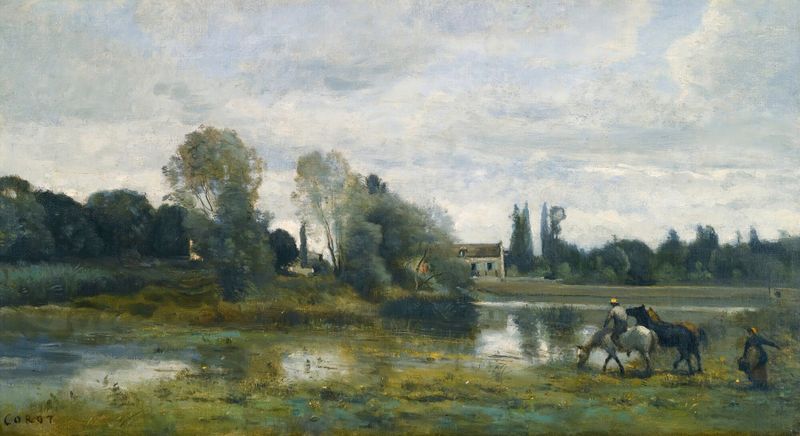
Ville D’avray; L’abreuvoir Des Chevaux
Jean-Baptiste-Camille Corot
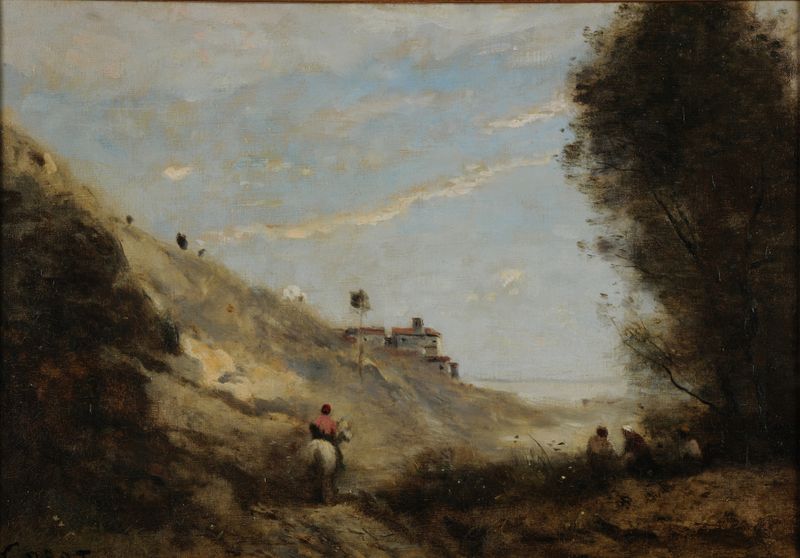
Le vallon au cavalier
Jean-Baptiste-Camille Corot
More Architecture Art
Browse all →
The statue of Liberty
Frédéric Auguste Bartholdi

View of Houses in Delft, Known as ‘The Little Street’
Johannes Vermeer

View of Houses in Delft, Known as ‘The Little Street’
Johannes Vermeer

The Cathedral in Rouen. The portal, Grey Weather
Claude Monet

The yellow house
Vincent van Gogh

The Church in Auvers-sur-Oise, View from the Chevet
Vincent van Gogh