The Parc Monceau — History & Facts
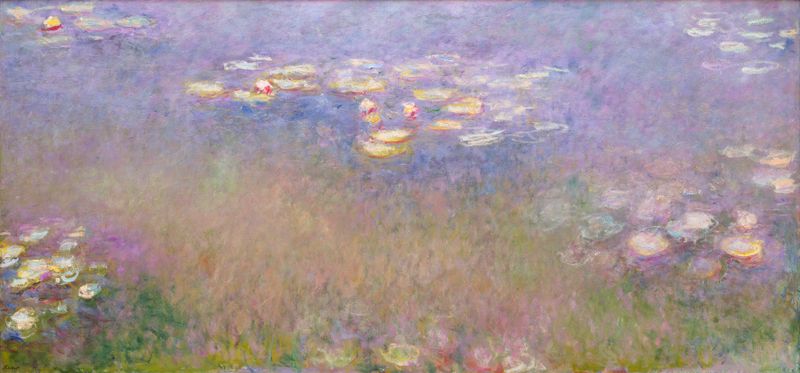
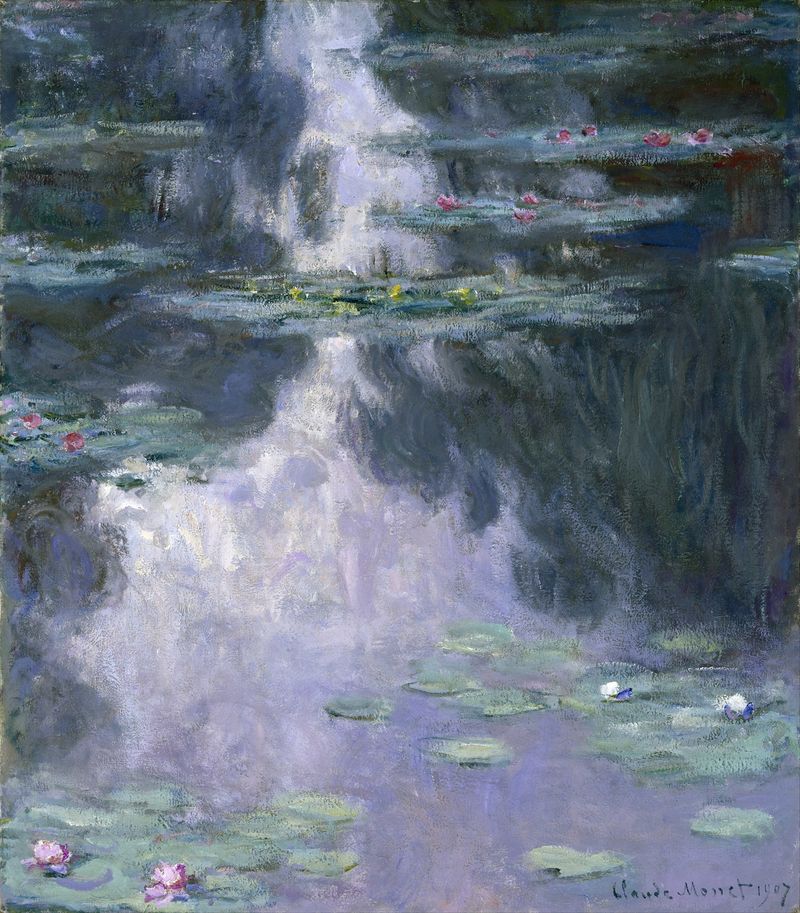
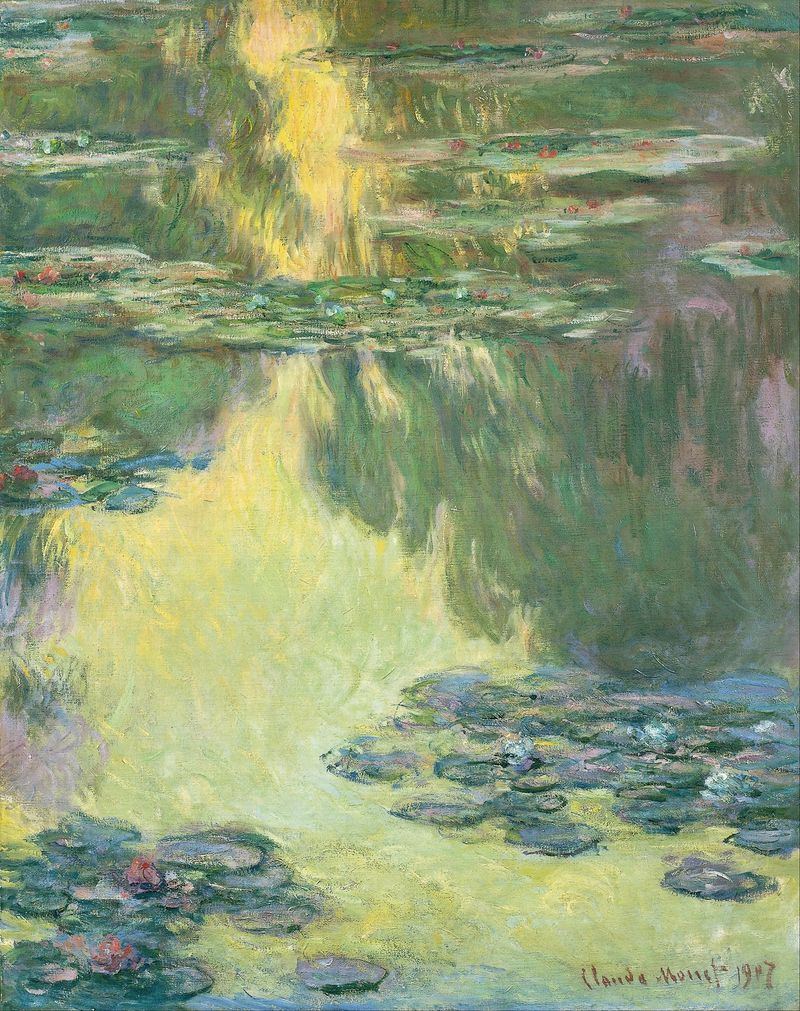
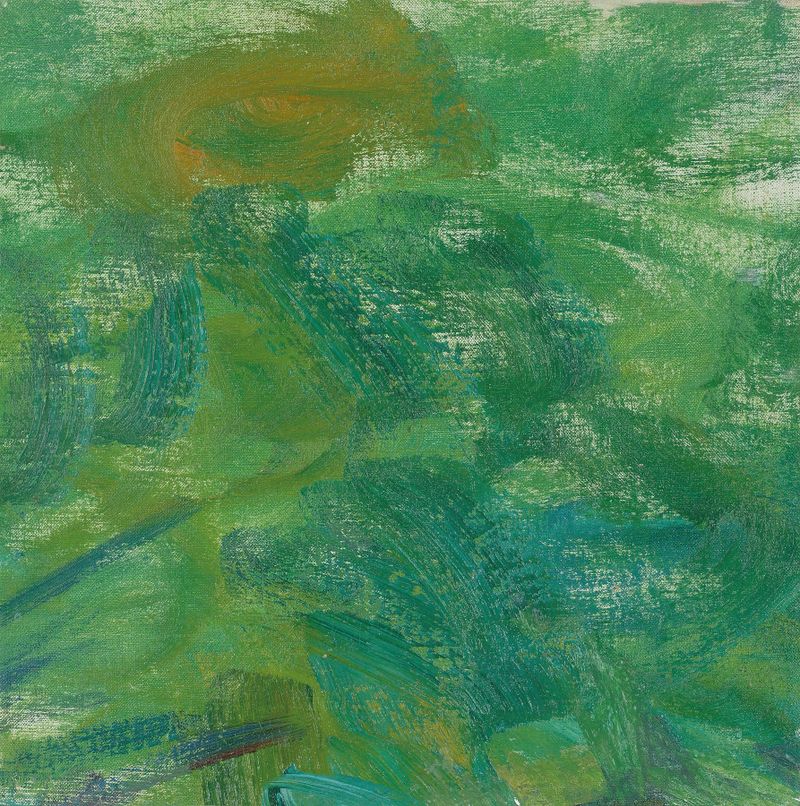
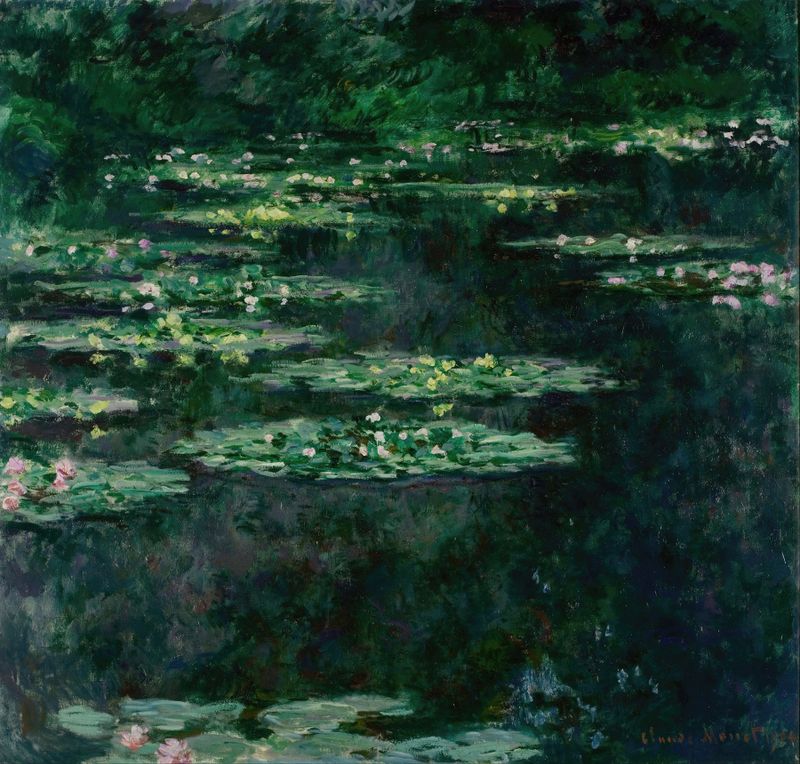
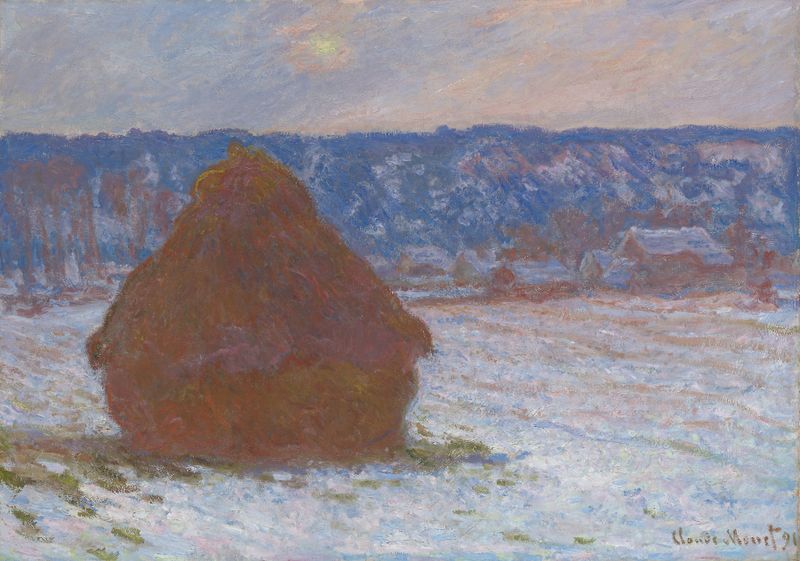
Beauty often presents itself in the delicate balance of nature and human emotion, and this is profoundly captured in the serene landscape before us. Look to the center of the canvas, where vibrant greens swirl into a soft haze, capturing the tranquil essence of a Parisian park. The dappled sunlight filters through the leaves, illuminating the gentle strokes of color that breathe life into the scene. Notice how the light dances across the pond, creating a shimmering reflection that beckons the viewer to step closer, inviting a moment of quiet contemplation. Amidst the vibrant hues, there’s a contrast between the lively brushwork and the stillness of the water.
The figures in the distance—perhaps engaged in quiet conversation—seem almost ethereal, blurring the lines between presence and absence. This juxtaposition amplifies the emotional tension of the scene, suggesting that beauty is both fleeting and eternal, caught in the interplay of light and shadow. In the summer of 1878, the artist painted this piece while residing in Paris, amidst the revolutionary shifts in the art world. Monet was deeply engaged in the Impressionist movement, exploring color and light as tools to represent the world around him.
This work reflects his desire to capture the ephemeral nature of beauty, a pursuit that would define his career and influence generations of artists thereafter.