
The Park at Mortefontaine — History & Facts
Did the painter know this moment would outlive them? The silence that permeates The Park at Mortefontaine invites viewers to ponder the transient beauty captured on canvas, a fleeting stillness that speaks volumes. Focus on the lush greenery that envelops the scene, where vibrant shades of green are delicately layered to create depth. The figures, almost ethereal in their quietude, seem to blend seamlessly with the park's environment. Notice how the dappled sunlight filters through the trees, casting soft, illuminating halos around the subjects, and directing your gaze toward the serene pond that mirrors the tranquility of nature and humanity alike. Amidst the calm, there lies a subtle tension between solitude and connection.
The figures, though in close proximity, maintain an air of introspection, suggesting a moment of reflection rather than social interaction. The contrasting hues of the vibrant foliage against their muted clothing highlight a connection to nature, evoking a sense of peace that resonates beyond the surface. This delicate balance of isolation and harmony encourages viewers to contemplate their own relationship with the world around them. In 1806, Jean-Joseph-Xavier Bidauld painted this work while in France, where the neoclassical style was giving way to romantic sensibilities.
At this time, he was influenced by the burgeoning landscape movement, focusing on the beauty of nature and its emotional impact. His meticulous attention to detail and use of light in The Park at Mortefontaine reflect both a personal moment and a profound shift in the artistic landscape, as artists sought deeper connections to the natural world.
More Artworks by Jean-Joseph-Xavier Bidauld
Browse all →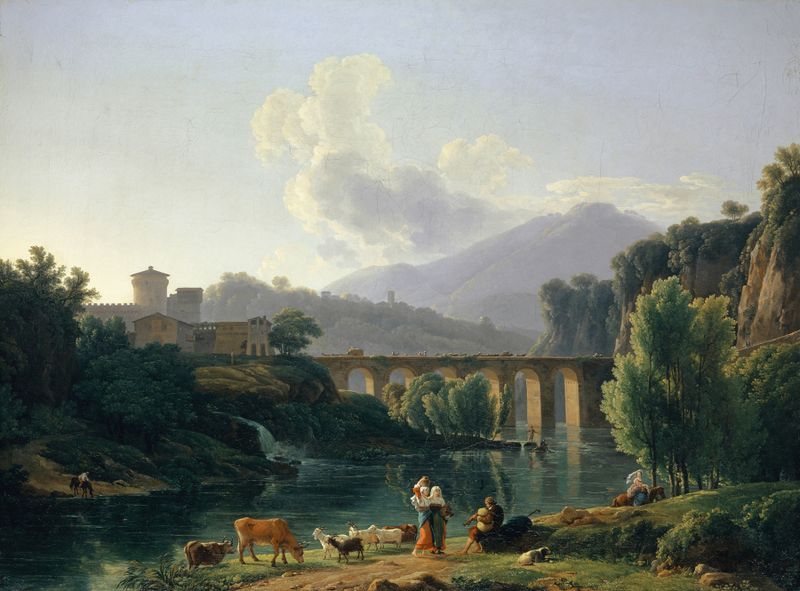
Roman Landscape with Viaduct
Jean-Joseph-Xavier Bidauld
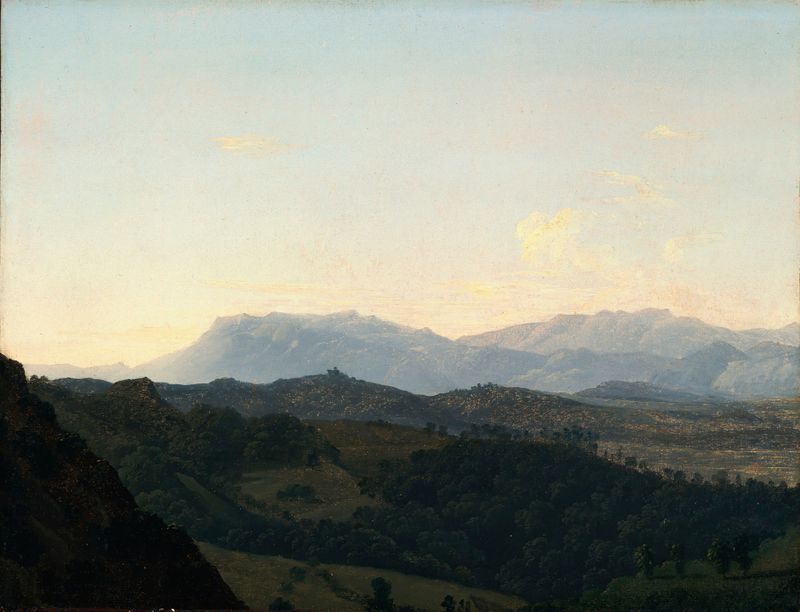
The Sabine Mountains
Jean-Joseph-Xavier Bidauld
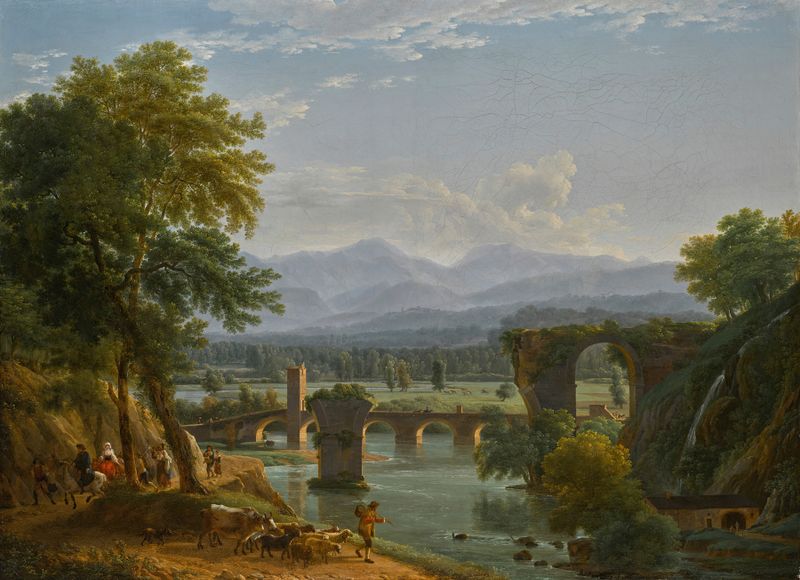
The Augustus Bridge Over The River Nera, Near The City Of Narni, Italy
Jean-Joseph-Xavier Bidauld

La baie de Naples
Jean-Joseph-Xavier Bidauld
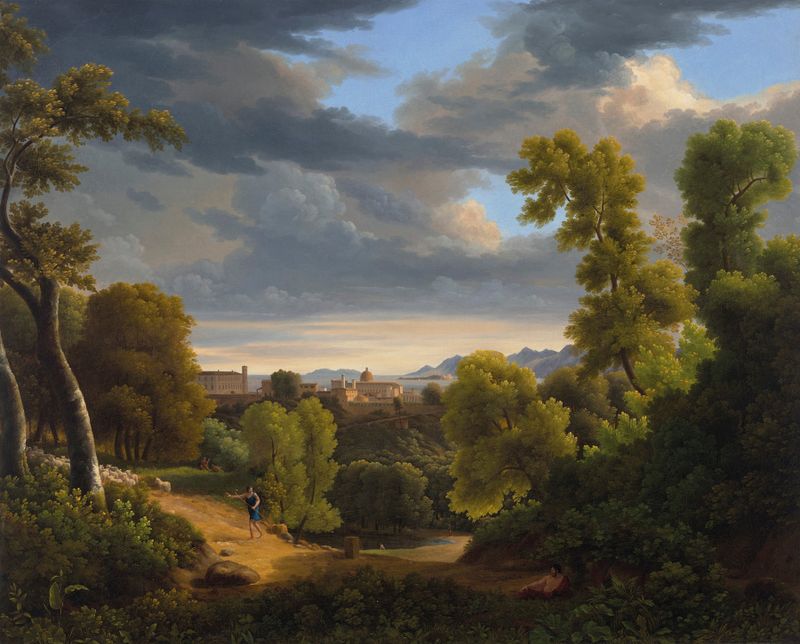
A view of Vietri near the sea in the Gulf of Salerno with Capri in the background
Jean-Joseph-Xavier Bidauld
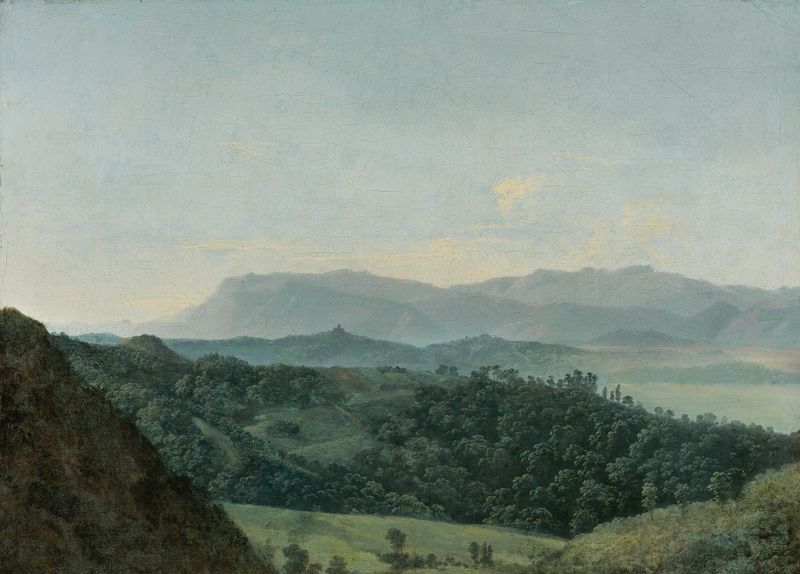
Extensive Mountainous Landscape
Jean-Joseph-Xavier Bidauld
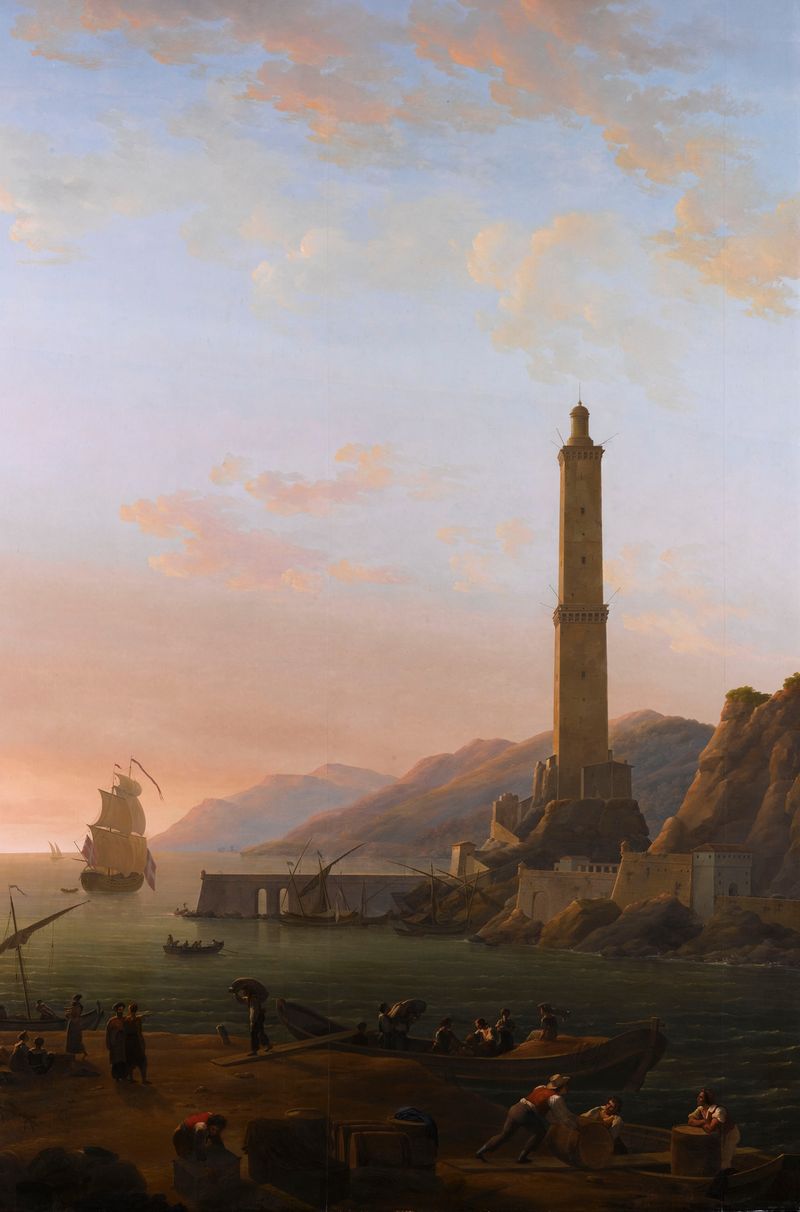
Le phare de Gênes
Jean-Joseph-Xavier Bidauld

Extensive Italian landscape with a town
Jean-Joseph-Xavier Bidauld

View of Bridge and the Town of Cava, Kingdom of Naples
Jean-Joseph-Xavier Bidauld
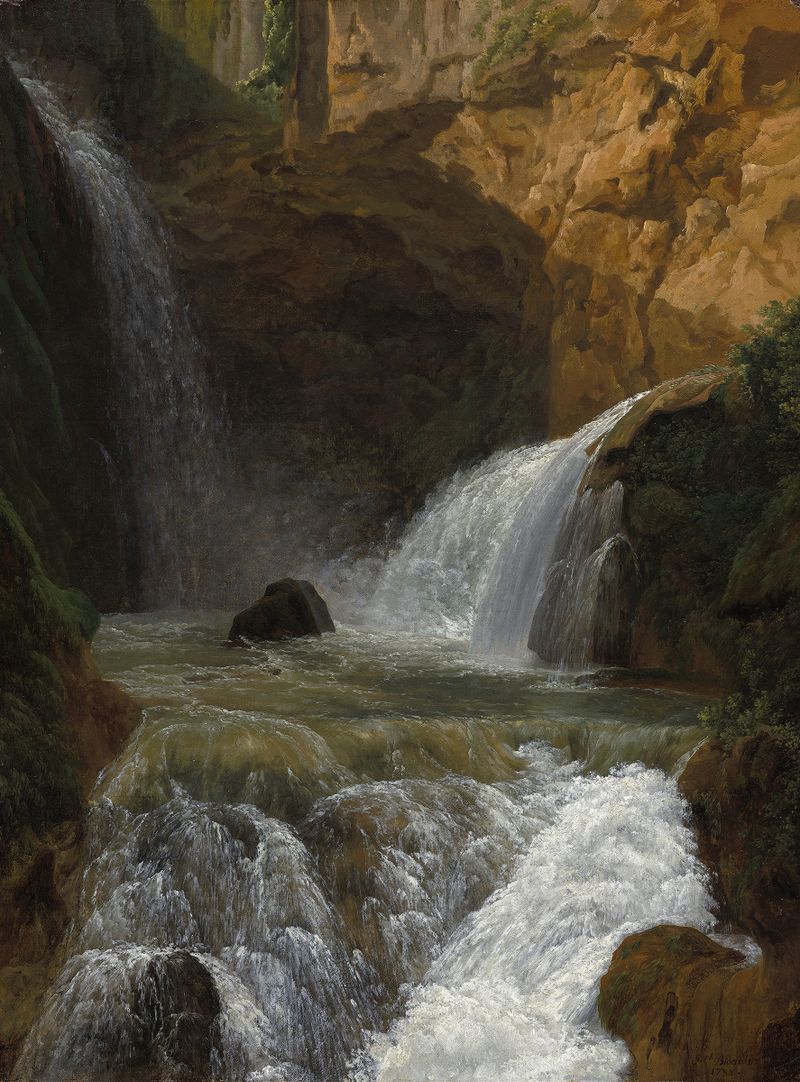
View of the Waterfalls at Tivoli
Jean-Joseph-Xavier Bidauld





