
The Pass of Killiecrankie — History & Facts
In the tranquil embrace of nature, loss often weaves its way into the fabric of beauty, revealing the fragility of existence. Look to the foreground where the lush, verdant hills cradle the meandering river, which sparkles like scattered diamonds under the gentle illumination of the sun. Your gaze will be drawn further back to the majestic mountains, their imposing presence softened by a hazy veil of clouds. The artist's delicate brushwork masterfully captures a fleeting moment, where the rich greens and earthy browns intermingle, creating a symphony of color that feels both alive and ephemeral. Within this idyllic landscape lies an undercurrent of sorrow.
The serene beauty of the scene contrasts sharply with the historical significance of the locale, a site of conflict and loss during the Jacobite uprising. The tranquil waters flow silently, whispering stories of lives forever altered by the tumultuous past. The juxtaposition of nature's splendor against the echoes of history invites the viewer to contemplate the grief that often resides beneath the surface of beauty. In 1788, while residing in England, John Warwick Smith painted The Pass of Killiecrankie during a period when Romanticism was blossoming in art.
With a growing fascination for the sublime and the picturesque, he sought to capture the enchantment of the Scottish landscape while reflecting on the inherent conflicts of history and nature. This work serves as a poignant reminder of the intersection between beauty and loss, inspiring contemplation within the viewer.
More Artworks by John Warwick Smith
Browse all →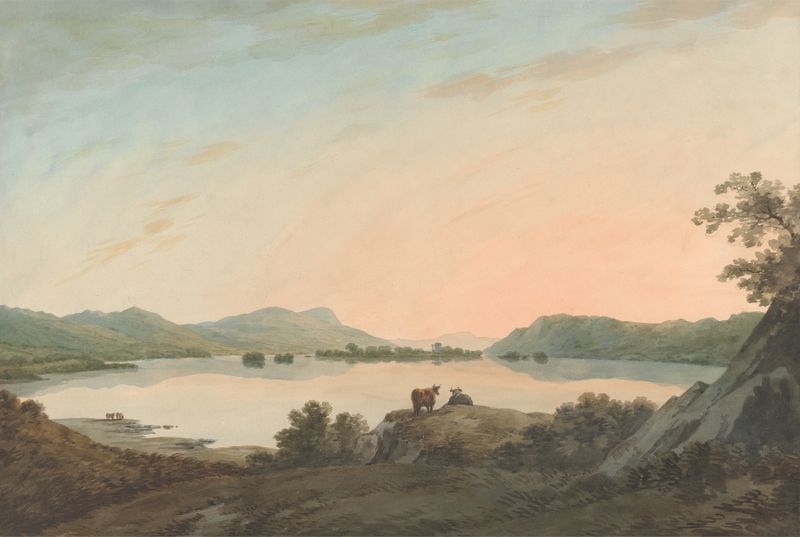
Lake Windermere from Calgarth with Belle Isle
John Warwick Smith
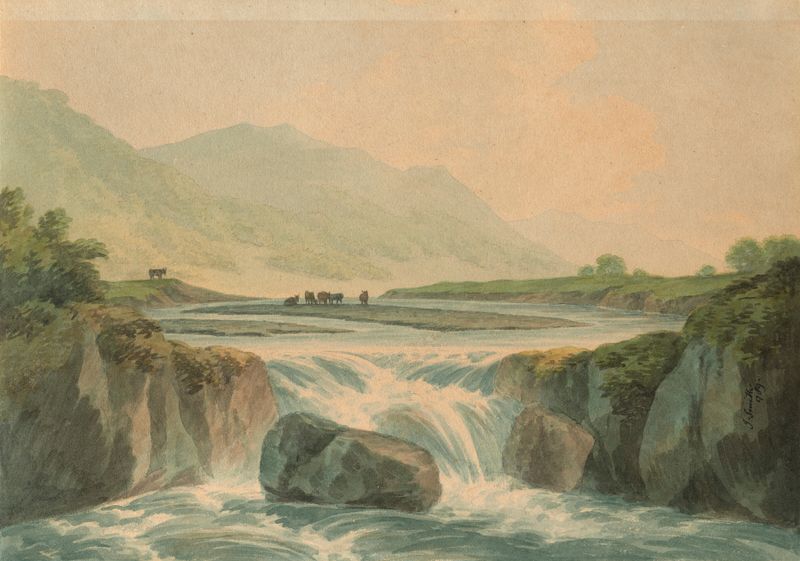
A waterfall on the River Rheidol, with cattle in the distance, North Wales
John Warwick Smith
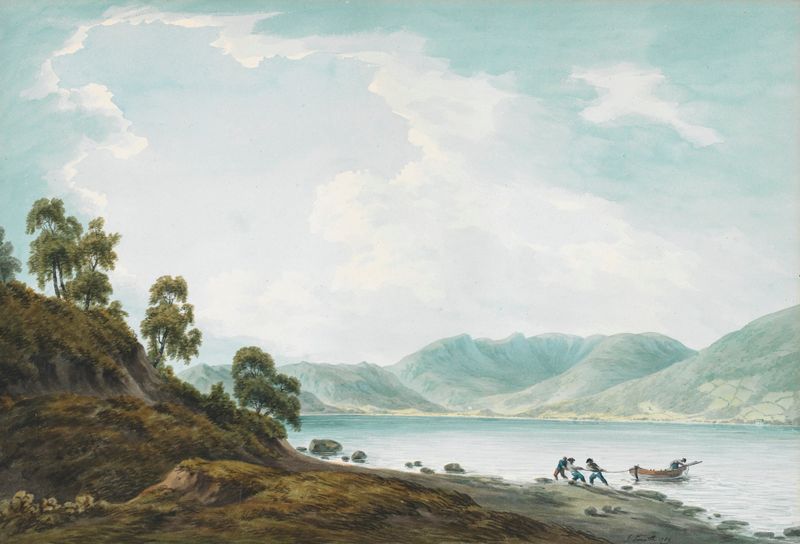
Head of Windermere from Belle Grange Farm
John Warwick Smith
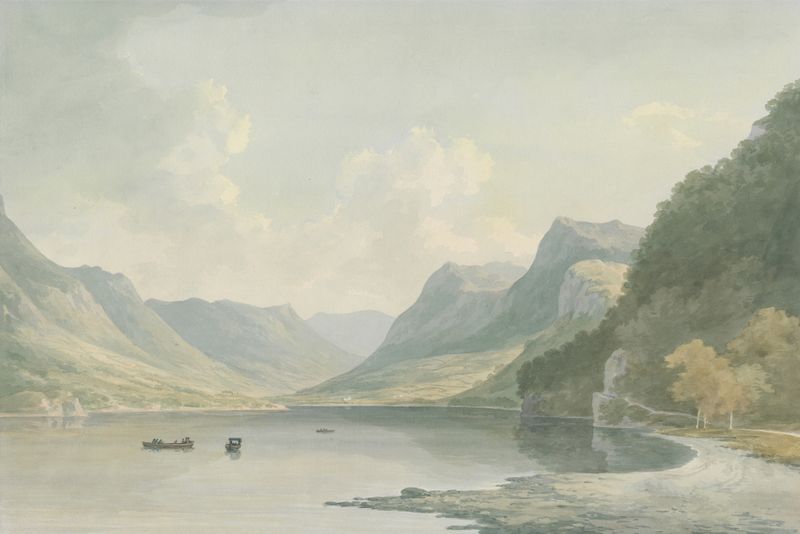
Ullswater, Looking toward Patterdale
John Warwick Smith
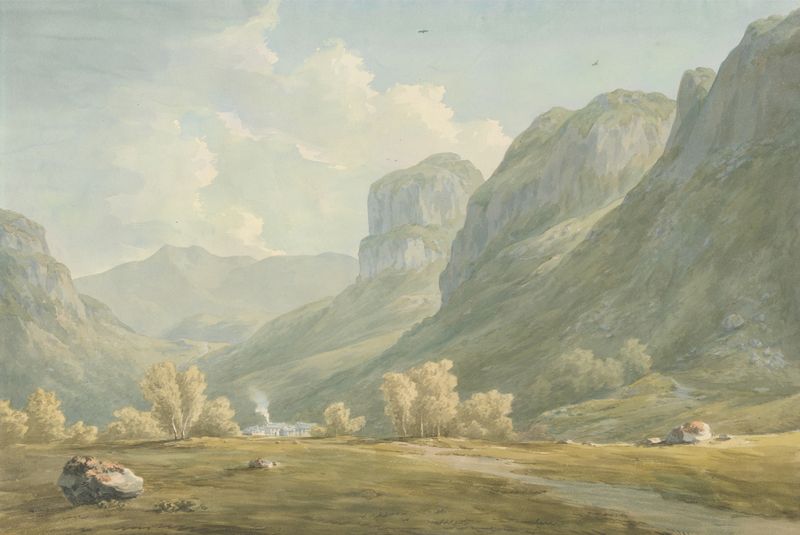
Village of Stonethwaite and Eagle Cragg, Borrowdale
John Warwick Smith
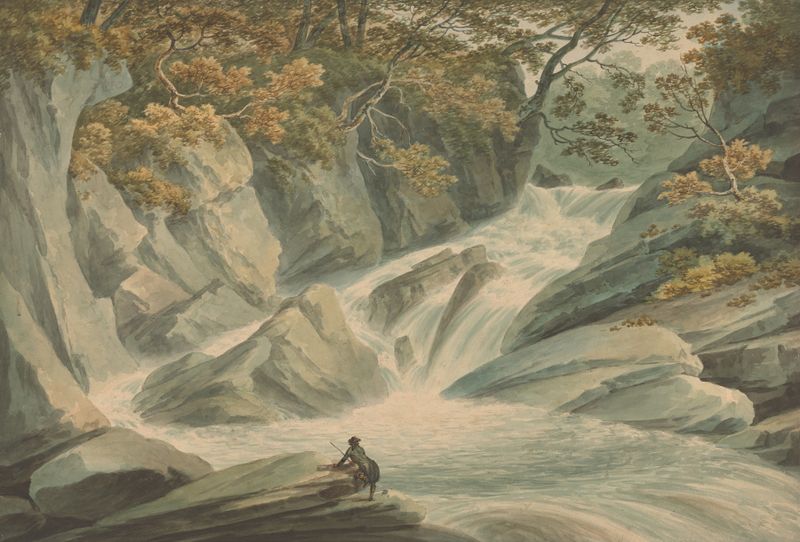
Hafod; Upper Part of Cascade
John Warwick Smith
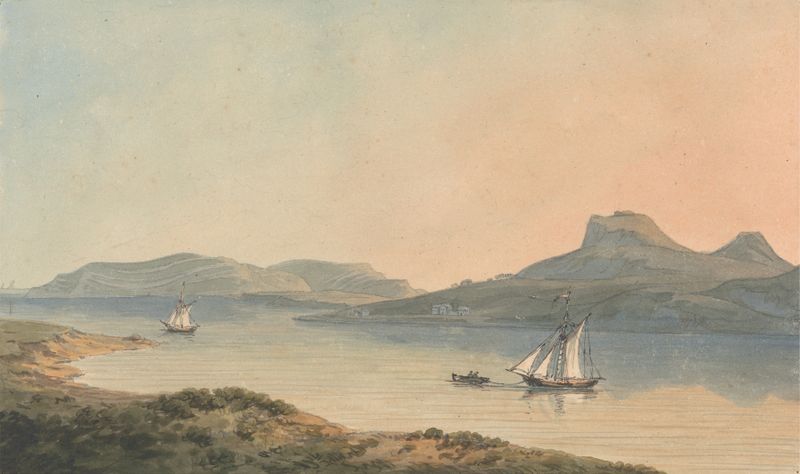
View of the Early Castle of Diganwy
John Warwick Smith
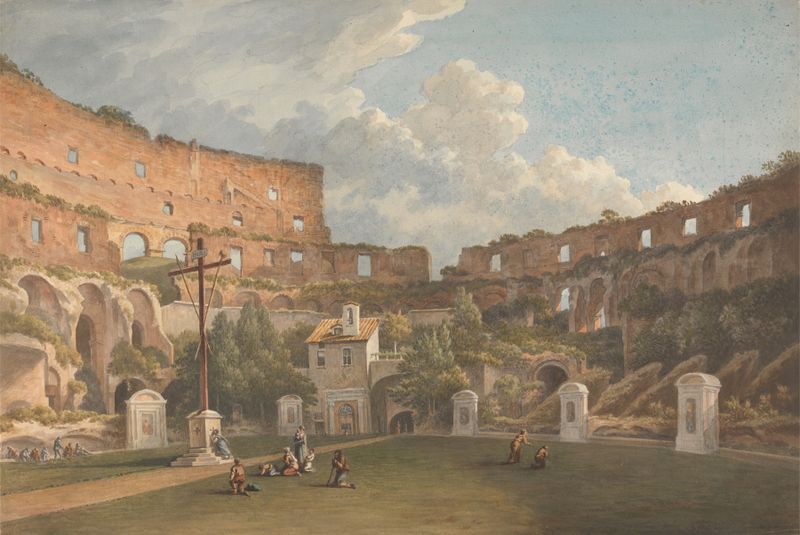
An Interior View of the Colosseum, Rome
John Warwick Smith
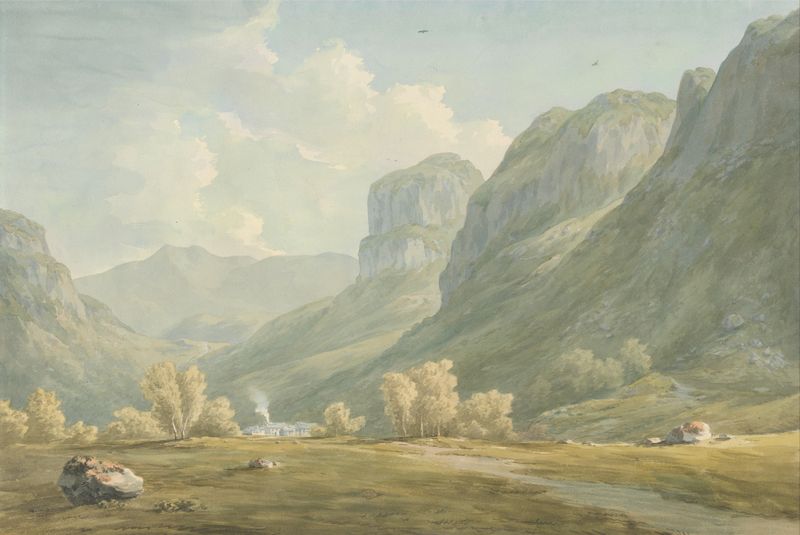
Village of Stonethwaite and Eagle Cragg, Borrowdale
John Warwick Smith
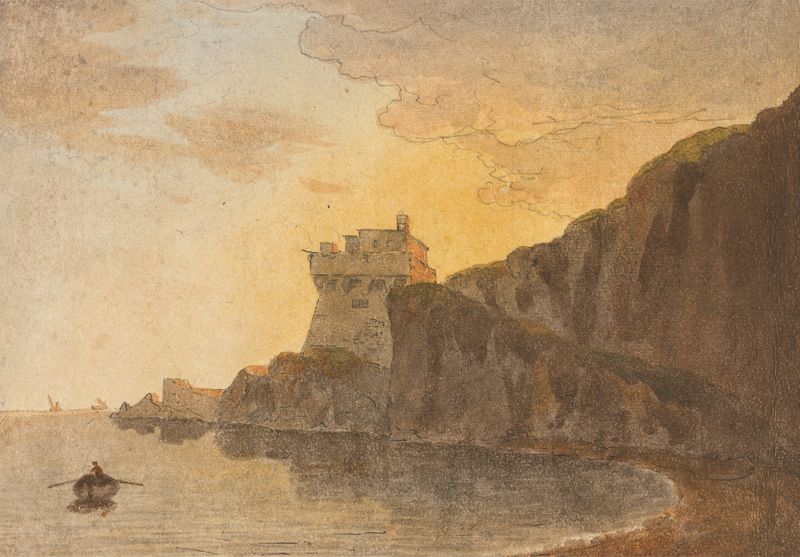
In the Bay of Salerno, near Vietri
John Warwick Smith





