
The Path To The Village — History & Facts
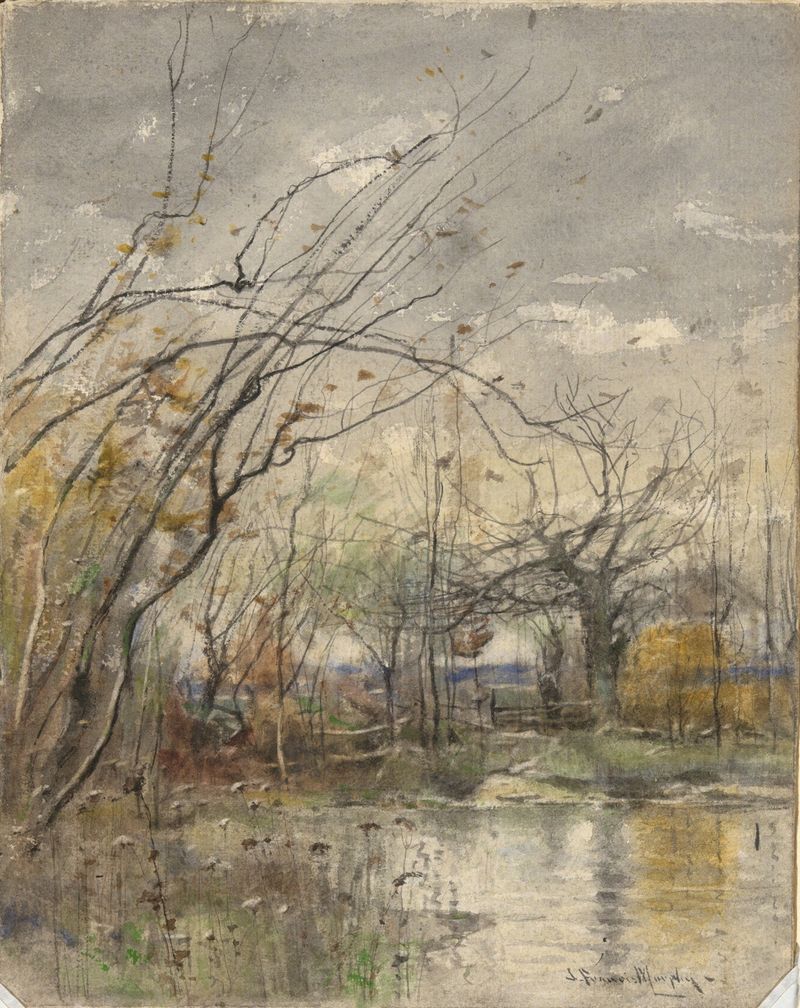
What secret hides in the quiet of the canvas? In a moment frozen in time, shadows elongate across a tranquil path, inviting the viewer to step into a world filled with serene possibility. Look to the left at the soft interplay of golden light filtering through the trees, illuminating the path that gently meanders toward the village. The delicate brushwork creates an illusion of depth and texture, drawing the eye along the winding route. The earthy palette of greens and browns evokes a sense of harmony, while hints of light suggest the warm embrace of late afternoon, imbuing the scene with a palpable stillness. Underneath the serene surface lies a tension between the tranquility of the scene and the unseen life bustling in the village ahead.
The path serves as a metaphor for journeys taken, both literal and emotional; it invites contemplation on where it leads and what lies beyond. The juxtaposition of shadow and light not only enhances the three-dimensionality but also reflects the dualities of nature—calmness and anticipation, solitude and community. In 1882, John Francis Murphy painted this piece during a period when American art was beginning to embrace the Impressionist movement, merging realism with more spontaneous expression. Living in the Catskill region, he sought to portray the beauty of rural life, capturing the fleeting moments of nature’s quiet allure.
It was a time of transformation in the art world, as artists began to explore the effects of light and atmosphere, moving away from strict adherence to tradition.
More Artworks by John Francis Murphy
Browse all →
October
John Francis Murphy
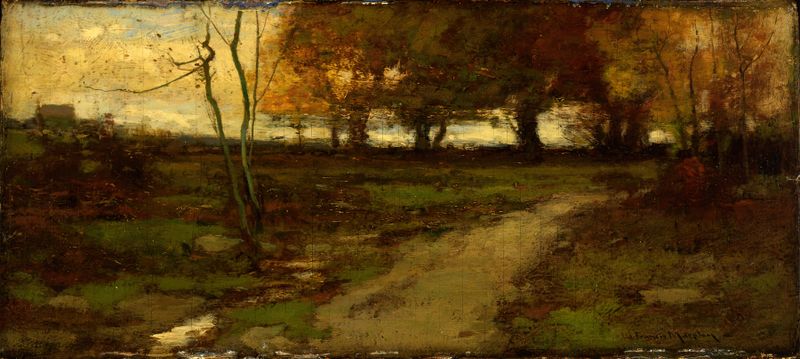
Landscape
John Francis Murphy
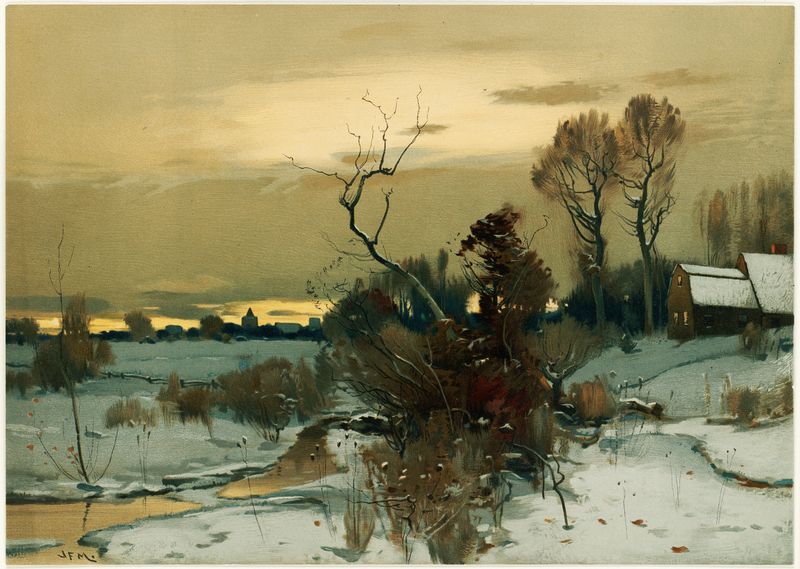
Winter landscape
John Francis Murphy

The Road Home
John Francis Murphy

Indian Summer
John Francis Murphy
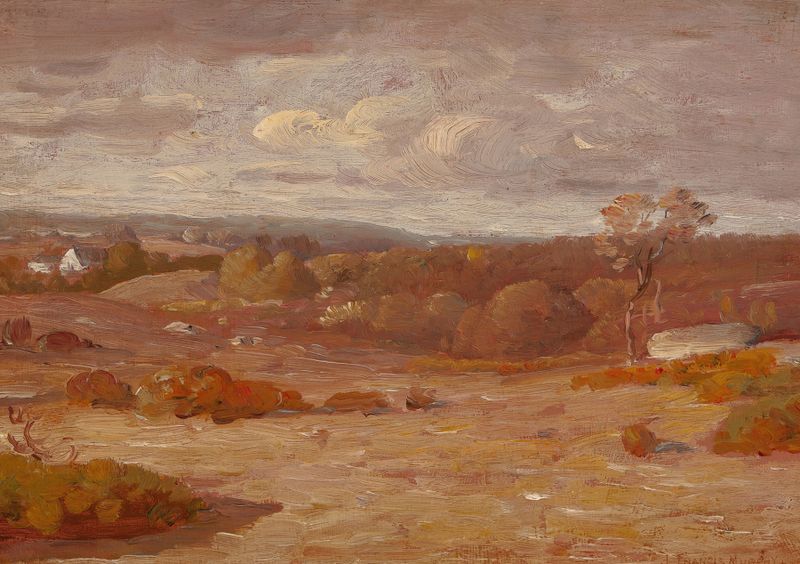
Early Autumn, New York
John Francis Murphy
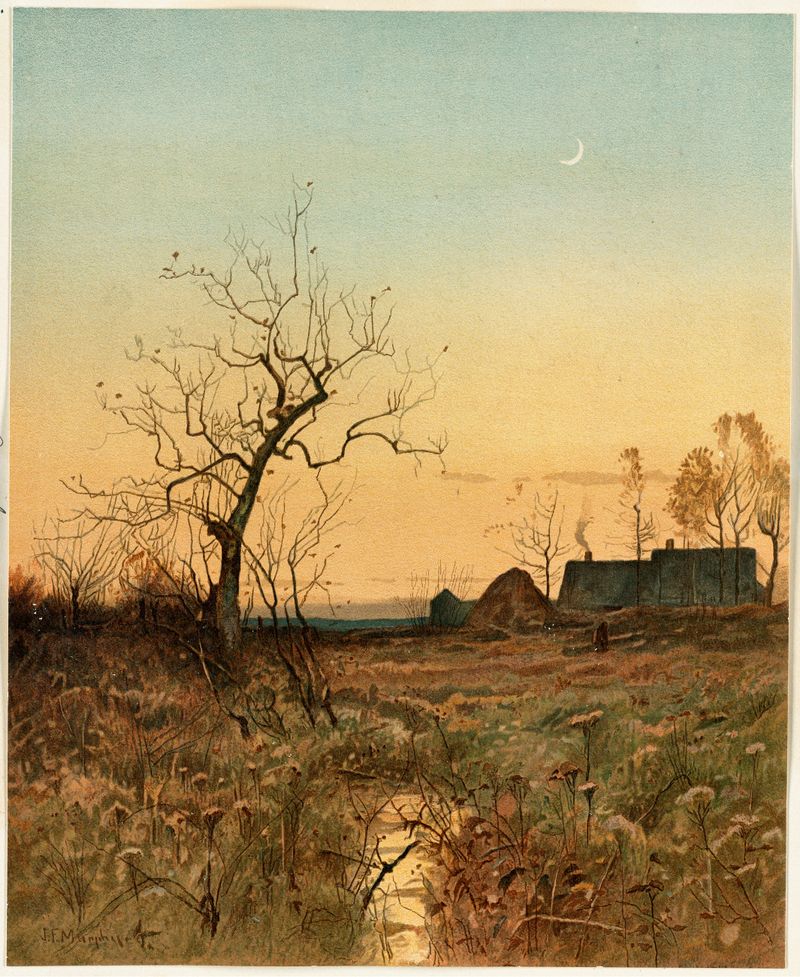
November
John Francis Murphy

Small Landscape
John Francis Murphy
Landscape
John Francis Murphy

The Meadow
John Francis Murphy





