The Petite Creuse River — History & Facts
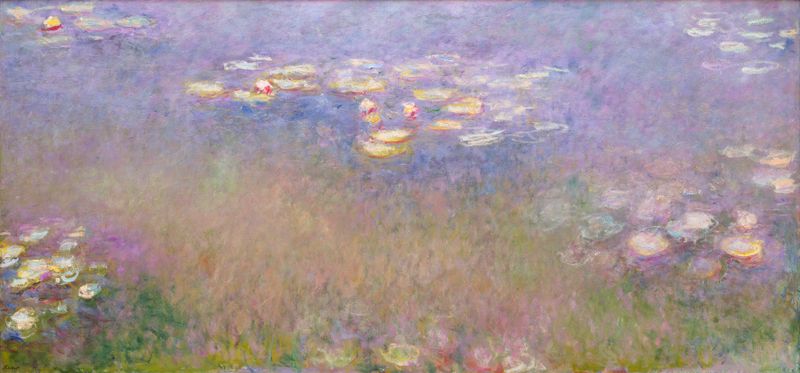
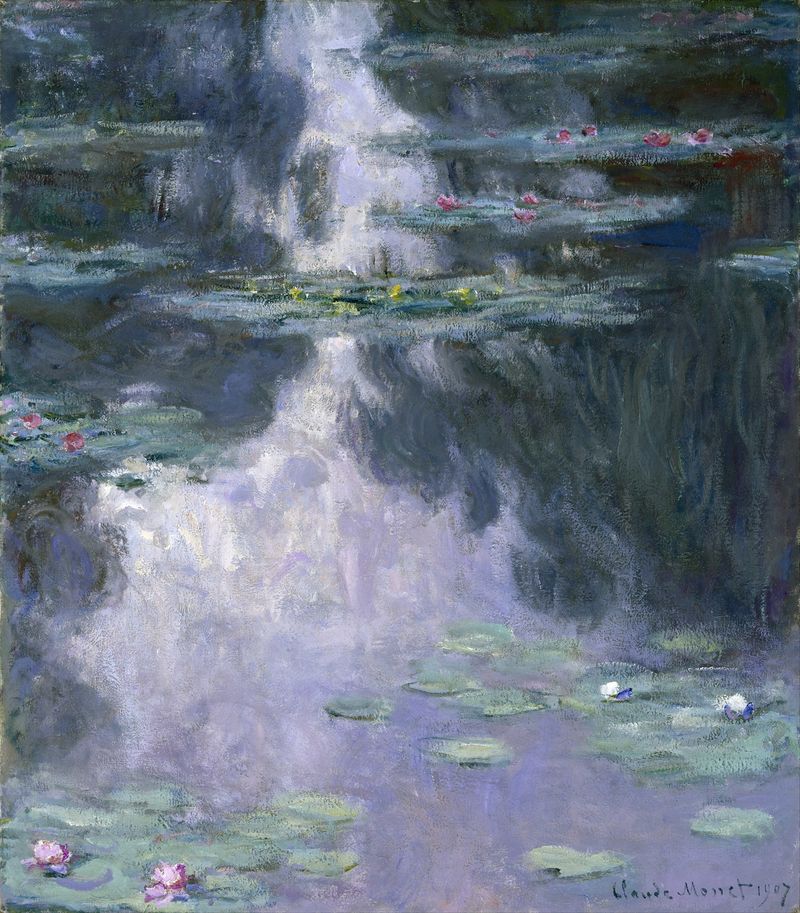
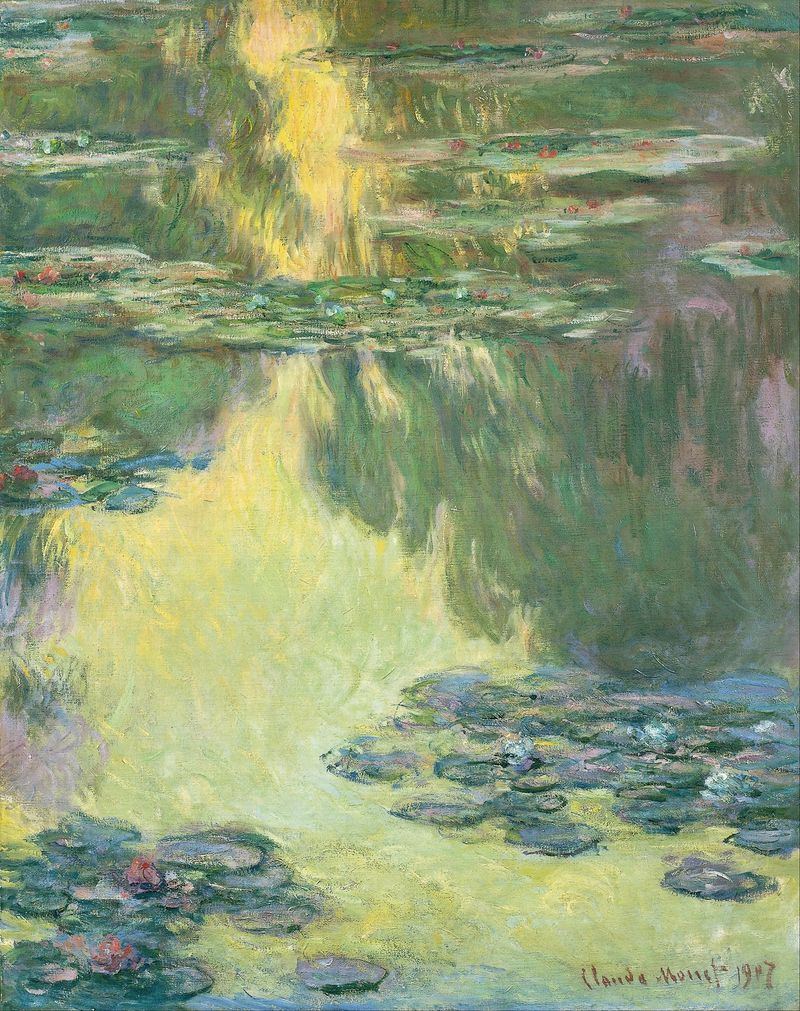
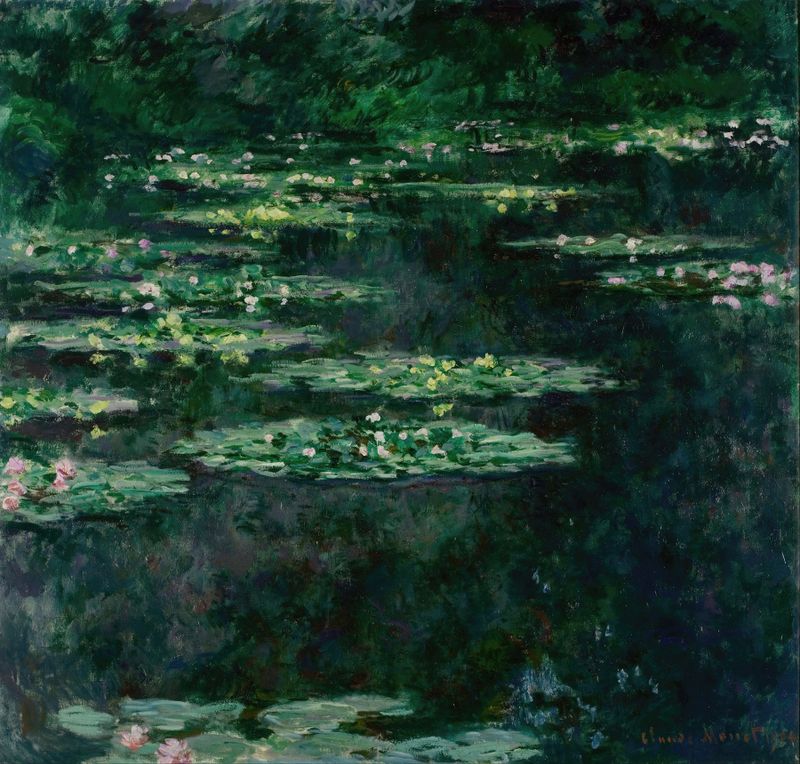
Could beauty survive in a century of chaos? This question lingers in the air as one gazes upon the vibrant interplay of color and light captured in this breathtaking masterpiece. The essence of tranquility is embodied within the canvas, yet hints of deeper emotional conflict whisper beneath the surface. Look to the center where the river meanders through, its surface dappled with reflections of the lush foliage that flanks its banks. The rich greens and blues merge seamlessly, inviting one’s gaze to drift along the water's edge.
Notice how the gentle strokes of brushwork create a shimmering quality, evoking the fleeting moments of sunlight dancing upon the water. Monet’s mastery of color and light draws the viewer into a serene yet dynamic world, a perfect amalgamation of movement and stillness. Yet, amidst this picturesque scene lies an undercurrent of tension. The vibrant colors may signify life and renewal, but they also conceal the specter of betrayal, a reminder of nature's fragility in the face of human upheaval.
Monet’s own experiences of loss and turmoil bleed into the work, suggesting a simultaneous yearning for stability and an acknowledgment of inevitable change. Each brushstroke serves as a testament to the duality of beauty and discord. In 1889, while living in Giverny, Monet was immersed in the Impressionist movement that sought to break away from traditional artistic conventions. This period was marked by personal struggles, including financial difficulties and the recent loss of close friends, shaping the emotional depth of his artwork.
The Petite Creuse River stands as a poignant reflection of both the artist's internal landscape and the world that felt increasingly chaotic around him.