Discover insights about this artwork
The Petite Creuse River — History & Facts
In The Petite Creuse River, Claude Monet captures a tranquil scene filled with soft colors. The painting features gentle blues and greens, depicting the flowing water of the river surrounded by lush vegetation. The light plays delicately on the water's surface, creating a shimmering effect.
This serene landscape invites viewers to immerse themselves in nature's beauty. Monet's technique in this work showcases his signature brushwork, with loose and expressive strokes that convey movement and light. The color palette is dominated by cool tones, emphasizing the peaceful atmosphere of the scene. The composition draws the eye towards the river, leading to a sense of depth and perspective.
This painting exemplifies the Impressionist style, focusing on the effects of light and color. Claude Monet painted this work during a period when he was exploring the beauty of rural landscapes. The Petite Creuse River, located in France, became a favorite subject for Monet, who often returned to it for inspiration. This painting is a testament to his ability to capture fleeting moments in nature.
Interestingly, Monet often painted en plein air, directly from nature, which influenced his approach to color and light.
More Artworks by Claude Monet
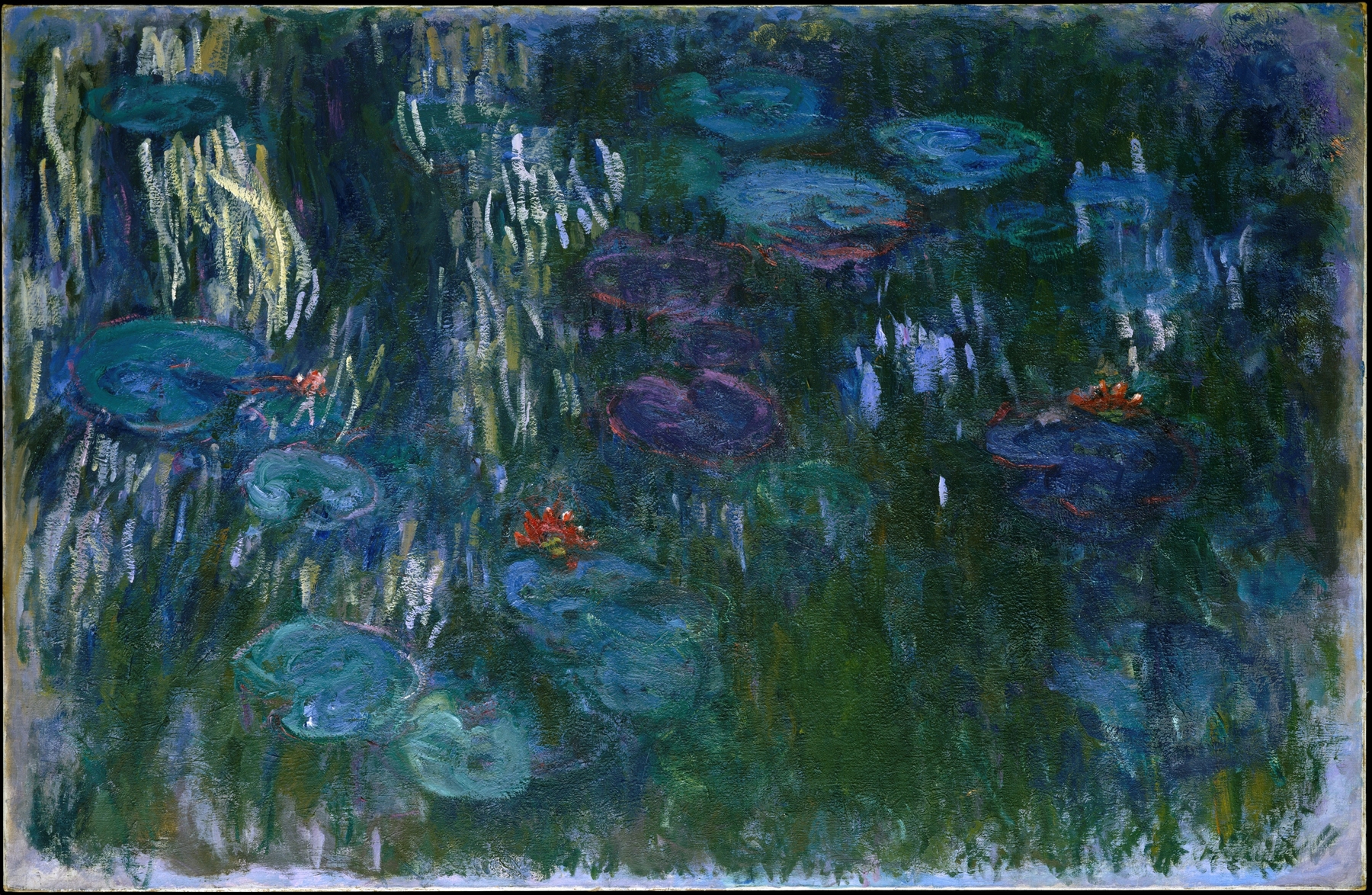
Water Lilies
Claude Monet
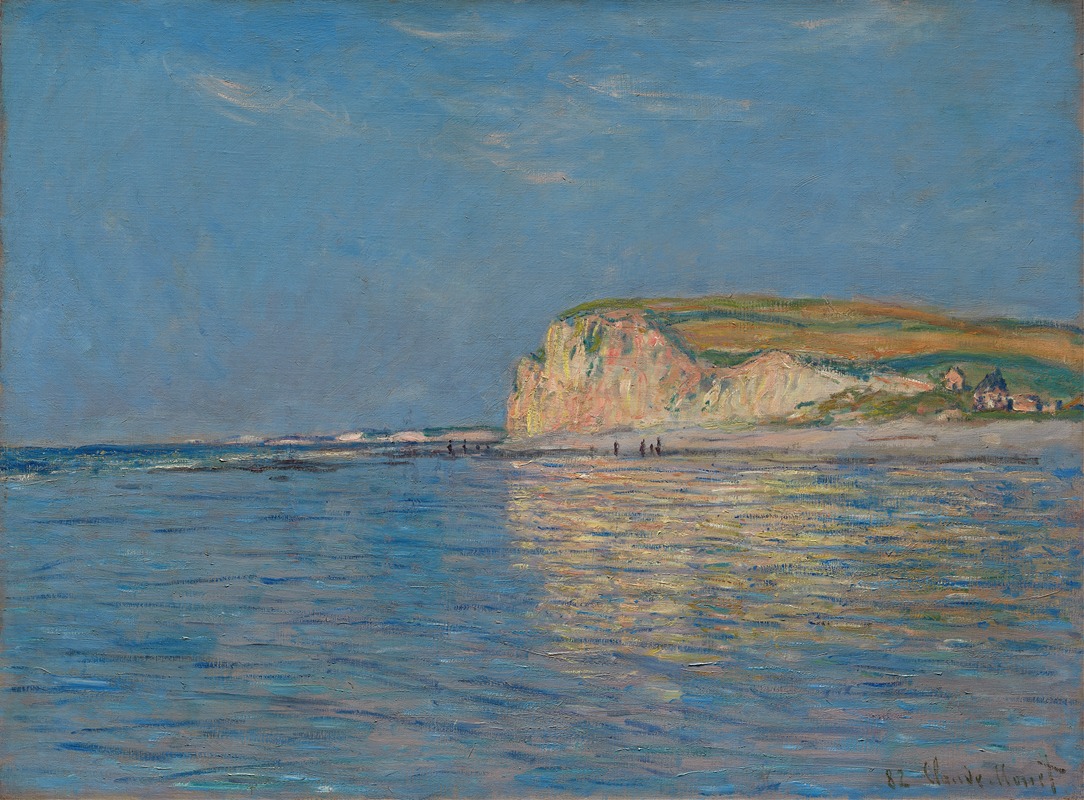
Low Tide at Pourville, near Dieppe
Claude Monet
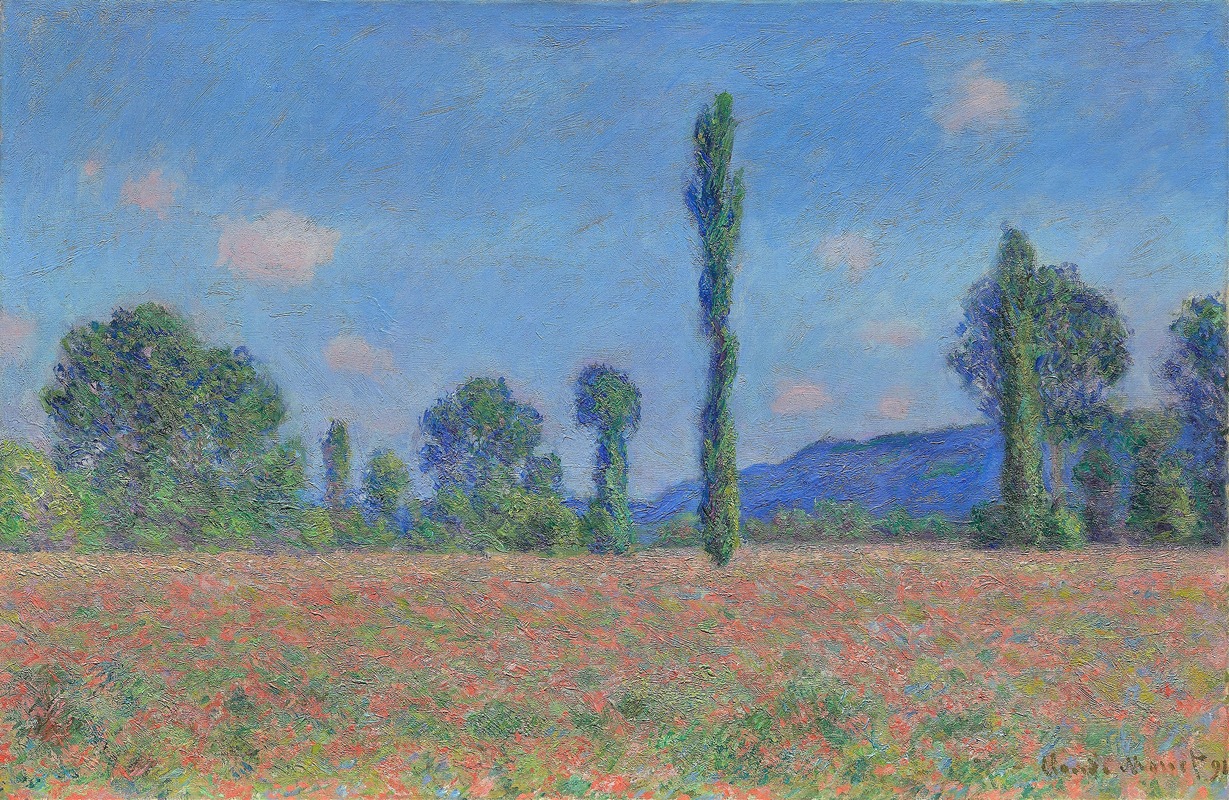
Poppy Field (Giverny)
Claude Monet
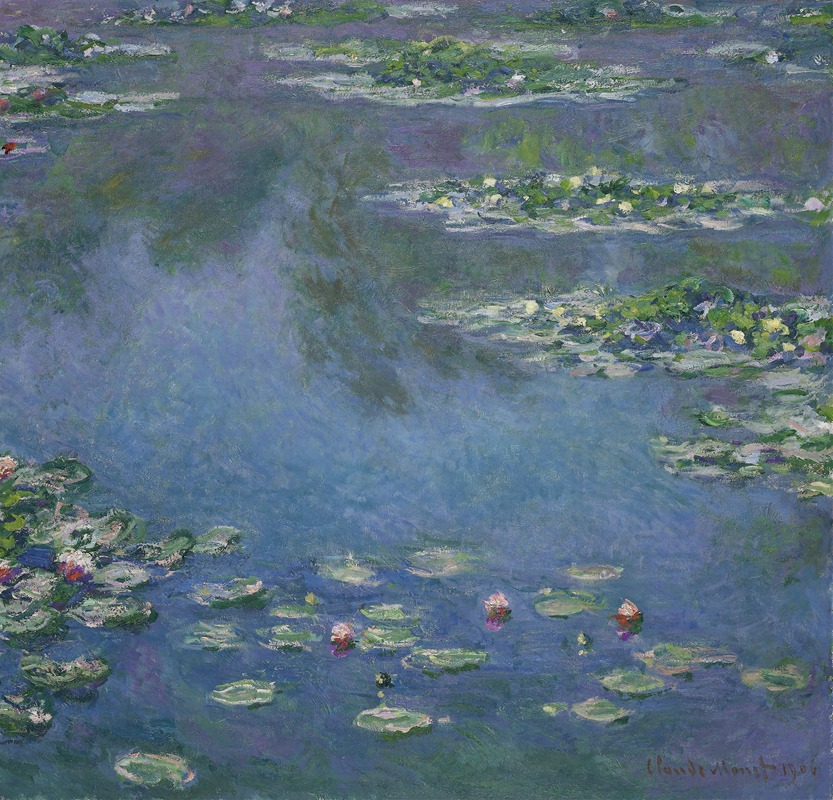
Water Lilies
Claude Monet
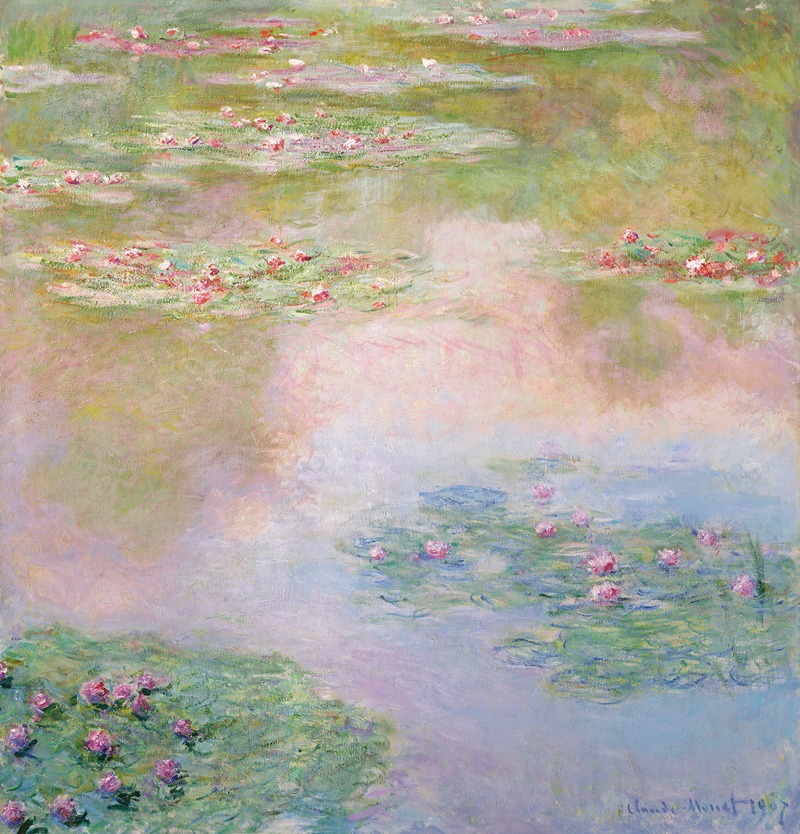
Nymphéas
Claude Monet
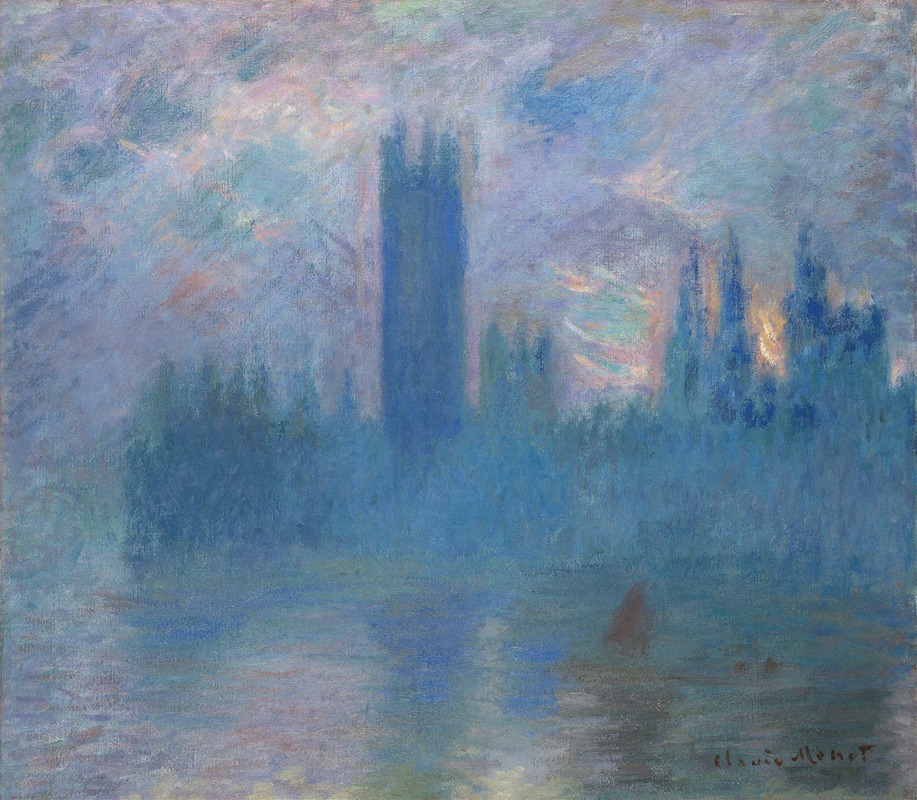
Houses of Parliament, London
Claude Monet
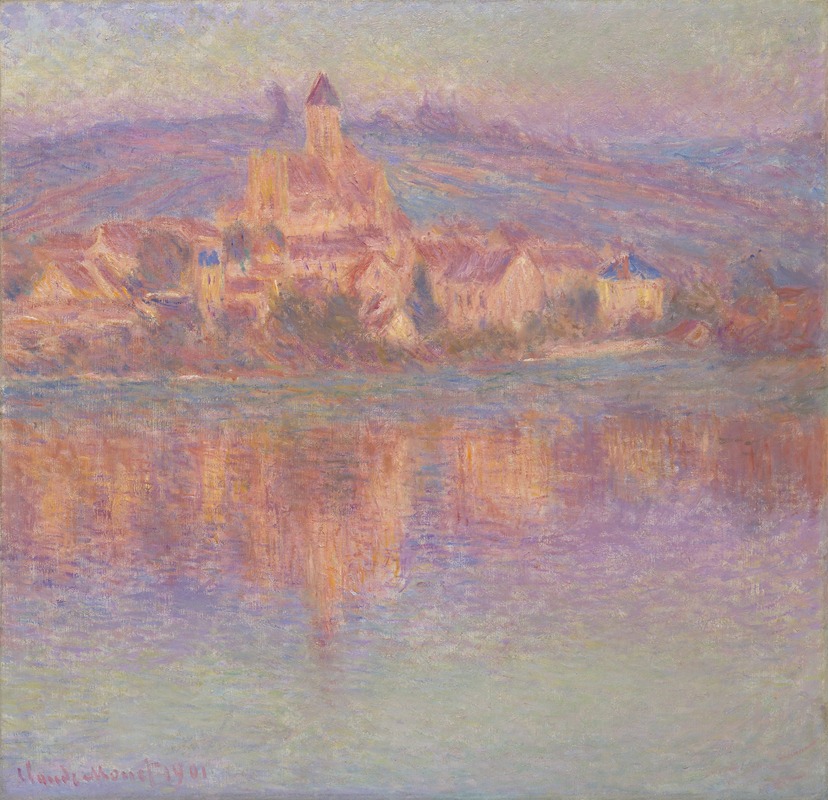
Vétheuil
Claude Monet
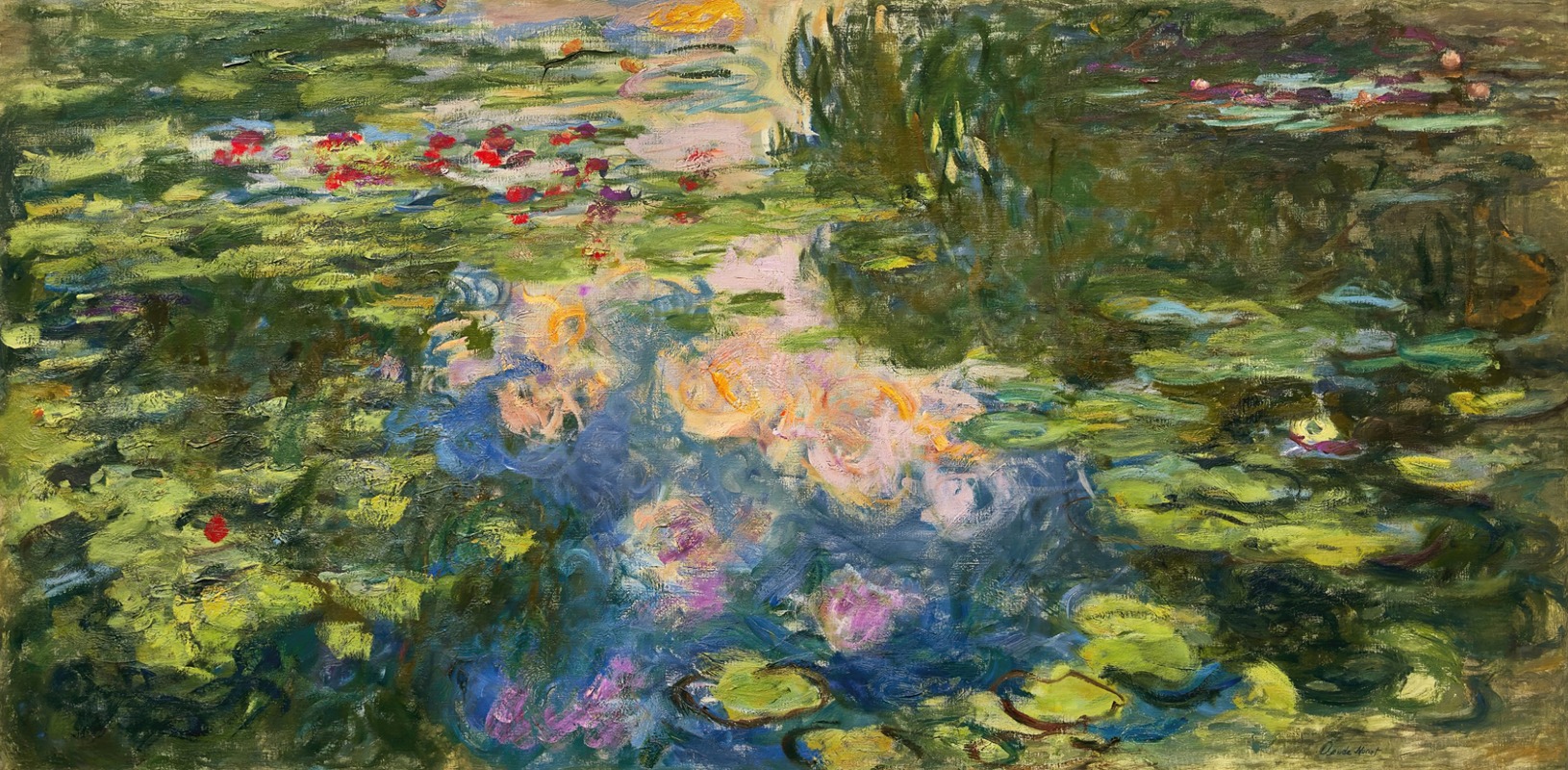
Le Bassin aux nymphéas
Claude Monet
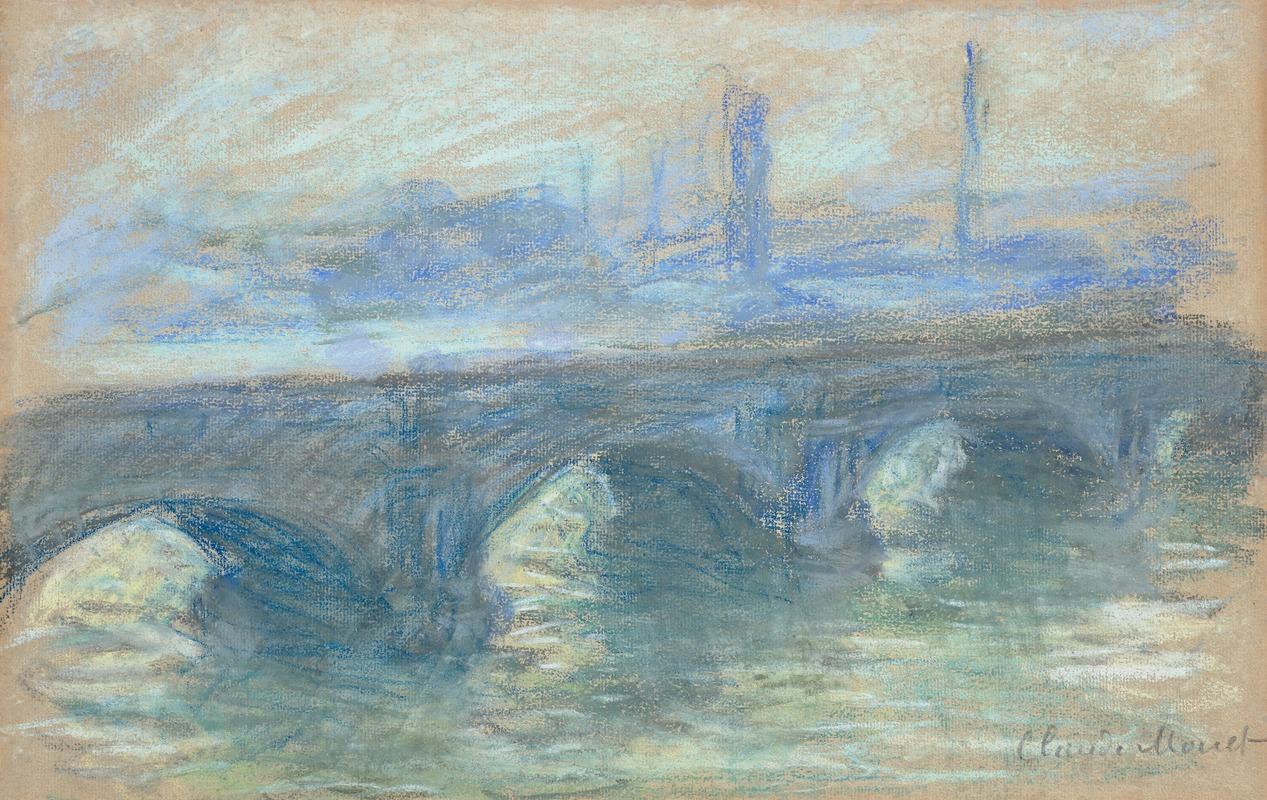
Waterloo Bridge
Claude Monet

Printemps à Giverny, effet d’après-midi
Claude Monet