
The Piarist Church — History & Facts
What if beauty was never meant to be finished? In The Piarist Church, an ethereal interplay of light and shadow invites us to contemplate the divine amidst the earthly. Focus first on the grand facade of the church, where stone pillars rise like silent sentinels under a soft wash of golden sunlight. Notice how the artist's brush captures the intricate details of the ornate carvings, each telling a story of devotion yet veiled in mystery. The play of light highlights the textures and contours, creating a sense of depth, while a muted palette suggests a serene reverence, guiding the viewer’s eye toward the tranquil entrance. As you explore further, consider the juxtaposition of solidity and transcendence woven throughout the composition.
The church stands firm against the ephemeral nature of sunlight, symbolizing the enduring human spirit in pursuit of the divine. Delicate shadows dance across the surface, embodying the tension between the sacred and the mundane, as if the structure itself is caught in a moment of prayer, yearning for connection with the heavens. Feliks Jabłczyński created this masterpiece in 1918, during a period of significant change in Poland, following its independence after World War I. The artist was deeply influenced by both the historical context and the evolving artistic movements of his time, particularly the rise of modernism, which encouraged a new sensitivity to the representation of space and structure.
This work reflects the burgeoning sense of national identity and the search for renewed cultural expression, encapsulating a moment where beauty transcends the confines of the physical form.
More Artworks by Feliks Jabłczyński
Browse all →
Villa Borgia in Rome
Feliks Jabłczyński

Mariensztat Street in Warsaw
Feliks Jabłczyński
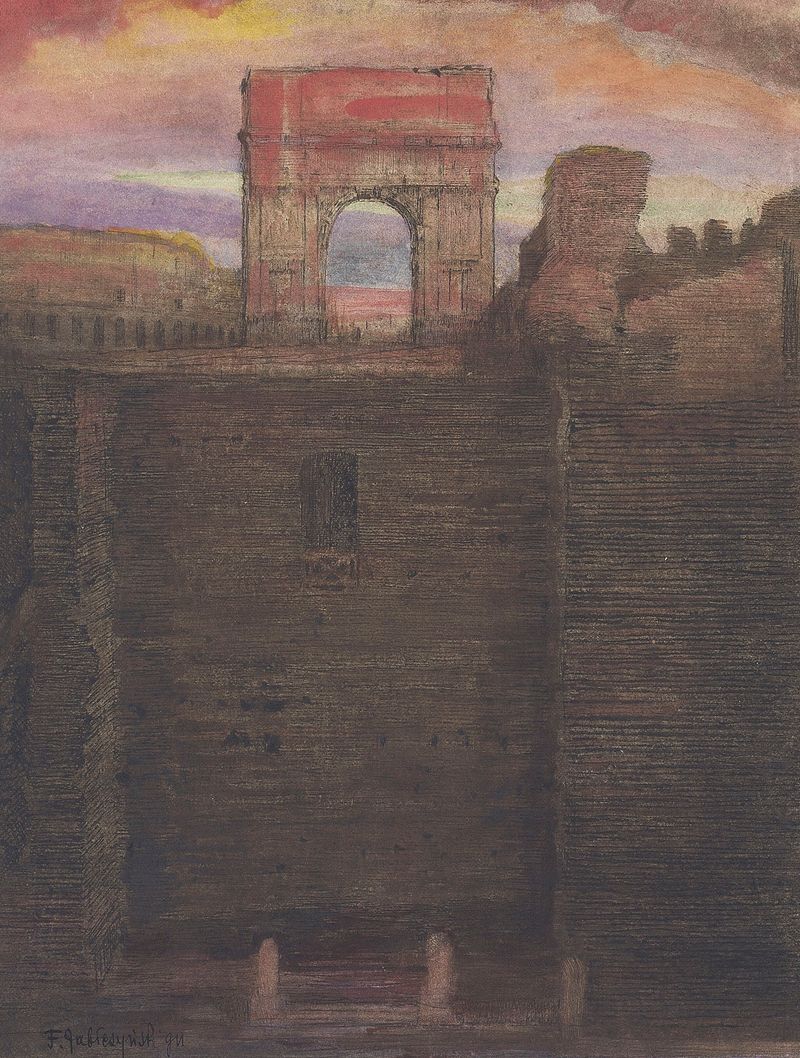
The House of Vestals and the Arch of Titus in the background
Feliks Jabłczyński
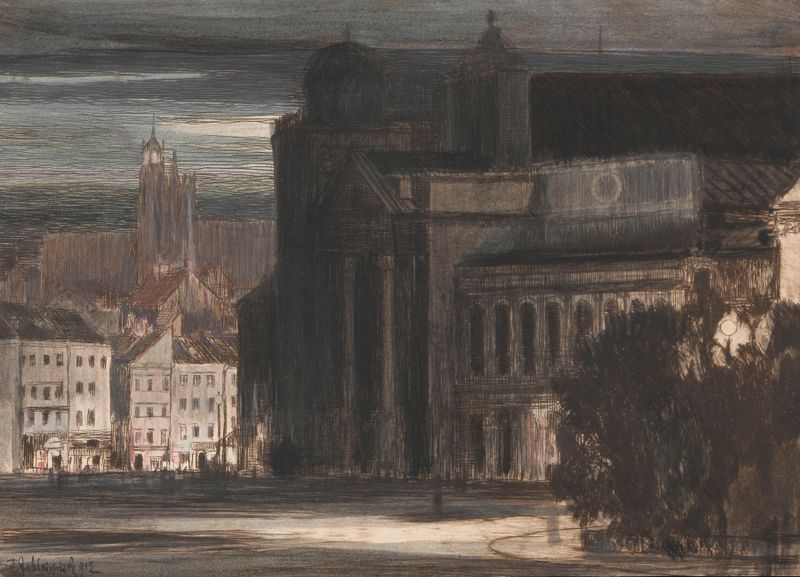
View of the Church of St. Anna and the Castle Square in Warsaw
Feliks Jabłczyński

Kaplica Boimów we Lwowie
Feliks Jabłczyński
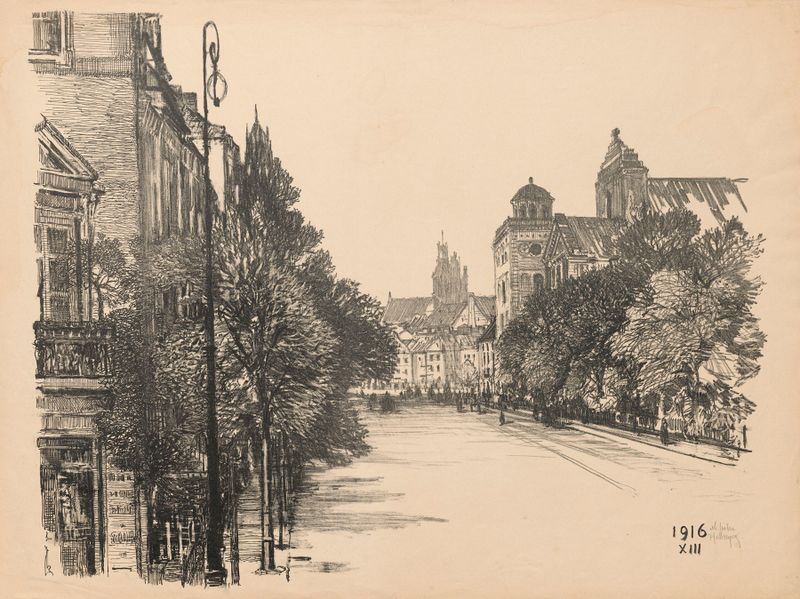
Krakowskie Przedmieście Street
Feliks Jabłczyński
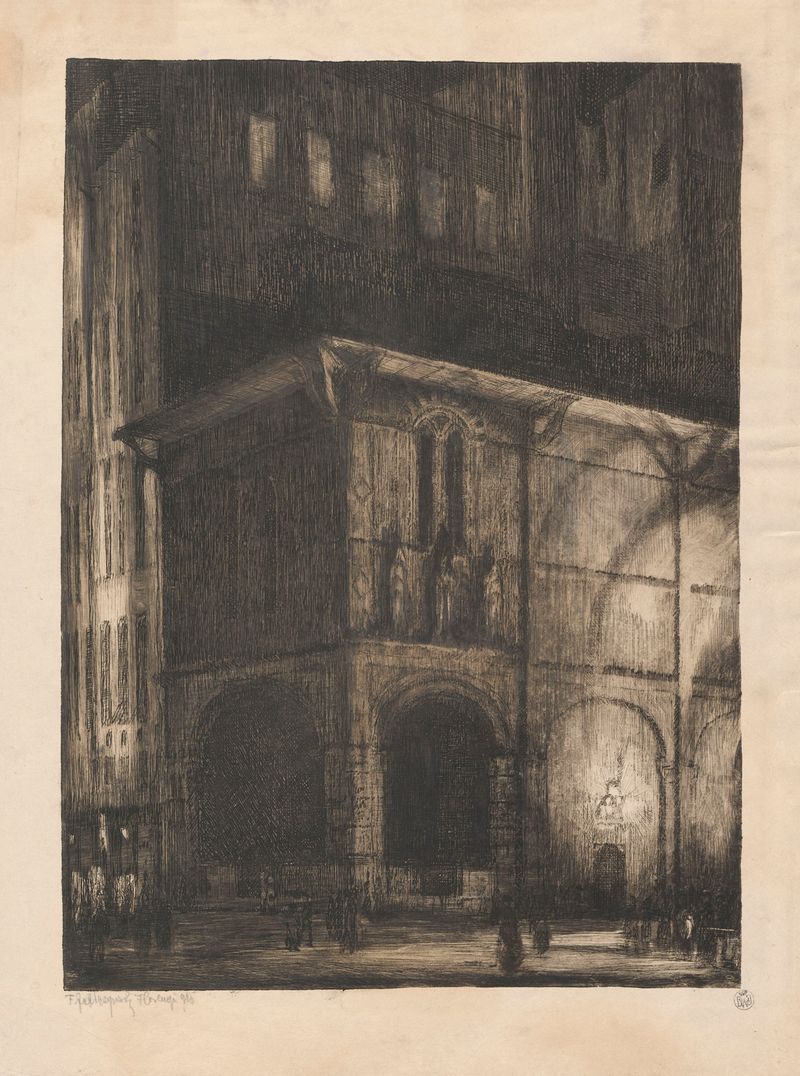
Florence
Feliks Jabłczyński
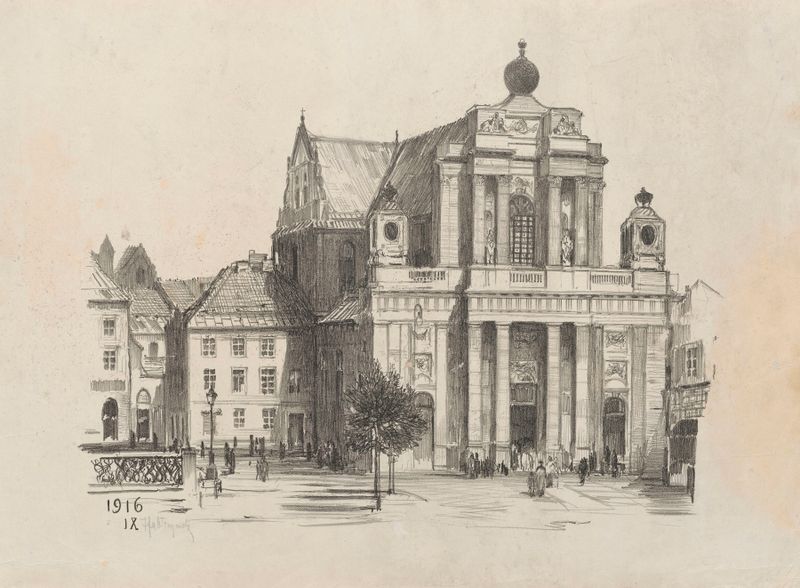
Carmelite Church.
Feliks Jabłczyński

The Visitation Sisters Church
Feliks Jabłczyński
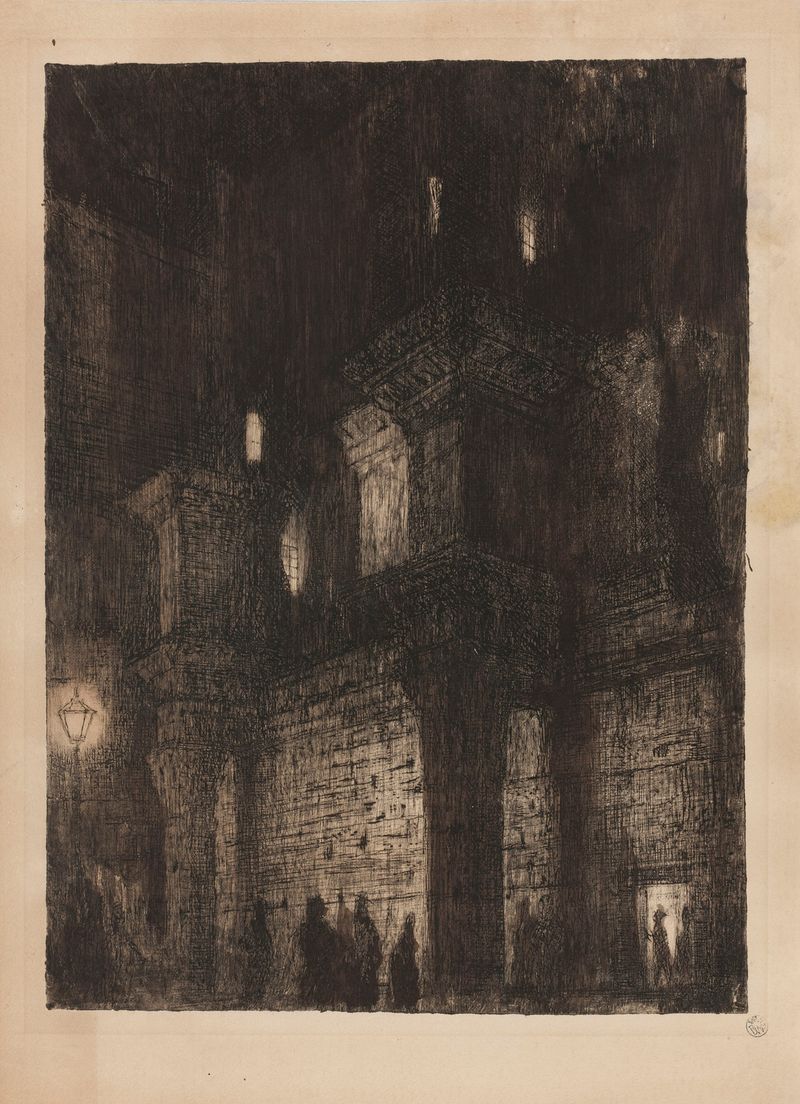
Forum Nervae
Feliks Jabłczyński
More Architecture Art
Browse all →
The statue of Liberty
Frédéric Auguste Bartholdi

View of Houses in Delft, Known as ‘The Little Street’
Johannes Vermeer

View of Houses in Delft, Known as ‘The Little Street’
Johannes Vermeer

The Cathedral in Rouen. The portal, Grey Weather
Claude Monet

The yellow house
Vincent van Gogh

The Church in Auvers-sur-Oise, View from the Chevet
Vincent van Gogh