
The Pit — History & Facts
In the stillness of decay lies an unspoken story, a poignant reminder of what once thrived. Look to the center of the composition, where the deep shadows cradle the crumbling walls of the pit. The artist’s deliberate use of muted earth tones evokes a sense of resignation, while the stark contrast between light and shadow invites the viewer to delve deeper into the remnants of this forsaken space. Notice how the brushstrokes vary, some soft and textured against the craggy surfaces, while others are sharp and jagged, capturing the raw emotion of abandonment. Beneath the surface of this seemingly desolate place, one can sense a dialogue between life and death, hope and despair.
The scattered debris symbolizes both the passage of time and the weight of memories left behind. Each fragment of decay speaks volumes, hinting at stories of resilience and surrender, intertwining the past with the present in an evocative embrace of mortality and transformation. In 1911, Auguste Louis Lepère was immersed in the vibrant Parisian art scene, grappling with the effects of modernity and industrialization on landscapes and communities. During this time, he sought to highlight the beauty of forgotten places, using his art to reflect the tensions in society.
The Pit, encapsulating his fascination with decay, stands as a testament to the lingering presence of history, resonating with the silent confessions of a world in transition.
More Artworks by Auguste Louis Lepère
Browse all →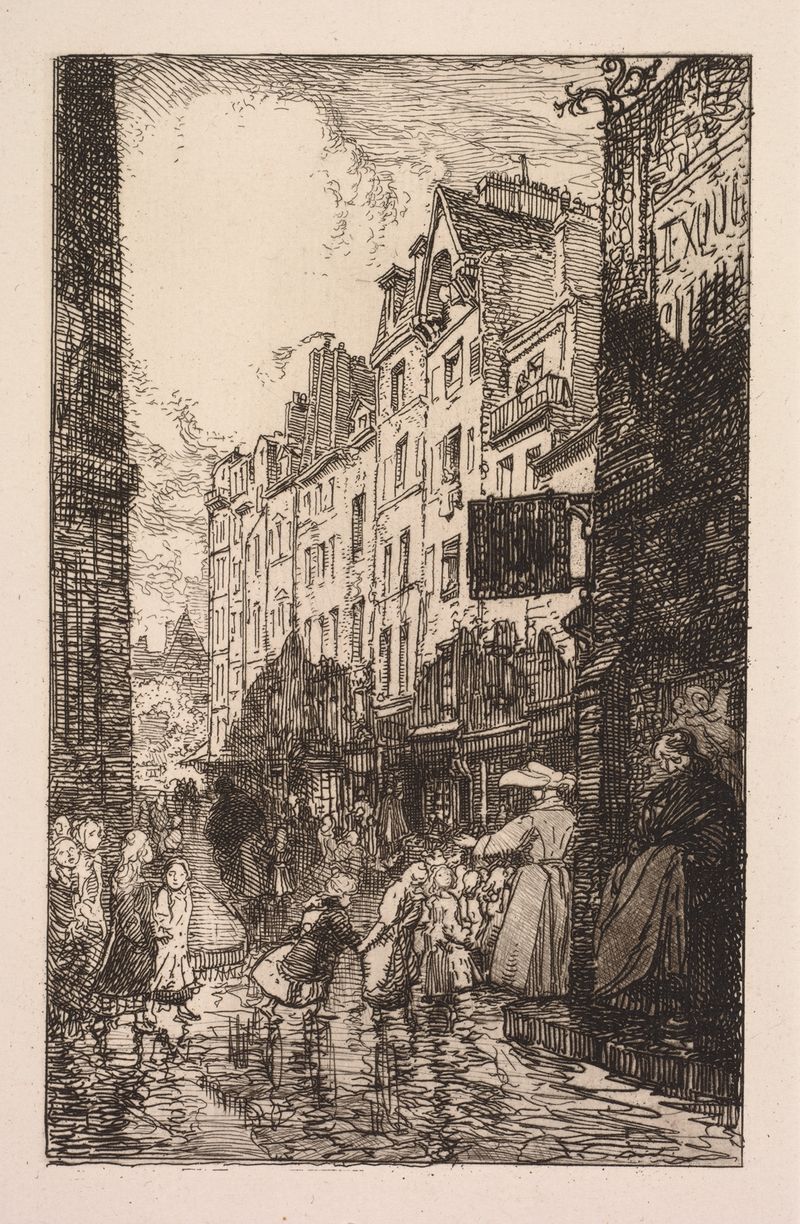
La Rue des Prêtres Saint-Séverin
Auguste Louis Lepère
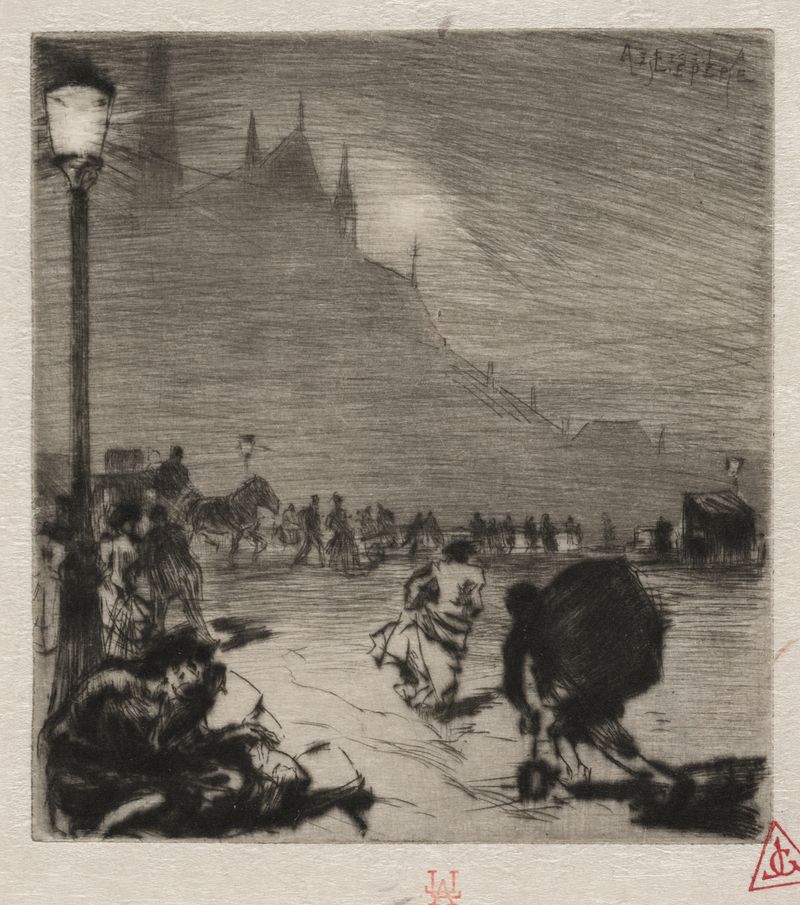
Au Coin du Pont-aux-Doubles
Auguste Louis Lepère
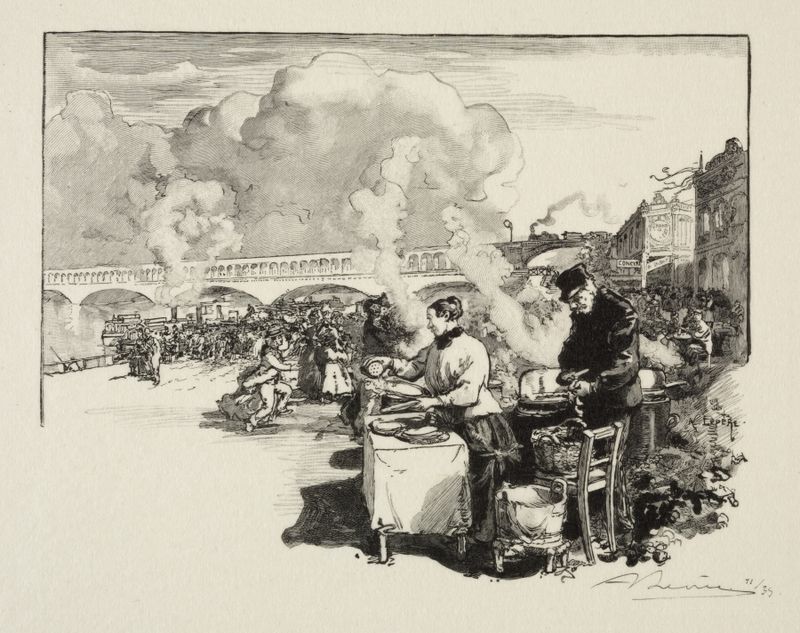
Debarcadère des bateaux-omnibus
Auguste Louis Lepère

La Seine, au quai de la Rapée
Auguste Louis Lepère
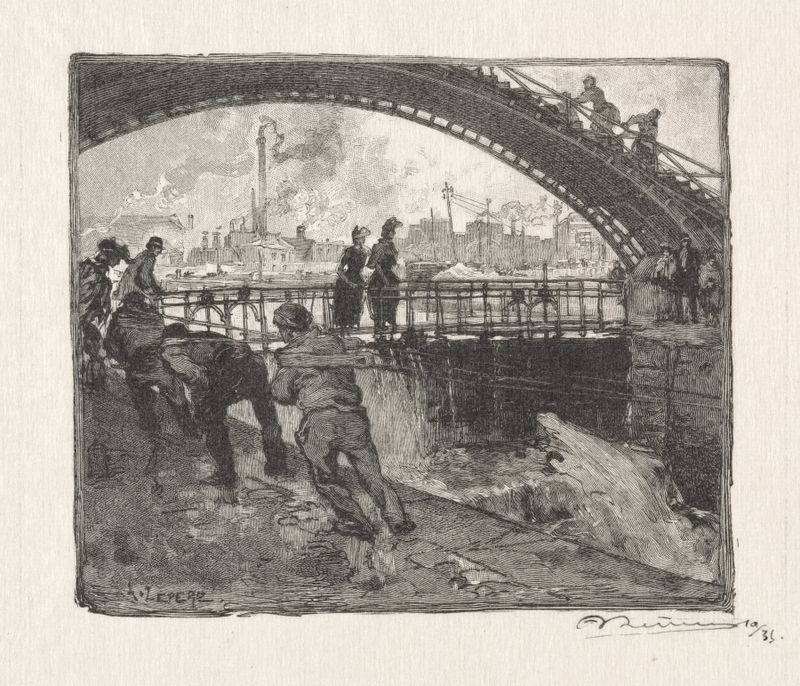
L’Ecluse du Canal St. Martin
Auguste Louis Lepère

Le Boulevard Montmartre, le Soir
Auguste Louis Lepère

Une Chasse au Mont Gérard
Auguste Louis Lepère
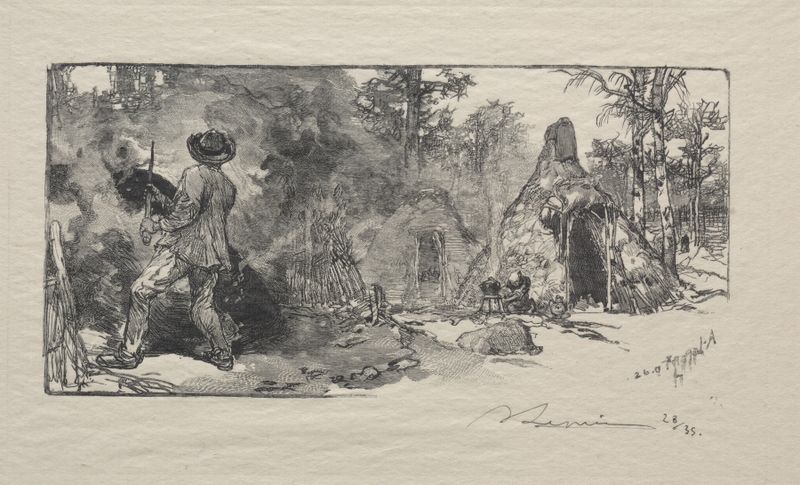
Les Charbonniere
Auguste Louis Lepère
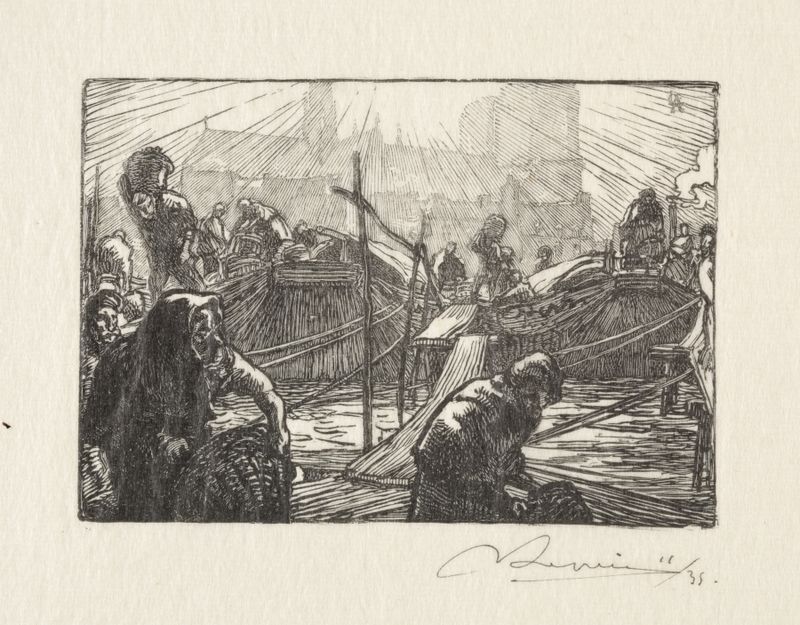
Notre Dame vue du Marché aux pommes
Auguste Louis Lepère

Le Palais des Arts Liberaux, Intèrieur
Auguste Louis Lepère





