
The Plain of La Beauce — History & Facts
In the stillness of a vast landscape, memories blend with the whisper of nature, evoking a deep sense of nostalgia that transcends time. Look to the foreground, where soft tufts of grass and gentle earth tones cradle the subtle curves of the land. The light, dappled and warm, caresses the horizon, leading your gaze into the expansive sky above. Here, muted greens and earthy browns harmonize beautifully, reflecting a serene connection between the land and the artist’s brush.
Each stroke breathes life into this quiet scene, inviting contemplation and reflection. Beyond the apparent tranquility lies an emotional tension, a poignant contrast between the vivid life of the countryside and the solitude it exudes. The vastness of the plain suggests not only the freedom of open space but also an echo of isolation, where one can feel both lost and found. The gentle undulations of the landscape mirror the artist's own introspections, capturing a fleeting moment that resonates with each viewer’s personal journey.
This duality fosters a profound sense of connection, as the viewer grapples with their own memories and sentiments. Created between 1840 and 1845, the work emerged during a pivotal period for the artist, who was deeply entrenched in the burgeoning Barbizon School movement in France. Striving to capture the essence of nature, he sought to move away from the grand historical themes that dominated art. As he painted The Plain of La Beauce, he was navigating personal changes and artistic evolution, reflecting the shift toward realism and the emotive power of landscape painting.
More Artworks by Jean-Baptiste-Camille Corot
Browse all →
View of Genoa
Jean-Baptiste-Camille Corot
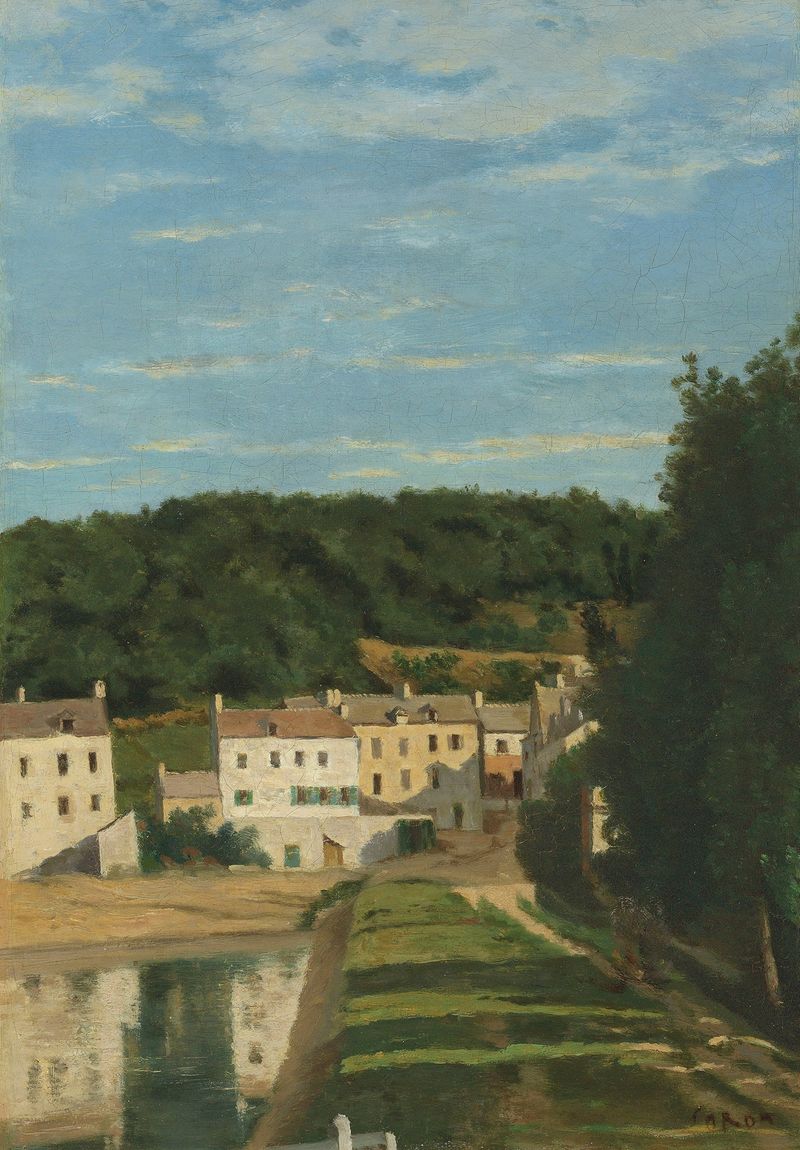
Les Maisons Cabassud À Ville D’avray
Jean-Baptiste-Camille Corot

La solitude. Souvenir de Vigen (Limousin)
Jean-Baptiste-Camille Corot
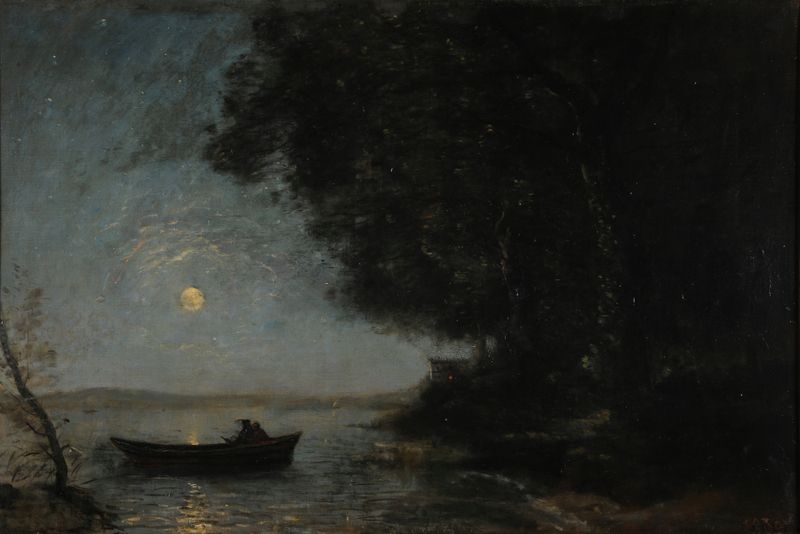
Le lac ; effet de nuit
Jean-Baptiste-Camille Corot
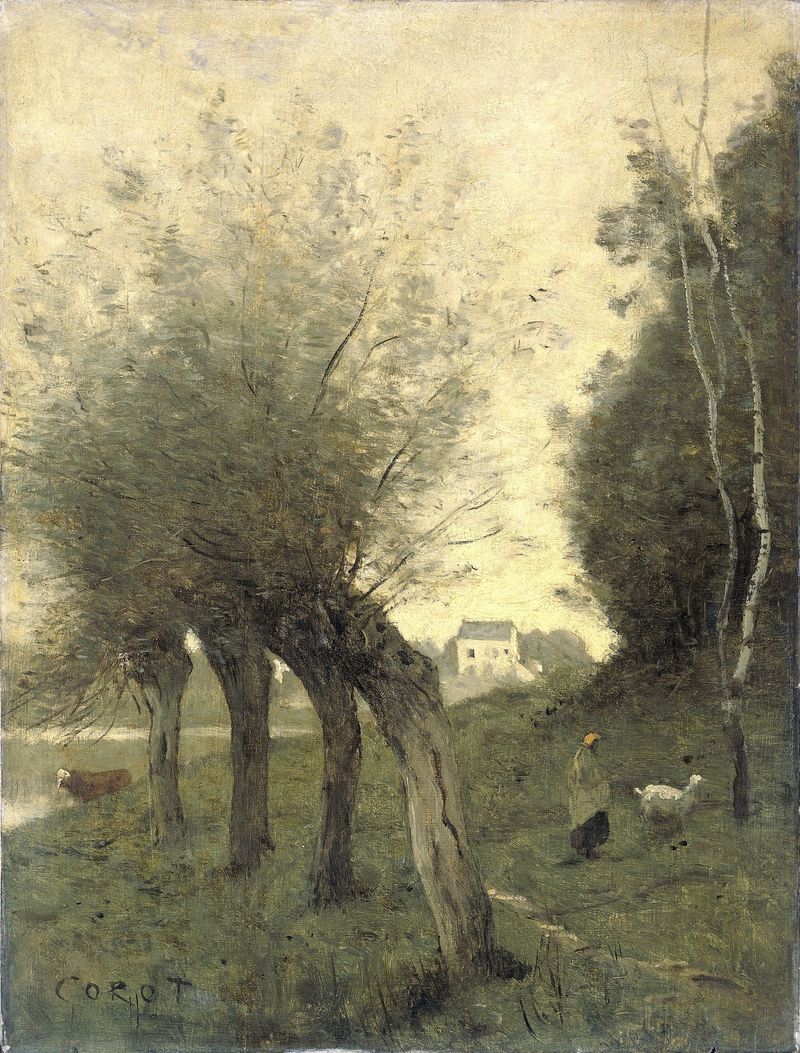
Landscape with Pollard Willows
Jean-Baptiste-Camille Corot
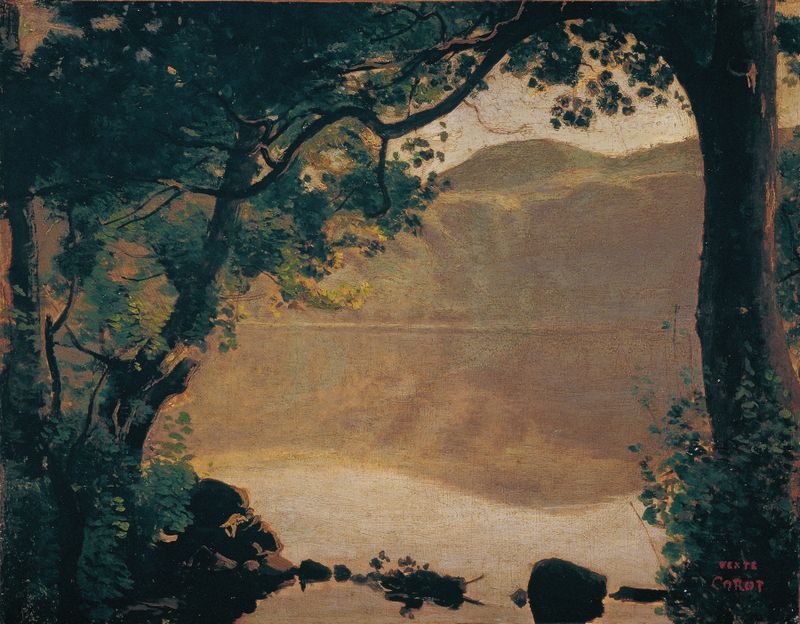
Der Nemisee
Jean-Baptiste-Camille Corot
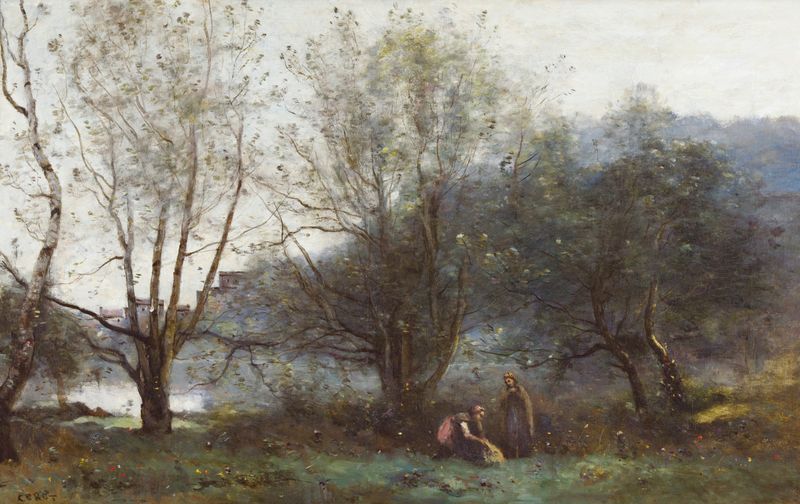
Les Étangs De Ville D’avray
Jean-Baptiste-Camille Corot
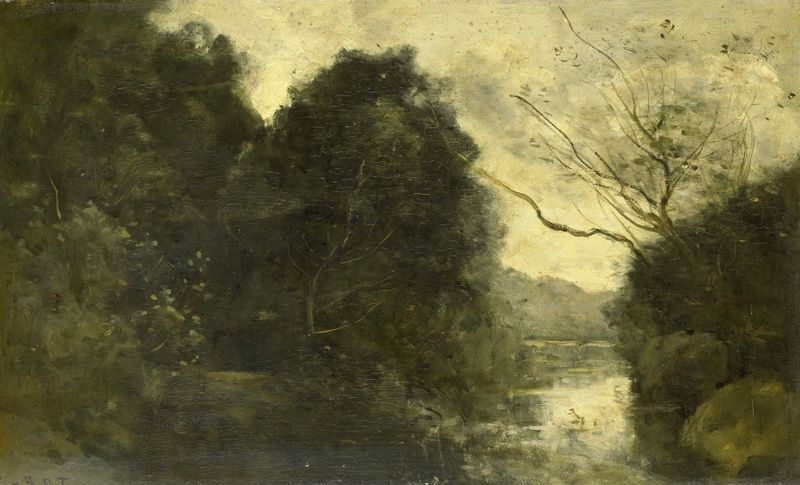
Pond in the Woods
Jean-Baptiste-Camille Corot
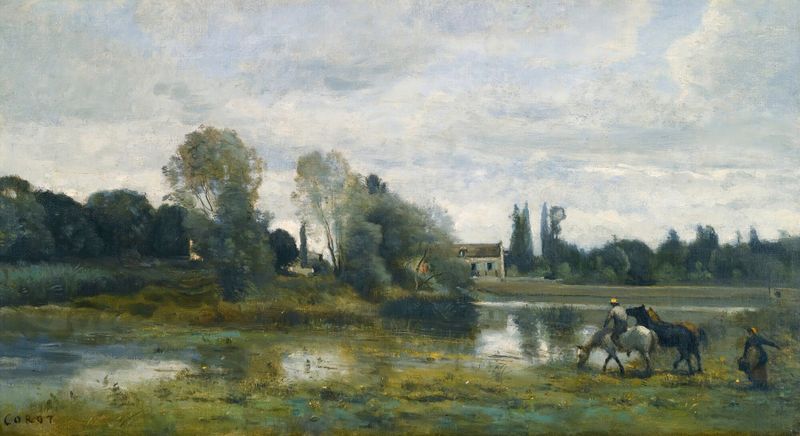
Ville D’avray; L’abreuvoir Des Chevaux
Jean-Baptiste-Camille Corot
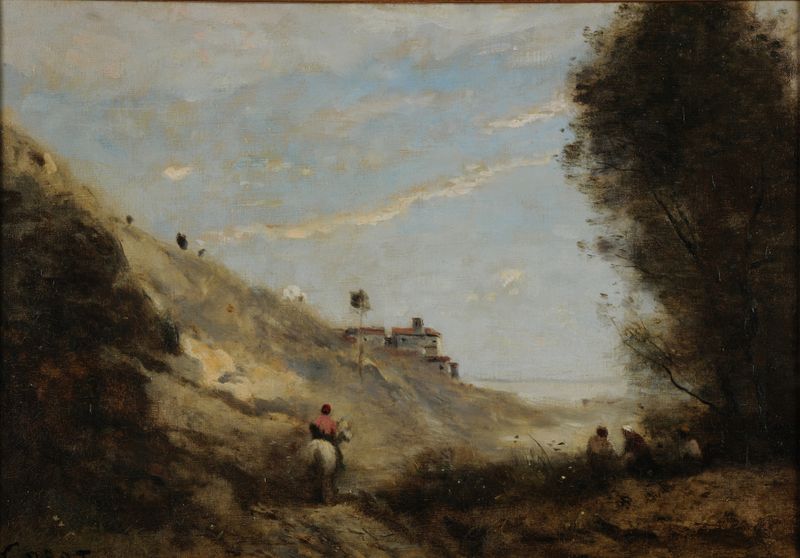
Le vallon au cavalier
Jean-Baptiste-Camille Corot





