Discover insights about this artwork
The Plaster Mill (La Moulin à plâtre) — History & Facts
In The Plaster Mill, Paul Cézanne presents a tranquil landscape filled with soft colors. The painting features a gentle interplay of greens and browns, depicting a serene mill surrounded by lush foliage. The sky is painted in soft blues and whites, suggesting a calm day.
The overall composition draws the viewer into a peaceful rural setting. Cézanne's technique is evident in the brushstrokes, which are both visible and textured. The use of color is masterful, with layers creating depth and dimension. The painting measures approximately 60 x 80 cm, making it a medium-sized canvas.
The composition balances natural elements, guiding the viewer's eye through the landscape. Paul Cézanne was a pivotal figure in the transition from 19th-century Impressionism to 20th-century Modernism. The Plaster Mill reflects his interest in form and structure, showcasing how he simplified shapes and emphasized their geometric qualities. An interesting fact about this work is that it captures a specific location in the south of France, highlighting Cézanne's connection to his native landscape.
More Artworks by Paul Cézanne
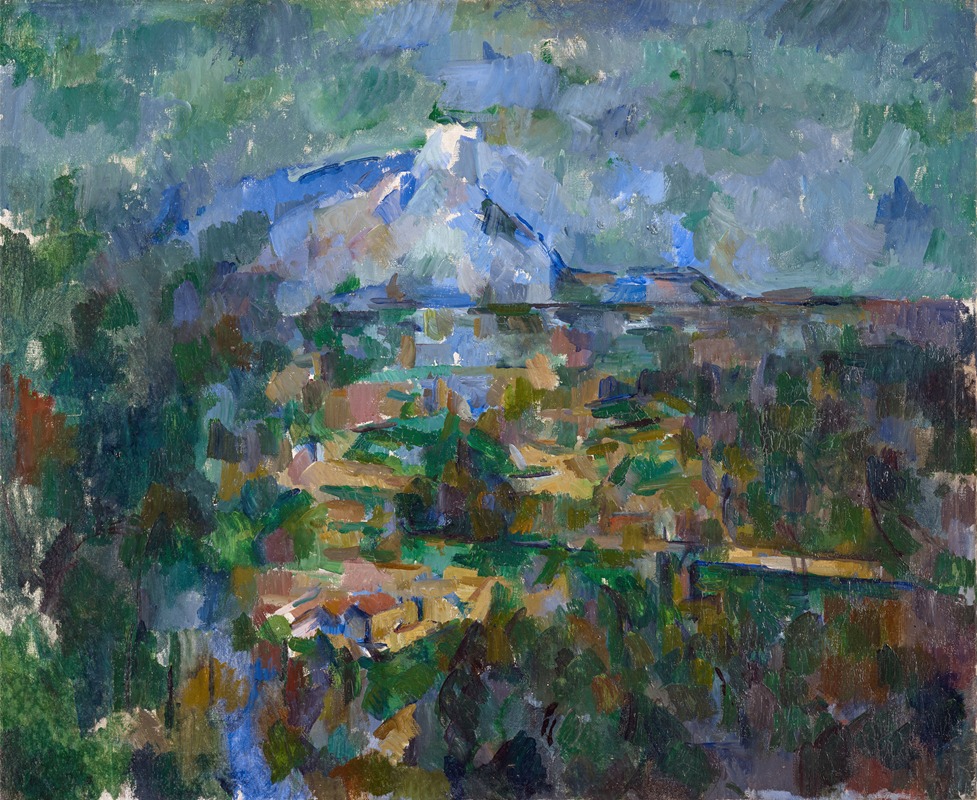
The Mont Sainte-Victoire Seen From Les Lauves
Paul Cézanne
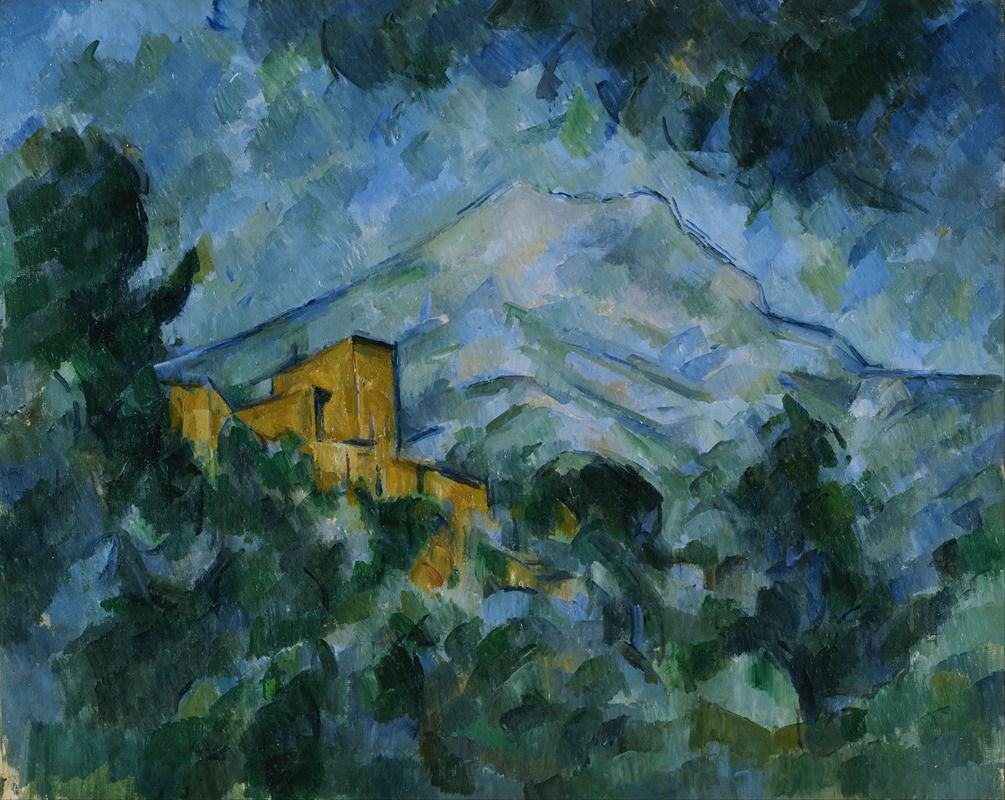
Mont Sainte-Victoire and Château Noir
Paul Cézanne
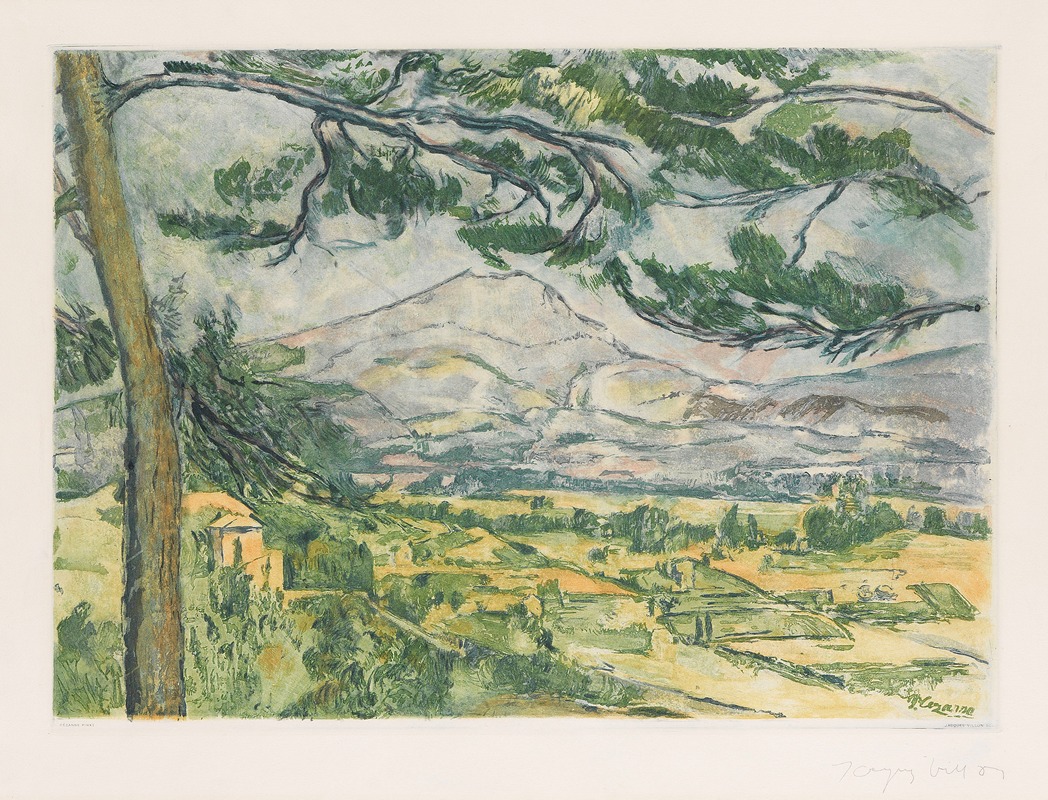
La Montagne Sainte-Victoire
Paul Cézanne
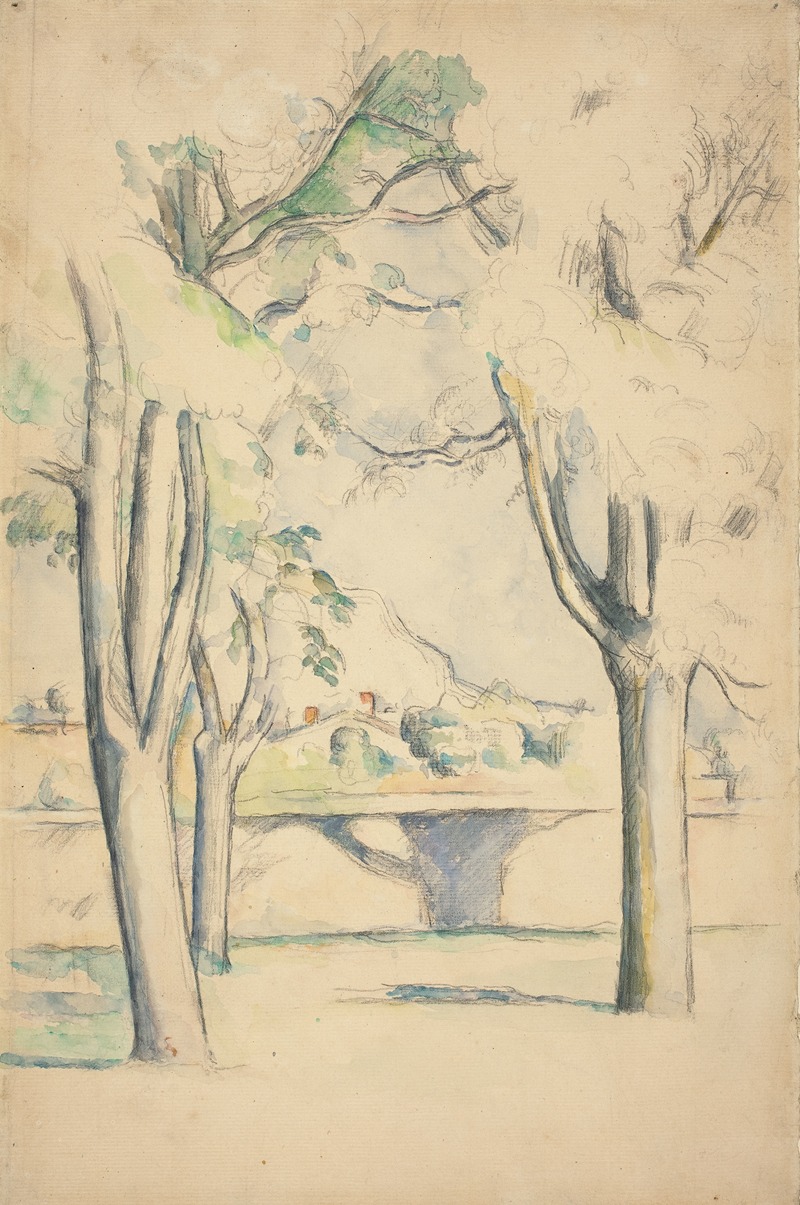
Mont Sainte-Victoire Seen beyond the Wall of the Jas de Bouffan
Paul Cézanne
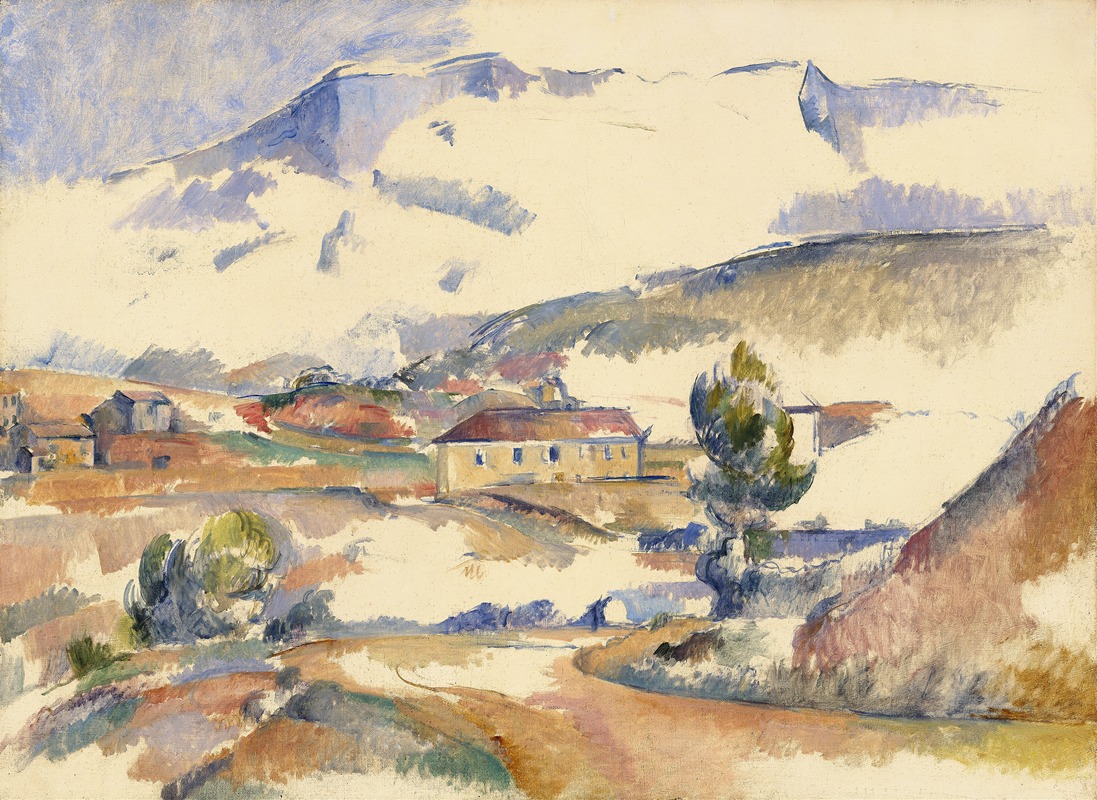
Montagne Sainte-Victoire,from near Gardanne
Paul Cézanne
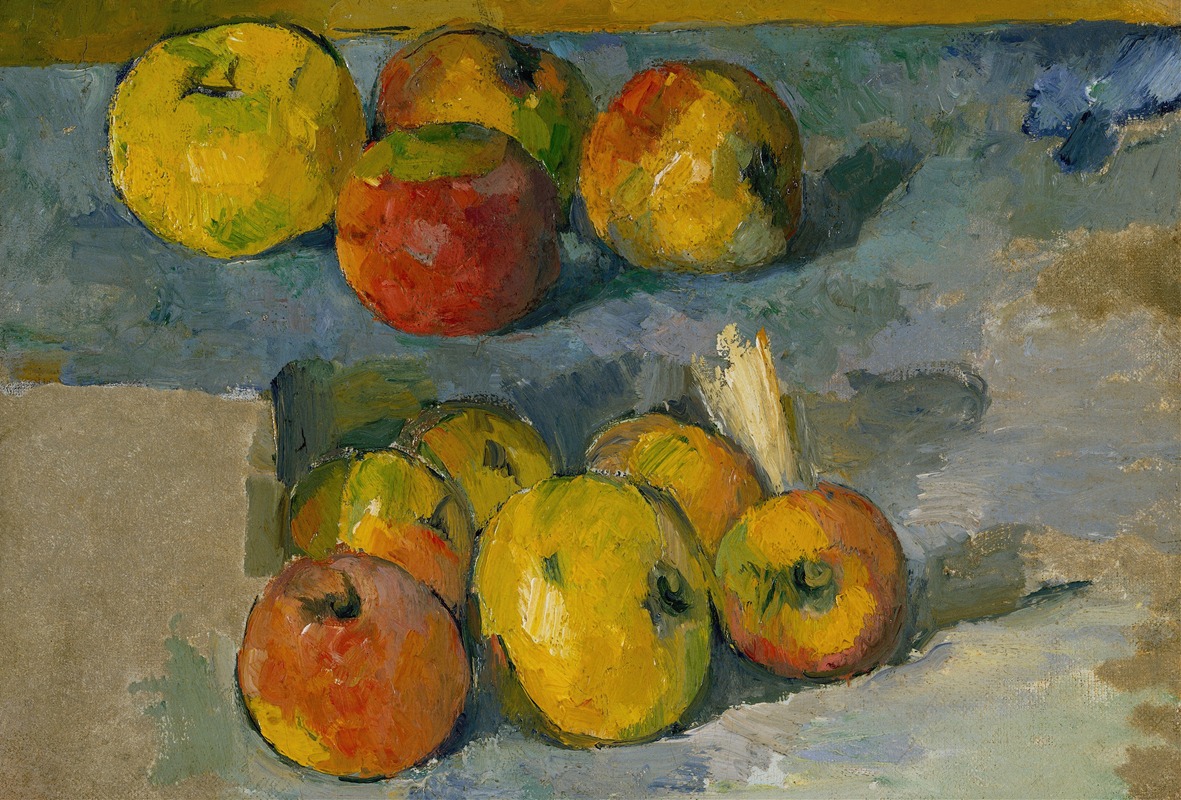
Apples
Paul Cézanne
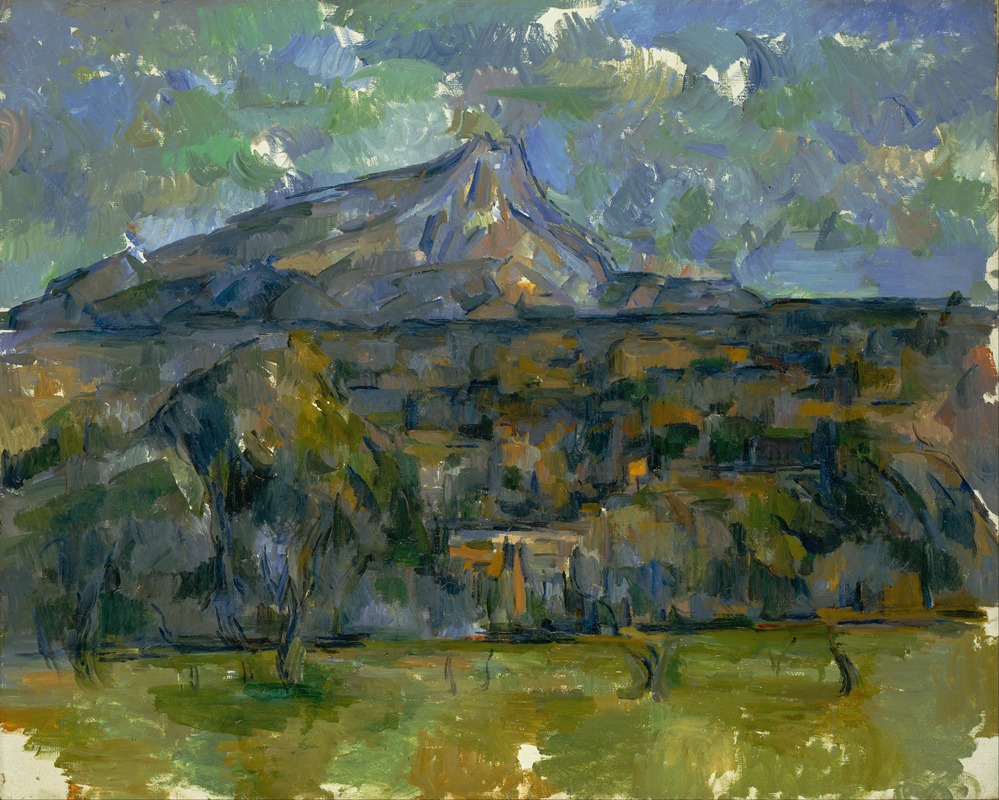
Mont Sainte-Victoire
Paul Cézanne
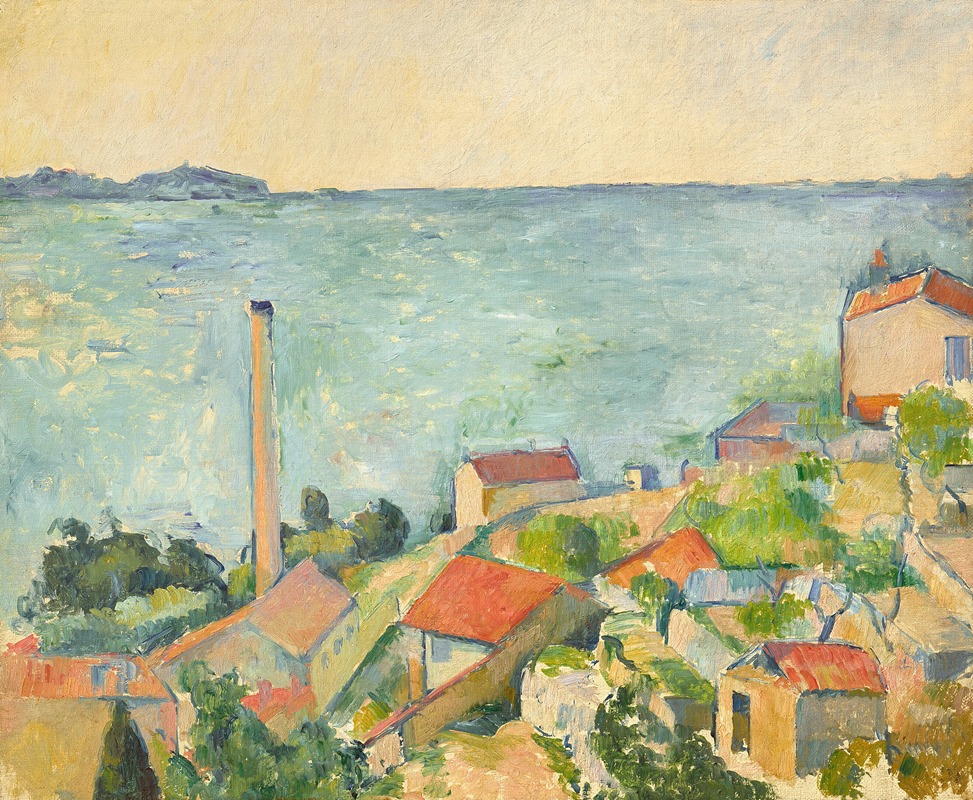
La mer à l’Estaque
Paul Cézanne
La Montagne Sainte-Victoire vue de la carrière Bibémus
Paul Cézanne
La Montagne Sainte-Victoire vue des Lauves
Paul Cézanne