
The Pont du Gard. — History & Facts
Who listens when art speaks of silence? In The Pont du Gard, a solitary bridge stands resolute, a monument to time’s relentless passage and the echoes of forgotten voices. Look closely at the structure's arches; they rise with a graceful yet melancholic strength, carved from warm ochres and muted grays. The soft light of dusk casts a gentle glow upon the stone, highlighting textures that tell a story of resilience and decay. Notice how shadows gather at the base, creating a stark contrast that emphasizes the bridge's grandeur, while the languid river beneath flows in serene opposition, as if mourning the history it has witnessed. Beneath this tranquil exterior lies a profound emotional tension.
The bridge, once a vital artery of movement and connection, now stands in solitude, echoing the feelings of loss and nostalgia. Each arch might symbolize the passage of time, inviting reflection on what once was—beauty and functionality intertwined, now resting in a moment of elegiac stillness. The blending of light and shadow emphasizes the fragile balance between permanence and transience, drawing viewers into a meditative state. In 1925, Pierre Vignal created The Pont du Gard during a period of artistic exploration, as traditional forms began to intersect with modern sensibilities.
Living in France, a nation grappling with the aftermath of World War I, Vignal sought to capture the enduring spirit of historical landmarks amidst a rapidly changing world. This painting serves as both homage and introspection, a reminder of what remains when the noise of life falls away.
More Artworks by Pierre Vignal
Browse all →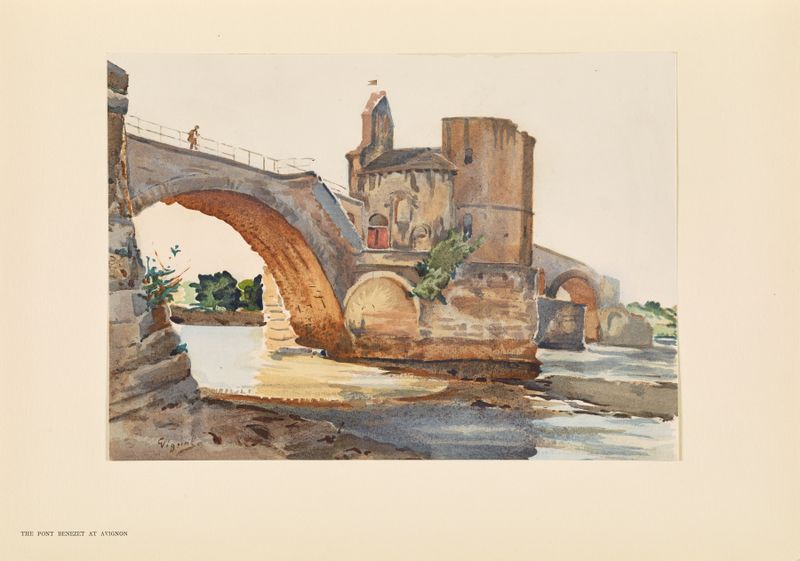
The Pont Saint-Bénézet, Avignon
Pierre Vignal
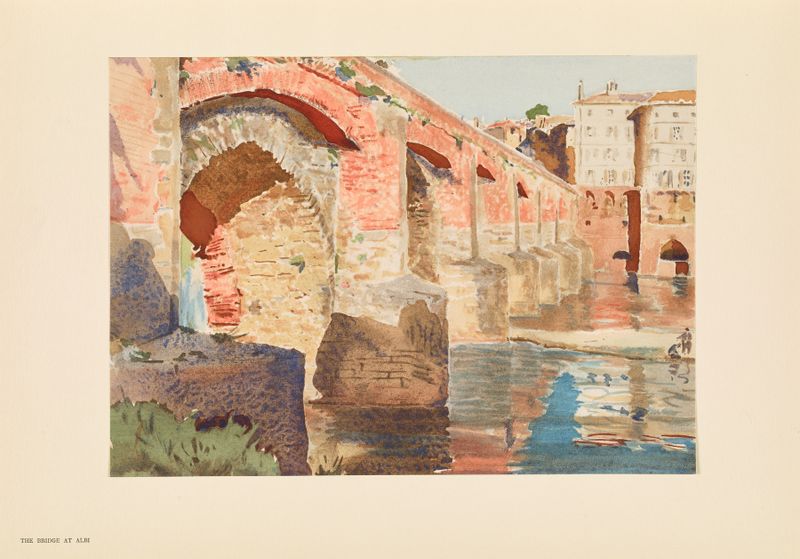
The bridge at Albi
Pierre Vignal

The bridge at Céret
Pierre Vignal
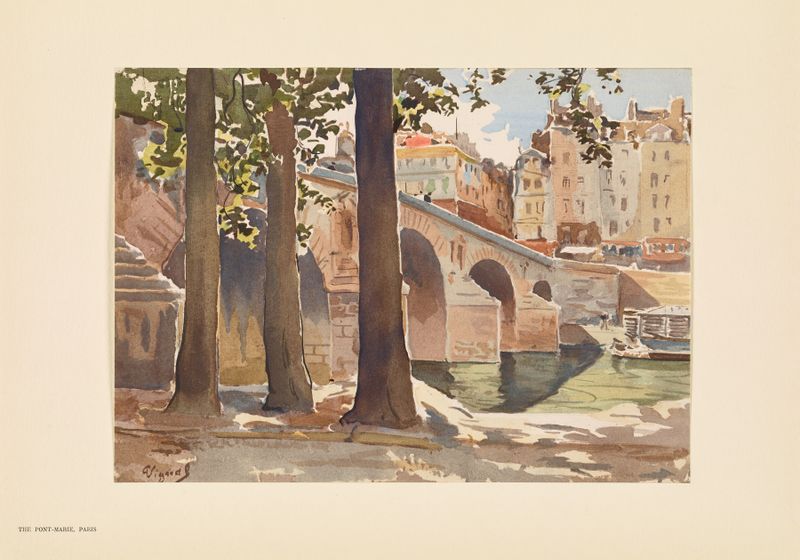
The Pont-Marie, Paris
Pierre Vignal
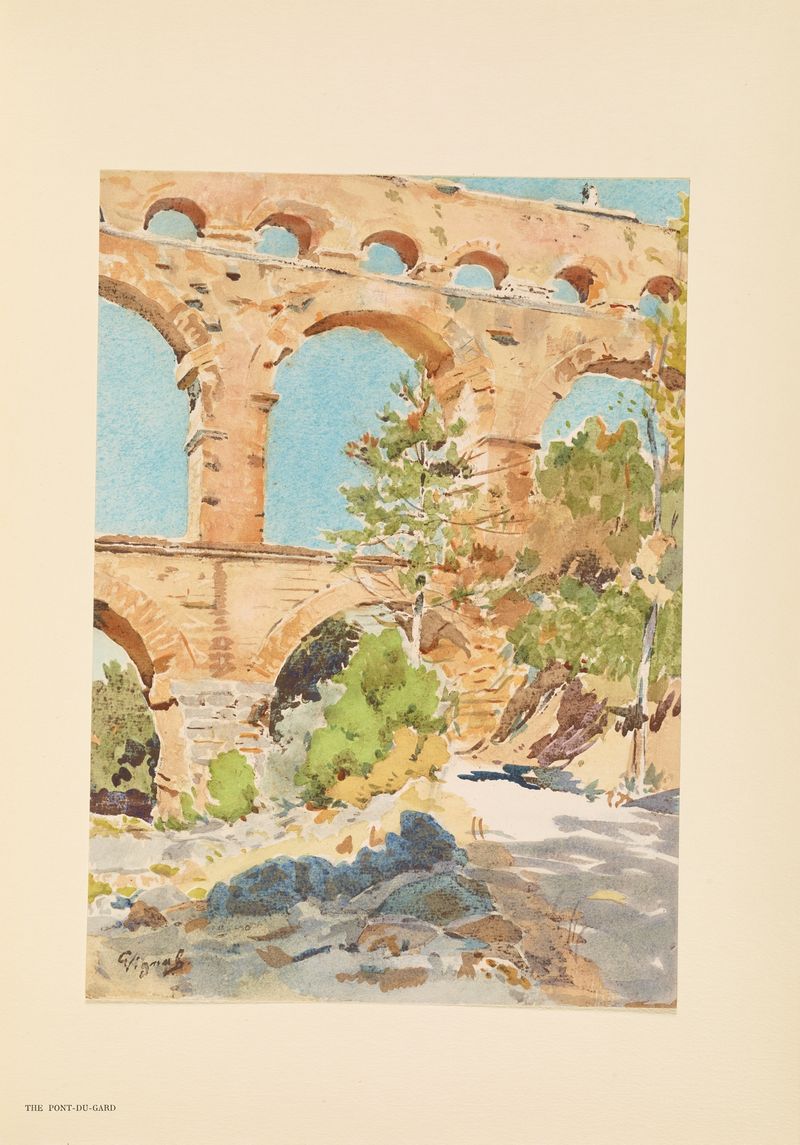
The Pont du Gard
Pierre Vignal
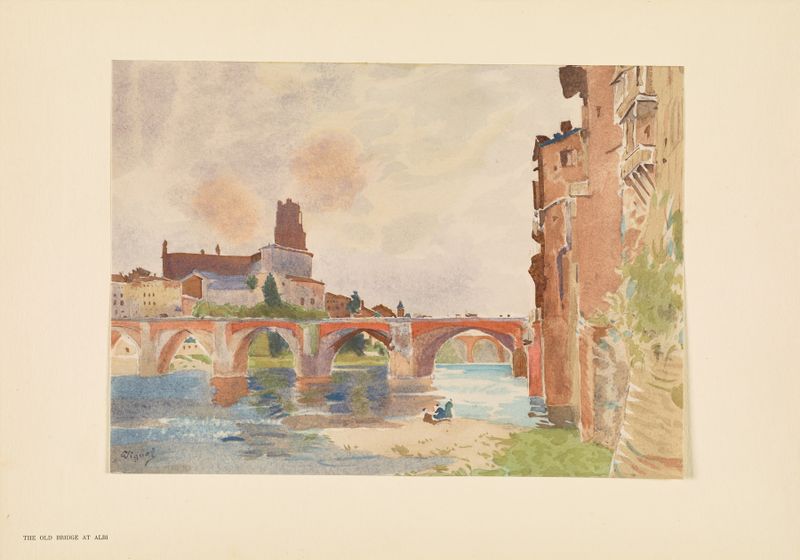
The old bridge at Albi
Pierre Vignal
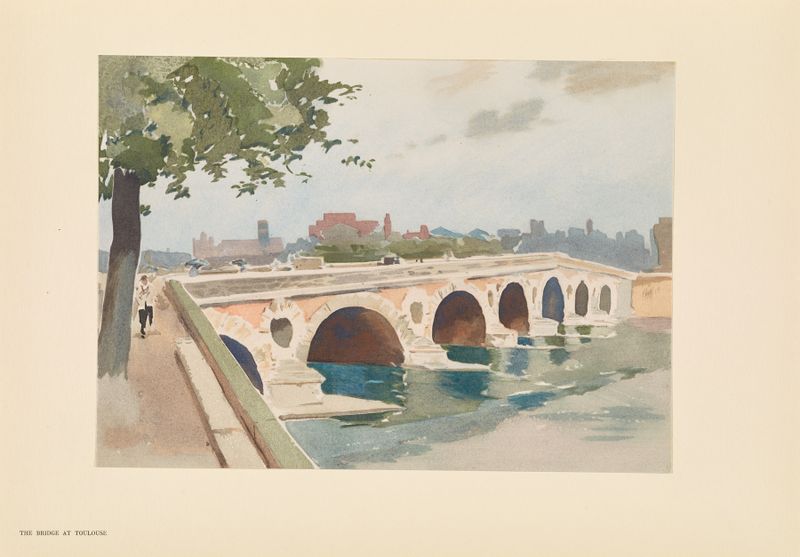
The bridge at Toulouse
Pierre Vignal

The bridge at Lavaur
Pierre Vignal
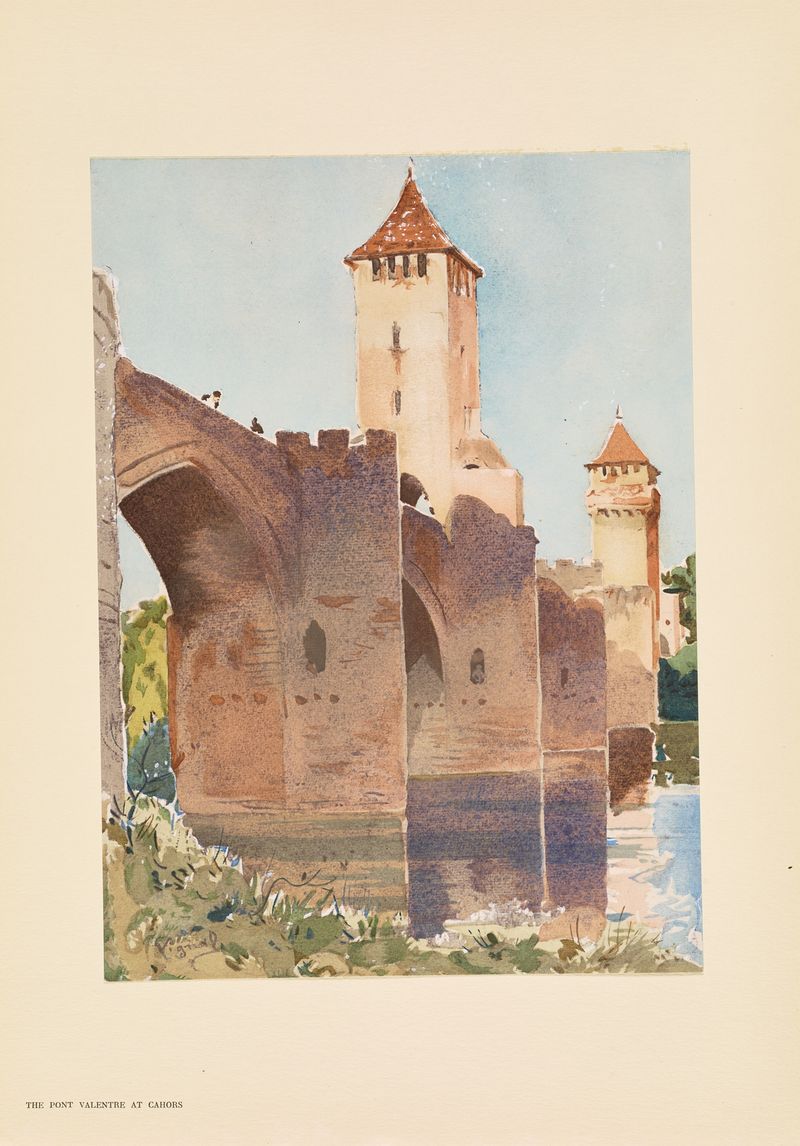
The Pont Valentré, Cahors
Pierre Vignal
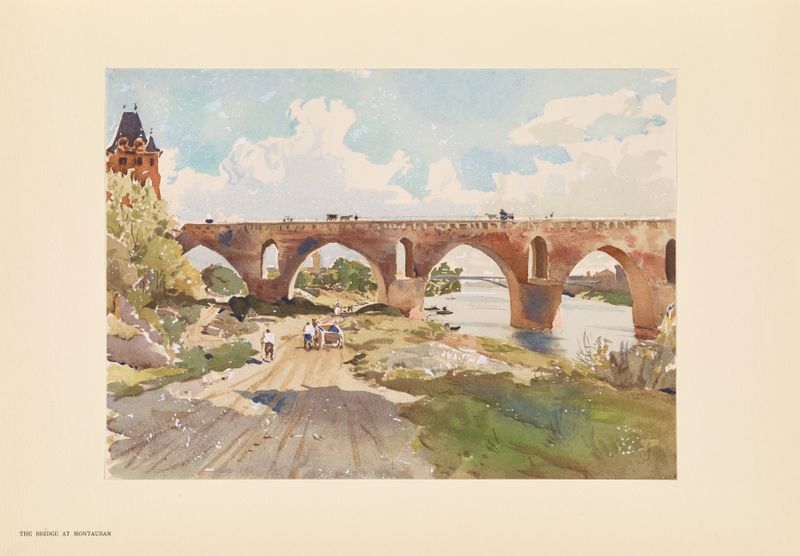
The bridge at Montauban
Pierre Vignal
More Architecture Art
Browse all →
The statue of Liberty
Frédéric Auguste Bartholdi

View of Houses in Delft, Known as ‘The Little Street’
Johannes Vermeer

View of Houses in Delft, Known as ‘The Little Street’
Johannes Vermeer

The Cathedral in Rouen. The portal, Grey Weather
Claude Monet

The yellow house
Vincent van Gogh

The Church in Auvers-sur-Oise, View from the Chevet
Vincent van Gogh