
The Prophets Hosea and Jonah — History & Facts
In The Prophets Hosea and Jonah, Raphael depicts two biblical figures, Hosea and Jonah, in a vibrant setting. The colors are rich and varied, with deep blues and warm earth tones dominating the scene. Each figure is portrayed with distinct expressions, conveying their unique narratives.
The background features architectural elements that suggest a divine setting, enhancing the religious theme. The painting is executed in oil on panel, showcasing Raphael's skill in blending colors and creating depth. The figures are rendered with careful attention to anatomy and drapery, typical of the Renaissance style. Viewers can observe the intricate details in the clothing and the expressions of the prophets.
The use of light and shadow adds a three-dimensional quality to the figures. Raphael, one of the leading artists of the Renaissance, created this work around 1510. It reflects his ability to combine classical themes with emotional depth. An interesting fact about this painting is that it was originally part of a larger composition that included other prophets, showcasing Raphael's interest in biblical narratives.
Today, it resides in the Museo del Prado, where it continues to attract visitors.
More Artworks by Raphael

Madonna of the Goldfinch
Raphael

Madonna with the Fish
Raphael
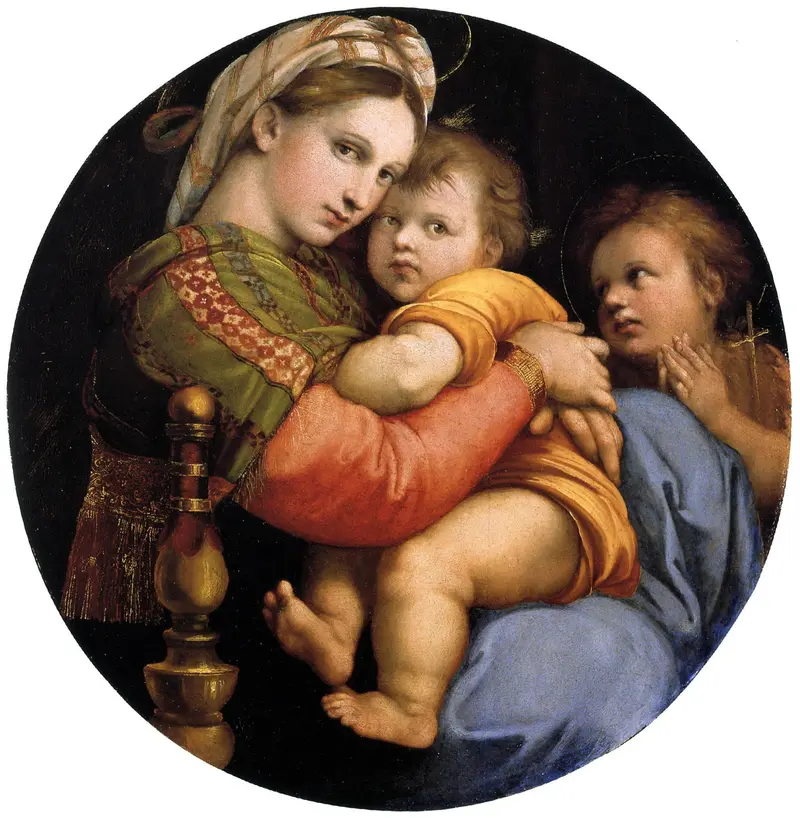
Madonna and Child (Madonna della Seggiola)
Raphael
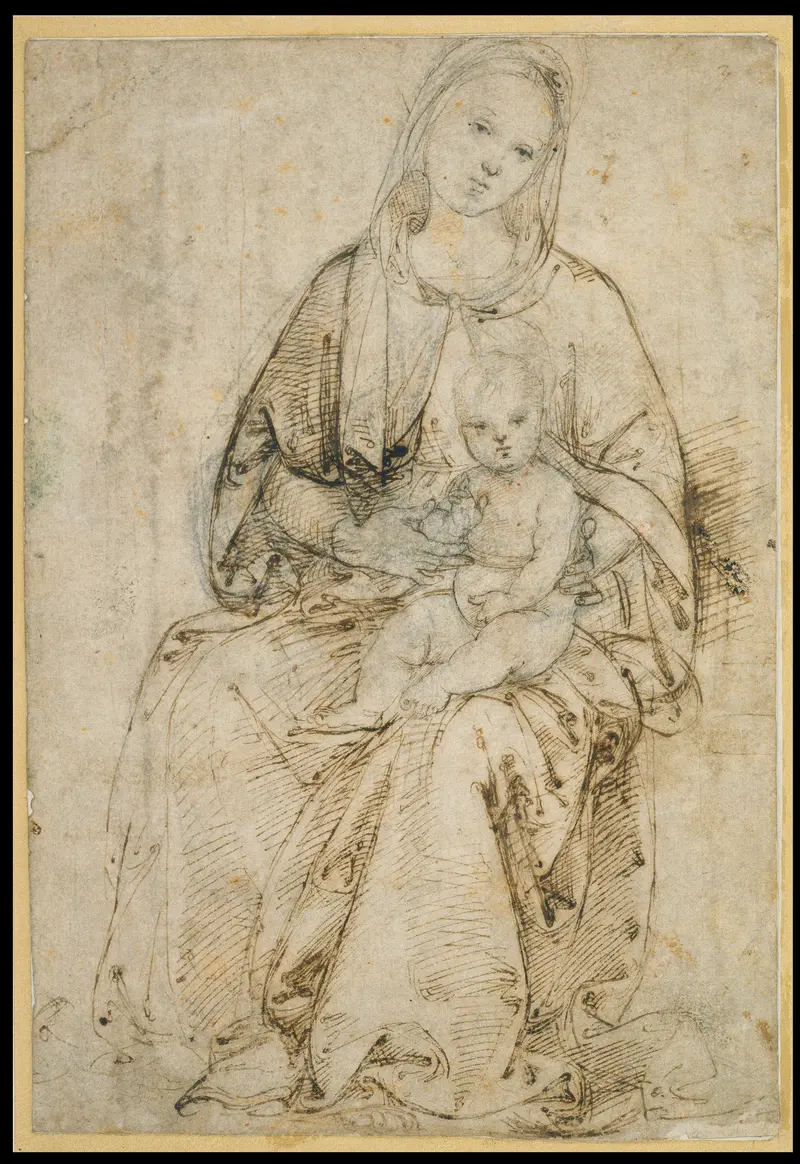
Seated Madonna and Child
Raphael
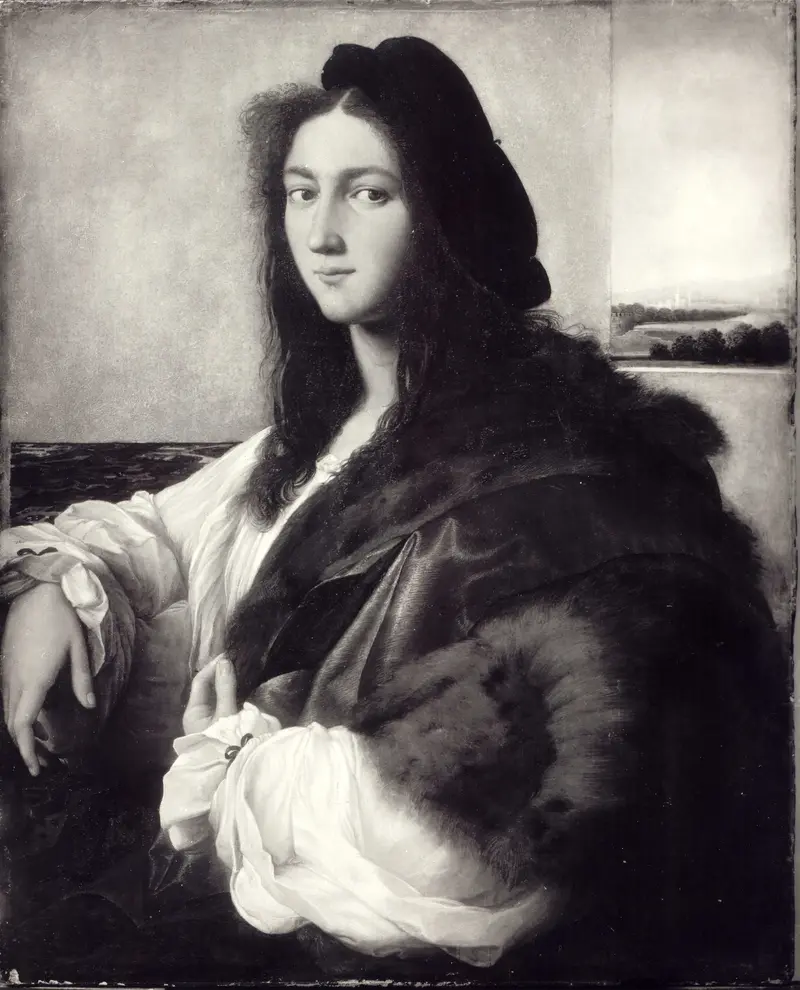
Portrait of a Young Man
Raphael
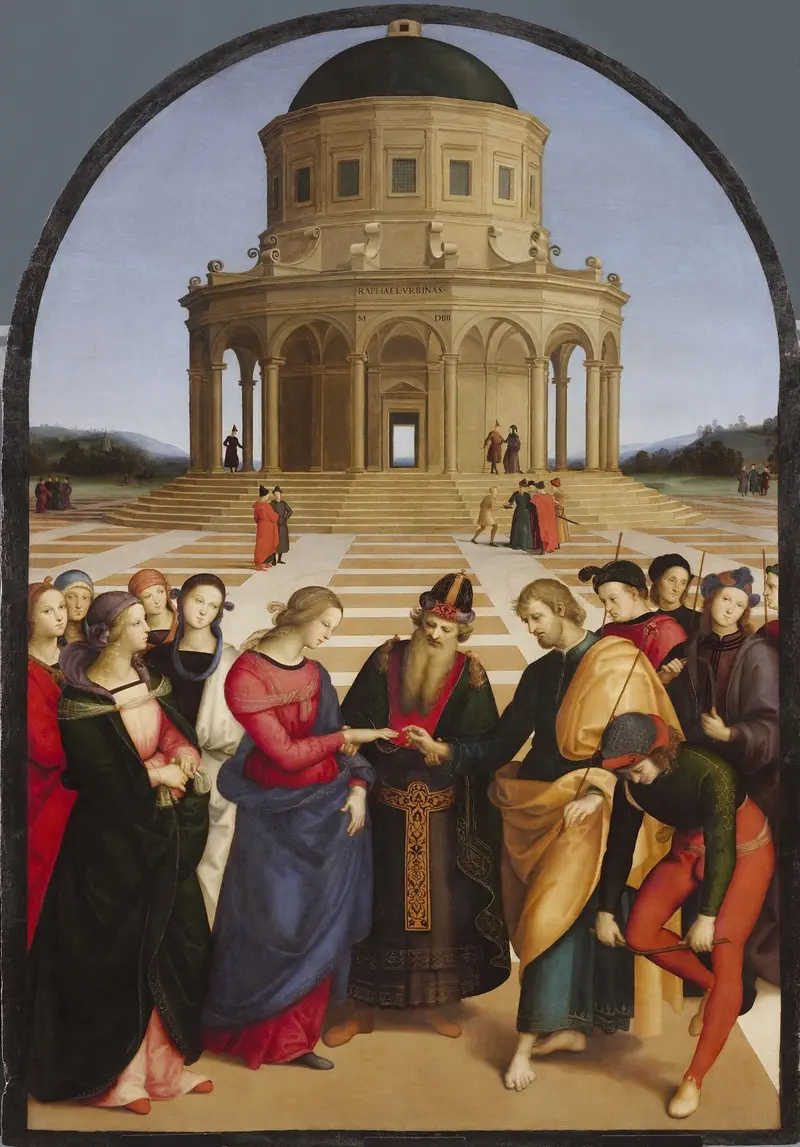
The Marriage of the Virgin
Raphael
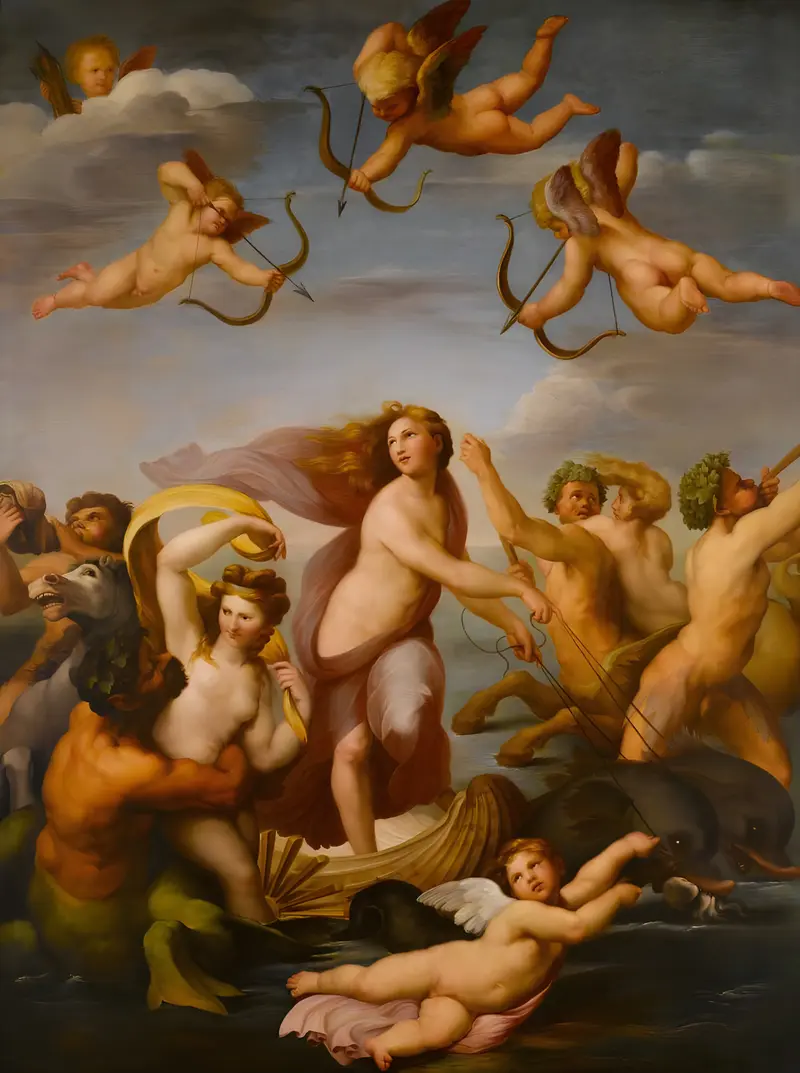
The Triumph of Galatea (copy after Raphael)
Raphael
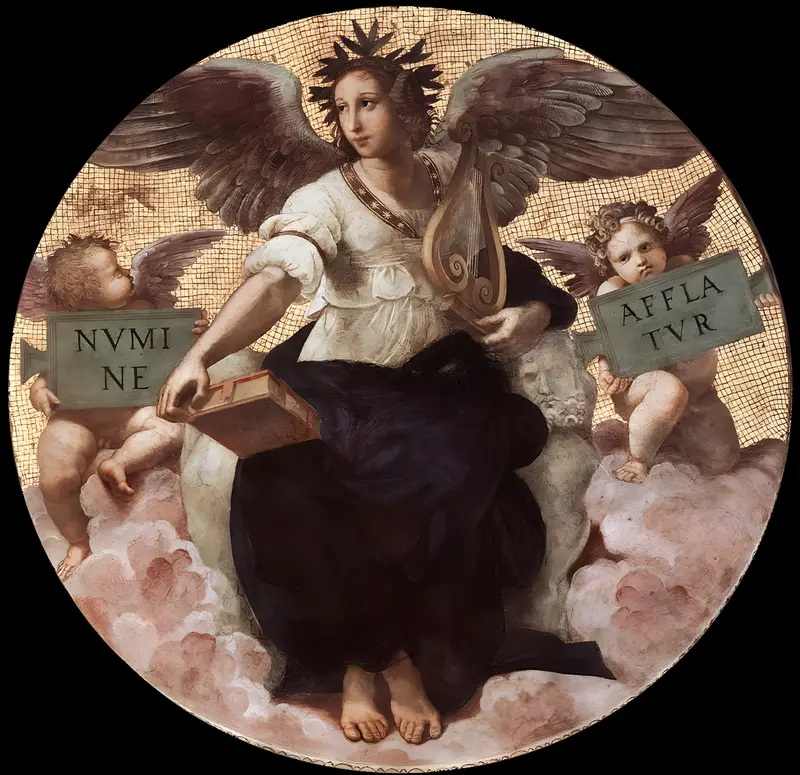
Poetry
Raphael
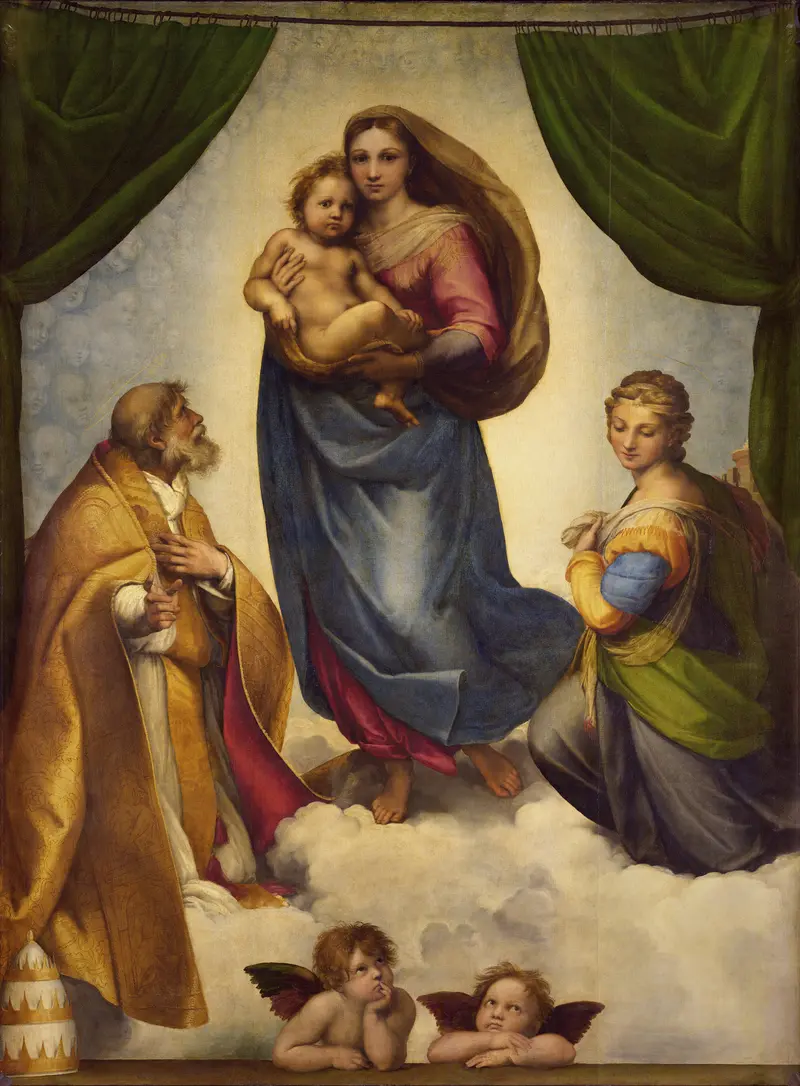
Sistine Madonna
Raphael
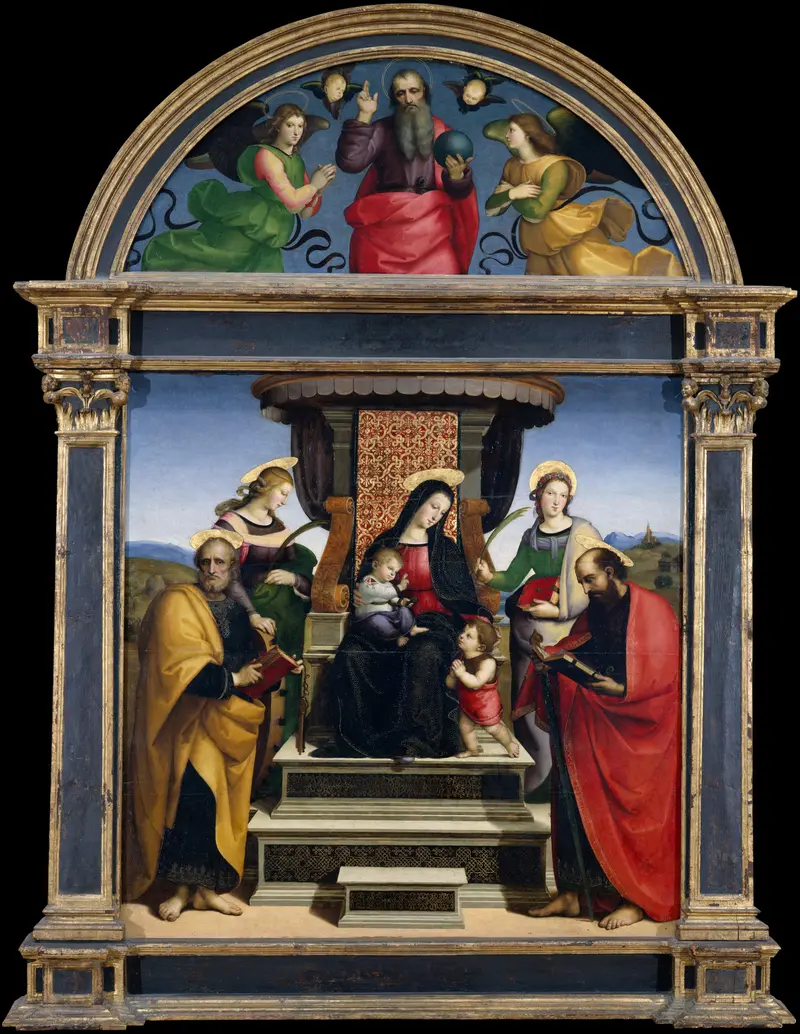
Madonna and Child Enthroned with Saints
Raphael




