
The Quarry of Chaise-Marie at Fontainebleau — History & Facts
Is this a mirror — or a memory? The Quarry of Chaise-Marie invites viewers to step into a dreamscape where nature and reflection blend seamlessly, illuminating the delicate dance between reality and imagination. Look to the center, where the still waters of the quarry reveal a serene reflection of the surrounding trees, their leafy branches cascading like soft whispers. Notice how the gentle brushstrokes evoke the textures of the landscape: the rich greens of the foliage juxtaposed with the earthy browns of the quarry walls. The play of light filtering through the trees creates a dappled effect, guiding your gaze across the canvas and enveloping you in a tranquil reverie. Yet beneath this calm lies an emotional tension, as the juxtaposition of light and shadow hints at impermanence.
The distant horizon, painted in softer hues, suggests a fleeting moment, a reminder that beauty is transient. The trees appear to cradle the water's edge, echoing themes of protection and vulnerability, while the stillness of the scene evokes a sense of introspection, urging the viewer to explore their own memories and dreams. In 1831, Jean-Baptiste-Camille Corot was immersed in the emerging Romantic movement, advocating for the beauty of nature against the backdrop of modernity. Painting in Fontainebleau, he captured the enchanting interplay of light and landscape, reflecting his own journey as an artist discovering the balance between realism and the ethereal.
This period marked a significant shift in his approach, as he sought to evoke emotion through the natural world, paving the way for future generations of landscape artists.
More Artworks by Jean-Baptiste-Camille Corot
Browse all →
View of Genoa
Jean-Baptiste-Camille Corot
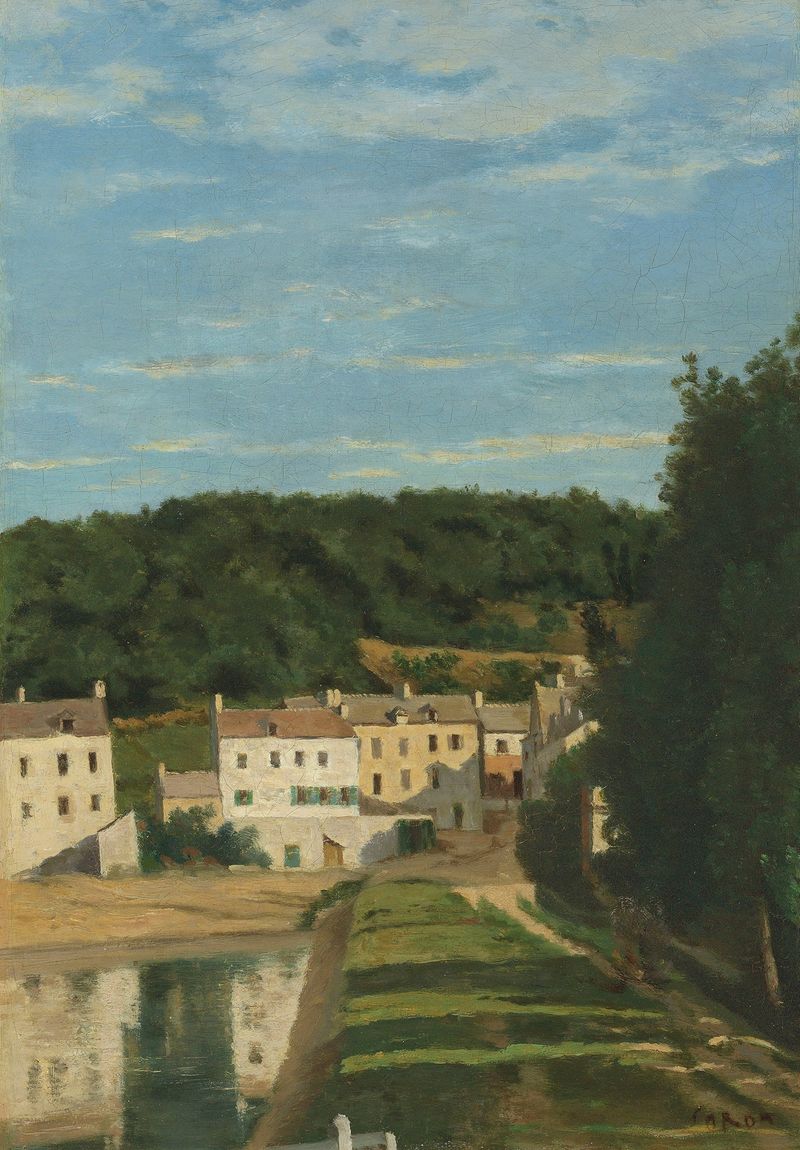
Les Maisons Cabassud À Ville D’avray
Jean-Baptiste-Camille Corot

La solitude. Souvenir de Vigen (Limousin)
Jean-Baptiste-Camille Corot
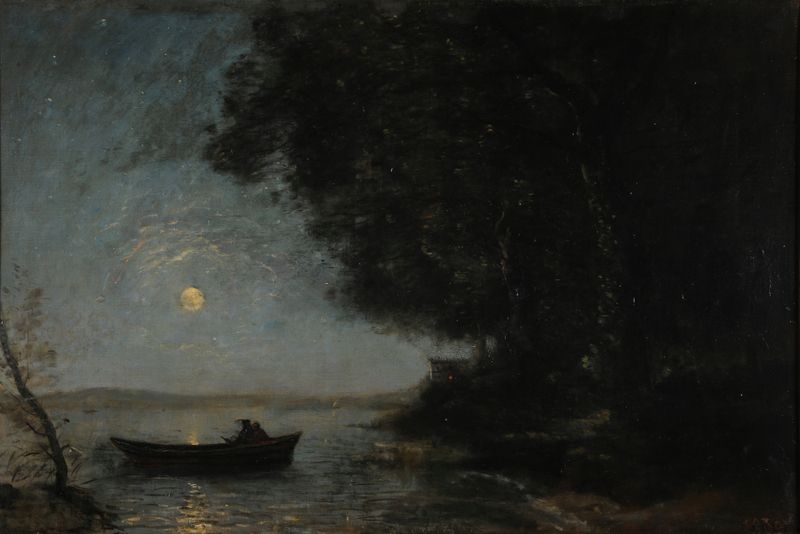
Le lac ; effet de nuit
Jean-Baptiste-Camille Corot
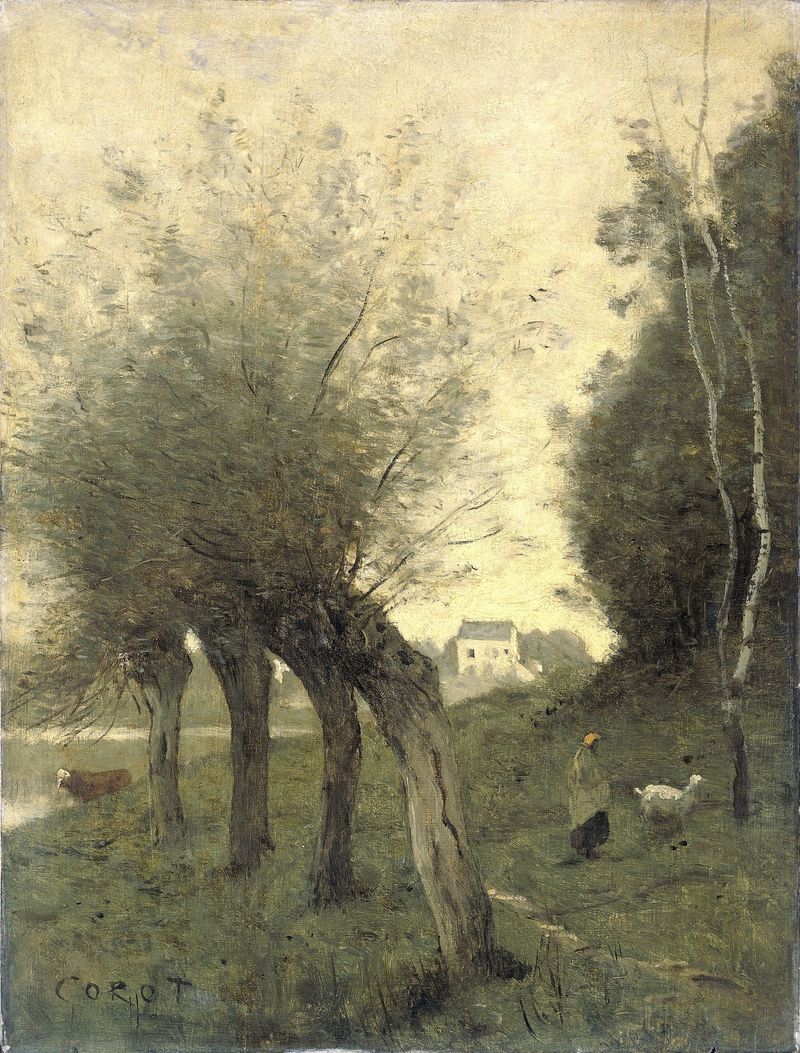
Landscape with Pollard Willows
Jean-Baptiste-Camille Corot
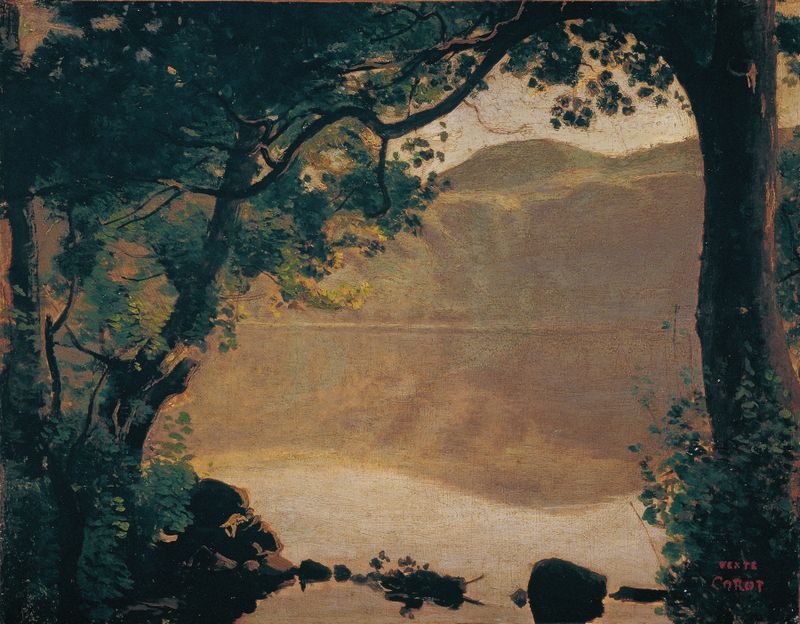
Der Nemisee
Jean-Baptiste-Camille Corot
Les Étangs De Ville D’avray
Jean-Baptiste-Camille Corot
Pond in the Woods
Jean-Baptiste-Camille Corot
Ville D’avray; L’abreuvoir Des Chevaux
Jean-Baptiste-Camille Corot
Le vallon au cavalier
Jean-Baptiste-Camille Corot





