
The Rainbow — History & Facts
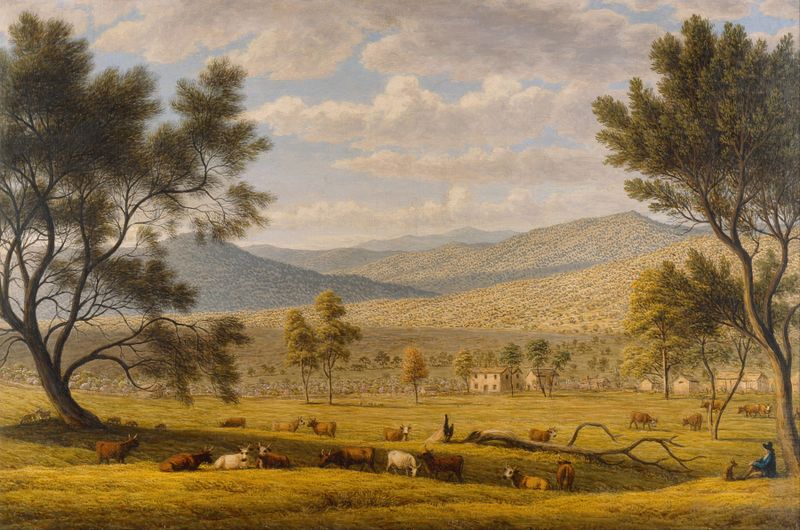
Can paint confess what words never could? In the delicate strokes of nature's palette, profound emotions whisper through every hue and shadow, inviting us to sense the awe that lies beyond mere sight. Look to the center of the canvas, where a vibrant arc of color captures the eye — the rainbow stands as a bridge between worlds. Notice how the artist skillfully employs rich greens and earthy browns to frame this ethereal phenomenon, drawing the viewer into a serene yet dynamic landscape. The soft brushwork creates an atmosphere of tranquility, while dappled light dances across the scene, illuminating the flora and influencing the mood — a harmonious interplay between nature's beauty and the transient essence of the moment. As we delve deeper, contrasts emerge within the scene.
The juxtaposition of the ephemeral rainbow against the steadfast mountains in the background evokes a sense of longing and hope, symbolizing the fleeting nature of happiness and inspiration. The tender brushstrokes of the foreground flora suggest growth and opportunity, while the ominous clouds hint at the storms of life. Together, these elements construct a dialogue that transcends time, prompting viewers to reflect on their own experiences of wonder and melancholy. In 1794, John Glover painted this work while residing in England, amidst a period of significant artistic exploration and the burgeoning Romantic movement.
His focus on the sublime beauty of the natural world was not only a personal expression but also part of a larger shift in art that emphasized emotional responses to nature. This backdrop of social and artistic evolution enriched his vision, allowing him to craft a masterpiece that resonates with the awe of existence itself.
More Artworks by John Glover
Browse all →
A view of the artist’s house and garden, in Mills Plains, Van Diemen’s Land
John Glover
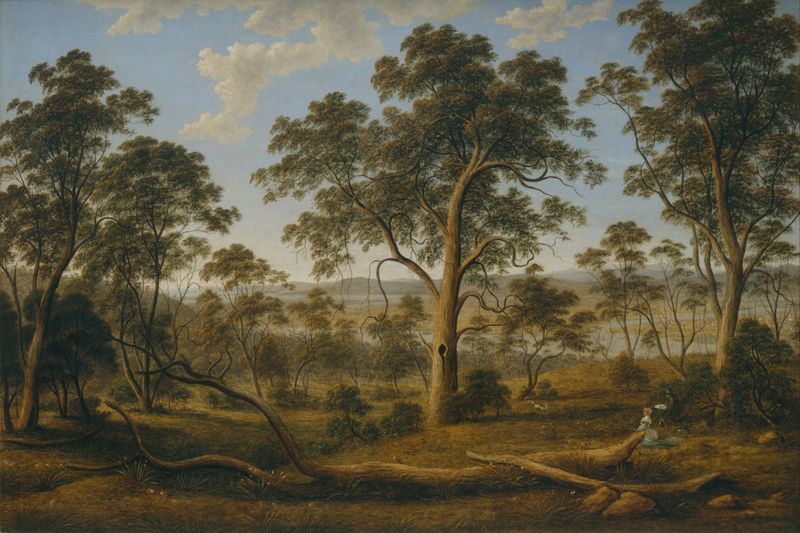
Launceston and the river Tamar
John Glover
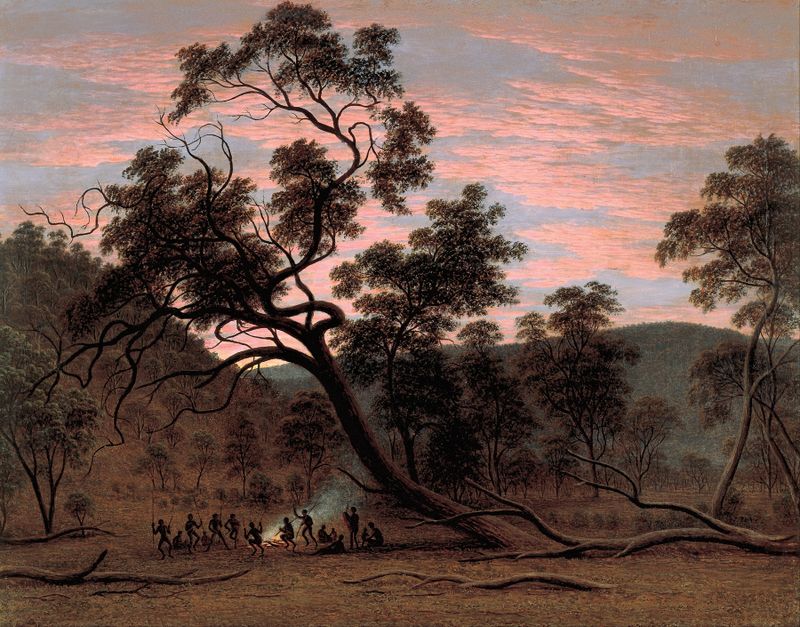
A corroboree of natives in Mills Plains
John Glover

Mount Wellington and Hobart Town from Kangaroo Point
John Glover

Mr Robinson’s house on the Derwent, Van Diemen’s Land
John Glover
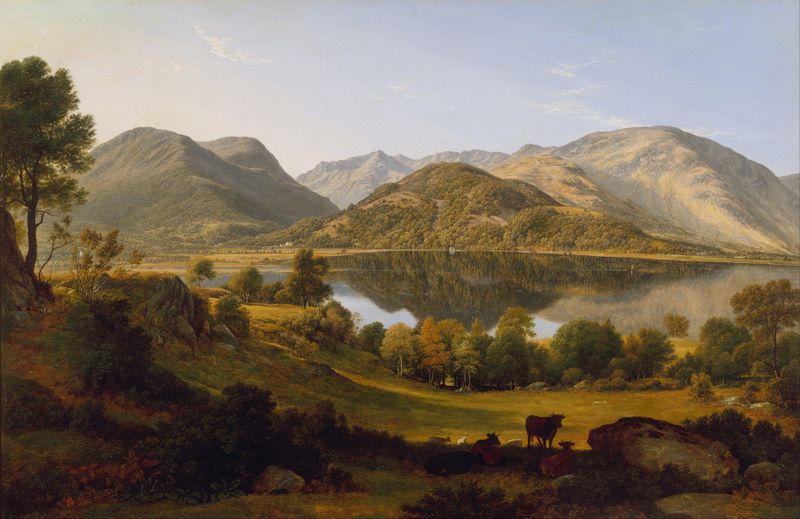
Ullswater, early morning
John Glover
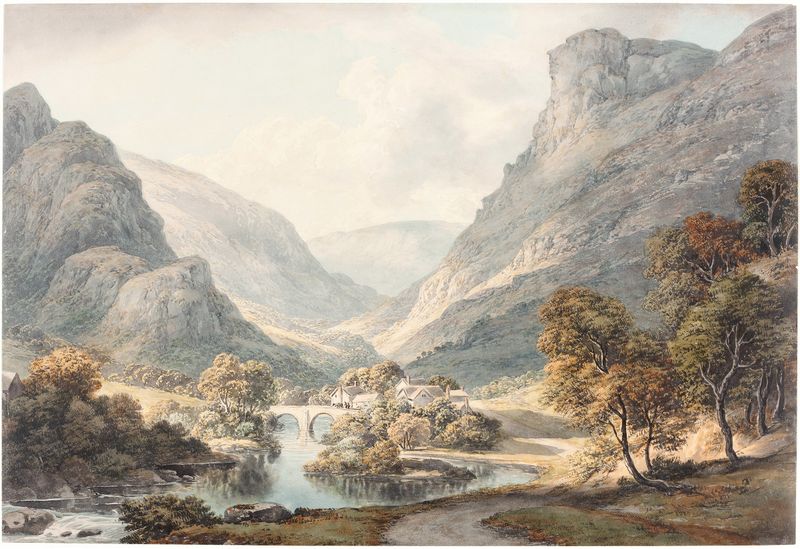
A View of Dovedale
John Glover

The bath of Diana, Van Diemen’s Land
John Glover

Landscape view in Cumberland
John Glover
Patterdale farm
John Glover





