
The Rainbow; Osterspai and Filsen — History & Facts
Did the painter know this moment would outlive them? The delicate arcs of color stretching across the sky whisper of destiny, inviting contemplation on the fleeting beauty that defines existence. Look to the left at the vibrant, swirling clouds, where shades of orange and pink collide with the deepening blue of twilight. Notice how the radiant light streams through the ethereal mist, illuminating the landscape below. The composition draws your gaze to the horizon where two towns peek shyly out from the embrace of nature, their features softened and almost dreamlike under the rainbow's ethereal glow.
This interplay of light and color reveals a masterful command of watercolor techniques, blending hues with a fluidity that seems to capture the very essence of movement and change. The painting captures a poignant contradiction between the transient and the eternal. The rainbow—a universal symbol of hope and promise—arcs gracefully over the tumultuous sky, suggesting both the beauty of nature and the unpredictability of fate. The towns, Osterspai and Filsen, appear to thrive in the shadow of this celestial phenomenon, representing humanity's struggle against the vastness of the cosmos and the inescapable passage of time.
It's a reminder that while moments are fleeting, their impacts can echo through time. At the time of creating this work in 1817, the artist was deeply engaged in exploring the effects of light on landscapes. Living in England, the Romantic movement was at its height, influencing his approach to capturing emotion through the natural world. The artist’s own life was marked by personal struggles, yet it was during this period of turmoil that he produced some of his most evocative pieces, honing his unique style that would leave a lasting imprint on the art world.
More Artworks by Joseph Mallord William Turner
Browse all →
Dort or Dordrecht- The Dort Packet-Boat from Rotterdam Becalmed
Joseph Mallord William Turner
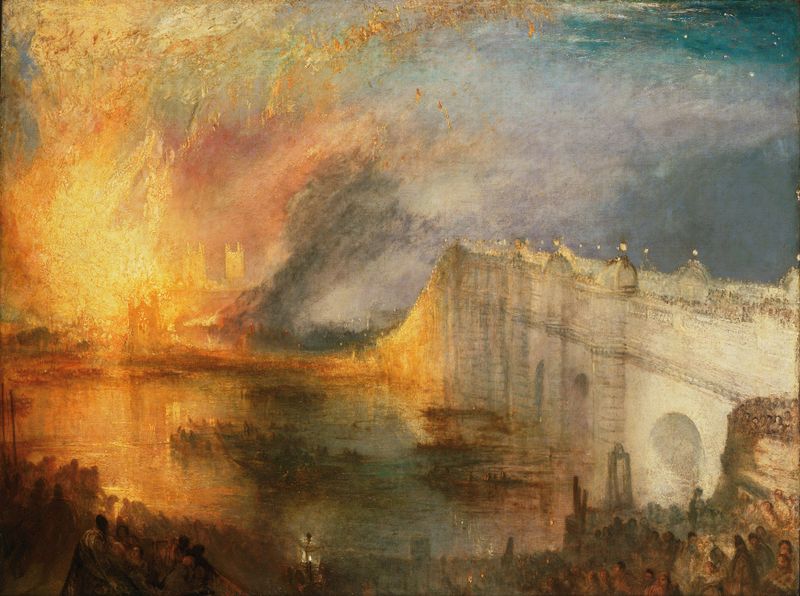
The Burning of the Houses of Lords and Commons, October 16, 1834
Joseph Mallord William Turner
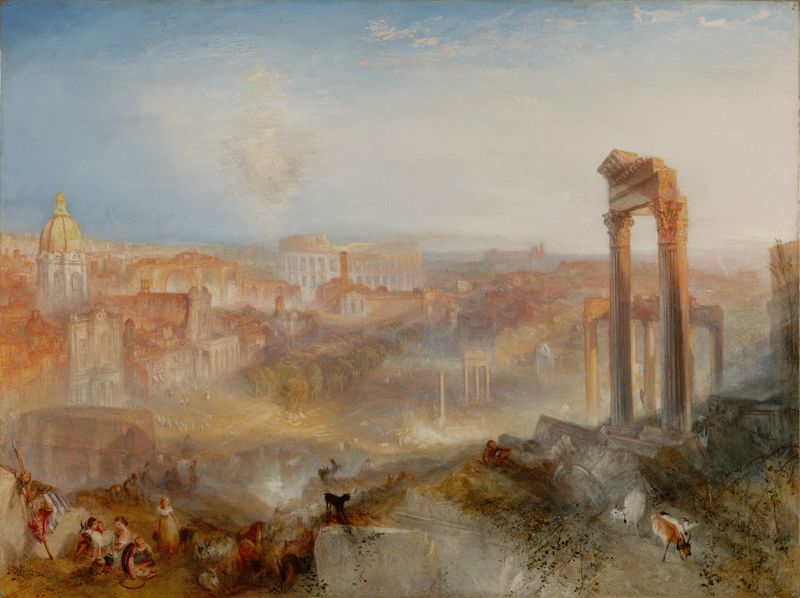
Modern Rome – Campo Vaccino
Joseph Mallord William Turner
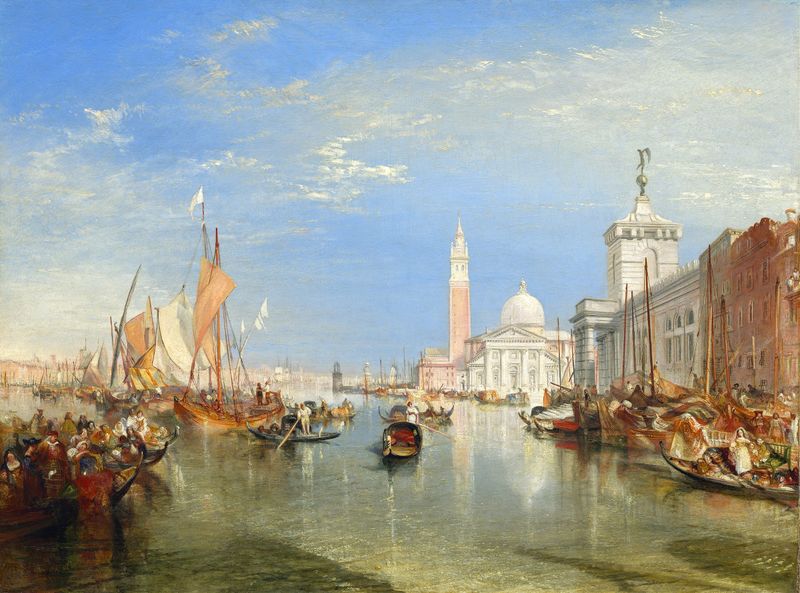
Venice – The Dogana and San Giorgio Maggiore
Joseph Mallord William Turner

The Burning of the Houses of Lords and Commons, 16 October 1834
Joseph Mallord William Turner
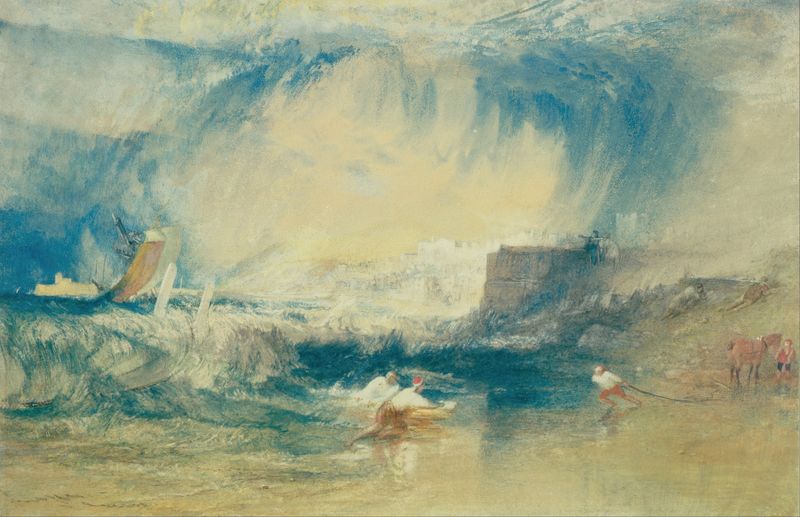
Lyme Regis, Dorsetshire, England
Joseph Mallord William Turner
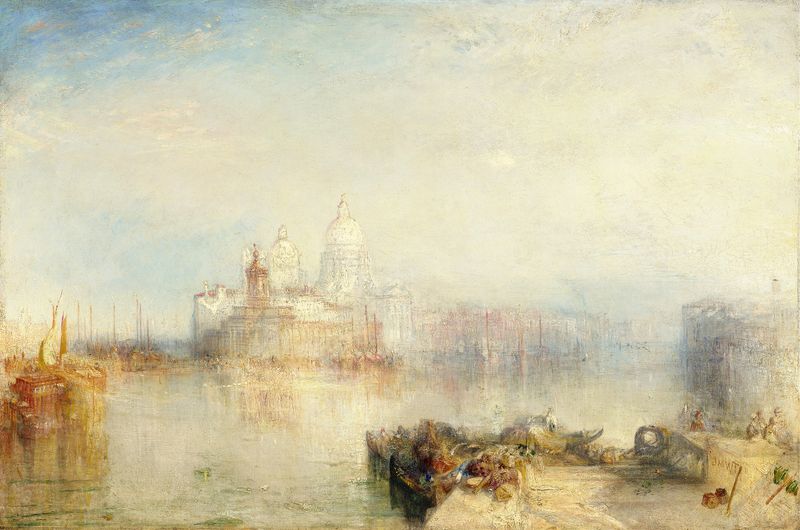
The Dogana and Santa Maria della Salute, Venice
Joseph Mallord William Turner
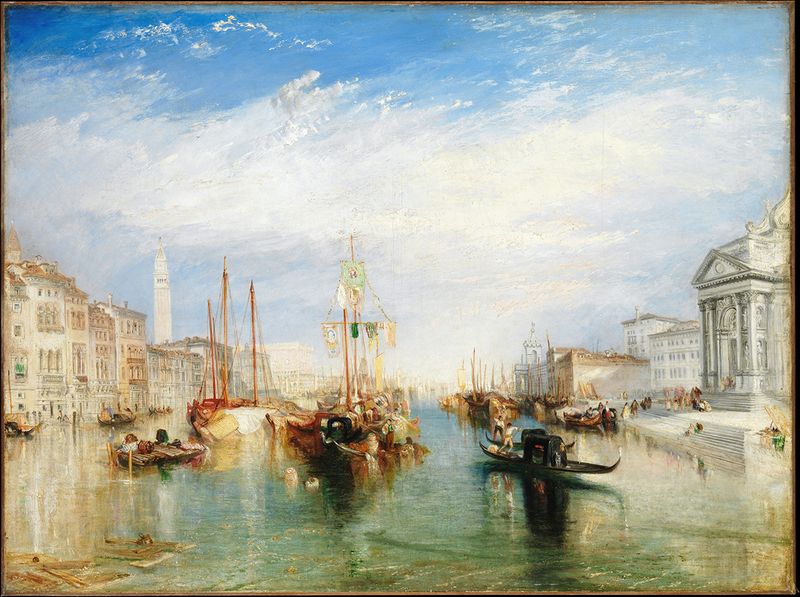
Venice, from the Porch of Madonna della Salute
Joseph Mallord William Turner
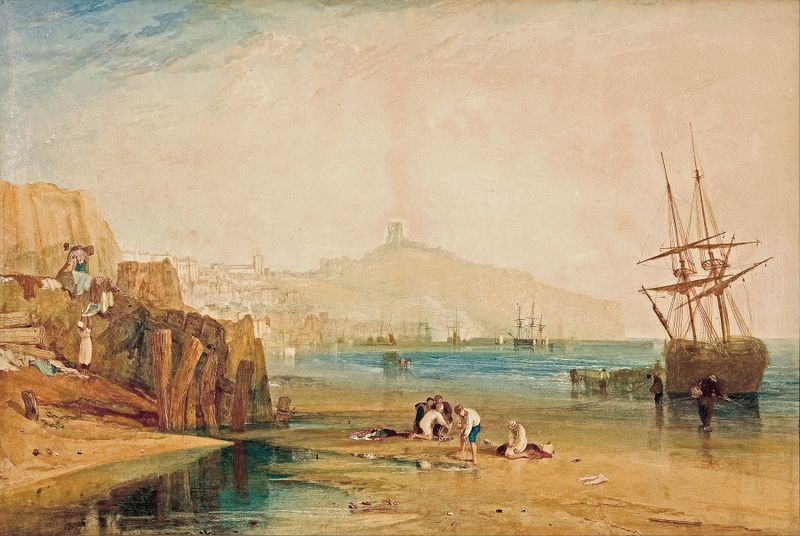
Scarborough town and castle; morning; boys catching crabs
Joseph Mallord William Turner
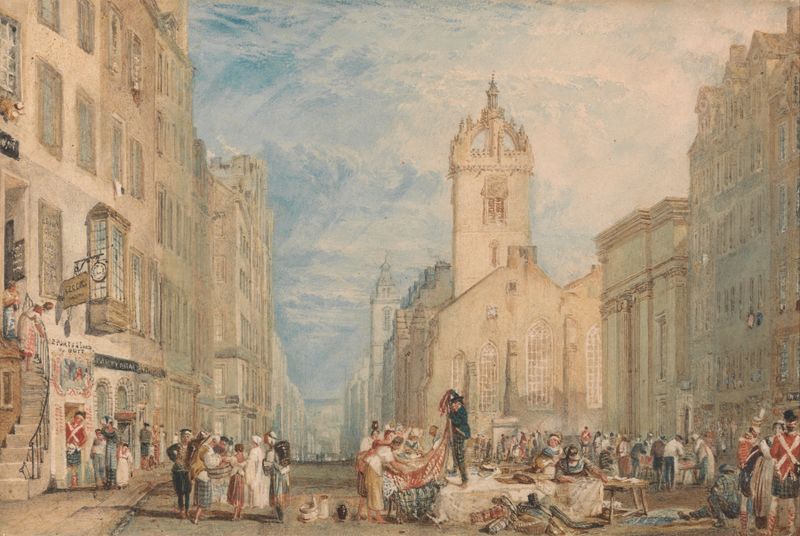
High Street, Edinburgh
Joseph Mallord William Turner





