
The Ravine in June — History & Facts
Who listens when art speaks of silence? In the soft embrace of light and shadow, destiny lingers in the stillness of a ravine, whispering secrets that only those attuned to the quiet can hear. Look closely at the harmonious interplay of colors in the foreground; the muted greens and browns draw you into the lush foliage, inviting your gaze deeper into the scene. Notice how the sunlight filters through the trees, dappling the ground with spots of warmth that contrast with the cooler, darker hues of the shaded areas. The delicate brushwork creates a gentle texture that captures the essence of the landscape, inviting a reflective pause in this intimate moment. As you explore further, consider the hidden layers of meaning beneath the surface beauty.
The ravine embodies a dichotomy of light and dark, often symbolizing the journey of life itself—where paths diverge and choices unfold, shaping destiny. The tranquility of the scene stands in stark relief to the tumultuous world outside, evoking a sense of yearning for introspection amid chaos. Each element, from the winding path to the towering trees, suggests a journey that is both personal and universal. Auguste Louis Lepère created this work during a transformative period in the art world, between 1870 and 1918, primarily in France.
As an advocate of Impressionism, he sought to capture the ephemeral beauty of nature, reflecting the changes in society and the landscape. The ravine, a motif of solitude and introspection, resonates deeply with the artistic currents of his time, which often sought to explore the relationship between humanity and the natural world.
More Artworks by Auguste Louis Lepère
Browse all →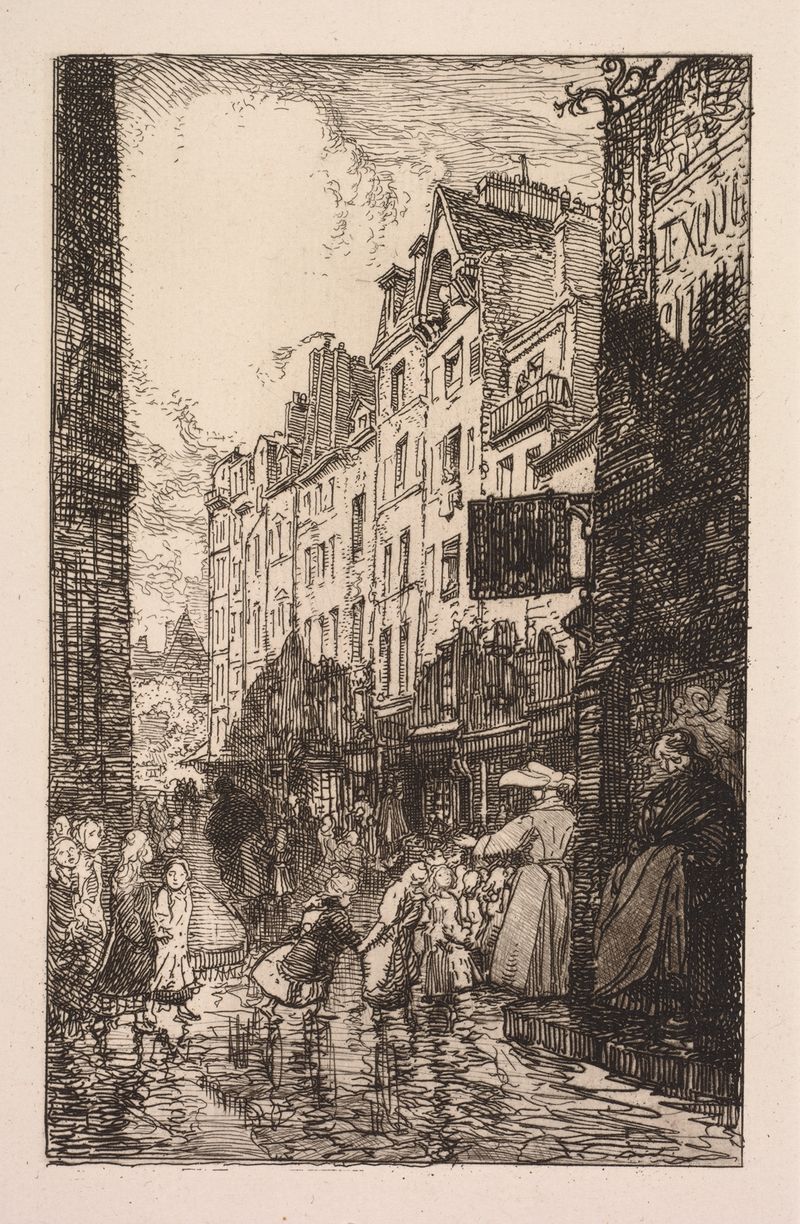
La Rue des Prêtres Saint-Séverin
Auguste Louis Lepère
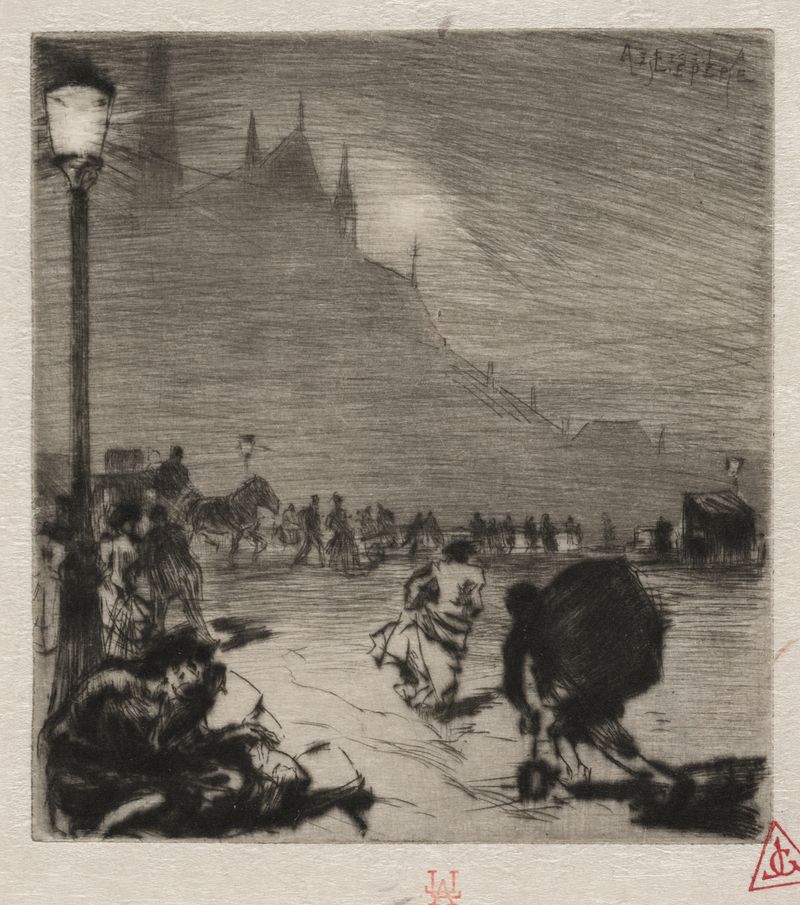
Au Coin du Pont-aux-Doubles
Auguste Louis Lepère
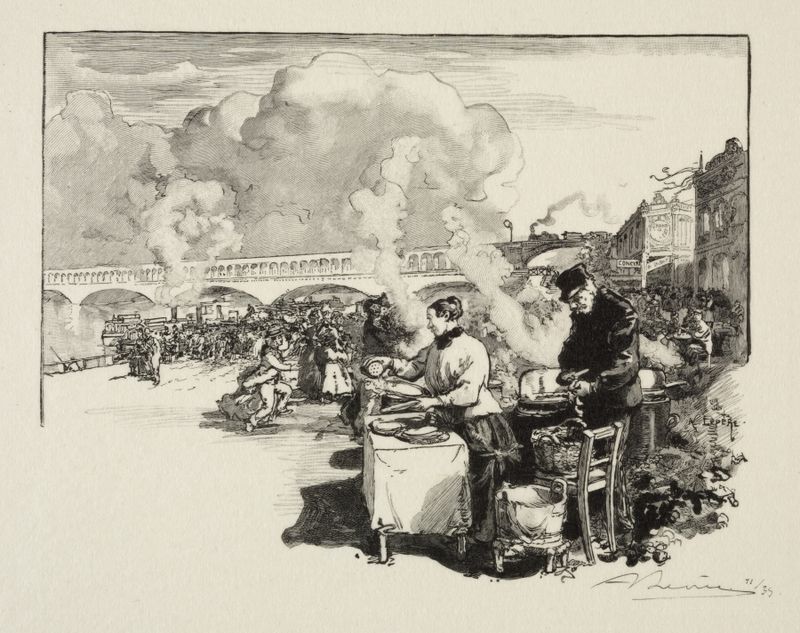
Debarcadère des bateaux-omnibus
Auguste Louis Lepère

La Seine, au quai de la Rapée
Auguste Louis Lepère
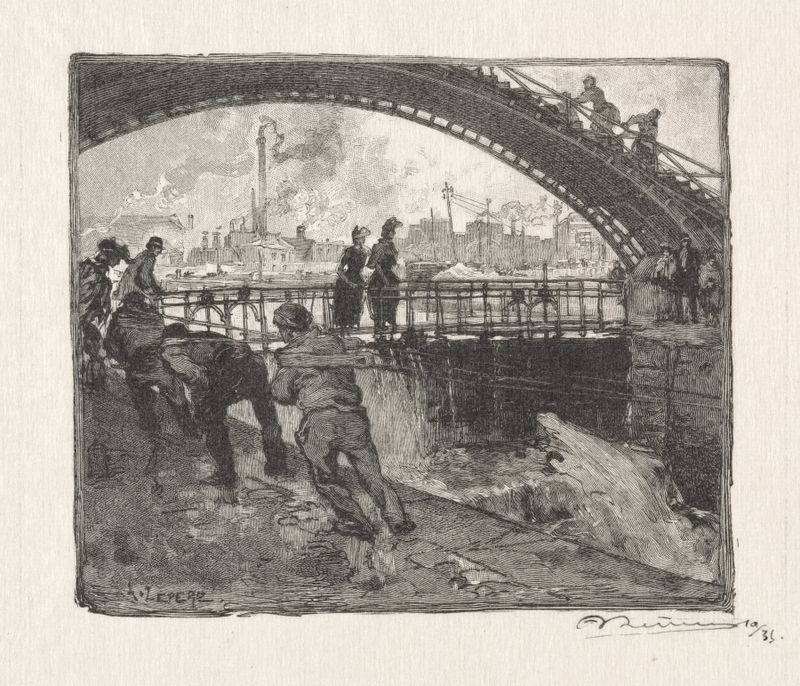
L’Ecluse du Canal St. Martin
Auguste Louis Lepère

Le Boulevard Montmartre, le Soir
Auguste Louis Lepère

Une Chasse au Mont Gérard
Auguste Louis Lepère
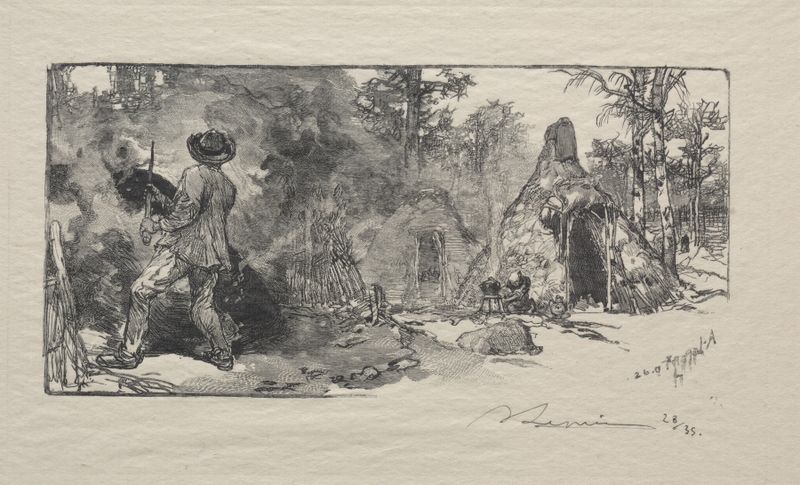
Les Charbonniere
Auguste Louis Lepère
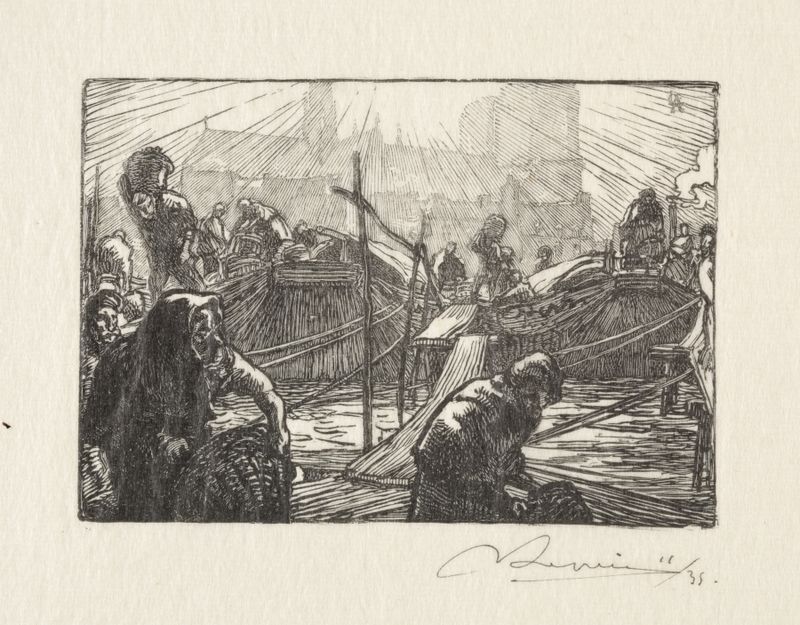
Notre Dame vue du Marché aux pommes
Auguste Louis Lepère

Le Palais des Arts Liberaux, Intèrieur
Auguste Louis Lepère





