The Red Tower in Halle — History & Facts
A city seems to tilt and surge under stormy clouds, its heart marked by a tower that glows with an almost volcanic red. The roads twist around it, rendered in the same fiery hue, guiding the viewer’s eye through a landscape that feels both familiar and feverish. The buildings lean at impossible angles, their facades fractured into icy blues and shadowy blacks, as if the town itself is caught in a moment of upheaval.
The brushwork is urgent, the forms exaggerated, every line and color chosen to heighten the sense of tension and movement. This is not a calm cityscape but a vision charged with the anxieties and energies of its time. Painted in 1915, The Red Tower in Halle belongs to the world of Expressionism, a movement that swept through Germany in the early twentieth century, seeking to capture the emotional truths beneath the surface of modern life. Artists like Ernst Ludwig Kirchner turned to bold colors, distorted perspectives, and raw brushstrokes to convey the psychological impact of their rapidly changing world.
The date places this work in the midst of the First World War, when many artists responded to the chaos around them with images of cities and streets that seemed to pulse with unrest. While history has kept few traces of this specific painting’s journey, its presence in a collection dedicated to German Expressionism speaks to its role as a witness to a world on the edge—inviting us to look again at the city’s uneasy beauty.
More Artworks by Ernst Ludwig Kirchner
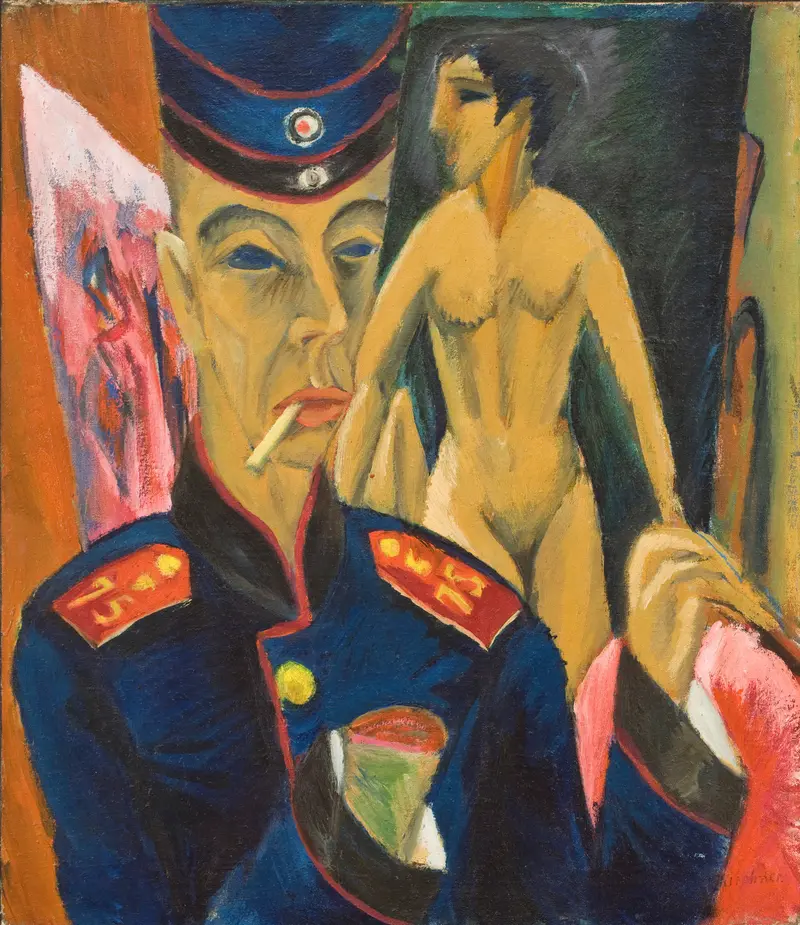
Self-Portrait as a Soldier
Ernst Ludwig Kirchner
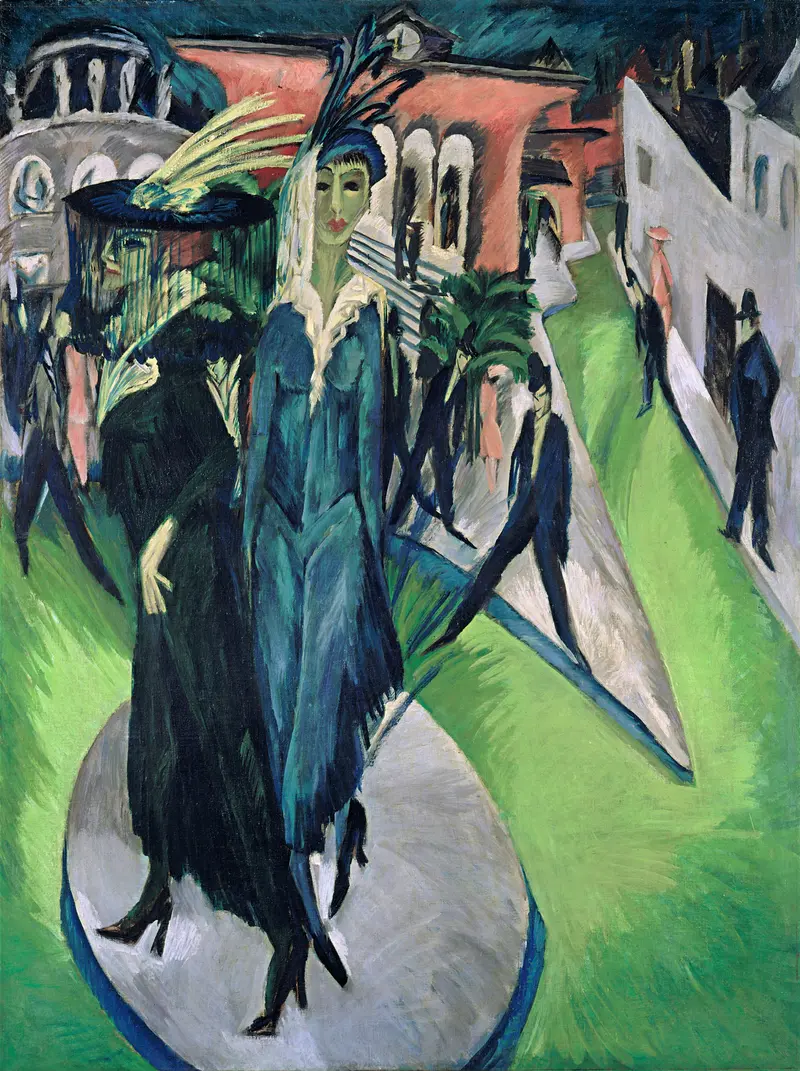
Potsdamer Platz
Ernst Ludwig Kirchner

Alphütten und Tinzenhorn
Ernst Ludwig Kirchner
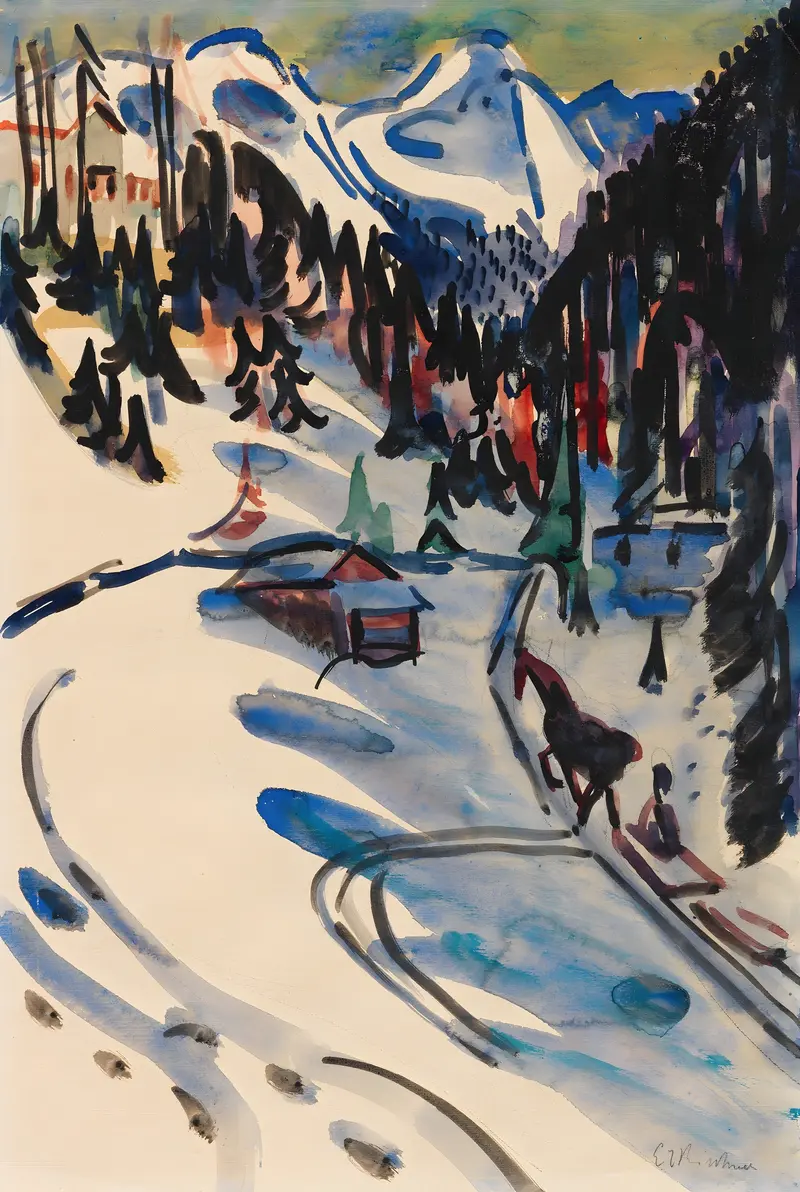
Sertigtal im Winter
Ernst Ludwig Kirchner
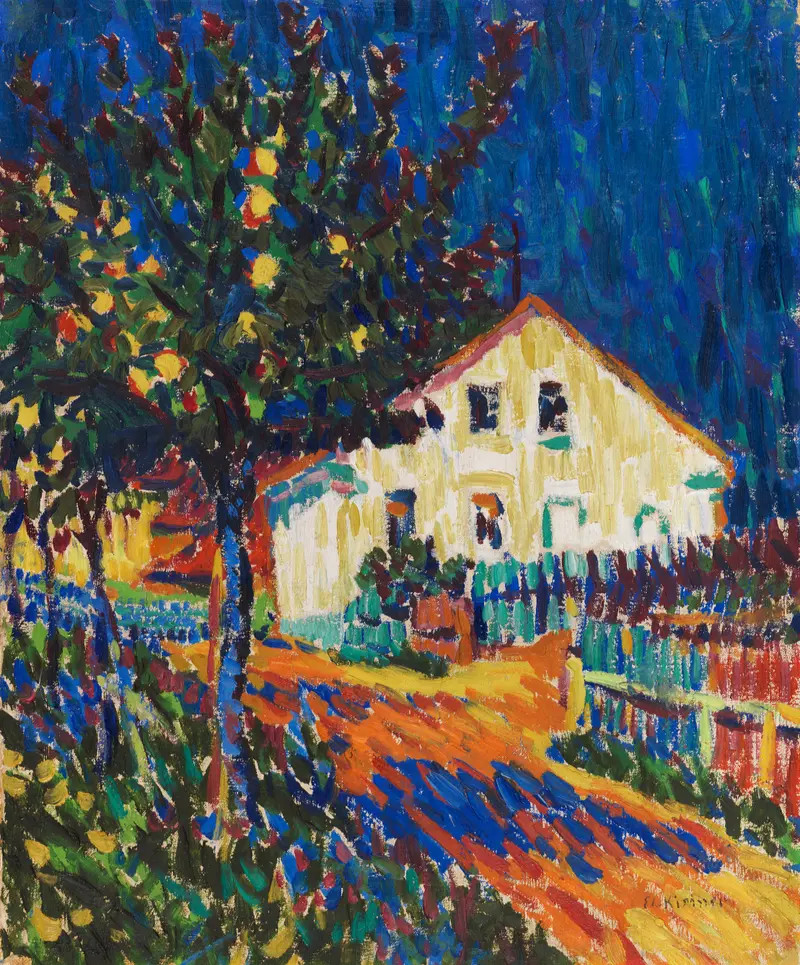
Dorfstraße mit Apfelbäumen
Ernst Ludwig Kirchner
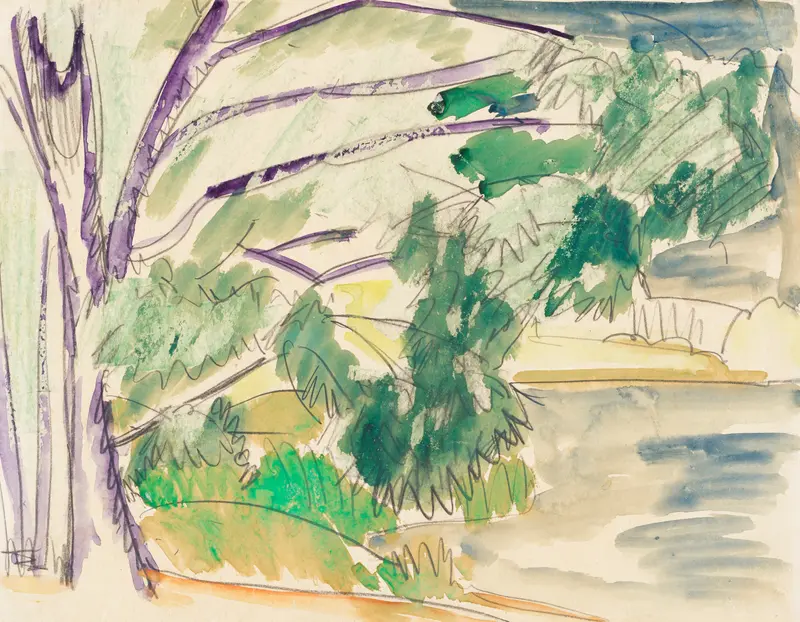
Unter Bäumen am See
Ernst Ludwig Kirchner
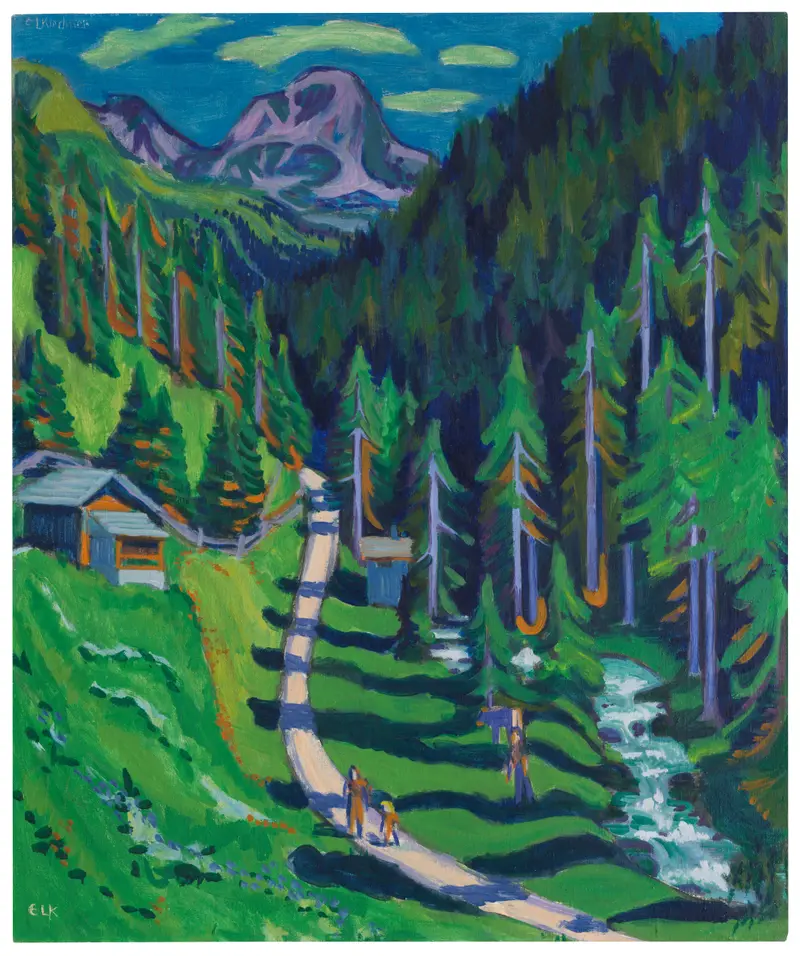
Sertigweg
Ernst Ludwig Kirchner
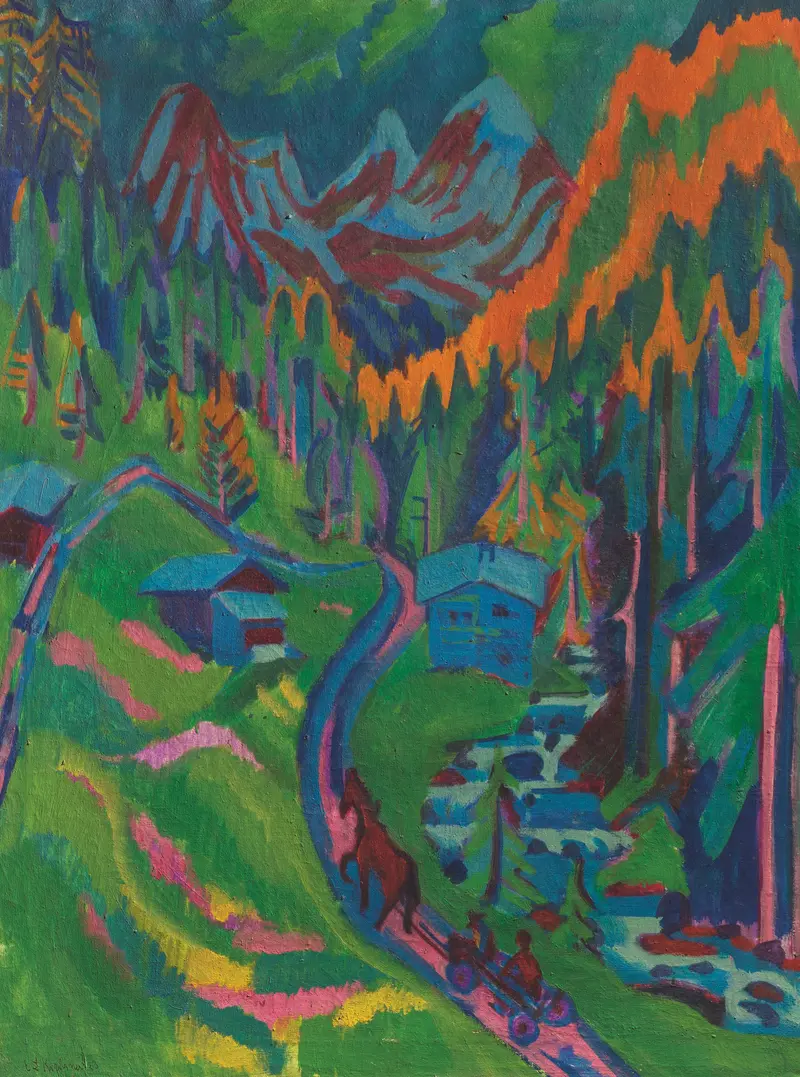
Sertigweg im Sommer
Ernst Ludwig Kirchner
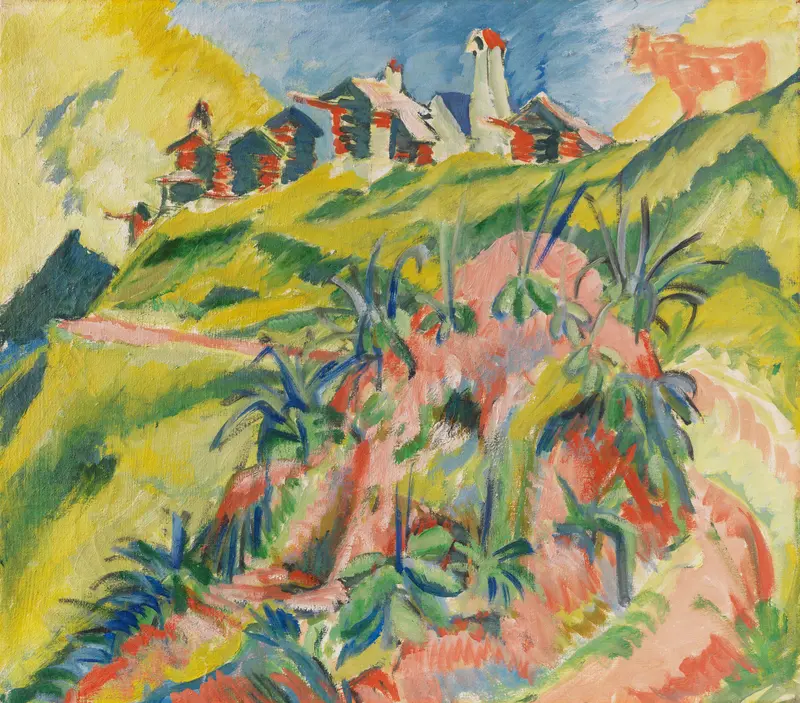
Bergdorf mit rosa Kuh
Ernst Ludwig Kirchner
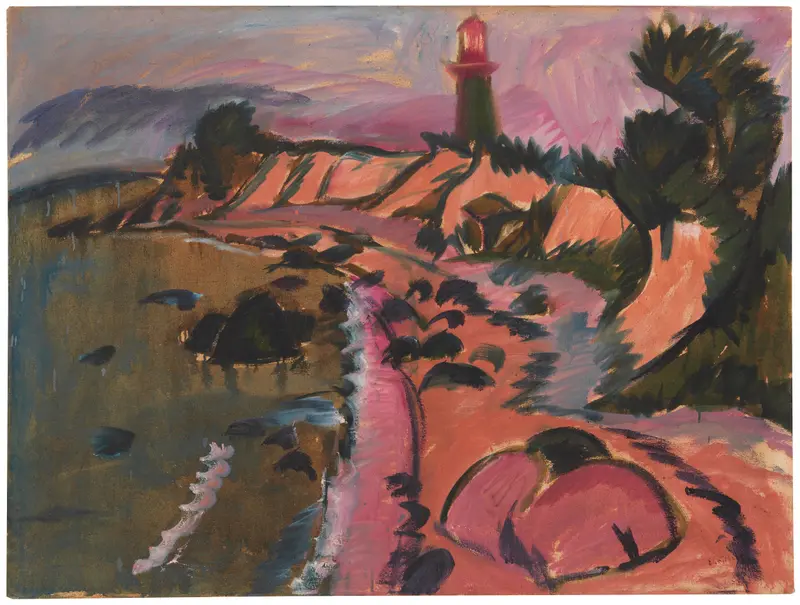
Fehmarnküste mit Leuchtturm
Ernst Ludwig Kirchner