
Self-Portrait as a Soldier — History & Facts
Self-Portrait as a Soldier was painted by Ernst Ludwig Kirchner in 1915, during the early years of the First World War. The work was created after Kirchner had volunteered for military service, reflecting a period of personal crisis and upheaval in the artist's life. This painting is a significant example of German Expressionism, a movement with which Kirchner was closely associated as a founding member of the group Die Brücke. The composition presents the artist in a soldier’s uniform, depicted with angular, exaggerated features and a cigarette in his mouth.
His right hand is shown as a stump, a detail not based on fact but symbolizing psychological trauma and a sense of personal loss. Behind him stands a nude female figure, rendered in similarly bold, simplified forms. The palette is dominated by intense blues, reds, and flesh tones, applied in broad, expressive brushstrokes, contributing to the painting’s emotional intensity. Self-Portrait as a Soldier has been widely exhibited and discussed as a key work in Kirchner’s oeuvre and in the context of art produced during the First World War.
The painting is recognized for its exploration of the psychological effects of conflict and the anxieties of the modern artist. It is held in a major public collection and remains an important example of early twentieth-century German art.
More Artworks by Ernst Ludwig Kirchner
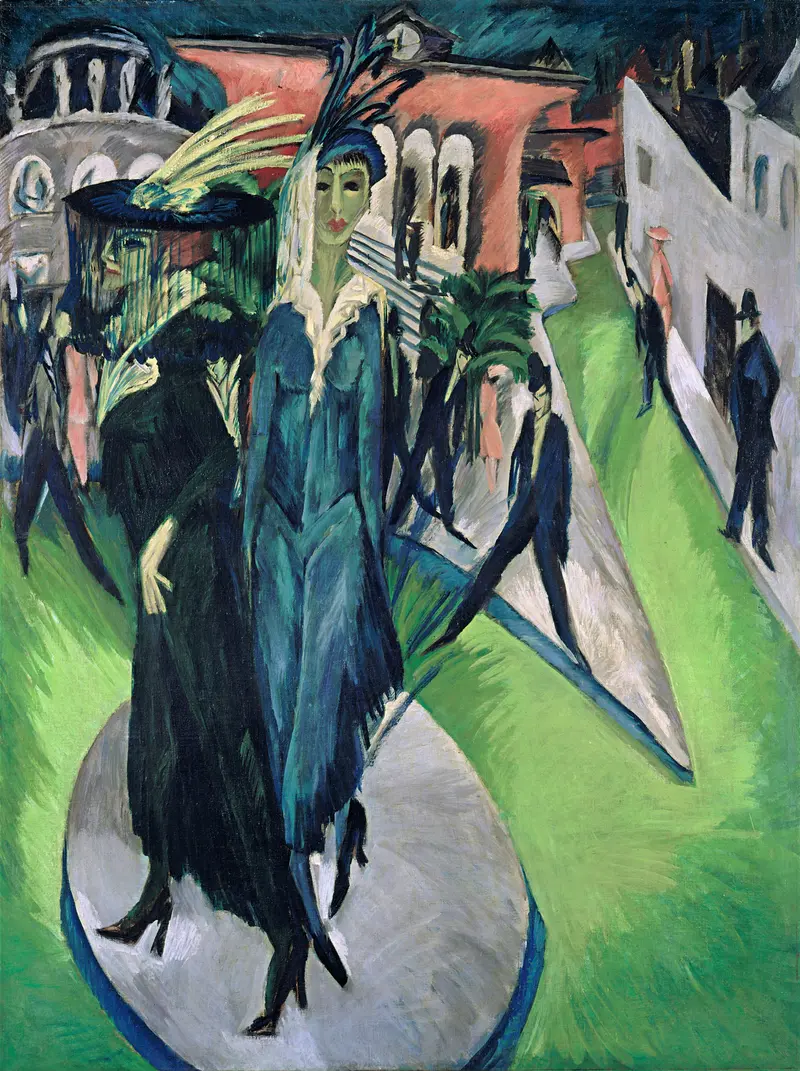
Potsdamer Platz
Ernst Ludwig Kirchner

Alphütten und Tinzenhorn
Ernst Ludwig Kirchner
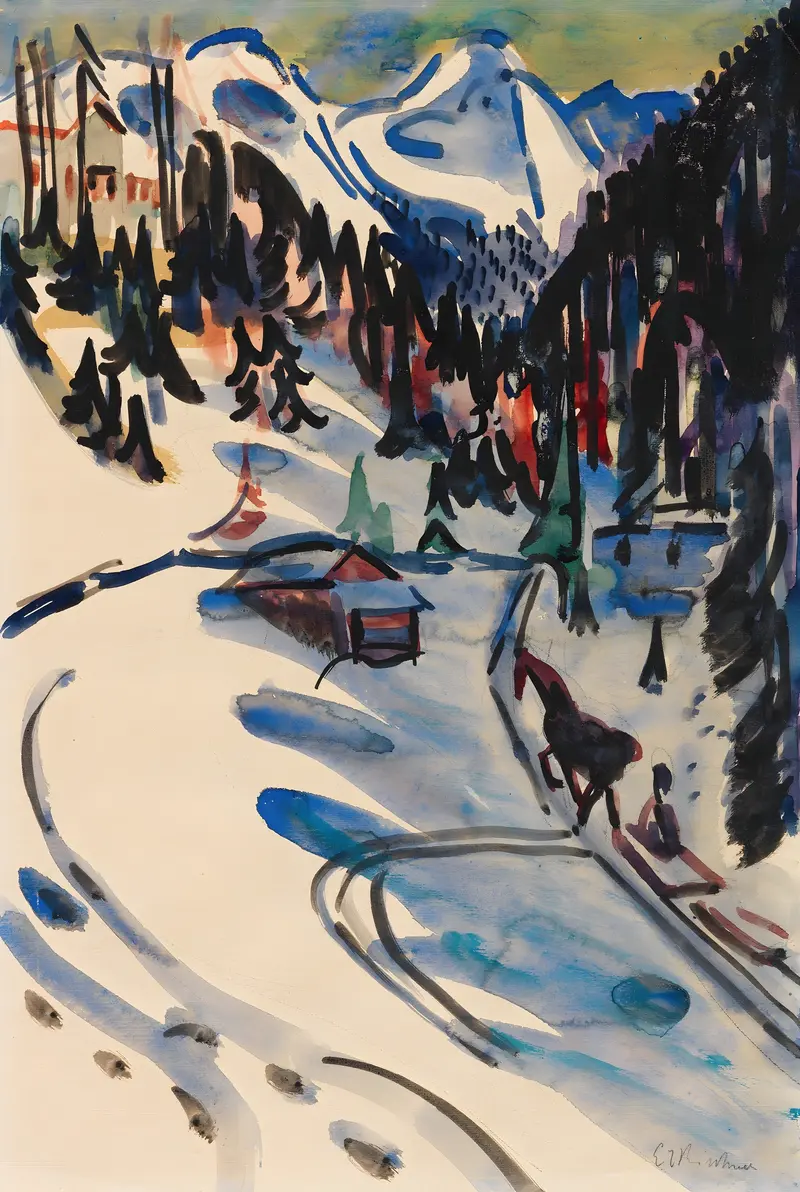
Sertigtal im Winter
Ernst Ludwig Kirchner
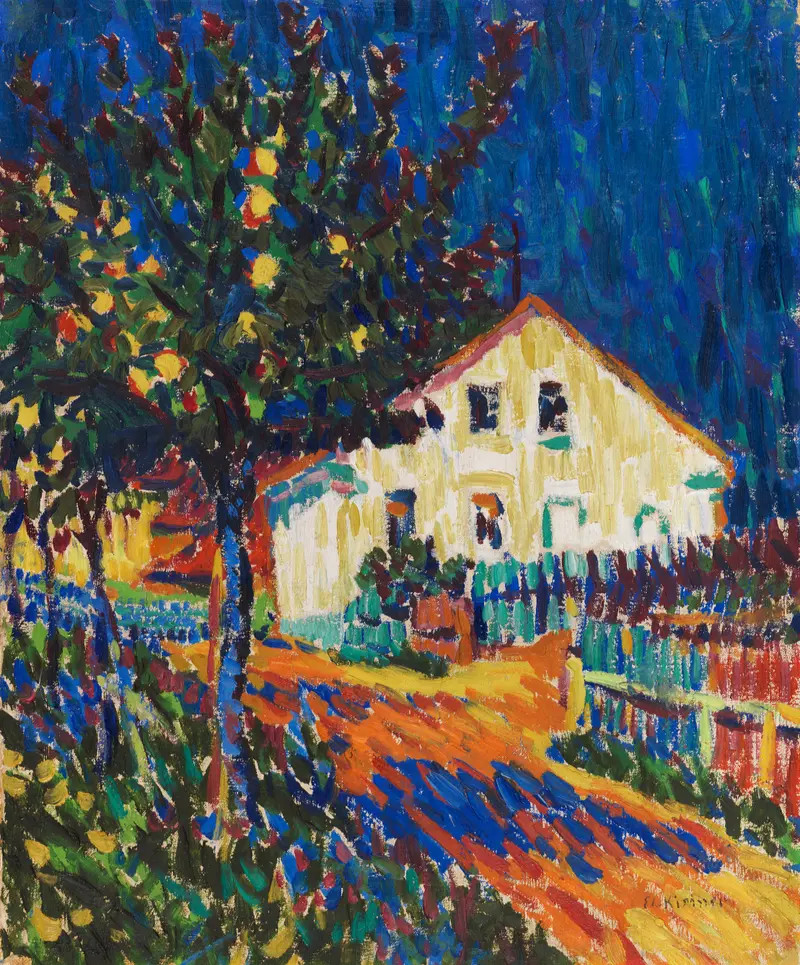
Dorfstraße mit Apfelbäumen
Ernst Ludwig Kirchner
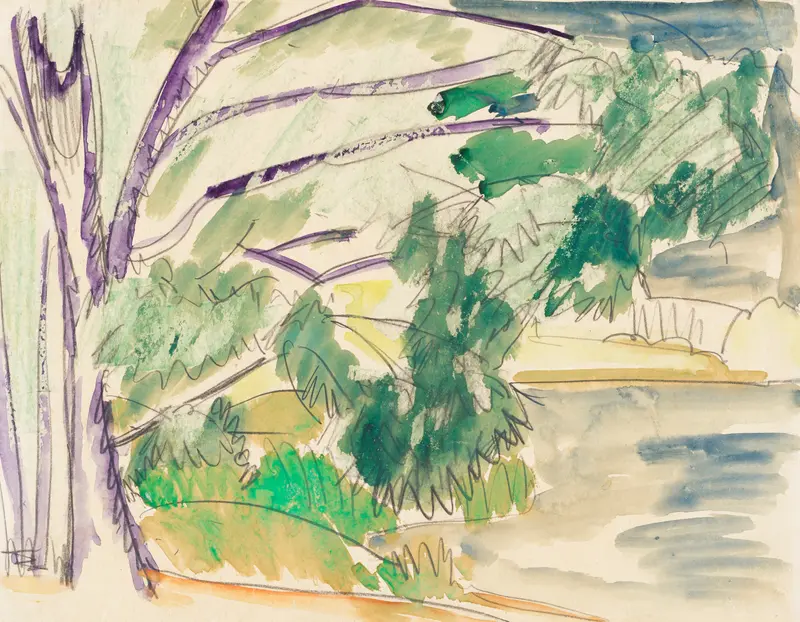
Unter Bäumen am See
Ernst Ludwig Kirchner
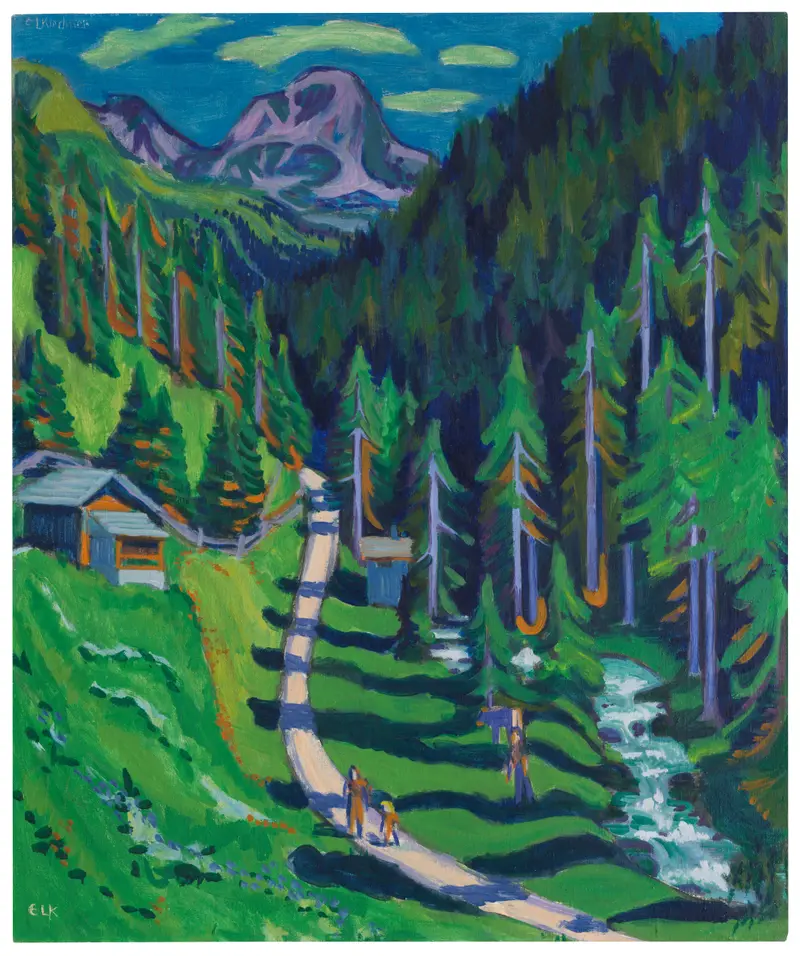
Sertigweg
Ernst Ludwig Kirchner
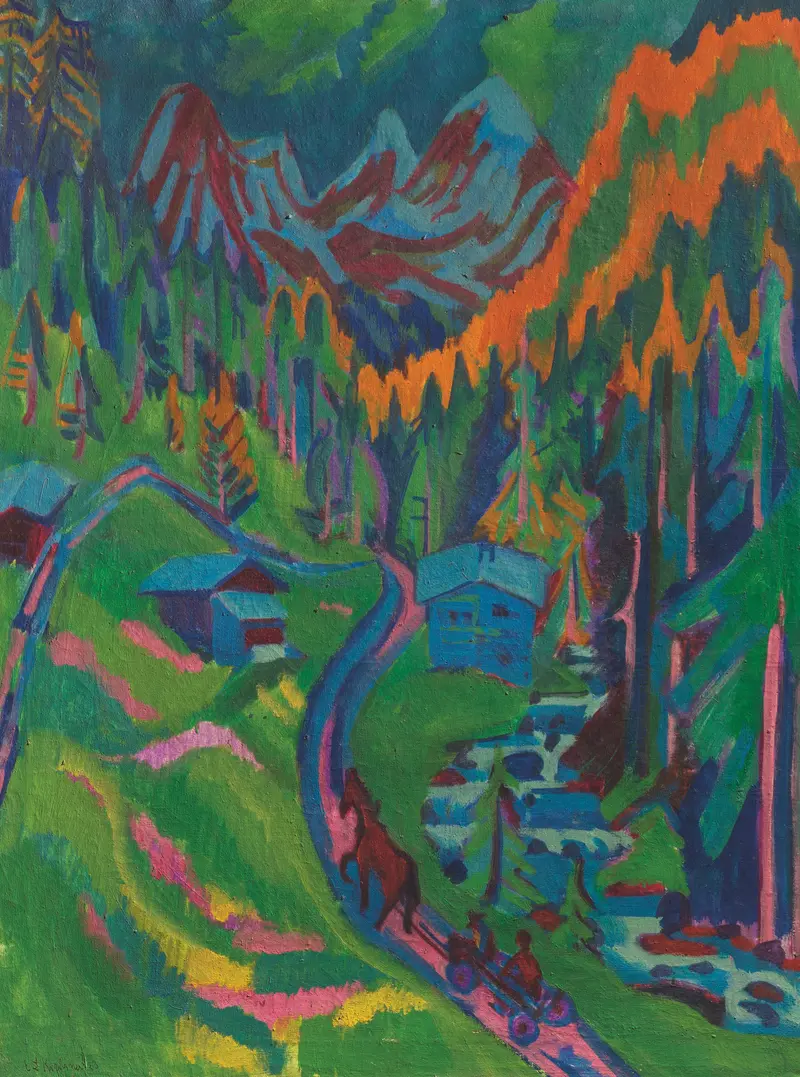
Sertigweg im Sommer
Ernst Ludwig Kirchner
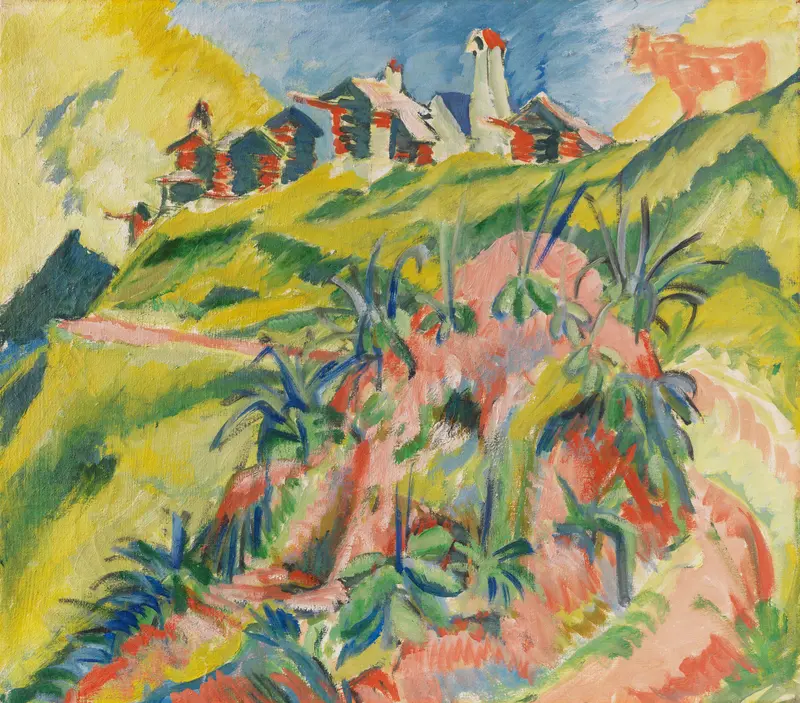
Bergdorf mit rosa Kuh
Ernst Ludwig Kirchner
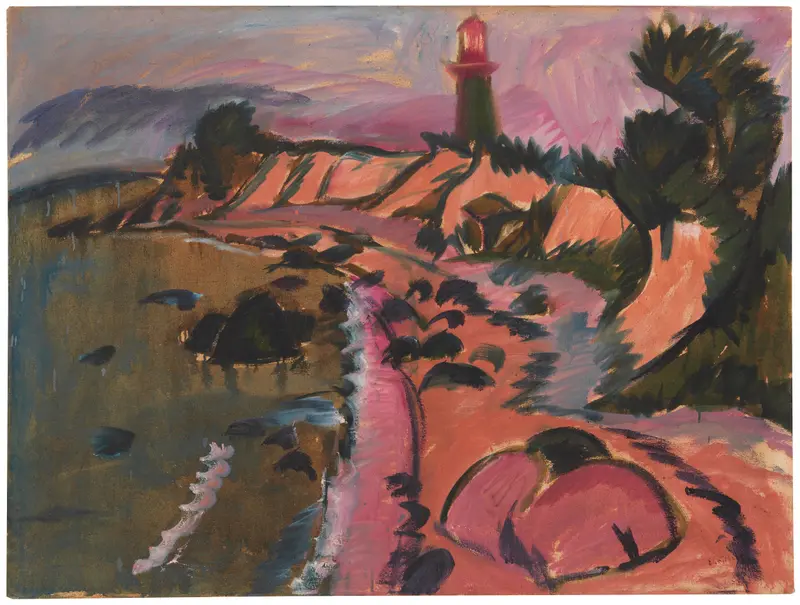
Fehmarnküste mit Leuchtturm
Ernst Ludwig Kirchner
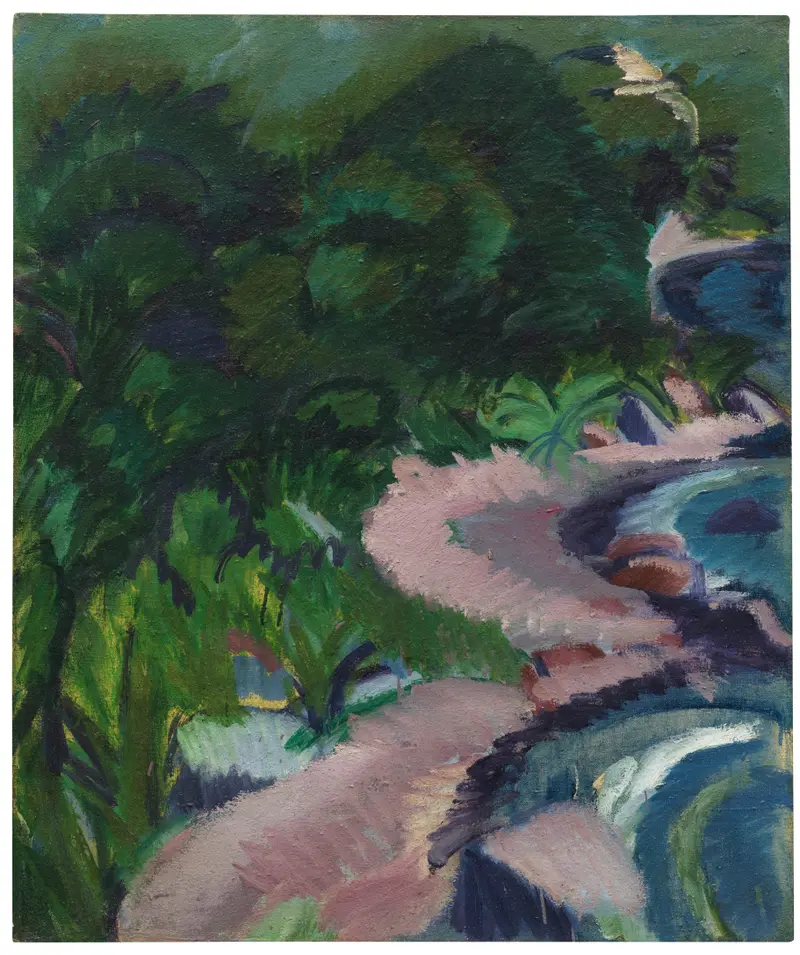
Fehmarnlandschaft
Ernst Ludwig Kirchner





