
The Repatriation of the Body of Emperor Maximilian of Mexico to Trieste on 15 January 1868 — History & Facts
Could a single brushstroke hold eternity? The idea of transformation resonates deeply within the layers of this powerful work, inviting viewers to explore the complexities of memory and loss. Look to the center of the canvas, where the solemn procession unfolds amidst a muted palette. The figures, draped in somber hues, create a stark contrast against the cool blues and grays dominating the background. Their gestures — some bowed in reverence, others extending hands in grief — guide the eye, compelling us to witness the profound sorrow of a nation bidding farewell.
The light filters softly through the scene, accentuating the textures of fabric and skin, evoking a sense of stillness that hangs heavy in the air. The emotional tension is palpable; each character embodies a fragment of collective mourning. Notice how the artist plays with the juxtaposition of hope and despair — the gilded edges of the coffin suggest a lingering grandeur, while the somber expressions of the mourners reveal an enduring pain. The gathering of figures, positioned in various degrees of engagement with the event, reflects the societal impacts of loss, suggesting that the fate of a single emperor is intertwined with the fate of the people he once ruled. Giovanni Grubas painted this work amidst a tumultuous period in the mid-19th century, when the political landscape of Europe was marked by upheaval and change.
While the date remains unspecified, Grubas was deeply influenced by the events surrounding Emperor Maximilian’s execution and the subsequent repatriation, channeling the collective grief and reflection of a society in transformation. This piece stands not only as a memorial but also as a commentary on how history shapes identity through the intimate act of remembrance.
More Artworks by Giovanni Grubas
Browse all →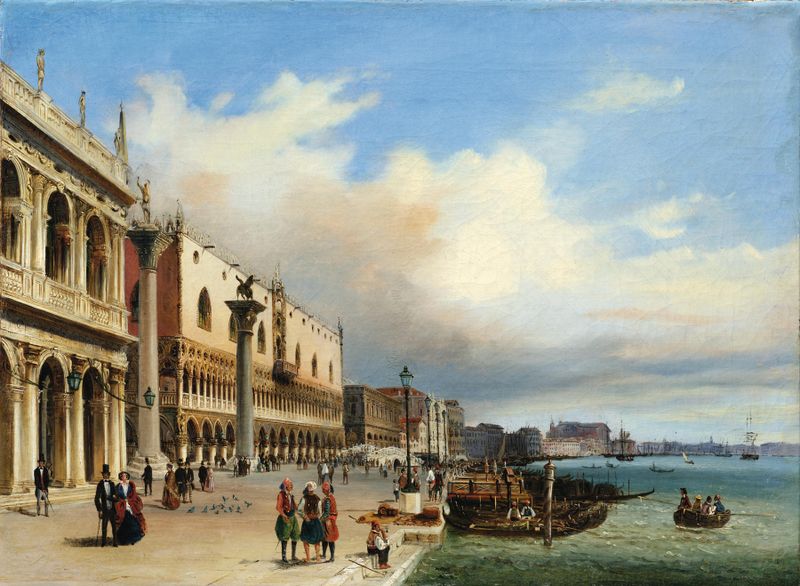
Venice, A View of the Riva degli Schiavoni with the Doge’s Palace
Giovanni Grubas

View of the Molo with the Palazzo Ducale and Santa Maria della Salute
Giovanni Grubas
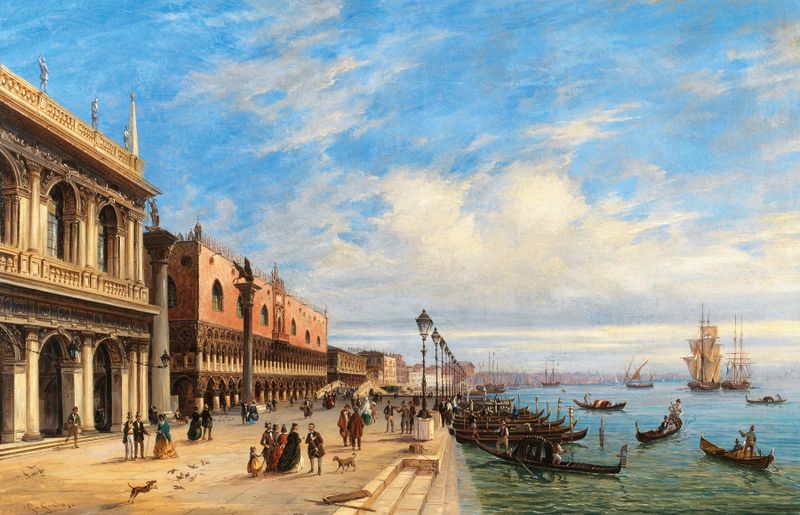
Venice, View of the Molo with the Libreria and the Doge’s Palace
Giovanni Grubas
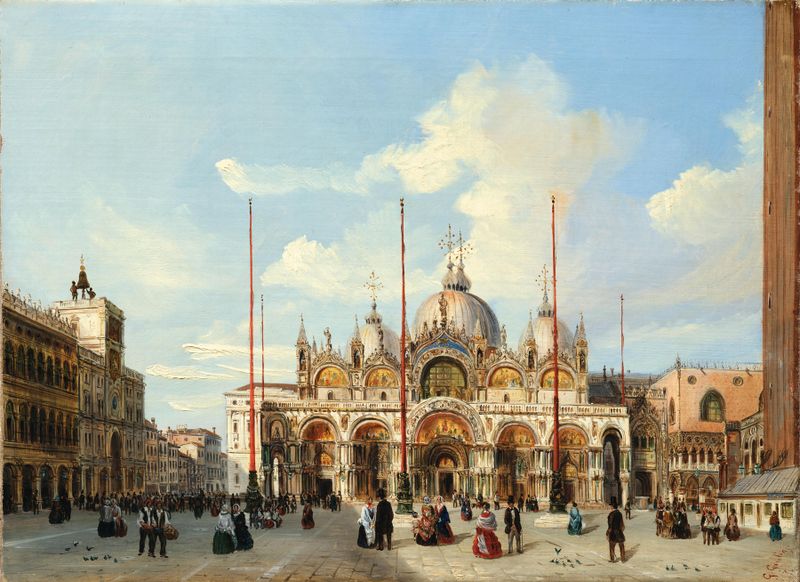
A View of the St Mark’s Square
Giovanni Grubas
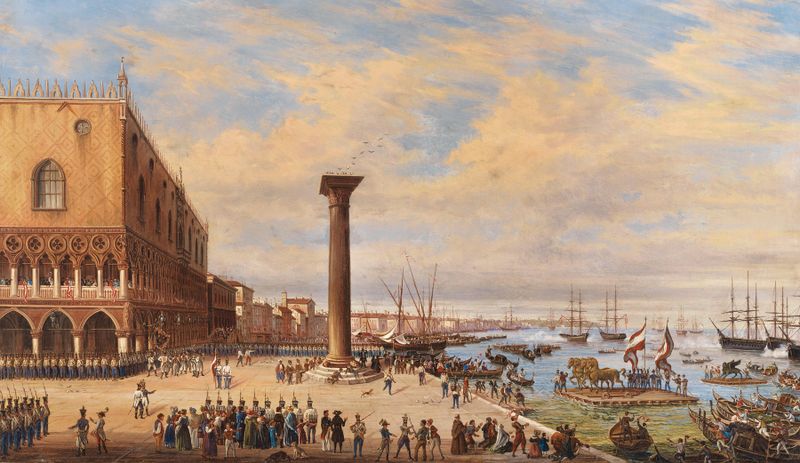
Venice, the Return of the Quadriga of St. Mark and the the Winged Lion
Giovanni Grubas
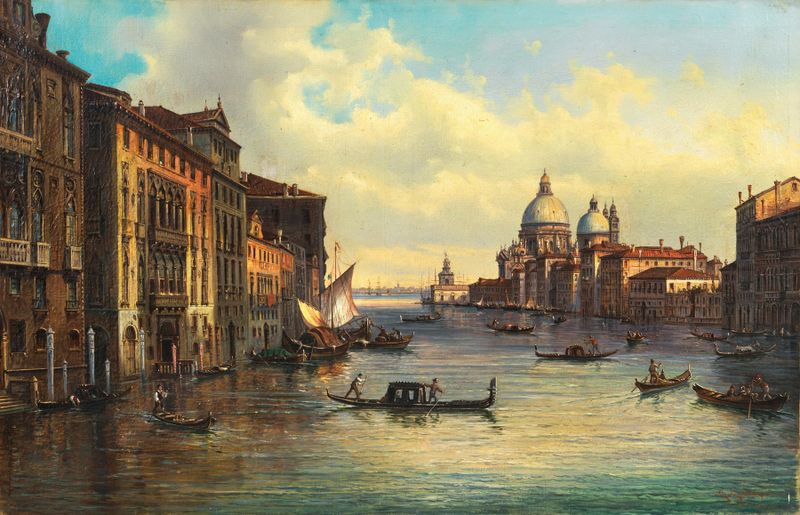
Venice, the Grand Canal with Santa Maria della Salute and Punta della Dogana in the Distance
Giovanni Grubas
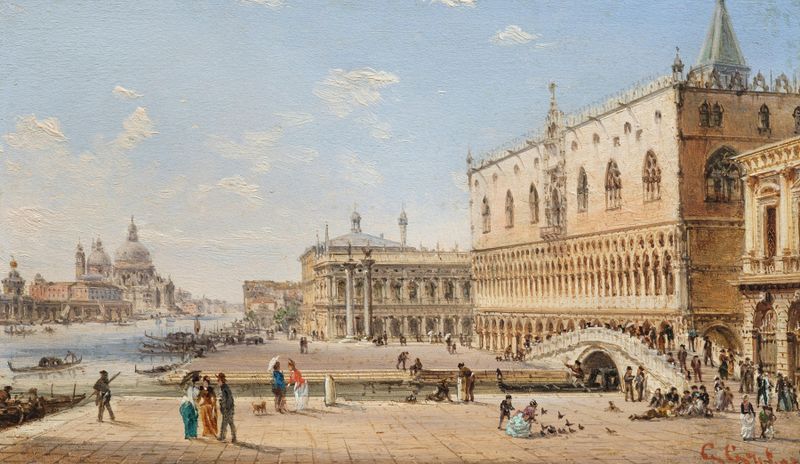
Venice, a View of St Mark’s Square
Giovanni Grubas
More Historical Art
Browse all →
The Night Watch Militia Company of District II under the Command of Captain Frans Banninck Cocq
Rembrandt van Rijn

Lincoln Memorial
Henry Bacon

The Third of May 1808
Francisco de Goya

Isaac and Rebecca, Known as ‘The Jewish Bride’
Rembrandt van Rijn

The Charge of the Mamelukes (1814)
Francisco de Goya

De vier ruiters van de apocalyps
Albrecht Dürer