
Venice, the Return of the Quadriga of St. Mark and the the Winged Lion — History & Facts
What if silence could speak through light? In the quiet corners of history, echoes of loss are illuminated, urging us to listen. Look to the upper left of the canvas, where golden rays cascade over the majestic Quadriga of St. Mark, its four horse statues poised in triumphant return. The brilliant hues of gold and azure dance together, evoking both reverence and melancholy.
Focus on the subtle interplay between shadows and light, particularly how they frame the soaring winged lion, an emblem of strength and guardianship, yet shrouded in a wistfulness that speaks to centuries gone by. As you explore further, notice the gentle details tucked within the architecture of Venice, each stroke resonating with stories of both grandeur and decline. The subtle contrast between the vibrancy of the central figures and the muted tones of the surrounding cityscape portrays a tension between celebration and mourning; the return of the Quadriga signifies triumph, yet also hints at the loss of the very glory it once represented. Each element serves as a reminder of what has vanished in the passage of time. Giovanni Grubas created this work during a period marked by resurgence and nostalgia for the past.
The painting, completed in an unspecified year, reflects a moment in European art history where many sought to reconnect with classical ideals amidst the shadows of modernity. At a time when the world was beginning to grapple with change, Grubas captured both the majesty and the fragility of Venetian legacy, inviting viewers to reflect on the interplay of history and loss.
More Artworks by Giovanni Grubas
Browse all →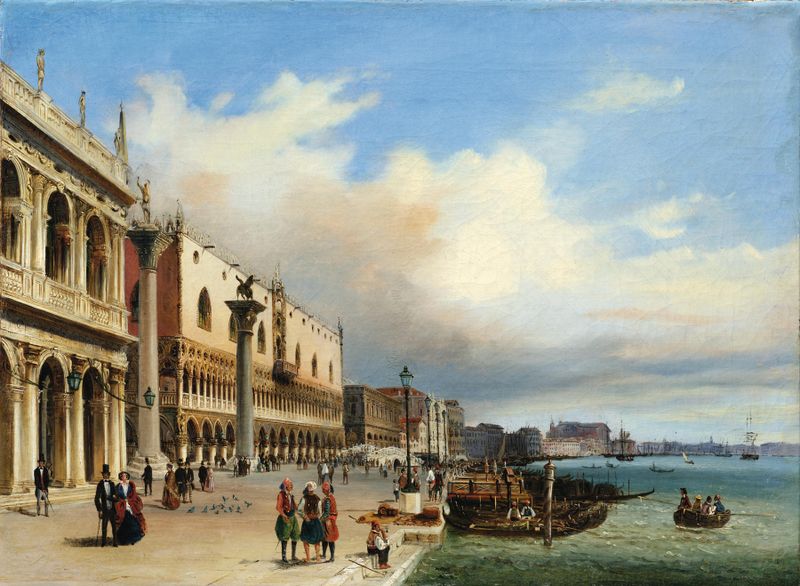
Venice, A View of the Riva degli Schiavoni with the Doge’s Palace
Giovanni Grubas

View of the Molo with the Palazzo Ducale and Santa Maria della Salute
Giovanni Grubas
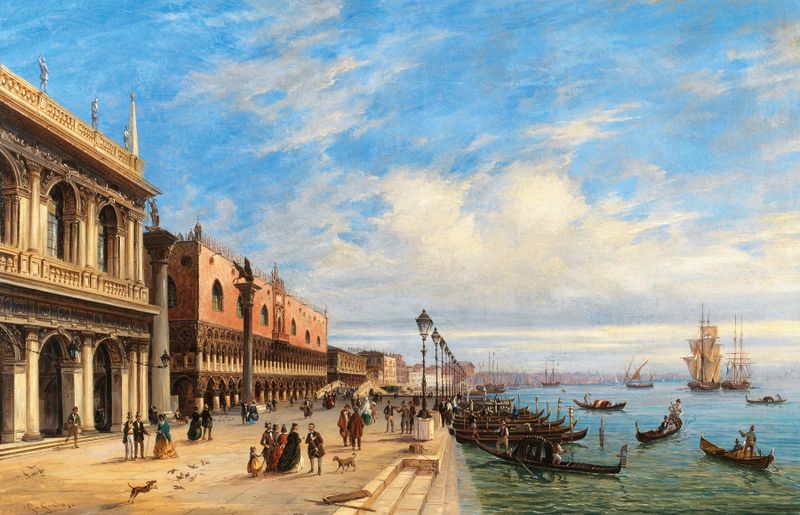
Venice, View of the Molo with the Libreria and the Doge’s Palace
Giovanni Grubas
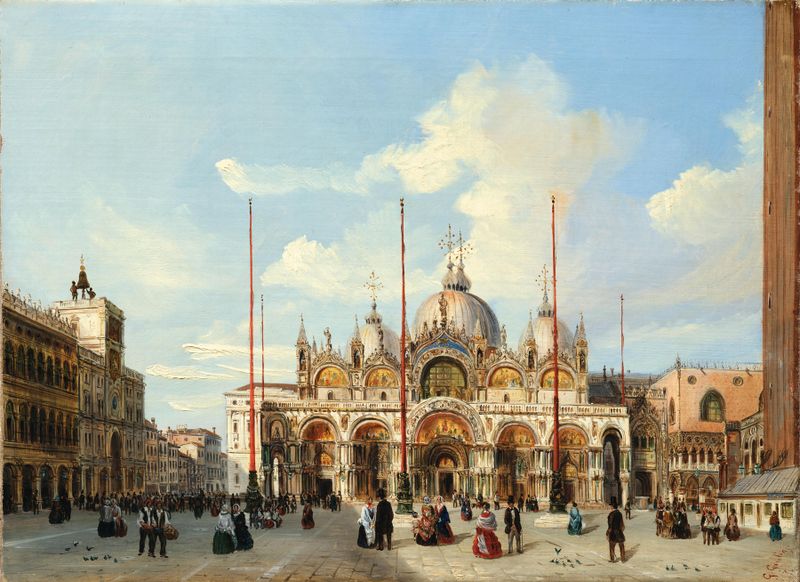
A View of the St Mark’s Square
Giovanni Grubas

The Repatriation of the Body of Emperor Maximilian of Mexico to Trieste on 15 January 1868
Giovanni Grubas
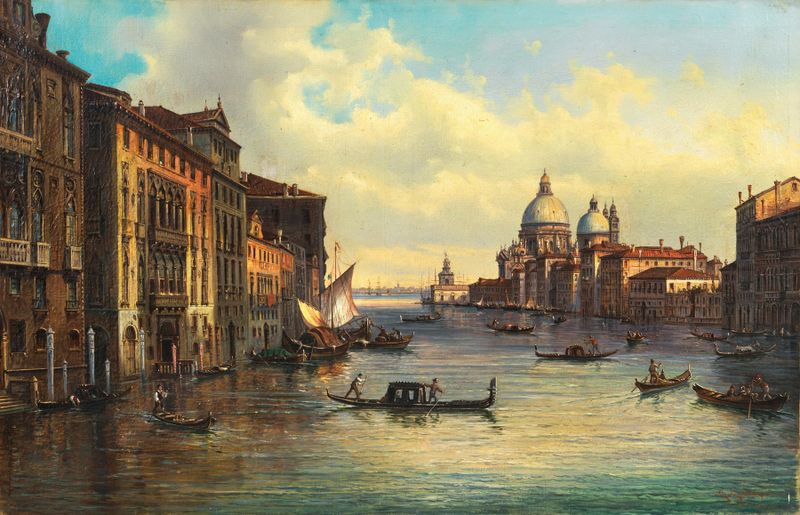
Venice, the Grand Canal with Santa Maria della Salute and Punta della Dogana in the Distance
Giovanni Grubas
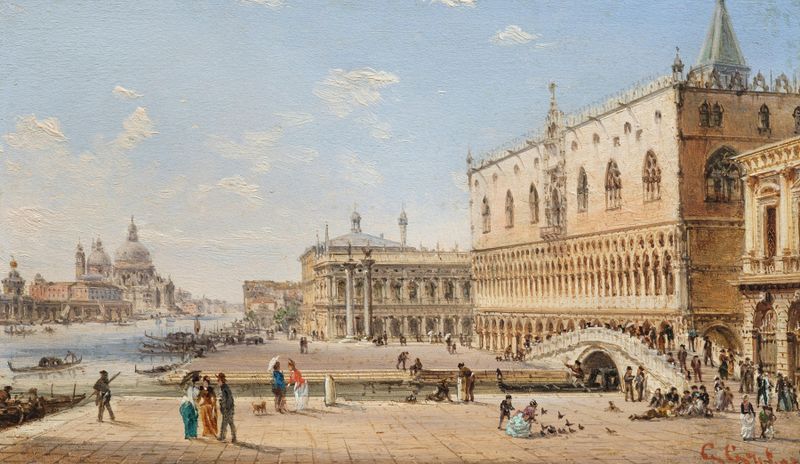
Venice, a View of St Mark’s Square
Giovanni Grubas
More Historical Art
Browse all →
The Night Watch Militia Company of District II under the Command of Captain Frans Banninck Cocq
Rembrandt van Rijn
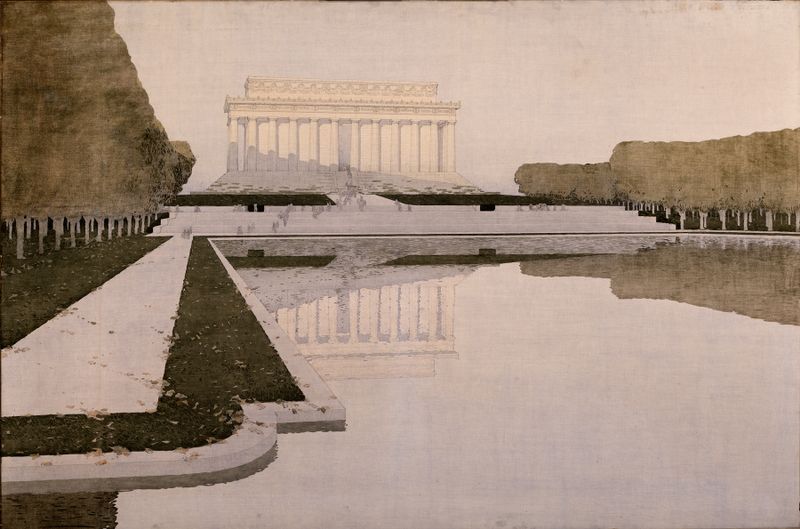
Lincoln Memorial
Henry Bacon
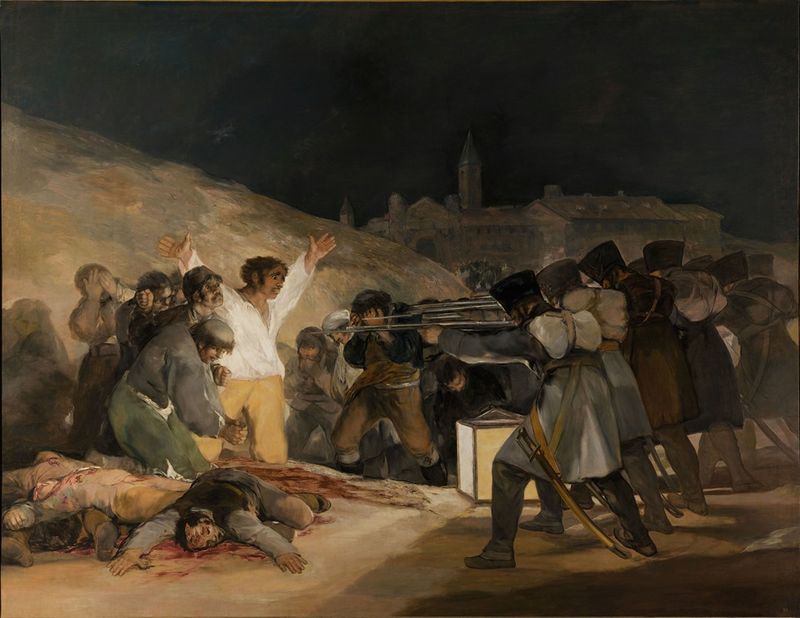
The Third of May 1808
Francisco de Goya

Isaac and Rebecca, Known as ‘The Jewish Bride’
Rembrandt van Rijn
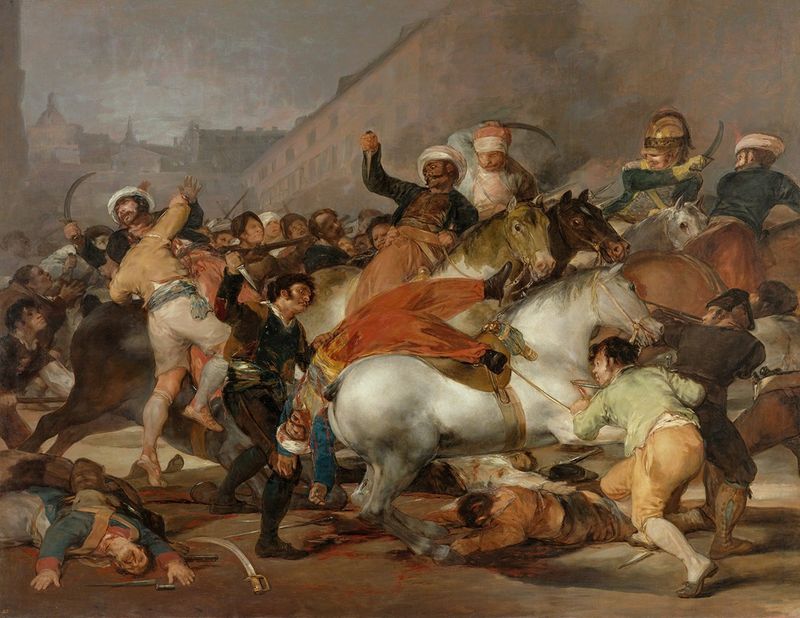
The Charge of the Mamelukes (1814)
Francisco de Goya

De vier ruiters van de apocalyps
Albrecht Dürer