
The Rest Near The Ruins Of A Theater — History & Facts
What secret hides in the quiet of the canvas? In the gentle embrace of solitude, a moment whispers of both the past and the ephemeral nature of existence. Look to the left at the crumbling pillars that rise like ancient sentinels, their weathered surfaces bathed in a soft, golden light. The warm hues juxtapose the cool shadows, creating a dialogue between memory and decay. Your gaze should drift to the lone figure seated on a stone slab, their posture a study in contemplative reflection—an embodiment of stillness amidst the remnants of grandeur.
Notice how the surrounding greenery breathes life into the scene, softly reclaiming what was lost, as if nature seeks to hug the ruins with tender care. Within this melancholic tableau lies a profound exploration of transition—the interplay between the vibrancy of life and the passage of time. The figure, isolated yet harmoniously aligned with the ruins, speaks to the universal experience of searching for meaning in the remnants of what once was. The delicate balance of light and shadow reflects not only the physical decay of man-made structures but also the emotional landscape of memory and loss, suggesting that even in stillness, stories linger. Werner created this work in a period marked by the tensions of artistic exploration and Romantic ideals.
As a contemporary of the 19th-century art movement, he embraced both the beauty of nature and the poignancy of human experience. The painting emerged during a time when artists were increasingly drawn to themes of nostalgia and reflection, navigating the complexities of a world in flux, and seeking to capture the essence of fleeting moments.
More Artworks by Carl Friedrich Heinrich Werner
Browse all →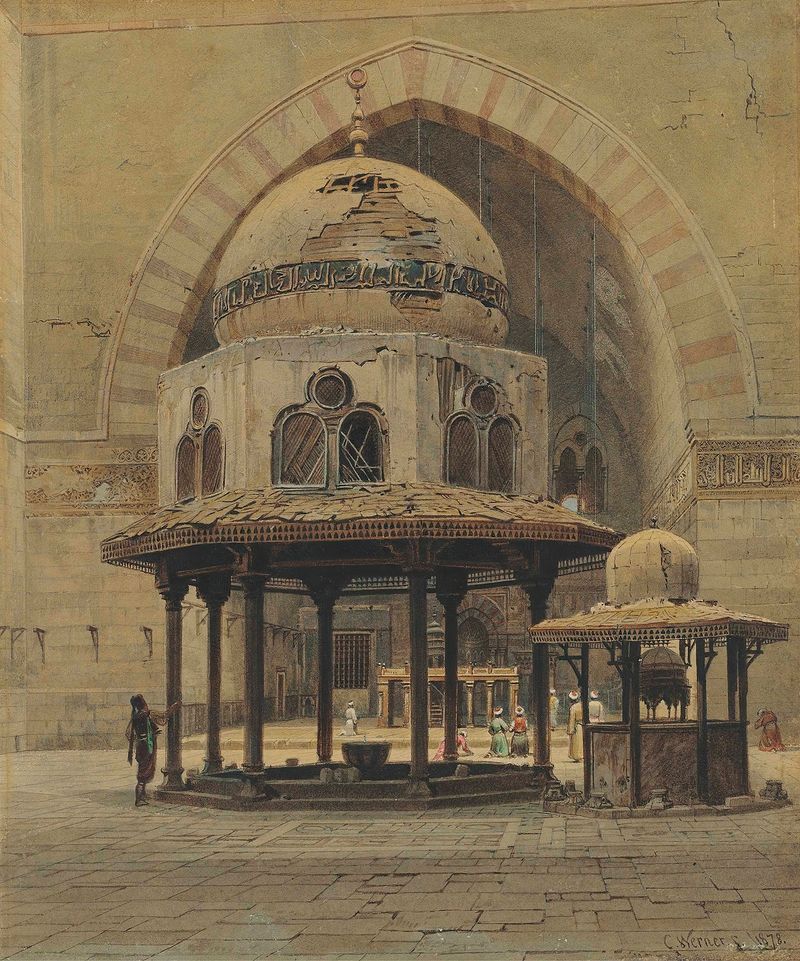
Mosque of Sultan Hassan, Cairo
Carl Friedrich Heinrich Werner
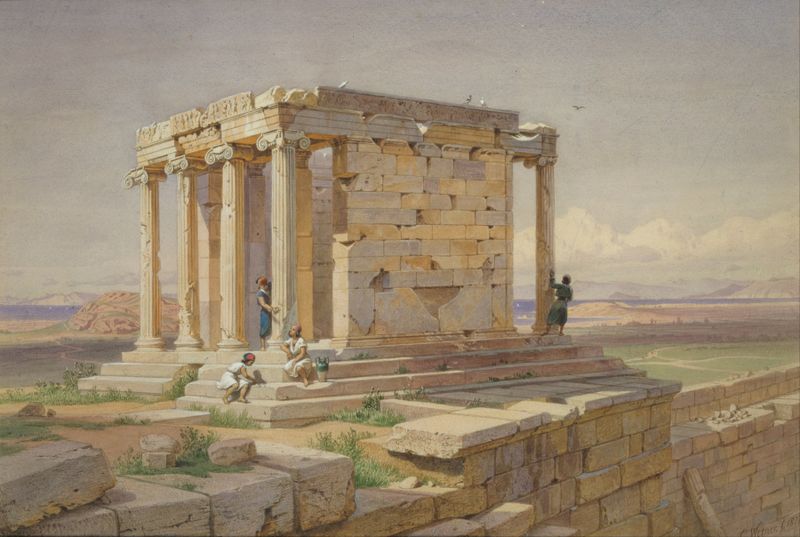
The Temple of Athena Nike. View from the North-East
Carl Friedrich Heinrich Werner
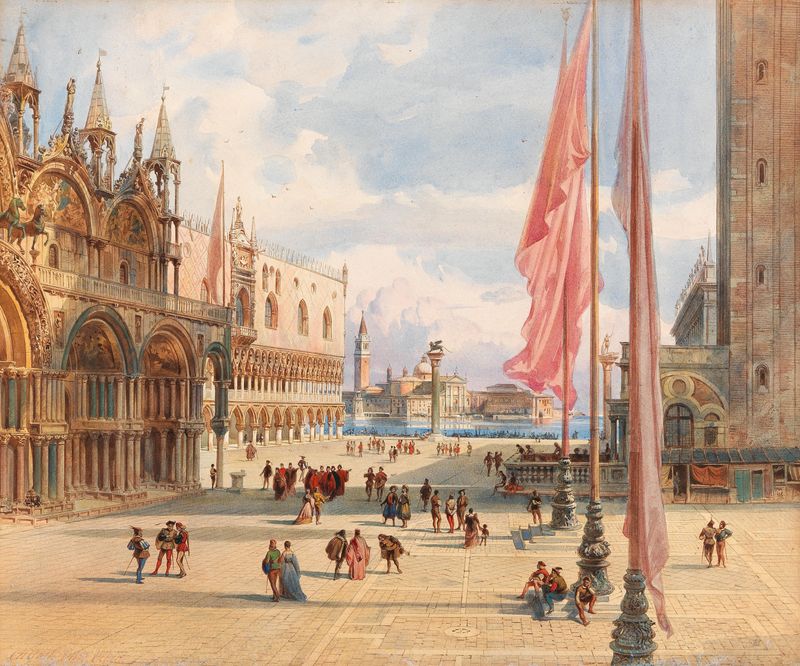
Marcus Square In Venice
Carl Friedrich Heinrich Werner

Canal Grande and Rialto Bridge
Carl Friedrich Heinrich Werner
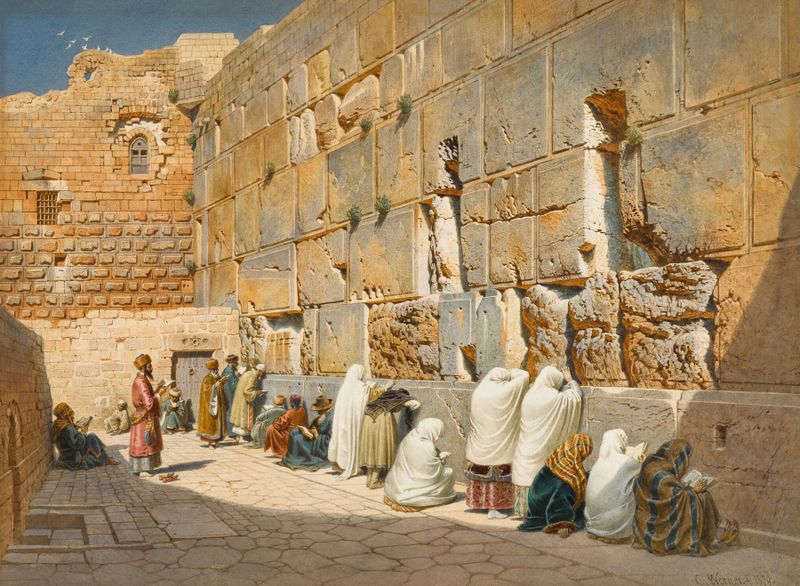
The Wailing Wall, Jerusalem
Carl Friedrich Heinrich Werner
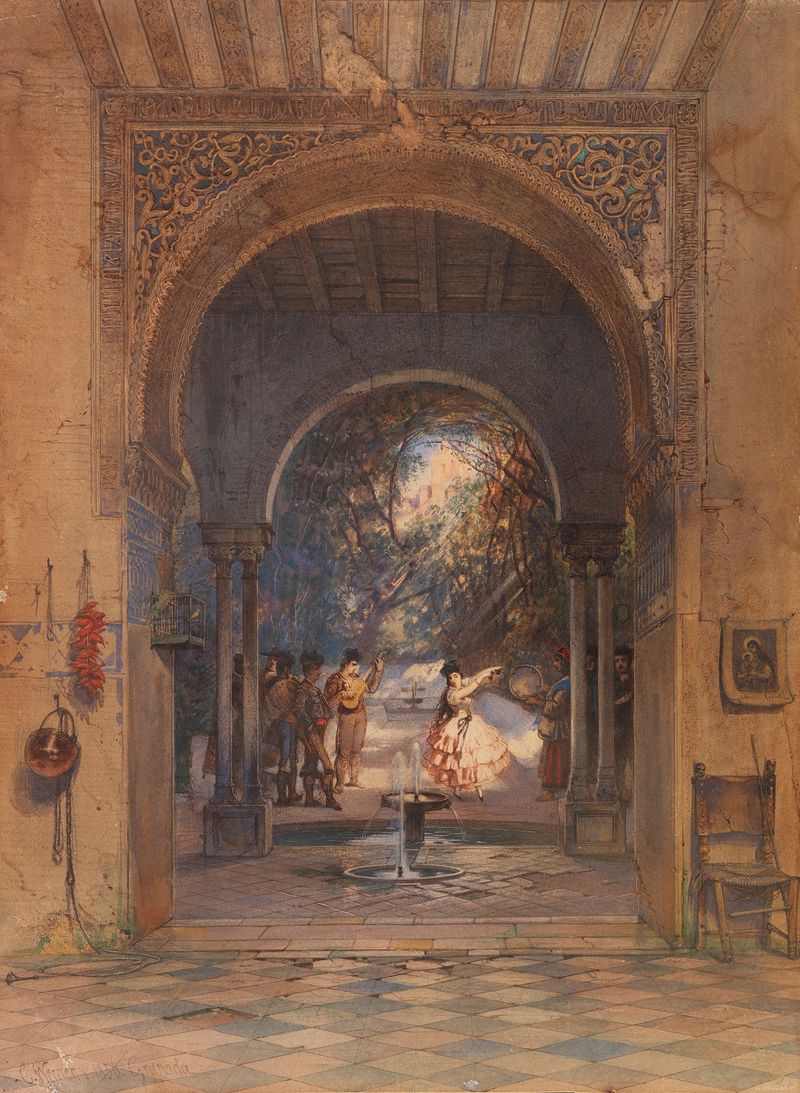
Kastagnettentänzerin in der Alhambra in Granada
Carl Friedrich Heinrich Werner
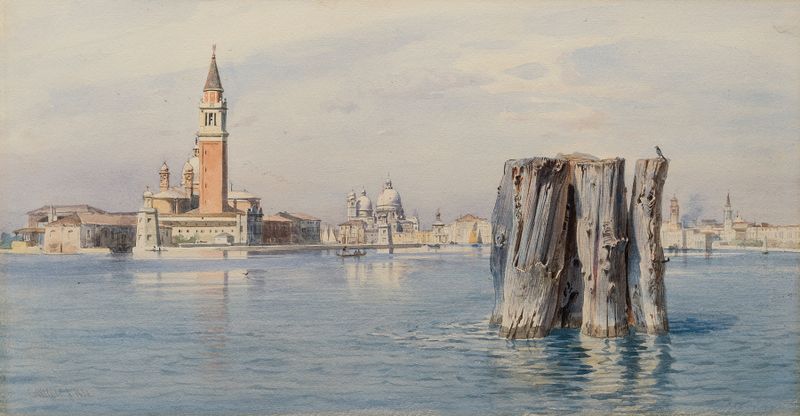
Ansicht von San Giorgio Maggiore und Santa Maria della Salute in Venedig
Carl Friedrich Heinrich Werner
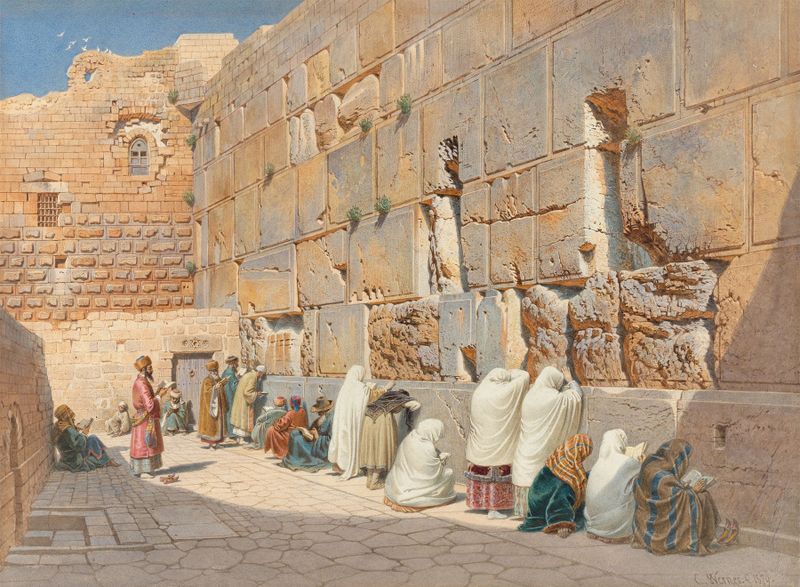
The Wailing Wall in Jerusalem
Carl Friedrich Heinrich Werner
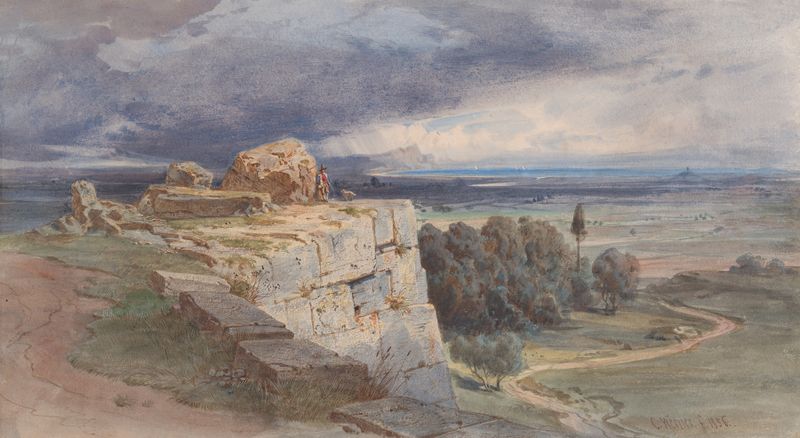
View of Norba from the North, towards San Felice Circeo
Carl Friedrich Heinrich Werner
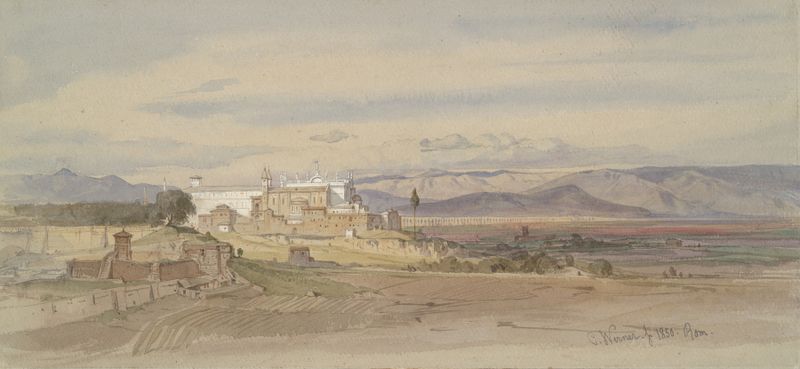
Roman Landscape with San Giovanni in Laterano
Carl Friedrich Heinrich Werner





