
The Resting Place — History & Facts
What secret hides in the quiet of the canvas? In the stillness of The Resting Place, a world unfolds, drawing us into its serene embrace—where obsession flirts with tranquility. Begin your exploration by looking to the left at the soft, muted colors that envelop the scene, creating a sense of calm. Notice how the delicate brushstrokes blend into each other, evoking the gentle rustle of leaves and a whisper of wind. The figures, though subtle and almost ghostly, invite contemplation, as they recline against a backdrop of harmonious greens and browns.
Their postures suggest a shared moment, both restful and charged with an unspoken connection. As you delve deeper, pay attention to the contrast between light and shadow. The dappled sunlight dances across the figures, revealing the nuances of their expressions, hinting at stories untold. The painting captures an obsessive desire for peace, yet the surrounding nature, vibrant and alive, seems to pulse with unyielding energy.
The juxtaposition of rest against the lively backdrop speaks to a tension between human longing and the relentless push of life. In 1904, during a period of transition in the art world, Auguste Louis Lepère was painting in Paris, where impressionism was evolving. This was a time of rich exploration—both personally for Lepère, who sought to distill the essence of life in his works, and for society, as artists began to embrace new forms and ideas. The Resting Place reflects this quest for balance amid the chaos, marking a significant moment in the artist's journey.
More Artworks by Auguste Louis Lepère
Browse all →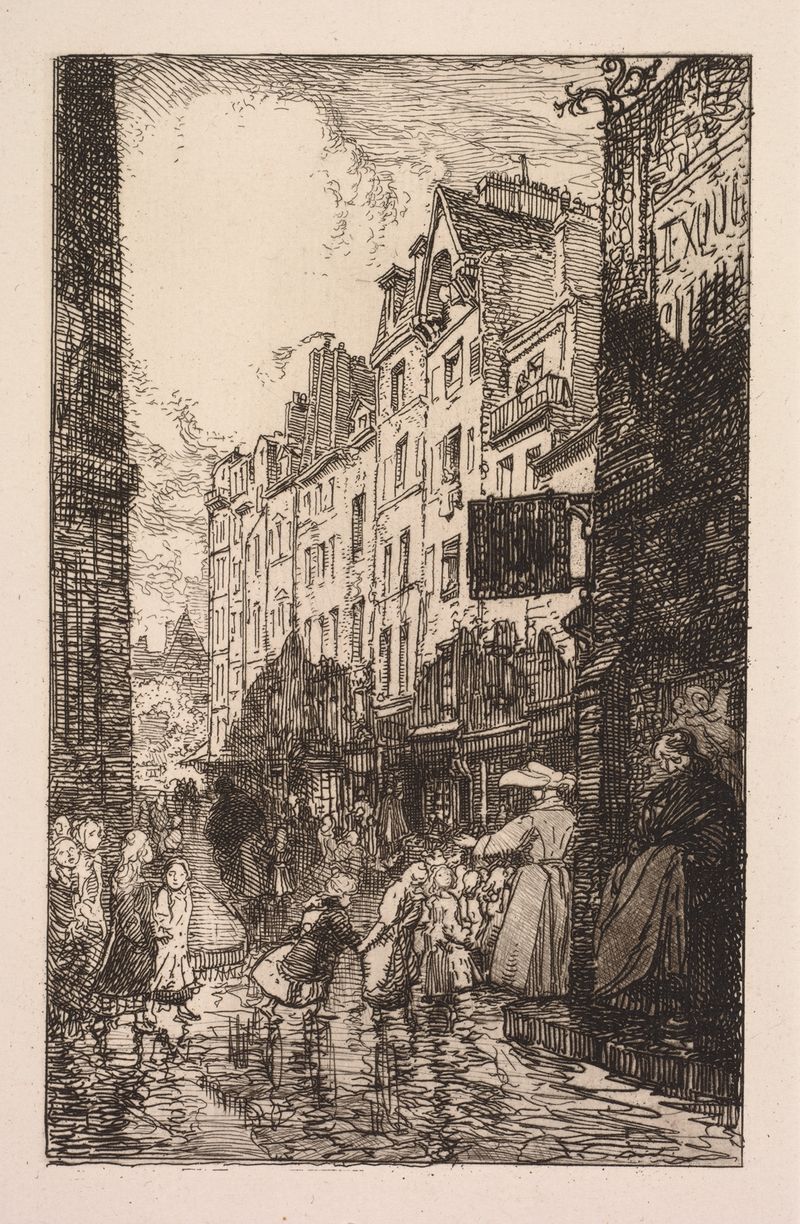
La Rue des Prêtres Saint-Séverin
Auguste Louis Lepère
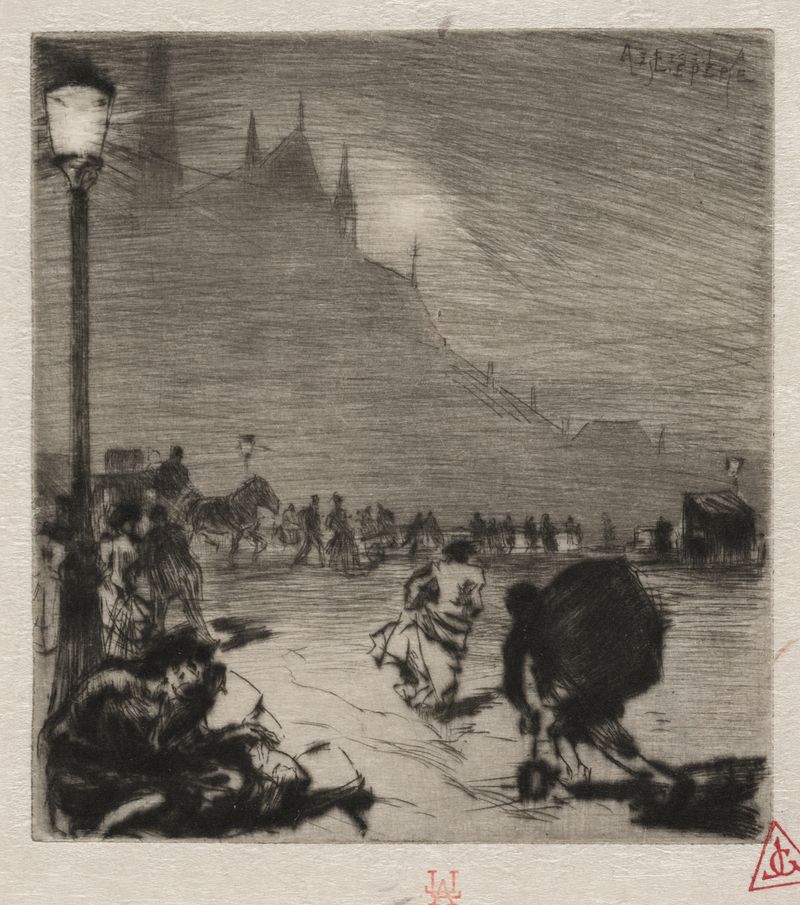
Au Coin du Pont-aux-Doubles
Auguste Louis Lepère
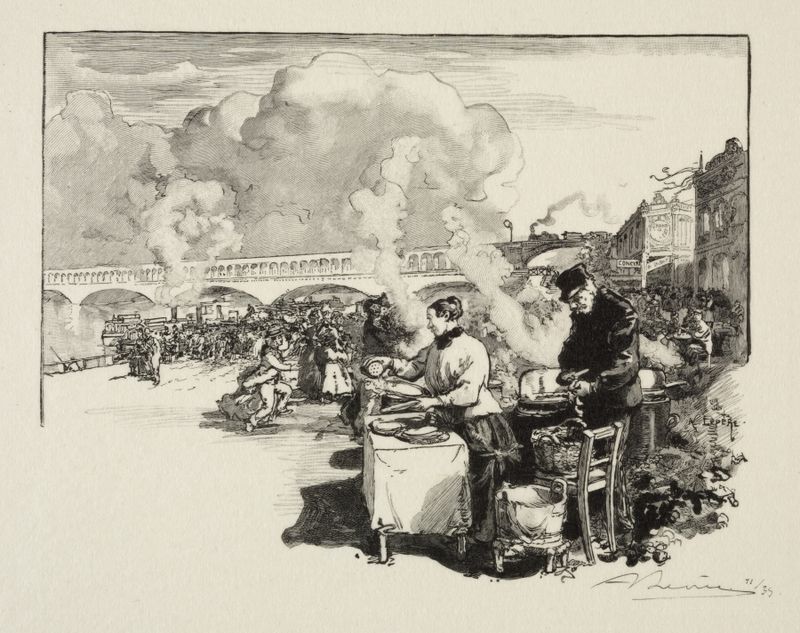
Debarcadère des bateaux-omnibus
Auguste Louis Lepère

La Seine, au quai de la Rapée
Auguste Louis Lepère
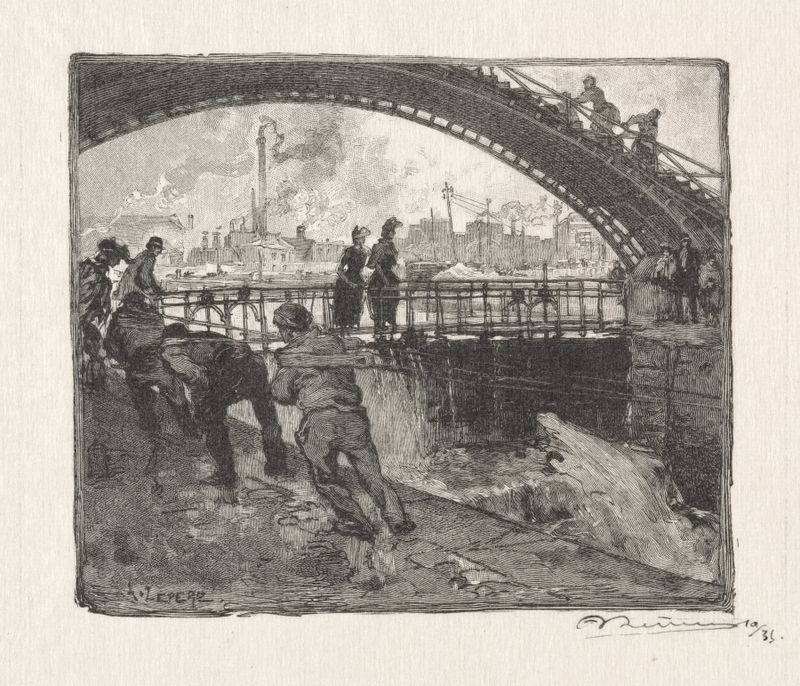
L’Ecluse du Canal St. Martin
Auguste Louis Lepère

Le Boulevard Montmartre, le Soir
Auguste Louis Lepère

Une Chasse au Mont Gérard
Auguste Louis Lepère
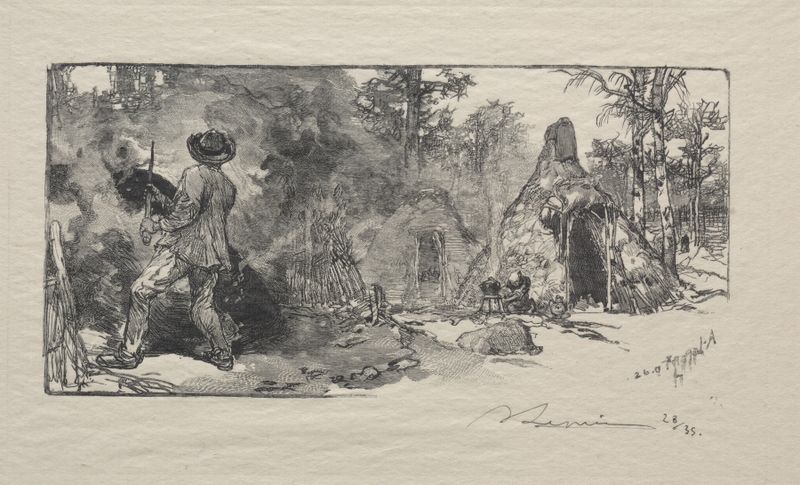
Les Charbonniere
Auguste Louis Lepère
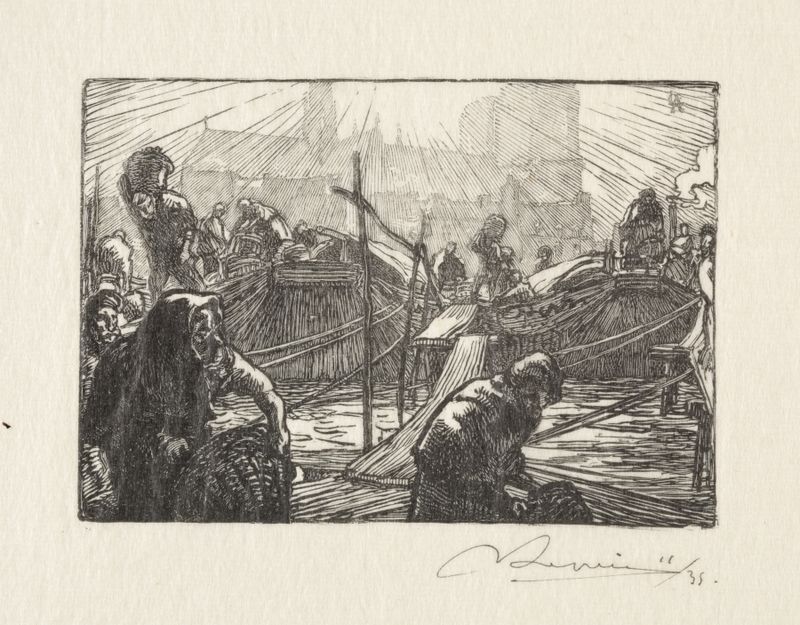
Notre Dame vue du Marché aux pommes
Auguste Louis Lepère

Le Palais des Arts Liberaux, Intèrieur
Auguste Louis Lepère





