
The River Chenab, Punjab — History & Facts
In the stillness of the landscape, hidden truths ebb and flow like the waters of the river — a reminder of the revolution stirring beneath the surface. Look to the left at the gentle curve of the river, where reflections dance upon the water's surface, captured in soft blues and greens. The horizon is punctuated by distant hills, their muted tones suggesting both serenity and the turmoil of change that linger in the air. Simpson’s brushwork evokes texture, allowing the viewer to feel the weight of the landscape, while the interplay of light and shadow draws the eye toward the heart of this tranquil yet charged scene. Within the composition, the juxtaposition of the rich, vibrant river against the somber earth tones of the surrounding land creates a visual tension that hints at underlying conflict.
The stillness of the scene belies a sense of urgency, as if the river itself carries whispers of the societal shifts occurring beyond the canvas. Each element, from the towering trees to the cloud-streaked sky, speaks of both resilience and the potential for upheaval, resonating with the historical context of the artist's time. Created in 1865 during a period of social and political upheaval, The River Chenab, Punjab reflects William Simpson's travels in India and his desire to capture its landscapes amid the tumult of colonialism. As an artist closely entwined with the British fascination for the East, he aimed to portray not just the beauty of the landscape but also the complexities of its narrative, marking a significant moment in the evolution of colonial art.
More Artworks by William Simpson
Browse all →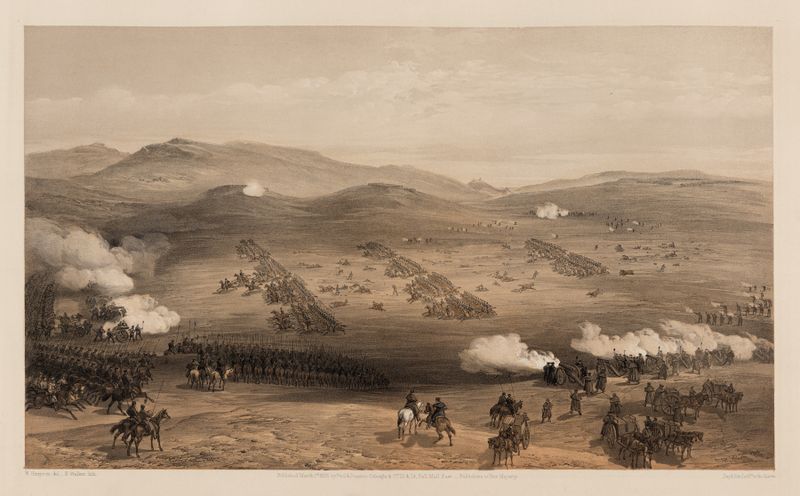
Charge of the light cavalry brigade, 25th Oct. 1854, under Major General the Earl of Cardigan
William Simpson

Charge of the heavy cavalry brigade, 25th Octr. 1854
William Simpson
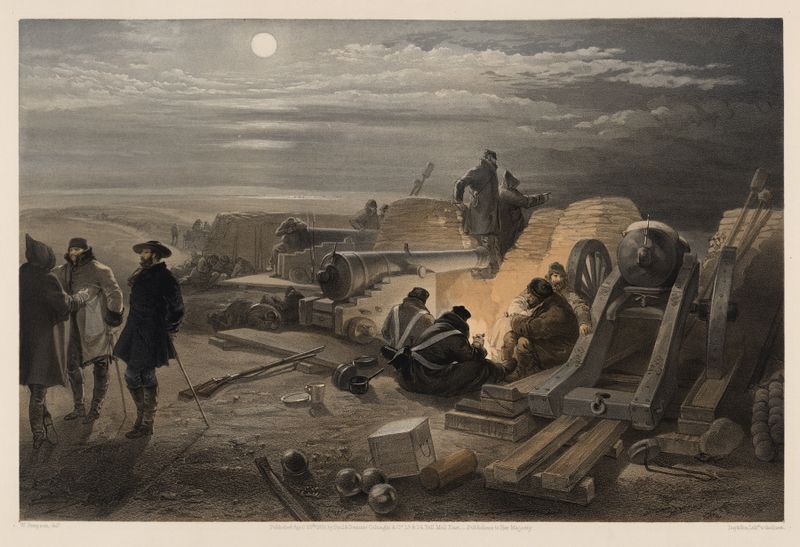
A quiet night in the batteries – a sketch in the Greenhill battery (Major Chapman’s), 29th Jany. 1855
William Simpson

The Great Wall of China
William Simpson
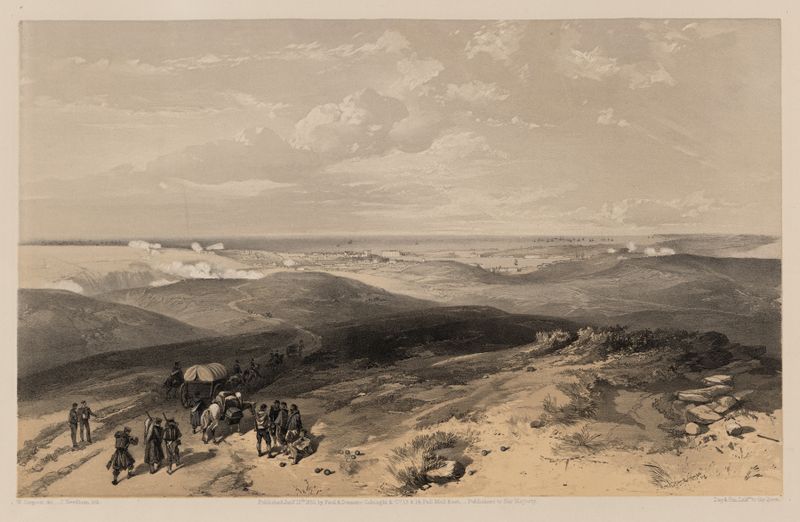
Sebastopol from the rear of the English batteries
William Simpson
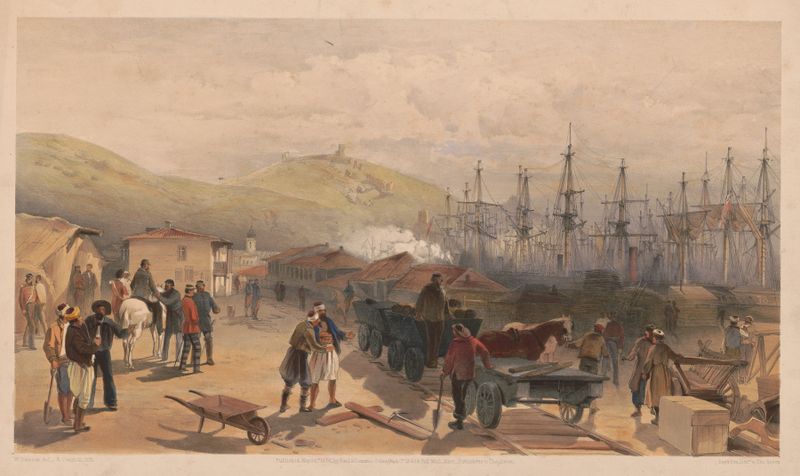
The railway at Balaklava, looking south
William Simpson

The Governor-General’s and Commander-in-Chief’s Camp at Jalandhar, 1 Febuary 1860
William Simpson
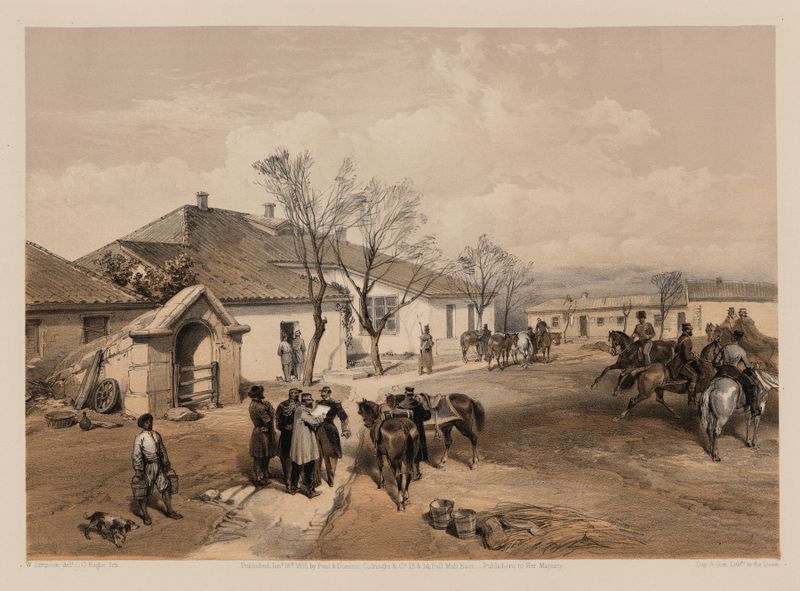
Lord Raglan’s head quarters at Khutor-Karagatch
William Simpson
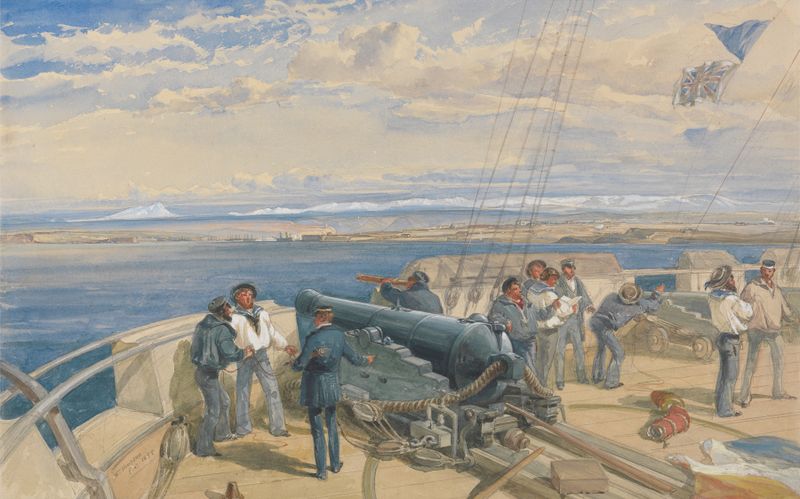
Sebastopol from the Sea, Sketched from the Deck of H. M. S. Sidon, Feb. 1855
William Simpson
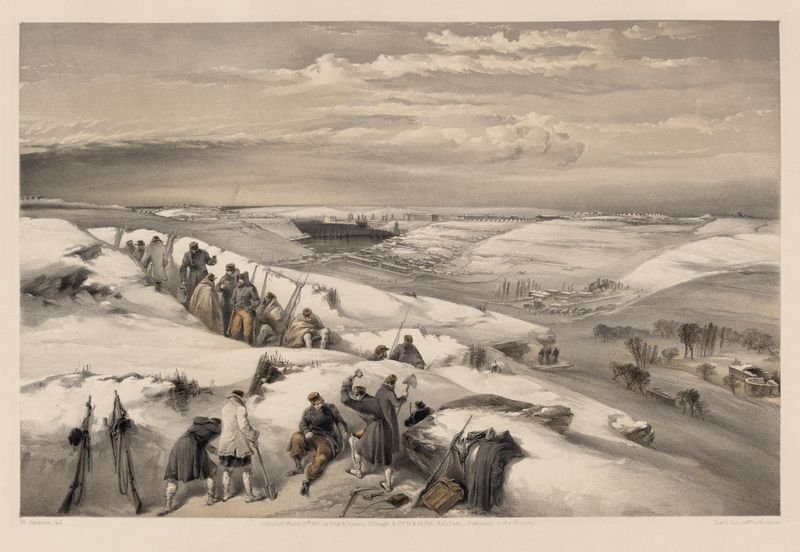
Sebastobol from the 26 gun battery on the extreme right of French attack
William Simpson





