
The River Porter, Monday — History & Facts
In a world where dreams intertwine with reality, a solitary figure stands at the edge of a river, caught between the weight of labor and the soothing embrace of nature. The quietude of the moment invites introspection, a reminder of the unseen currents that shape our existence. Look to the left at the imposing, gnarled tree, its twisted branches reaching into the sky like skeletal fingers. The river flows gently beside it, a winding ribbon of cobalt and silver breaking the stillness.
Notice how the brushstrokes vary in intensity, from bold strokes in the foreground to delicate whispers in the background, creating a sense of movement that draws the eyes along the water's edge. The contrast of light and shadow plays across the landscape, highlighting the figure's labor while caressing the serene reflections on the river's surface. Hidden within the tranquil scene lies a narrative of toil and respite. The heavy, dark tones of the tree symbolize the burdens that come with work, while the luminous water reflects not only the sky but also the dreams and aspirations of the worker.
The juxtaposition of the figure’s stillness against the flowing river suggests a moment of pause, prompting a contemplation of life's relentless passage and the fleeting nature of time. In 1897, Lepère was living in Paris, immersed in the artistic movements of his time. He was part of the Impressionist circle, grappling with the new philosophies of his contemporaries. The era was marked by experimentation and a blending of dreams with reality, influencing his portrayal of everyday life and the pastoral scenes that captured both the beauty and struggle of existence.
More Artworks by Auguste Louis Lepère
Browse all →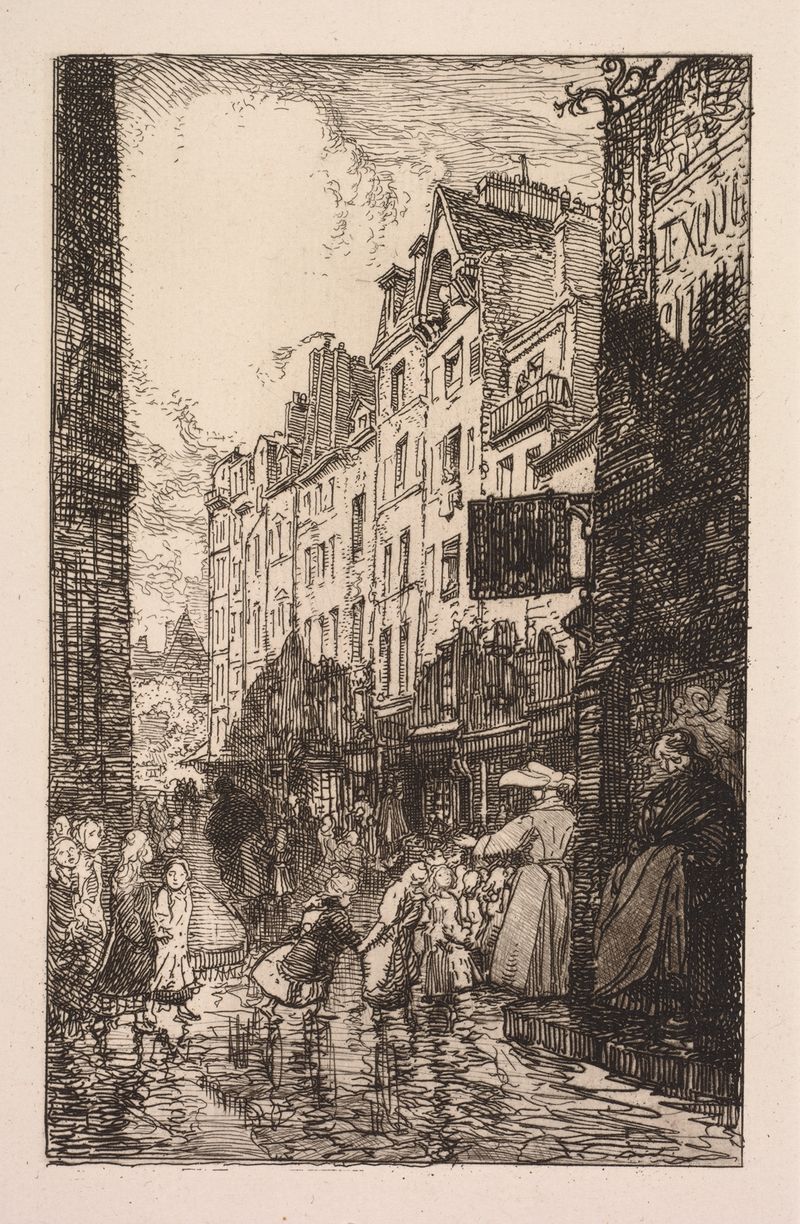
La Rue des Prêtres Saint-Séverin
Auguste Louis Lepère
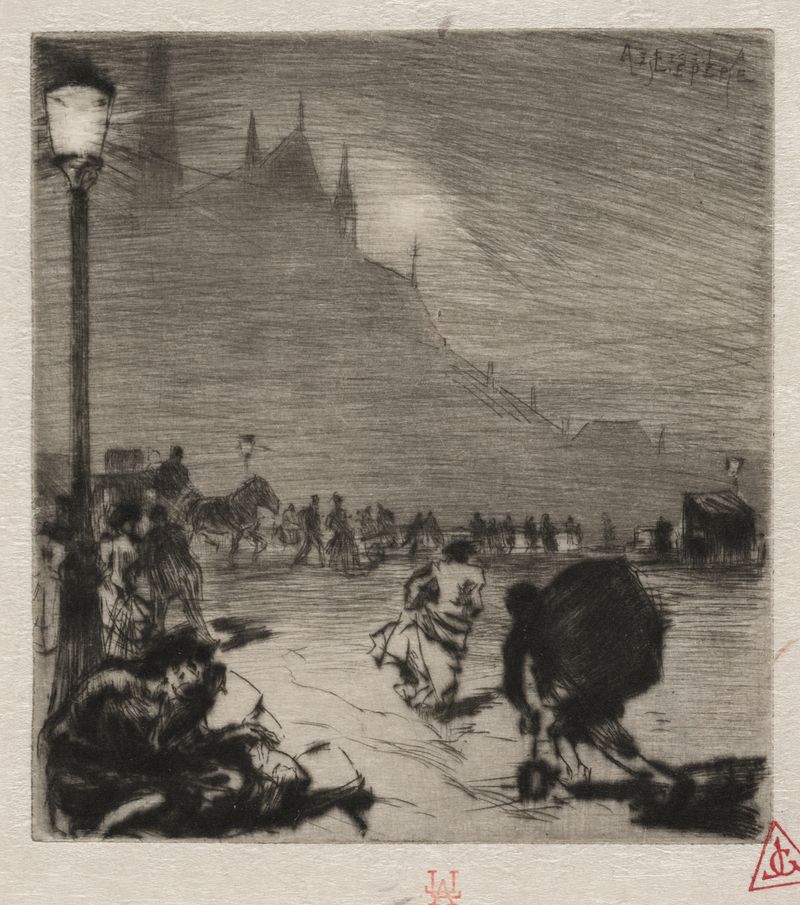
Au Coin du Pont-aux-Doubles
Auguste Louis Lepère
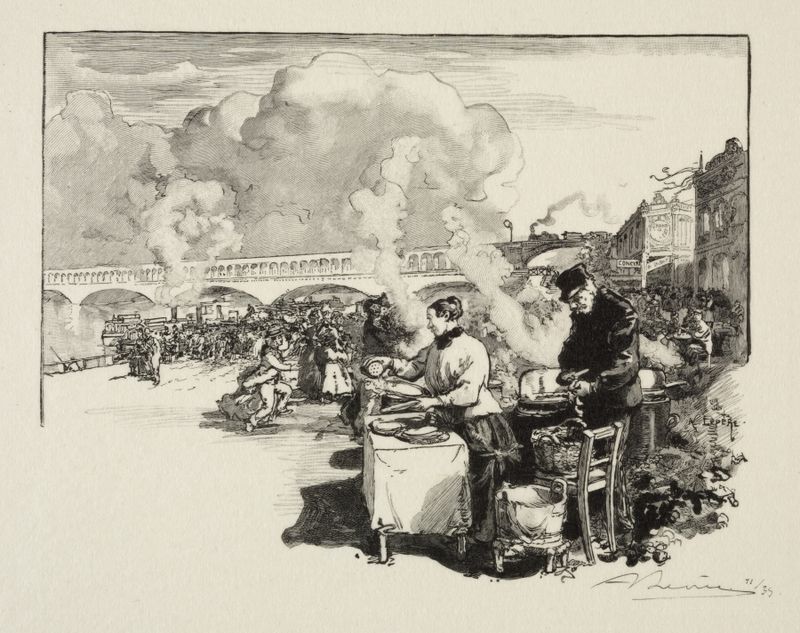
Debarcadère des bateaux-omnibus
Auguste Louis Lepère

La Seine, au quai de la Rapée
Auguste Louis Lepère
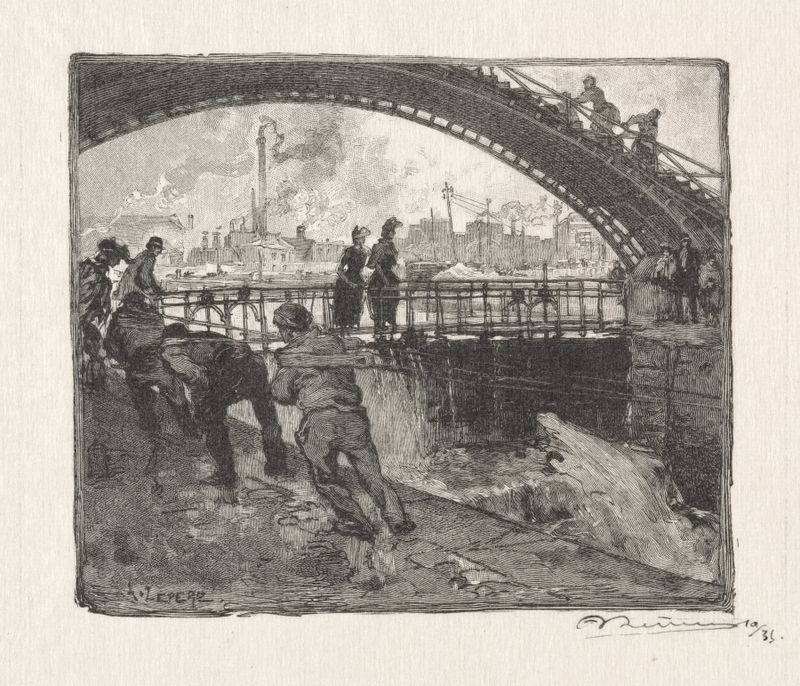
L’Ecluse du Canal St. Martin
Auguste Louis Lepère

Le Boulevard Montmartre, le Soir
Auguste Louis Lepère

Une Chasse au Mont Gérard
Auguste Louis Lepère
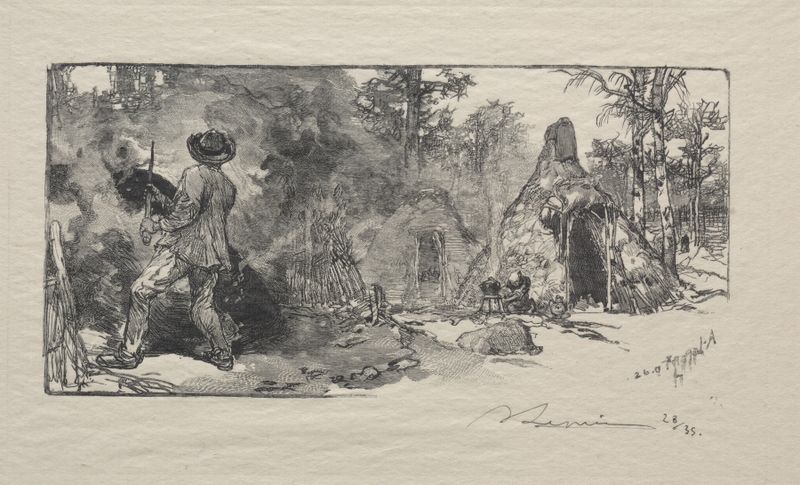
Les Charbonniere
Auguste Louis Lepère
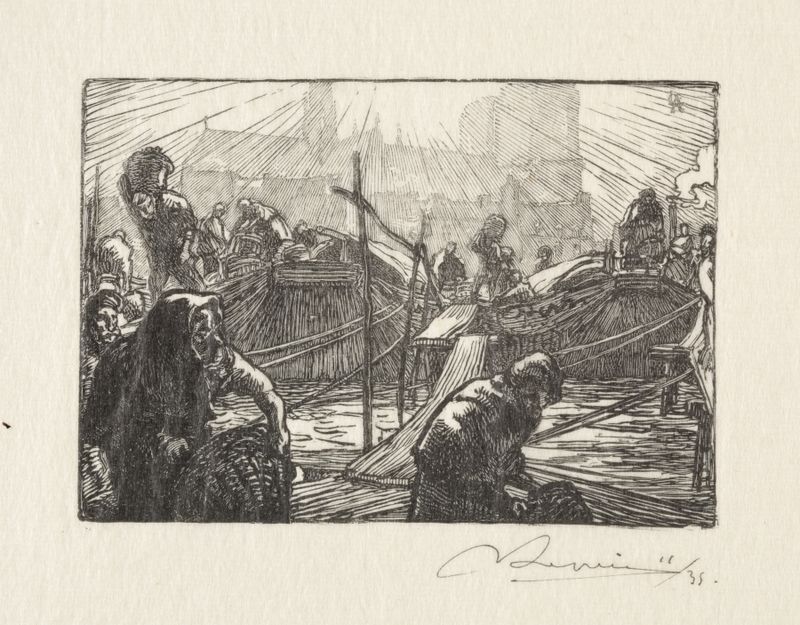
Notre Dame vue du Marché aux pommes
Auguste Louis Lepère

Le Palais des Arts Liberaux, Intèrieur
Auguste Louis Lepère





