The Road to Vétheuil — History & Facts
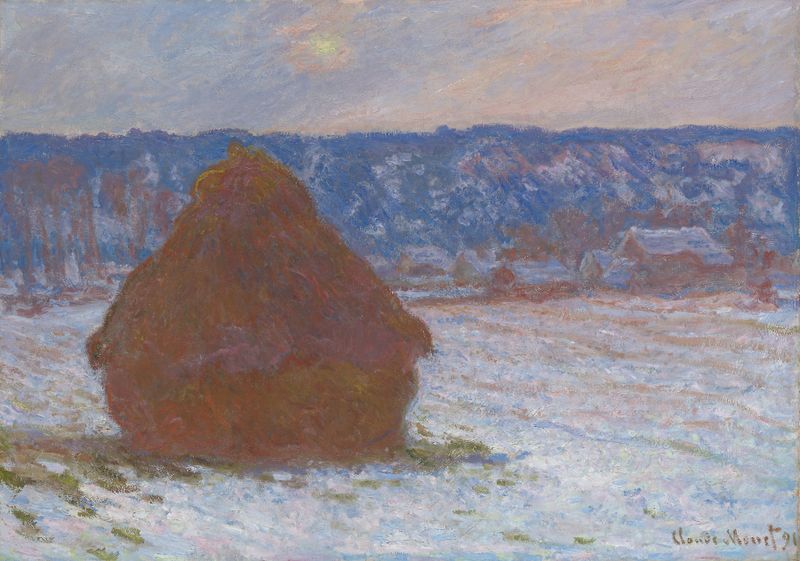
Could a single brushstroke hold eternity? In The Road to Vétheuil, we find ourselves enveloped in a moment of quiet reflection, a longing that stretches beyond the canvas. Each stroke of vibrant color whispers secrets of the past—of nature's beauty, of fleeting time, and an unquenchable yearning for connection. Look to the left, where the soft, dappled sunlight filters through lush trees, illuminating the winding path that beckons the eye forward. The vibrant greens of the foliage contrast beautifully with the deep blues of the sky, while the subtle play of light suggests a late afternoon glow.
Notice how the brushwork is both deliberate and fluid, capturing the essence of movement—inviting the viewer to step into this serene journey toward Vétheuil, a village that seems both familiar and distant. Emotionally, the painting encapsulates a tension between the tranquillity of nature and the underlying ache for what lies beyond the horizon. The path, while inviting, hints at an elusive destination, symbolizing both hope and uncertainty. The soft blending of colors creates a dreamlike quality, hinting at the fleeting nature of time and the artist's own introspection in capturing beauty that is ever-changing. Claude Monet painted The Road to Vétheuil in 1879 during a period of profound personal and artistic evolution.
He had recently moved to Vétheuil, where he sought solace after personal loss and a turbulent life in Paris. This work reflects not only his mastery of light and color but also the broader Impressionist movement, which was reshaping how art interacted with both nature and emotion, encouraging viewers to find beauty in the transient moments of life.