Discover insights about this artwork
The Rock of Hautepierre — History & Facts
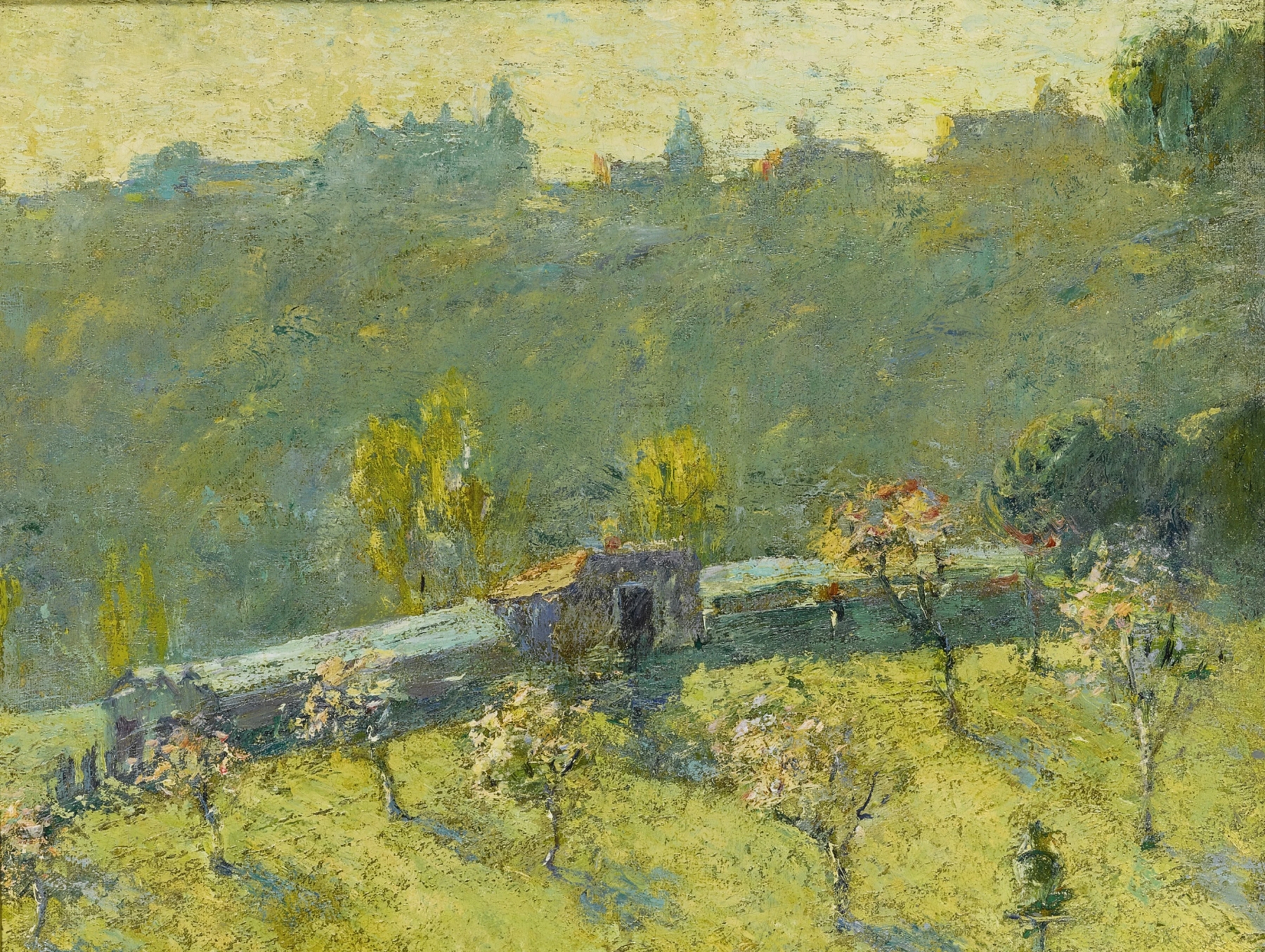
In The Rock of Hautepierre, Gustave Courbet presents a rugged landscape dominated by a large rock formation. The colors are earthy, with deep greens and browns that reflect the natural environment. The sky is a muted blue, suggesting a calm day.
The overall composition invites the viewer to appreciate the raw beauty of nature. The painting is executed in oil on canvas, a medium that allows for rich texture and depth. Courbet's brushwork is visible, giving the surface a dynamic quality. The dimensions are approximately 60 x 80 cm, making it a moderate-sized work that can be appreciated up close.
The realistic portrayal of the rock and surrounding foliage showcases Courbet's commitment to realism. Gustave Courbet was a leading figure in the Realism movement, emphasizing the importance of depicting everyday life and nature. The Rock of Hautepierre reflects his fascination with the natural world and his desire to break away from traditional artistic conventions. An interesting fact about this work is that it exemplifies Courbet's technique of using thick paint to create texture, which was innovative for his time.
More Artworks by Gustave Courbet
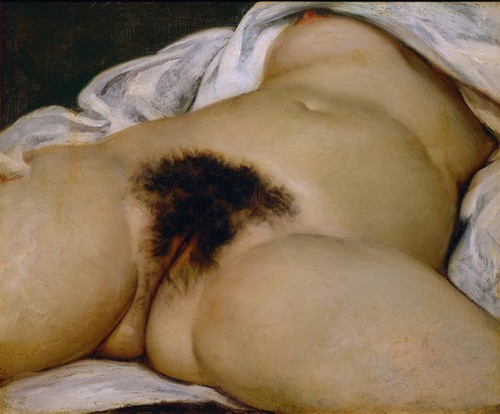
Origin of the World
Gustave Courbet
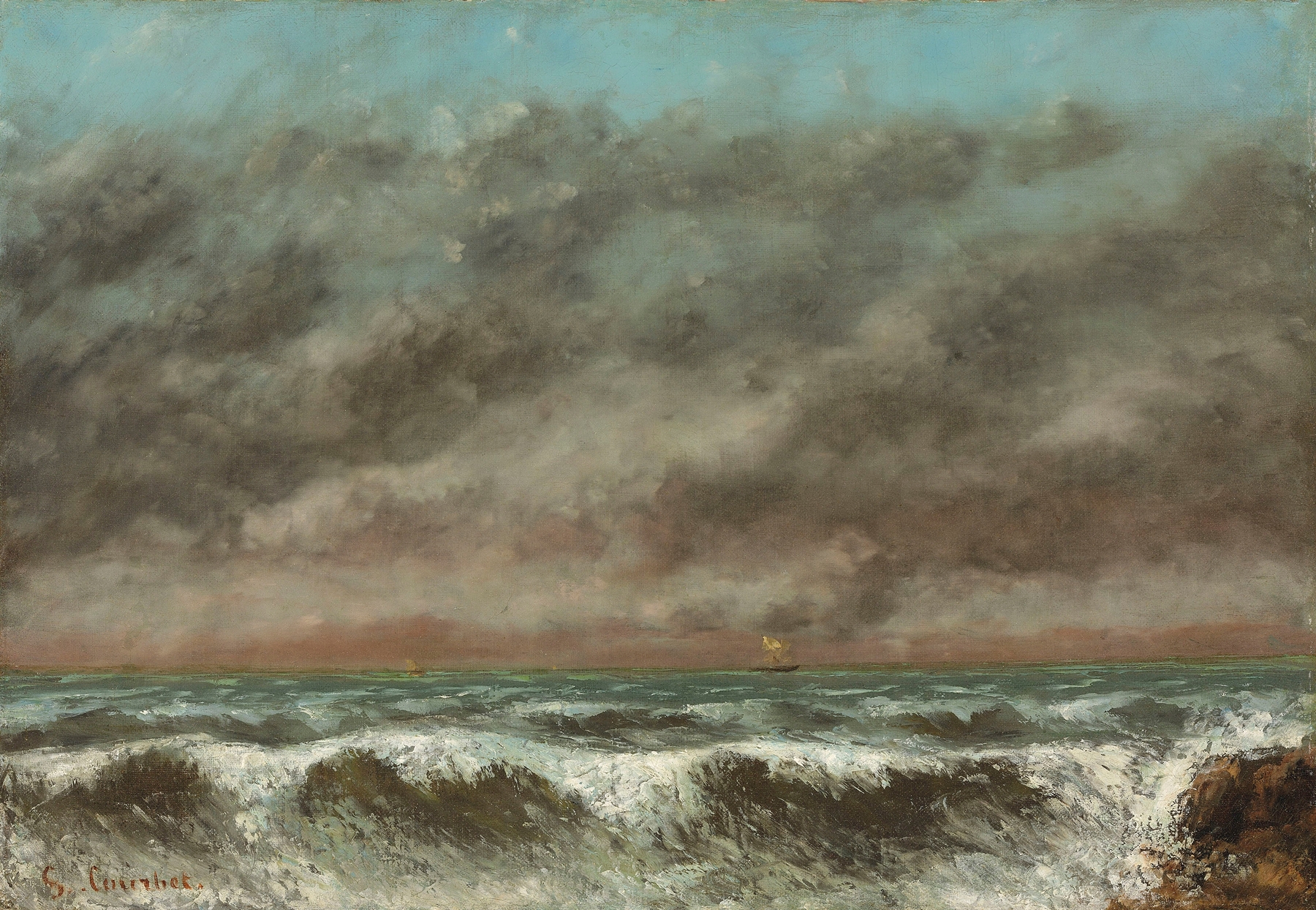
Marine
Gustave Courbet
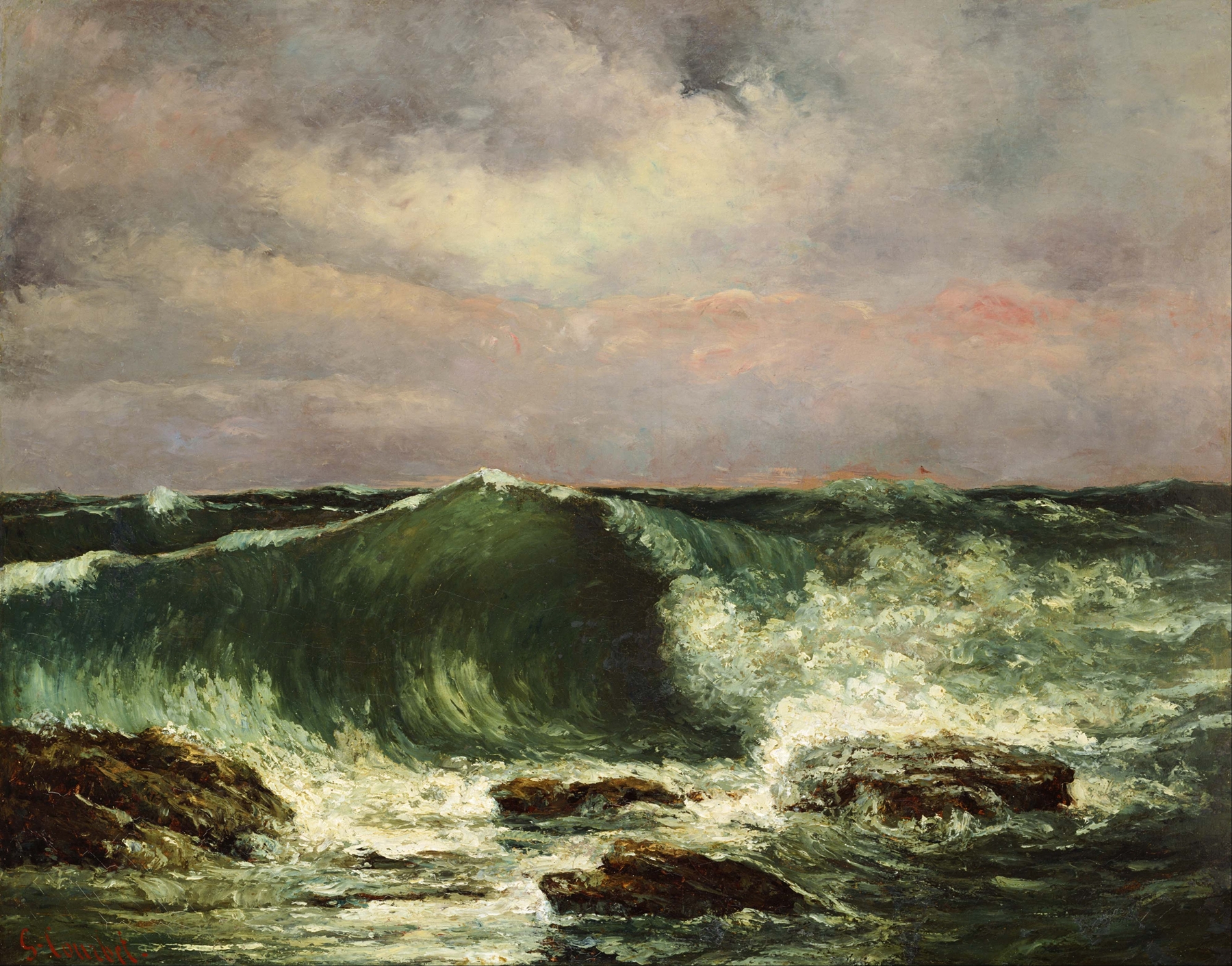
Waves
Gustave Courbet
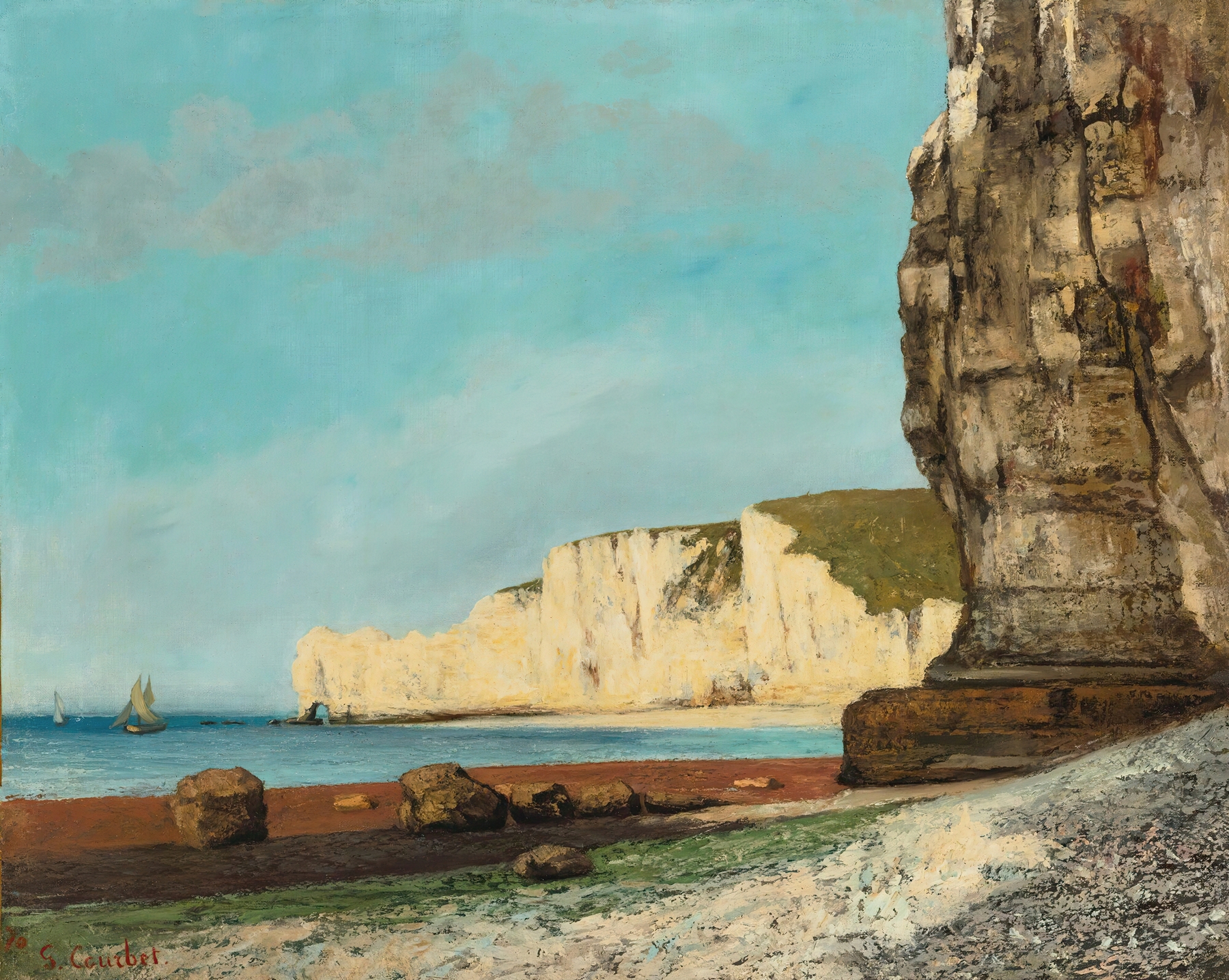
Étretat; Les Falaises
Gustave Courbet
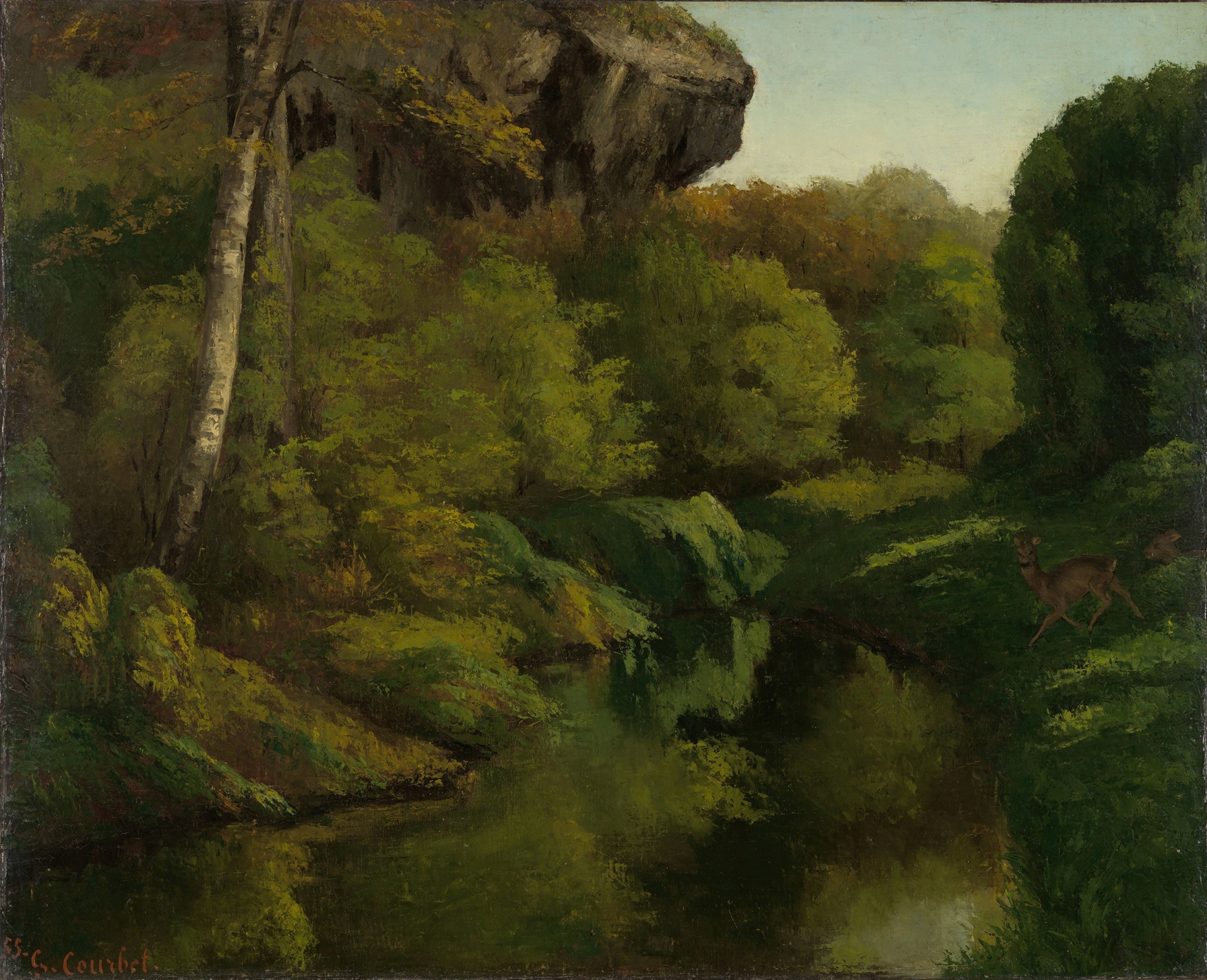
View in the Forest of Fontainebleau
Gustave Courbet
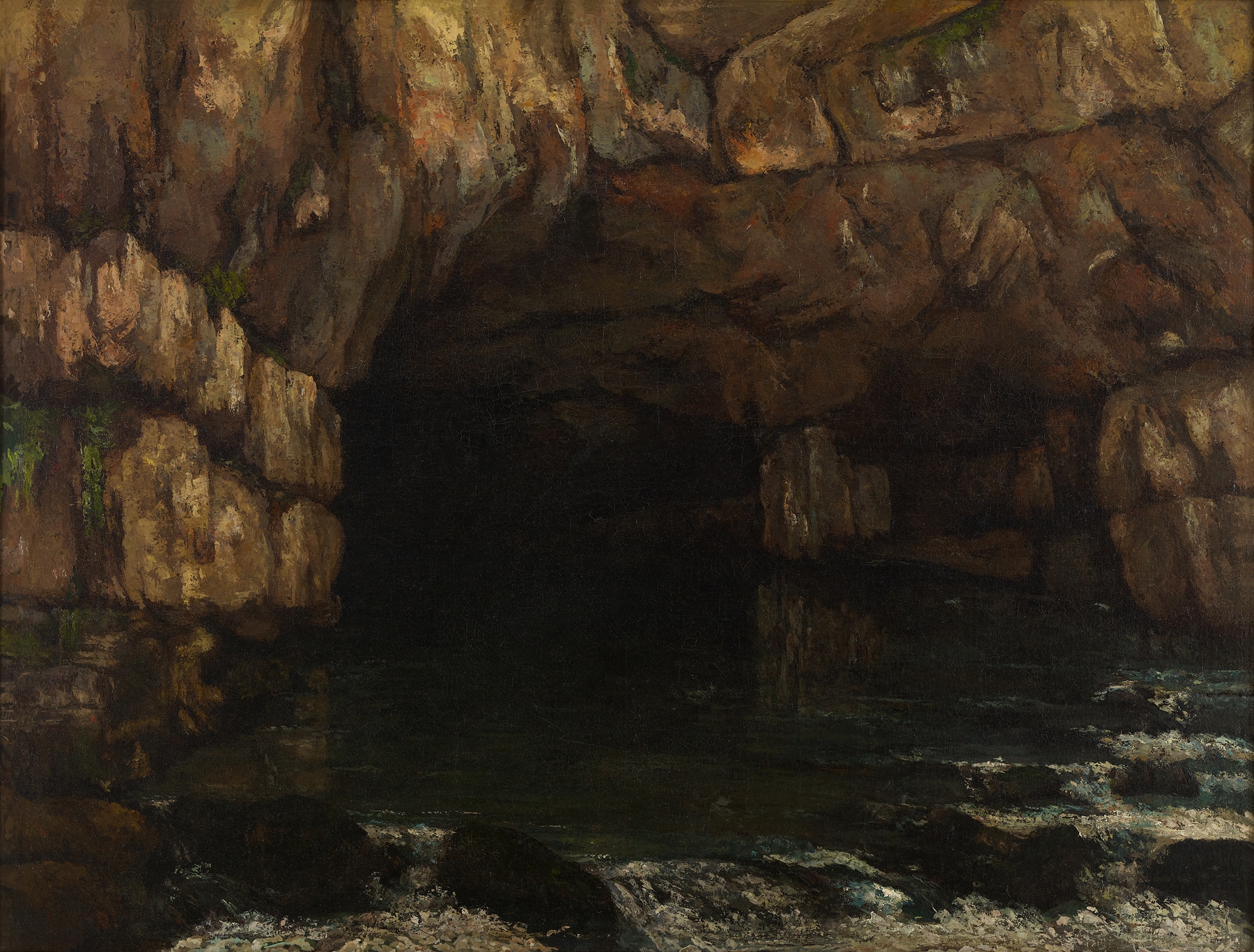
La source de la Loue (The Source of the Loue)
Gustave Courbet
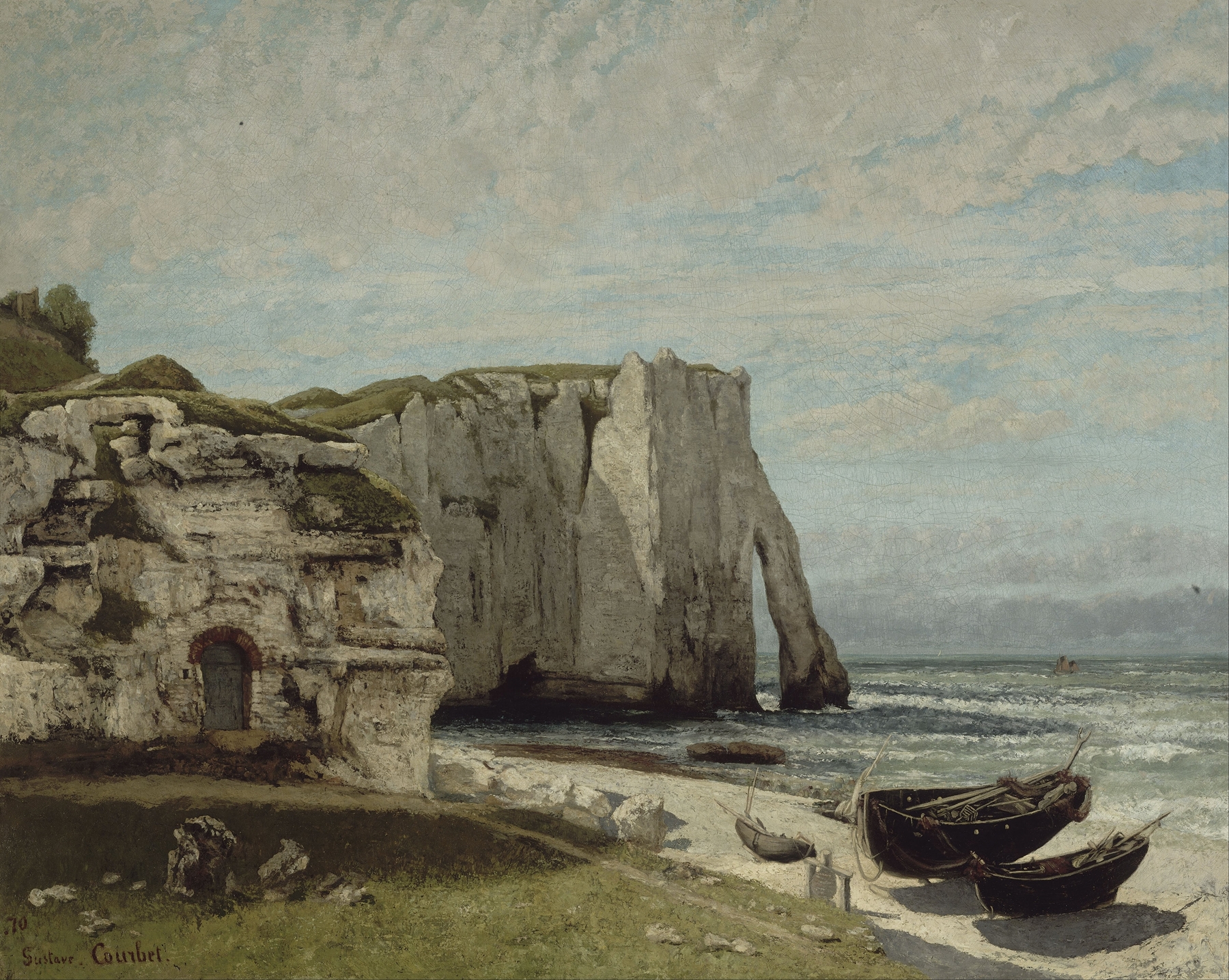
The Etretat Cliffs after the Storm
Gustave Courbet
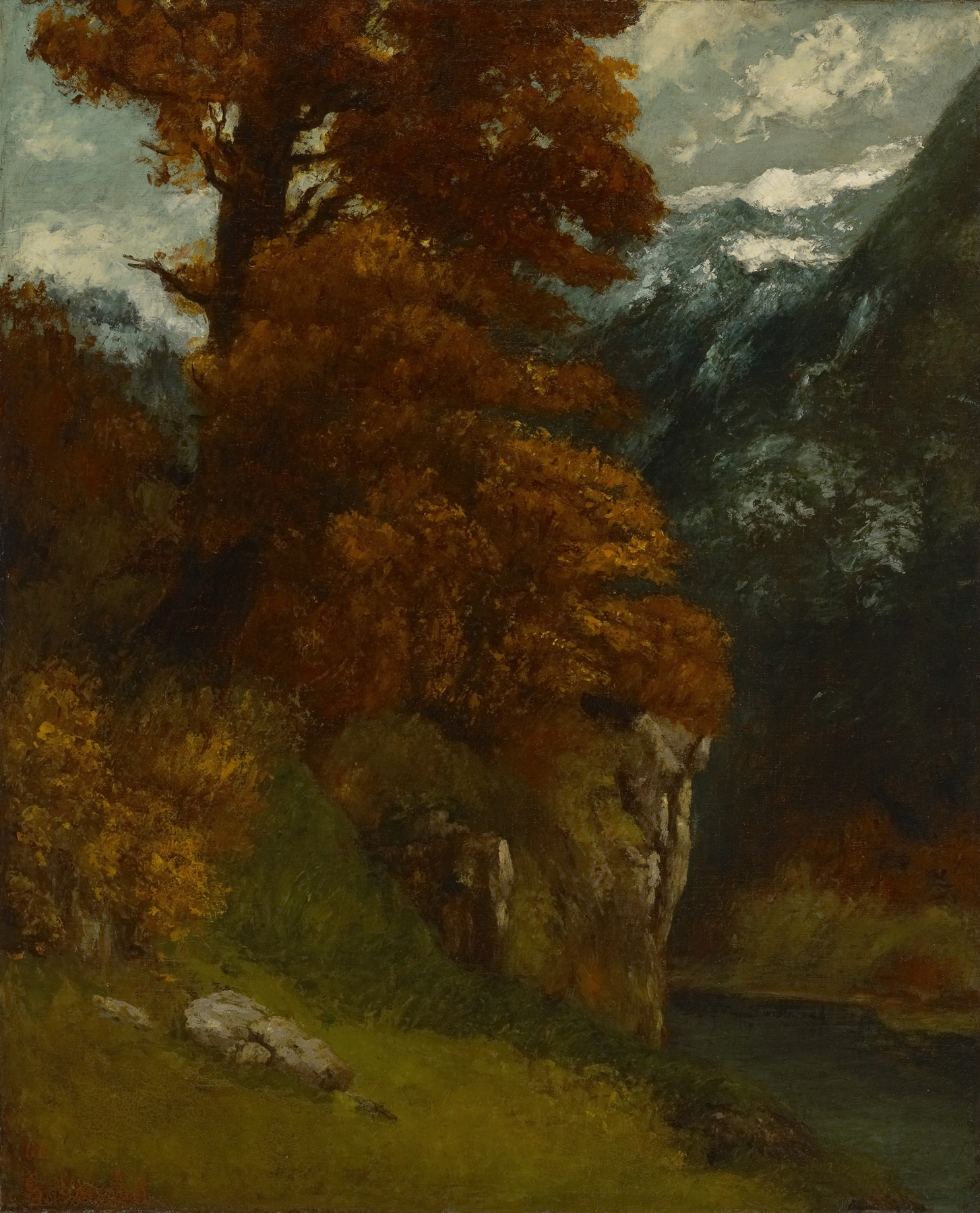
The Glen at Ornans (Bords du Doubs; Effet d’Automne)
Gustave Courbet
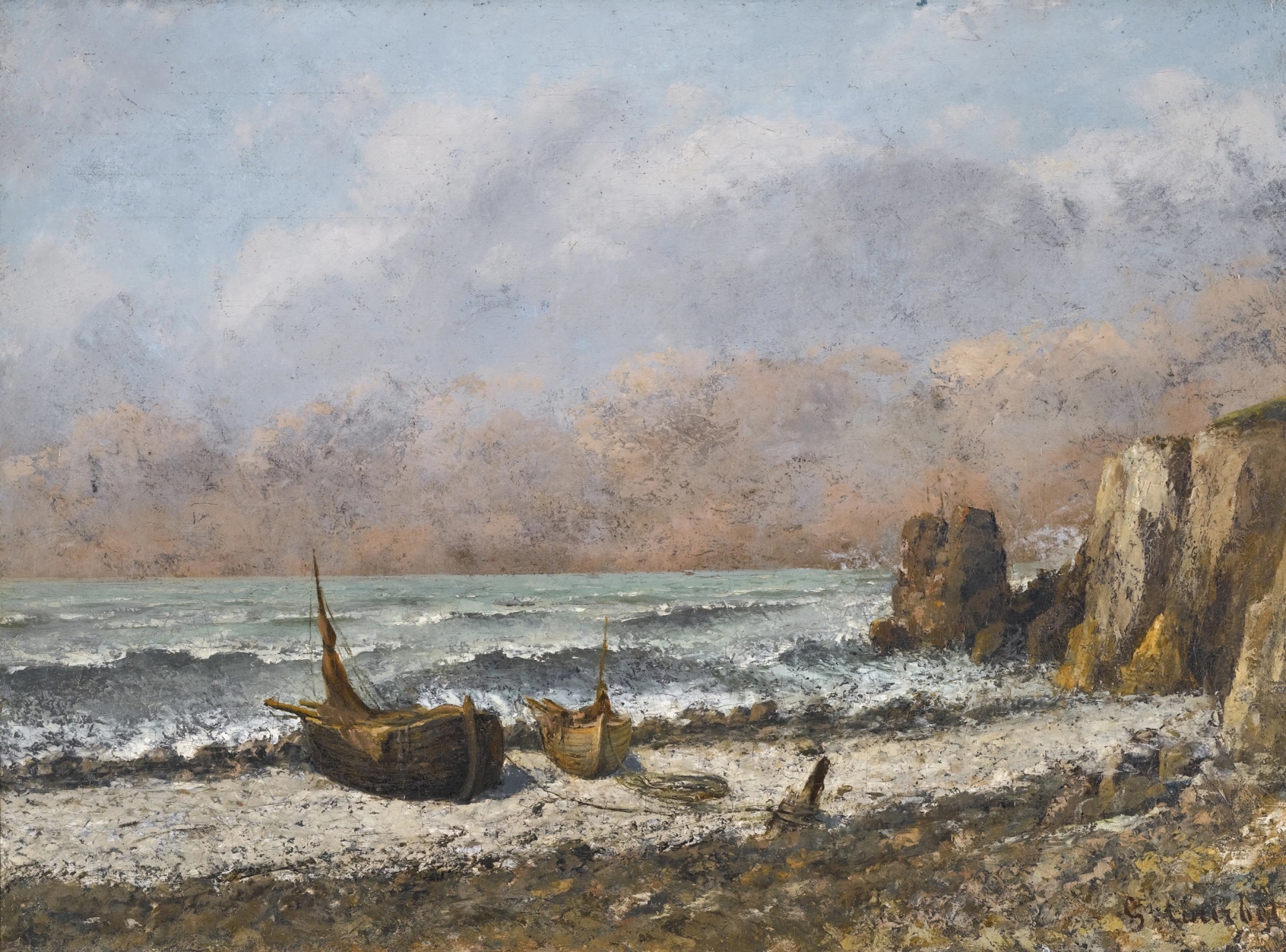
Deux bateaux sur la plage
Gustave Courbet
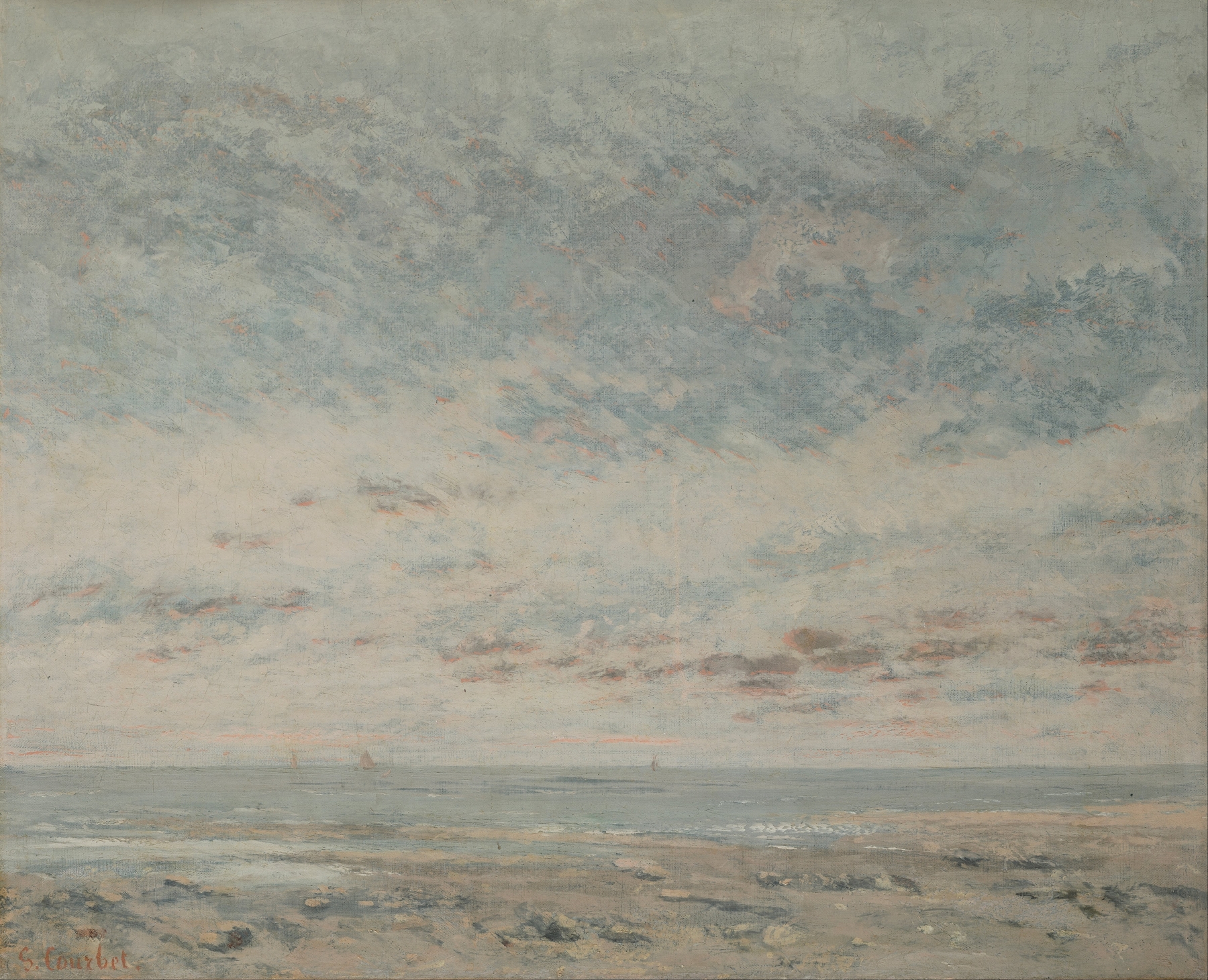
Low Tide at Trouville
Gustave Courbet