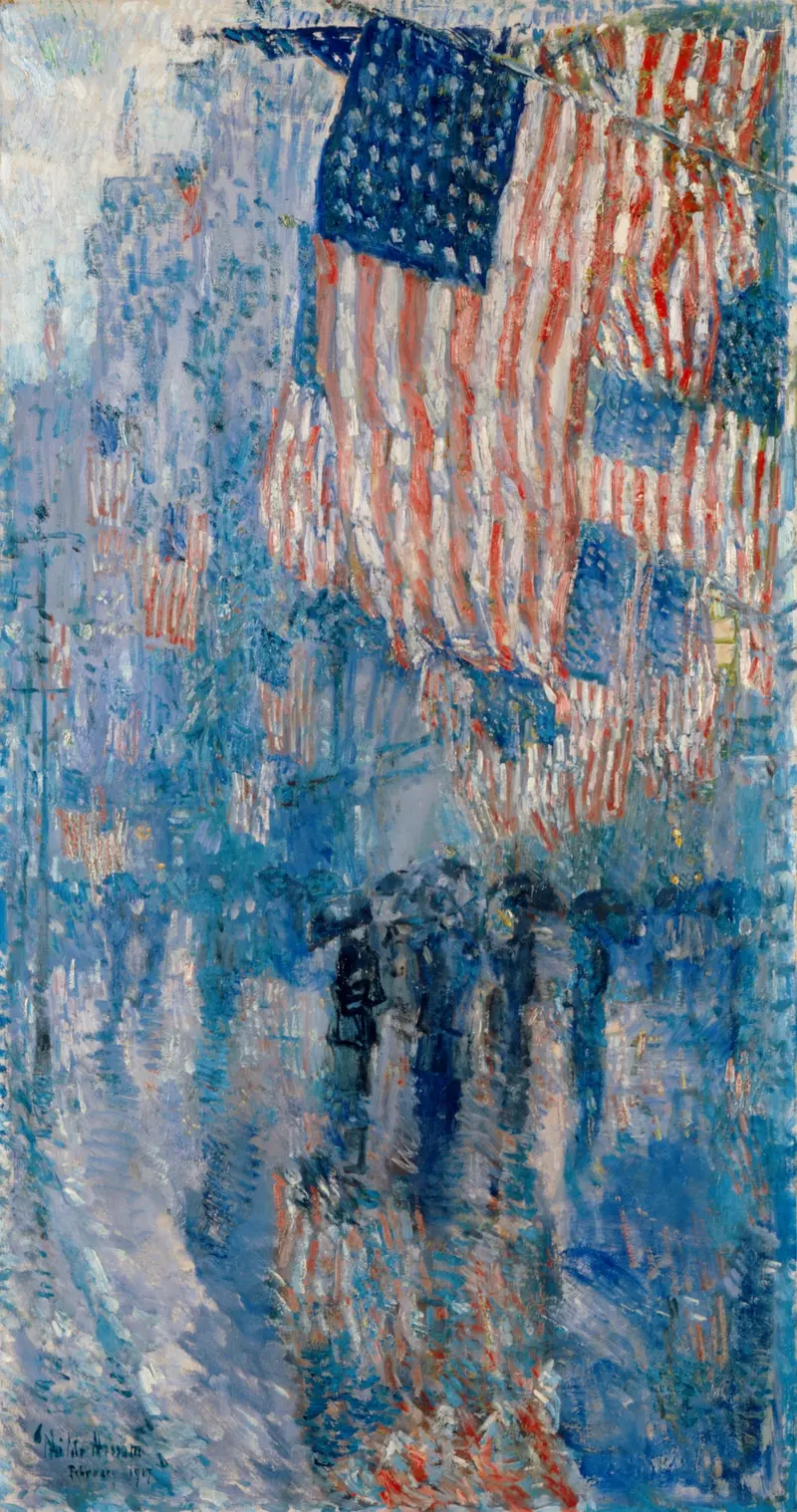
The Rooftops — History & Facts
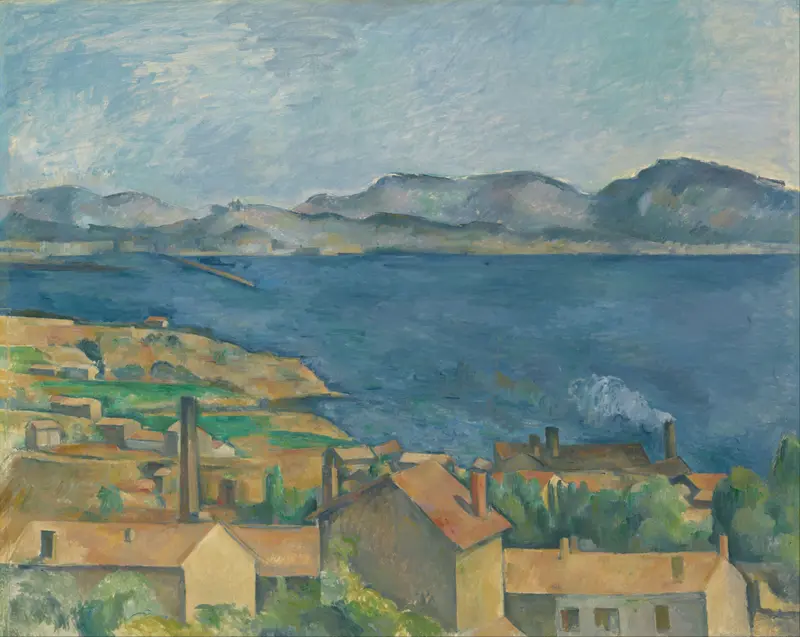
In The Rooftops, Paul Cézanne presents a lively urban scene filled with rooftops. The painting features a variety of colors, including warm reds, soft blues, and earthy greens. The rooftops are depicted in a somewhat abstract manner, emphasizing their shapes and angles.
This creates a dynamic composition that draws the viewer's eye across the canvas. Cézanne's technique in this painting showcases his signature brushwork, with visible strokes that add texture and depth. The use of color is particularly striking, as he blends hues to create shadows and highlights. The overall composition is balanced, with a harmonious arrangement of elements that guide the viewer's gaze.
The painting is executed in oil on canvas, typical of Cézanne's preferred medium. The Rooftops is an excellent example of Cézanne's transition from Impressionism to Post-Impressionism. During this period, he focused on structure and form, which is evident in the geometric shapes of the rooftops. An interesting fact about this work is that it reflects his fascination with the urban landscape, a theme he explored throughout his career.
This painting is part of the collection at the Musee d'Orsay, which houses many of his significant works.
More Artworks by Paul Cézanne

The Boy in the Red Vest
Paul Cézanne
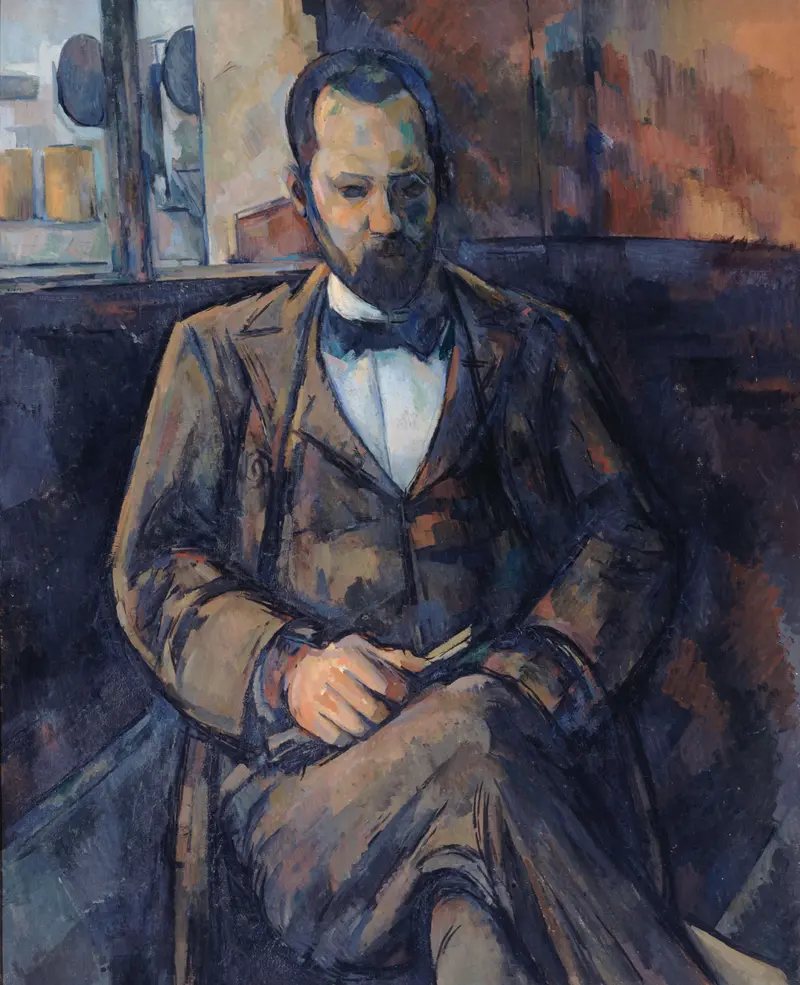
Portrait of Ambroise Vollard
Paul Cézanne
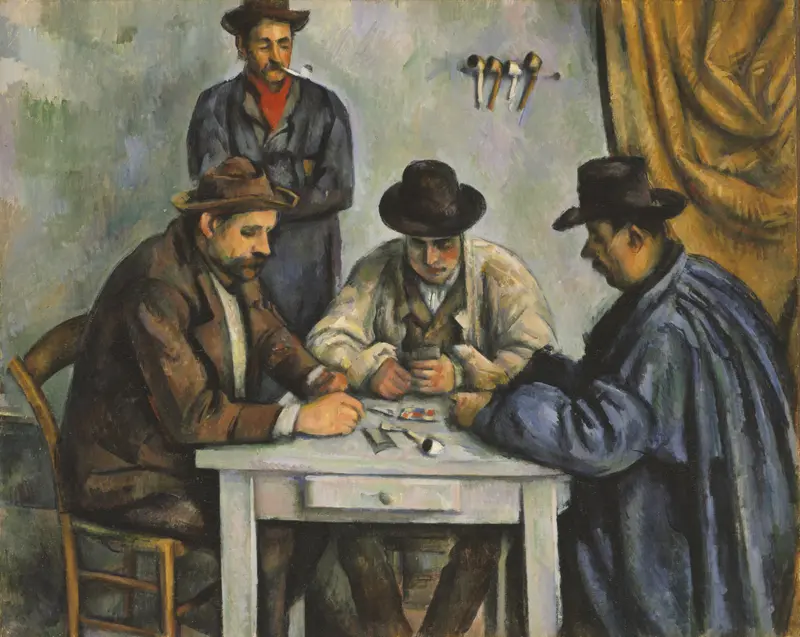
The Card Players
Paul Cézanne
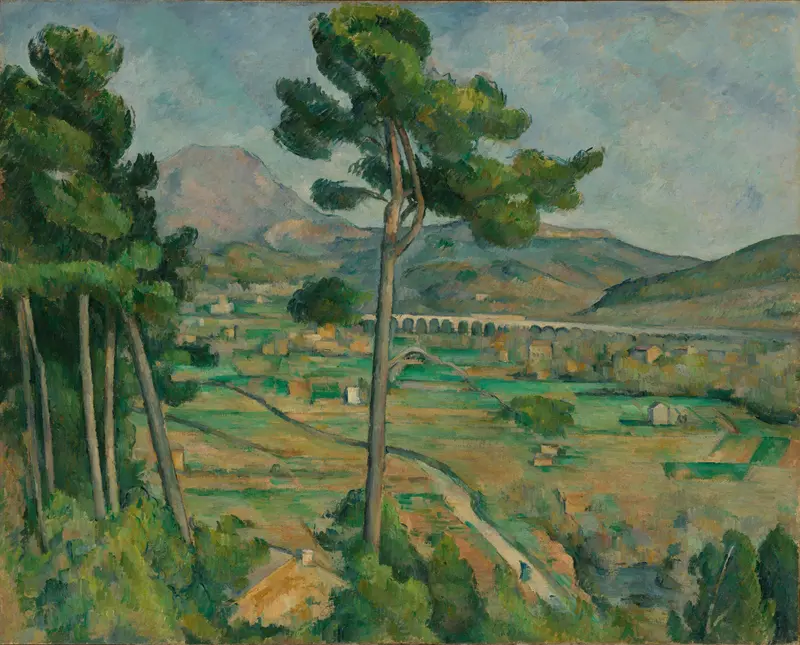
Mont Sainte-Victoire and the Viaduct of the Arc River Valley
Paul Cézanne
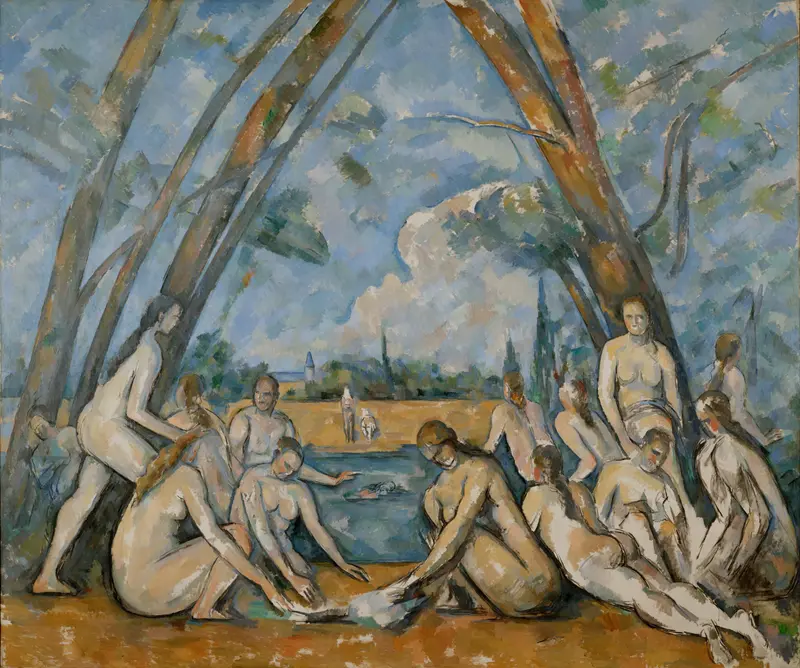
The Large Bathers
Paul Cézanne
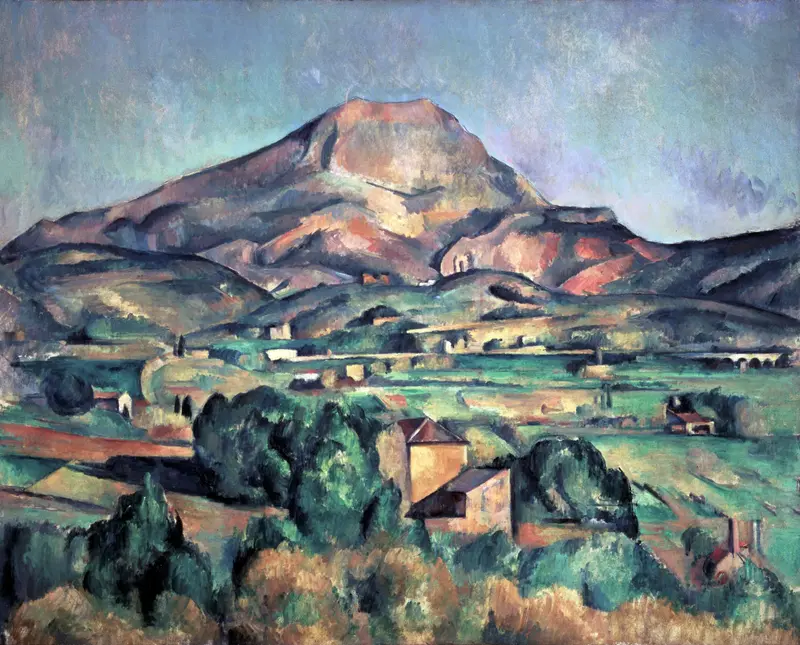
Mont Sainte-Victoire Seen from Bellevue
Paul Cézanne
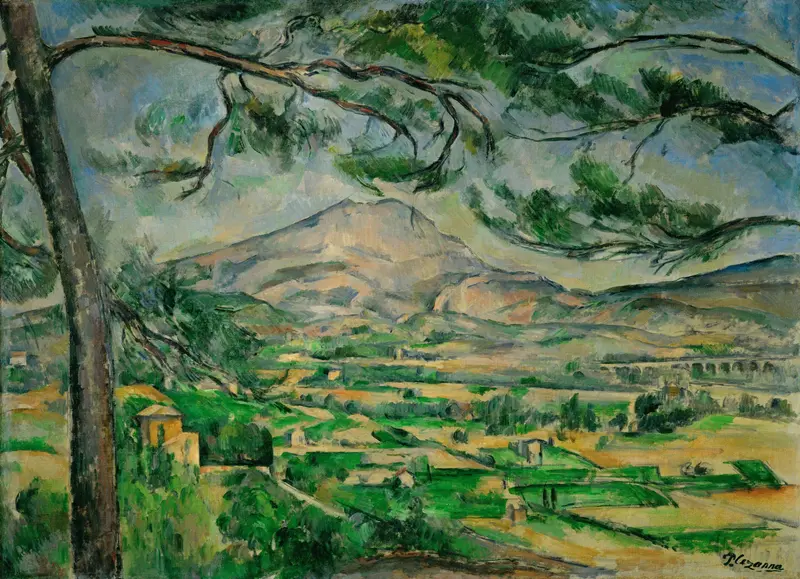
Mont Sainte-Victoire with Large Pine
Paul Cézanne
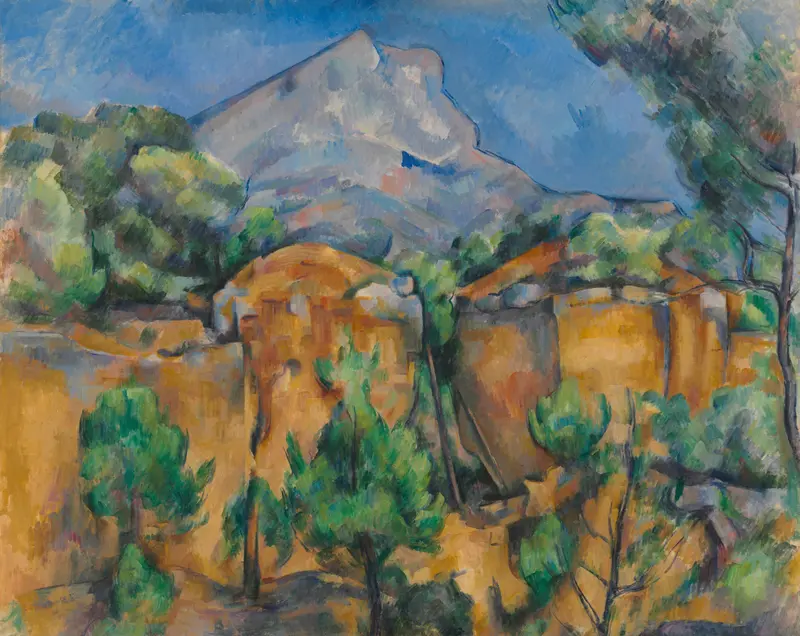
Mont Sainte-Victoire Seen from the Bibemus Quarry
Paul Cézanne
The Bay of Marseille, Seen from L'Estaque
Paul Cézanne

Apples
Paul Cézanne