
The Sacrifice of Iphigenia — History & Facts
In The Sacrifice of Iphigenia, Gaetano Gandolfi presents a dramatic scene filled with emotion. The painting features Iphigenia at the center, surrounded by figures expressing a range of feelings from despair to determination. Rich colors dominate the canvas, with deep reds and soft whites contrasting against darker backgrounds.
The setting appears to be a classical landscape, enhancing the mythological theme of the work. The painting is executed in oil on canvas, a medium that allows for rich textures and vibrant colors. Gandolfi's technique showcases his skill in blending light and shadow, creating depth in the figures and the surrounding environment. The composition is carefully arranged, guiding the viewer's eye towards the central figure of Iphigenia.
This attention to detail reflects the neoclassical style, emphasizing clarity and order. Gaetano Gandolfi was an Italian painter known for his neoclassical works that often depicted mythological themes. This painting, created in the late 18th century, reflects the era's fascination with classical antiquity and heroic narratives. An interesting fact about this work is that it captures a pivotal moment from Greek mythology, where Iphigenia is sacrificed to appease the gods, showcasing the tension between duty and personal sacrifice.
Gandolfi's interpretation adds a layer of emotional depth to this ancient story.
More Artworks by Gaetano Gandolfi

Marcus Curtius Leaping into the Chasm
Gaetano Gandolfi
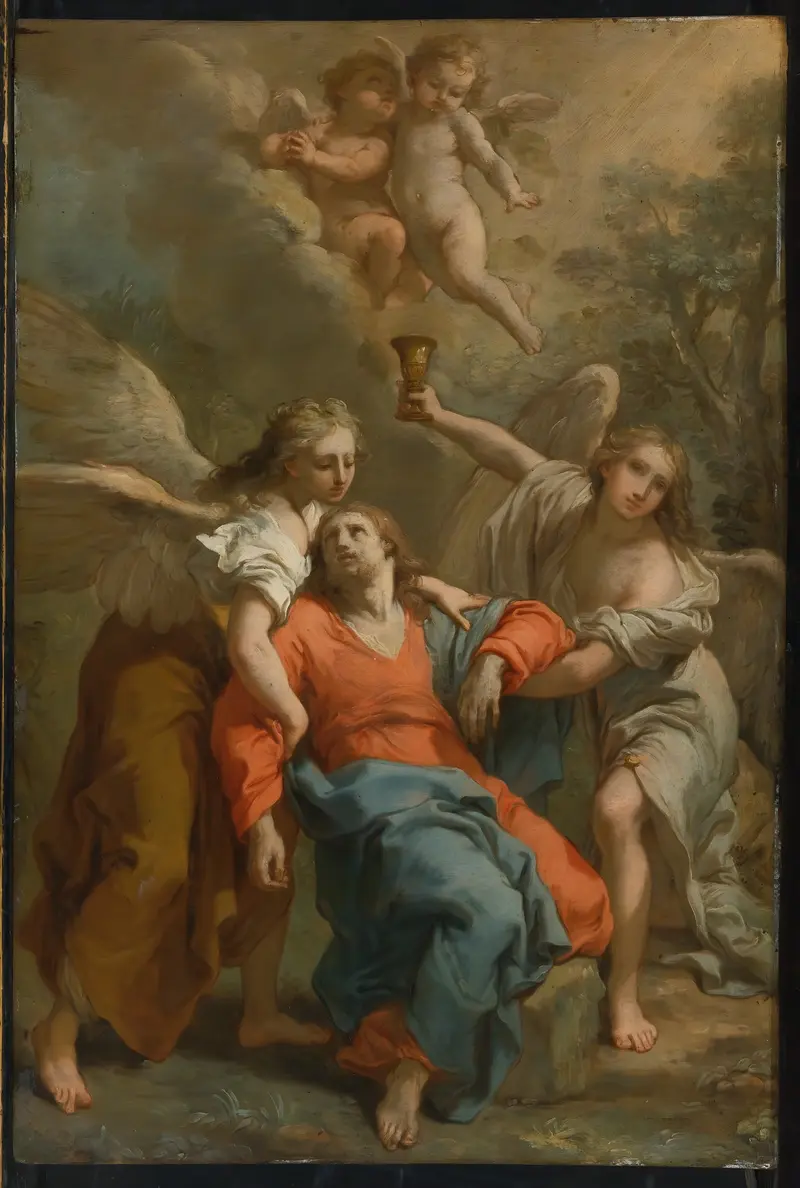
The Agony Of Christ
Gaetano Gandolfi
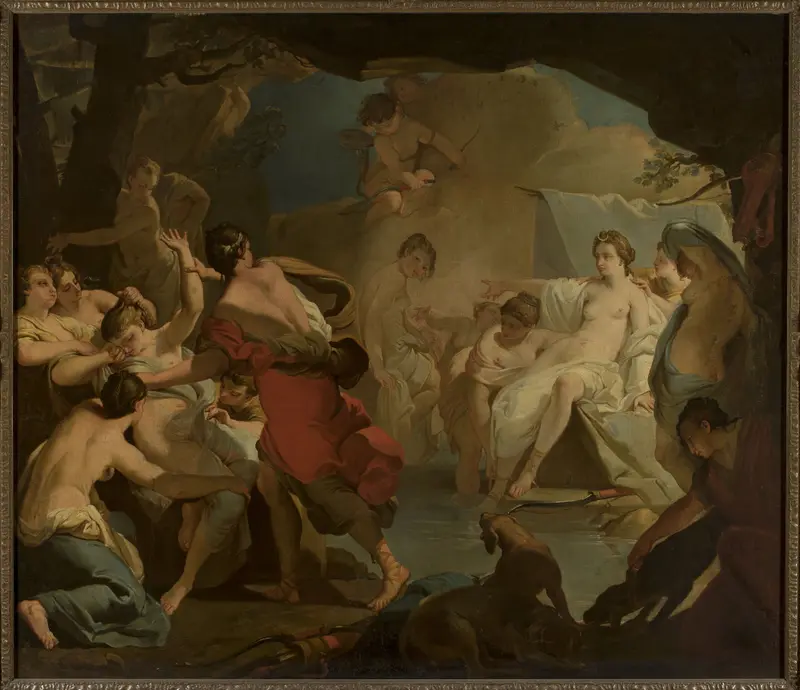
Diana and Callisto
Gaetano Gandolfi
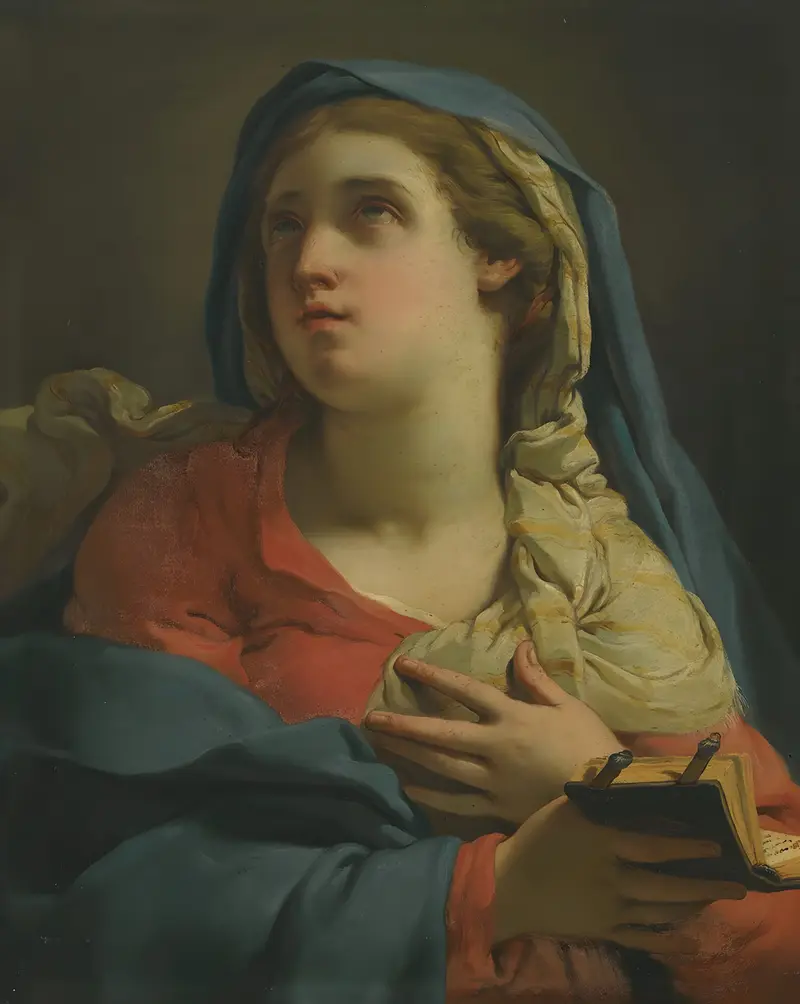
Madonna Annunciate
Gaetano Gandolfi
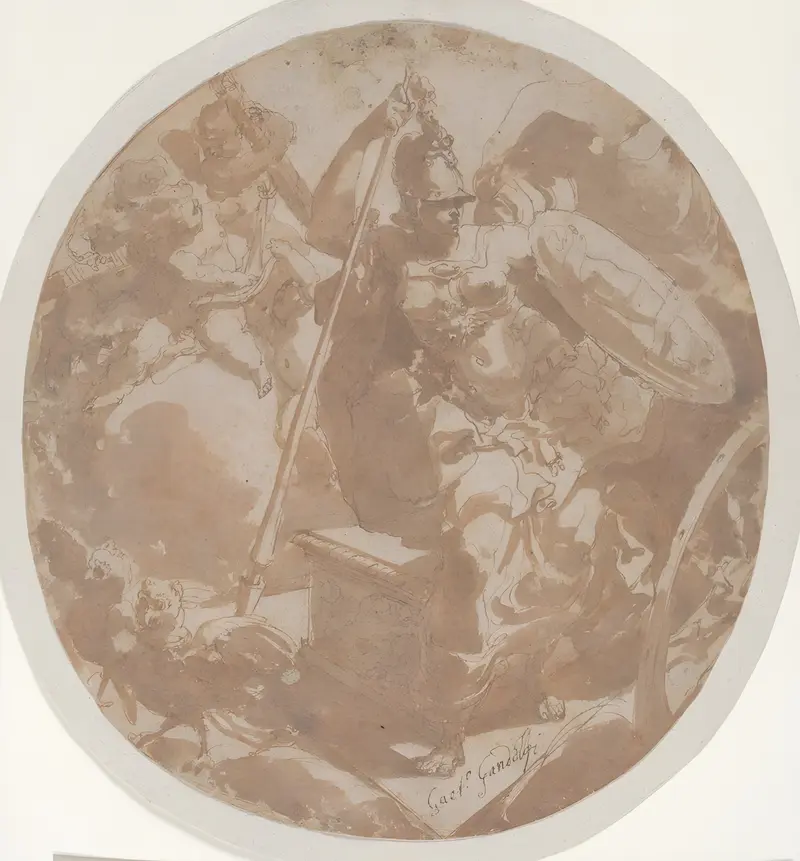
Minerva with her Sacred Bird, the Owl
Gaetano Gandolfi
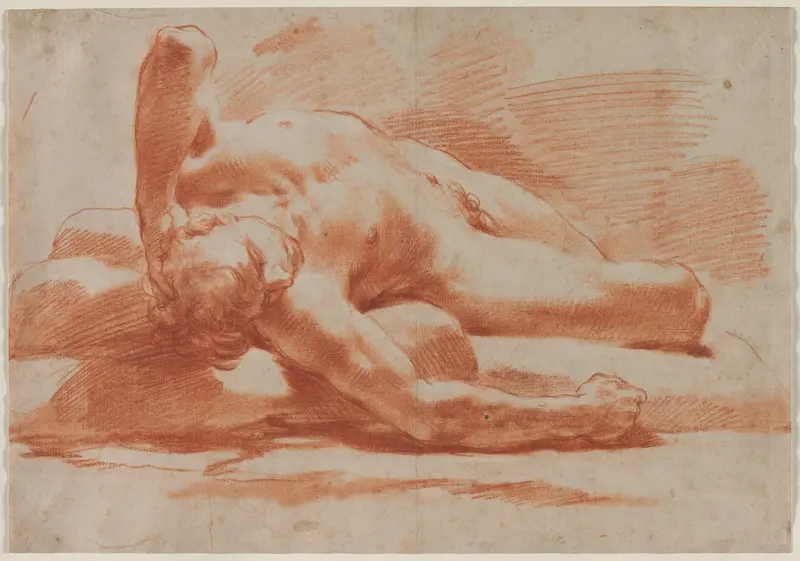
Reclining Male Nude
Gaetano Gandolfi
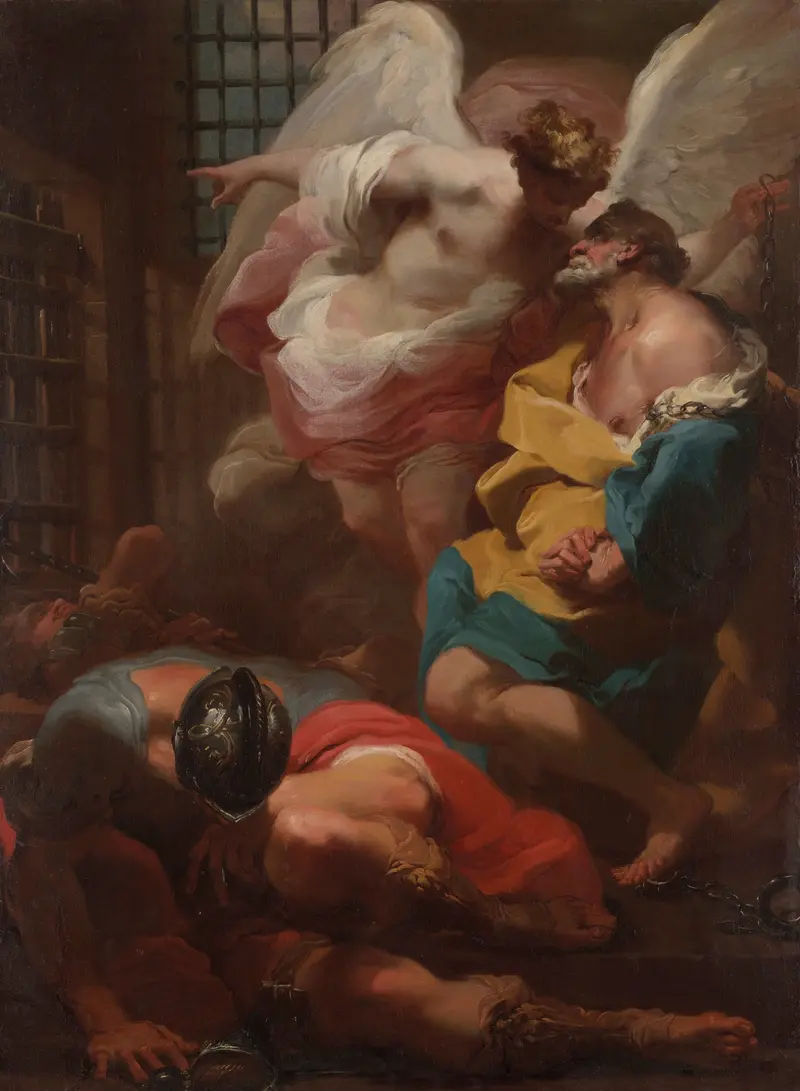
The Liberation of Saint Peter
Gaetano Gandolfi
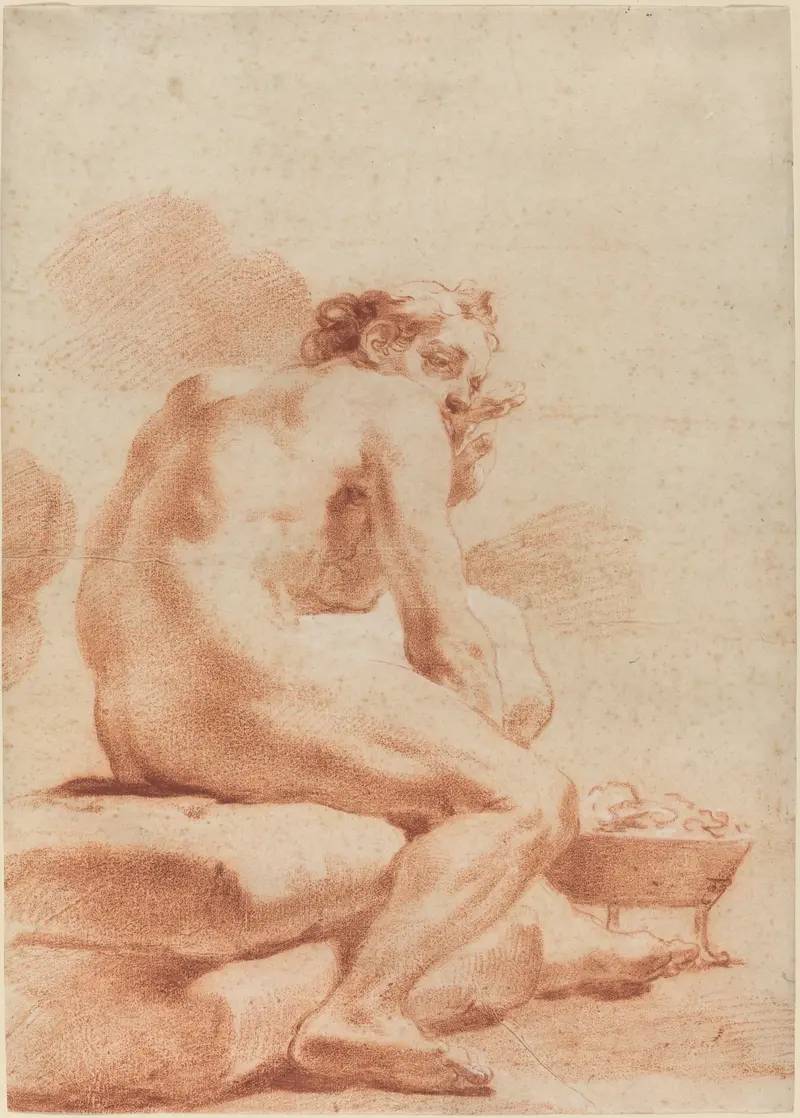
A Young Man Warming Himself at a Brazier
Gaetano Gandolfi
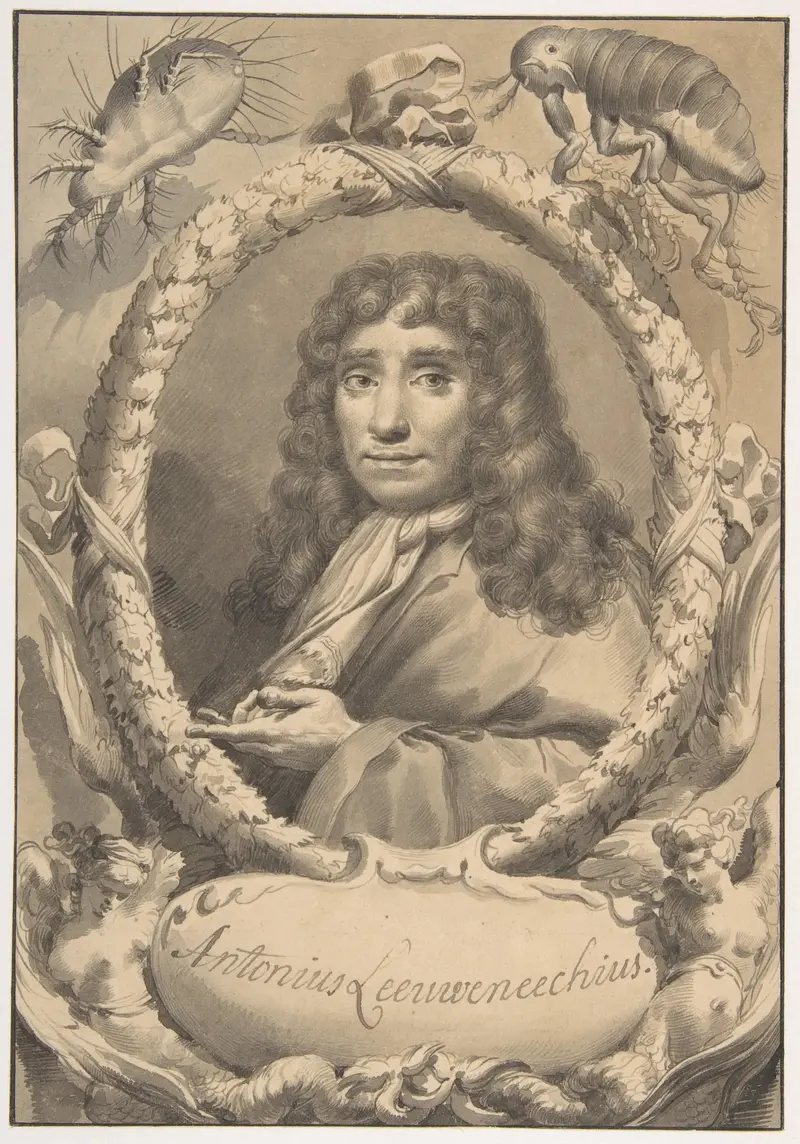
The Dutch Microscopist Anton van Leeuwenhoek
Gaetano Gandolfi
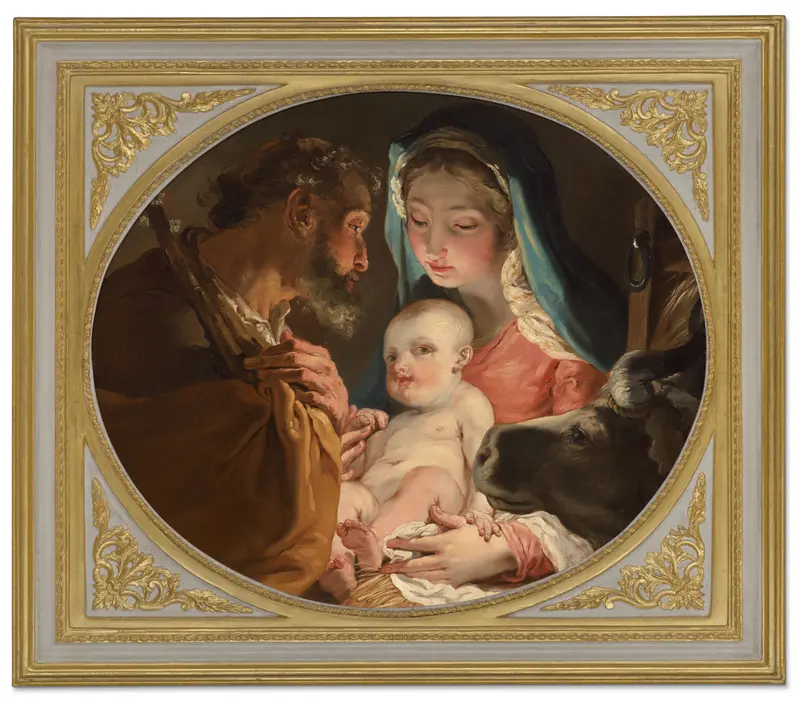
The Holy Family
Gaetano Gandolfi





