
The Sciences and Arts — History & Facts
What first arrests the eye in The Sciences and Arts is the sense of ordered abundance, a world where curiosity is both a pleasure and a discipline. Sunlight pours through latticed windows, illuminating a chamber crowded with paintings, scientific instruments, and the gentle bustle of learned conversation. Each figure is absorbed in demonstration or debate: a hand gestures toward a celestial globe, another traces a map, while a group gathers around a painting within the painting, folding the act of looking into the act of learning.
The room itself is a cabinet of wonders, its walls hung thick with landscapes, mythologies, and still lifes, all watched over by classical statues that lend the scene a sense of ancient gravity. Even the dog, sprawled contentedly on the floor, seems to belong to a world where knowledge is a shared delight. This is a vision born from the intellectual ferment of seventeenth-century Europe, when rooms like this—known as kunstkamers—became stages for the new alliance between art and science. The painting’s meticulous detail and crowded composition speak to a culture obsessed with collecting, cataloguing, and displaying the marvels of the world, from rare shells to mathematical instruments.
Such scenes were not mere fantasies: wealthy merchants, scholars, and princes commissioned them to celebrate their own collections and learning, or to advertise the sophistication of their cities. Adriaen van Stalbemt, working between 1607 and 1650, captures the spirit of an age when the boundaries between disciplines blurred, and the pursuit of knowledge became a form of spectacle. Today, the painting resides in the Museo del Prado’s collection, a window onto a vanished world that invites us to linger, to look, and to wonder what it might have been like to step into that room.
More Artworks by Adriaen van Stalbemt

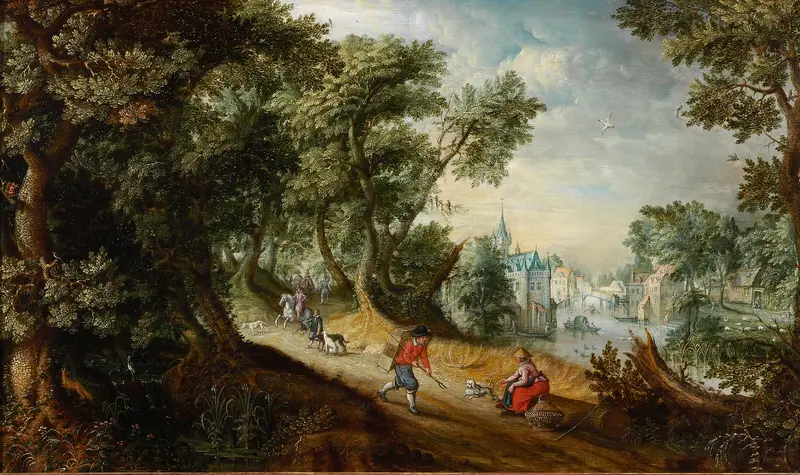
Countryside landscape with staffage
Adriaen van Stalbemt
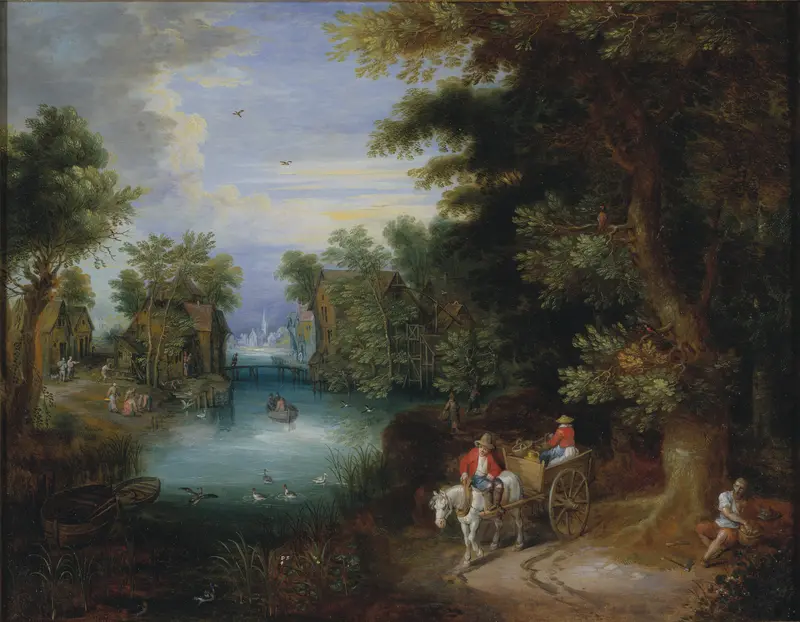
River Landscape with Peasants
Adriaen van Stalbemt
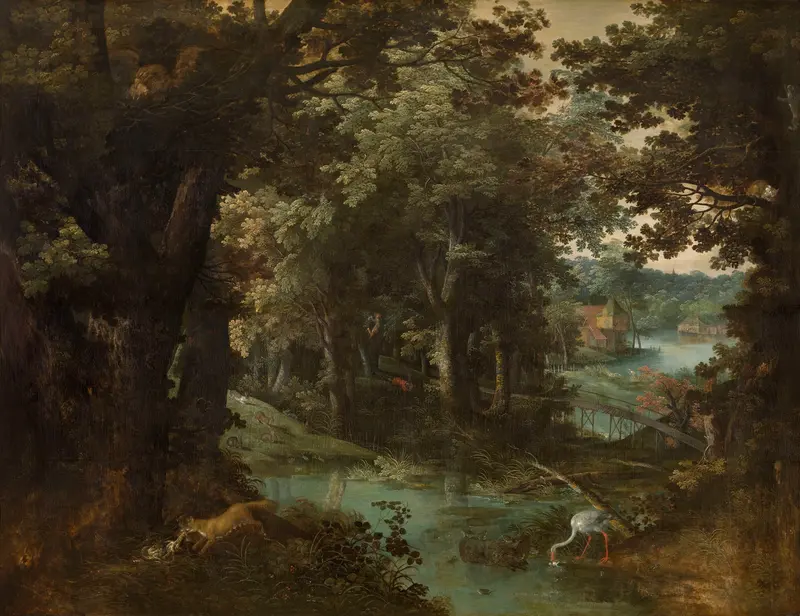
Landscape with Beast Fables
Adriaen van Stalbemt
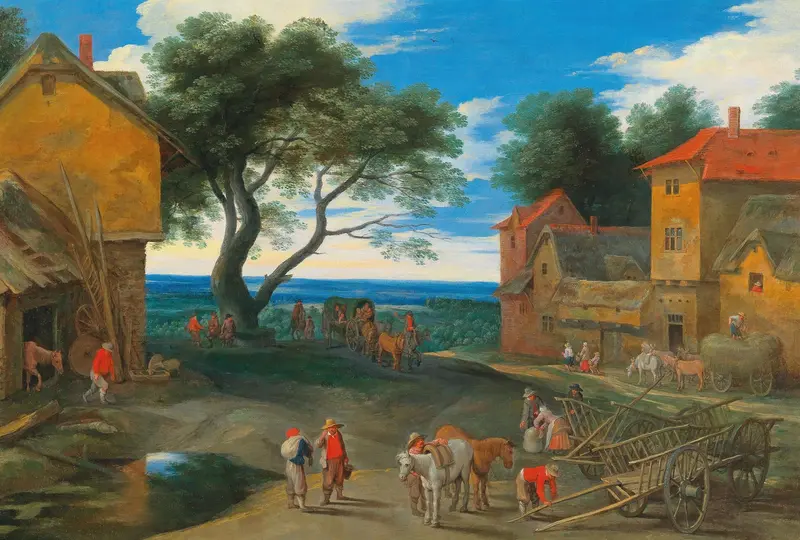
Travellers in a landscape with buildings
Adriaen van Stalbemt
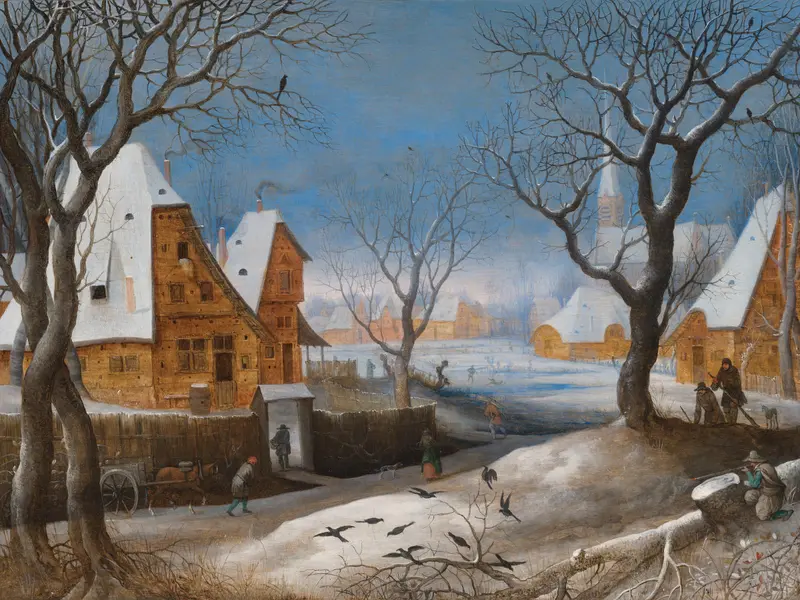
A winter landscape, with figures in a village
Adriaen van Stalbemt
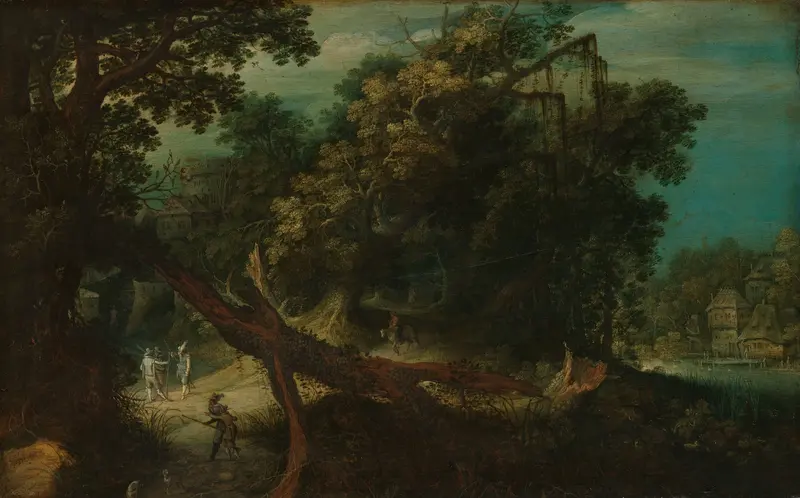
Shooters in a Forest Glade
Adriaen van Stalbemt
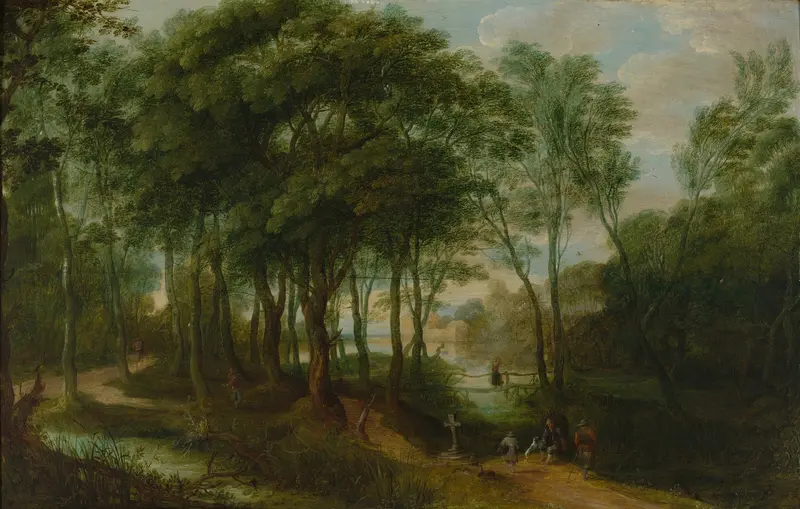
Figures On A Wooded Path, With A Building Behind
Adriaen van Stalbemt
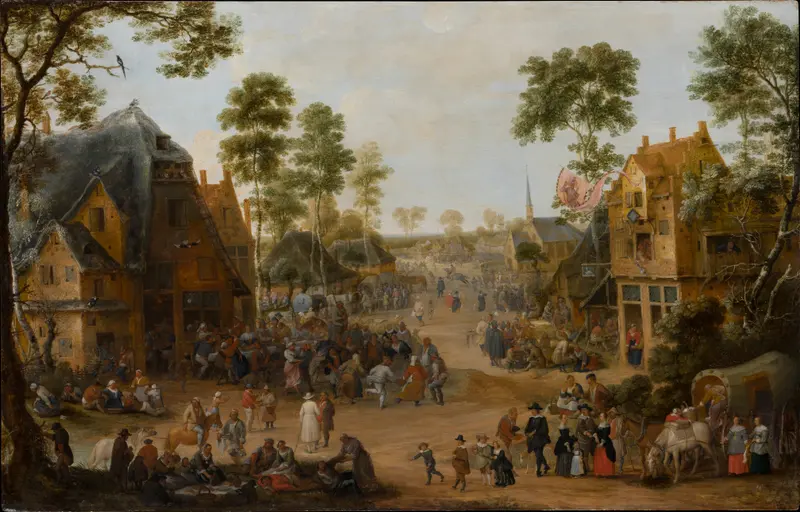
Village Church Festival
Adriaen van Stalbemt
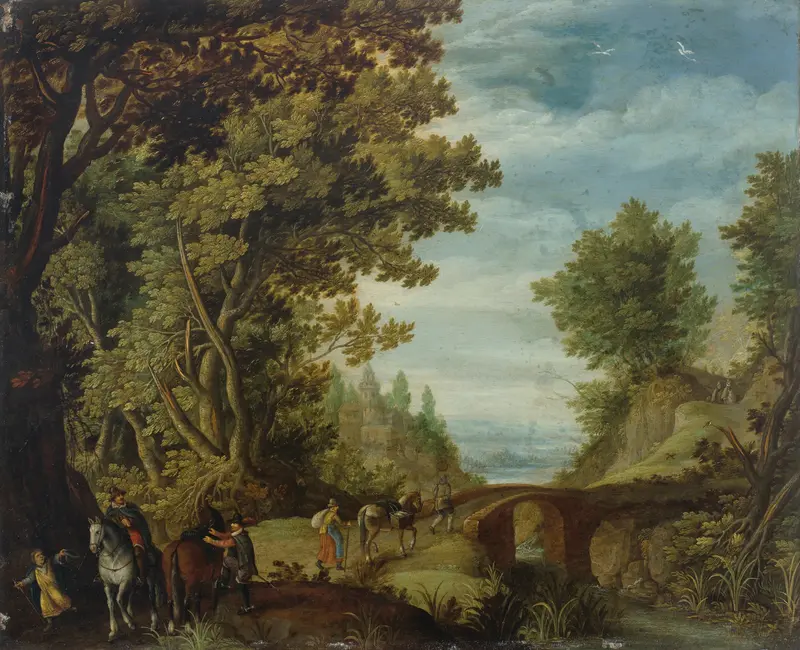
A wooded landscape with travelers crossing a bridge
Adriaen van Stalbemt
Landschap met rivier
Adriaen van Stalbemt





