The Seine at Giverny — History & Facts
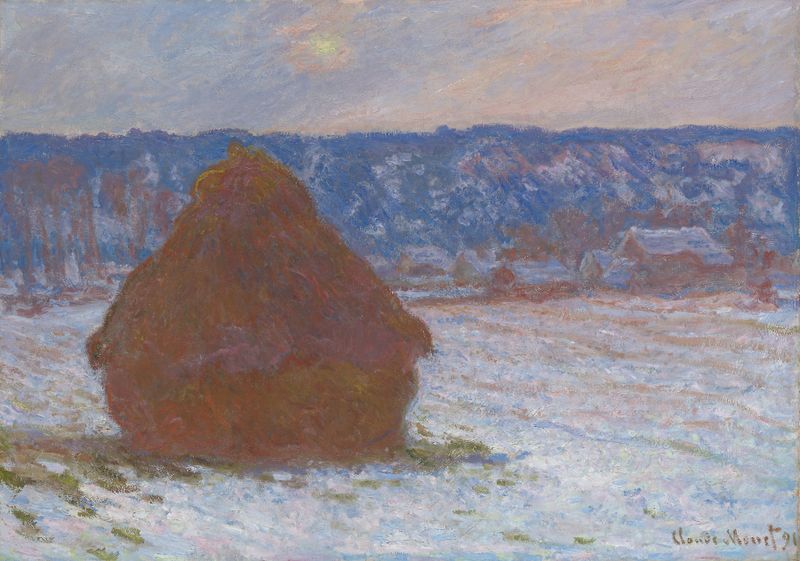
In a world where moments drift like autumn leaves, the brush strokes capture the pulse of life, a quickening heartbeat echoed in the shimmering currents of water. Focus on the way the light dances across the surface of the Seine, a kaleidoscope of blues, greens, and soft whites melding together. Look closely at the vibrant reflections; they ripple with energy, as if the river itself is a living entity. The composition draws the eye to the interplay between water and sky, while the lush foliage frames the scene, inviting a sense of intimacy with nature's beauty.
Monet's technique, loose and fluid, evokes movement, allowing viewers to feel the gentle breeze rustling through the trees. Beneath the surface of this idyllic riverscape lies a juxtaposition of tranquility and vibrancy. The swift flow of the Seine symbolizes change, a reminder of life’s relentless march forward. Each brushstroke whispers of fleeting moments, celebrating not only the landscape but also the transitory nature of existence.
The way the colors blend evokes an emotional yearning, as if to grasp the beauty before it slips away. In 1897, the artist painted this work in the gardens of his home in Giverny, France, a period marked by his deepening exploration of Impressionism. This was a time when he was reflecting on his relationship with nature and how it transformed through time and light. While the world around him rapidly industrialized, he sought solace in the familiar rhythms of the rivers and fields, capturing the ephemeral essence of life through his masterful lens.