The Seine near Rouen — History & Facts
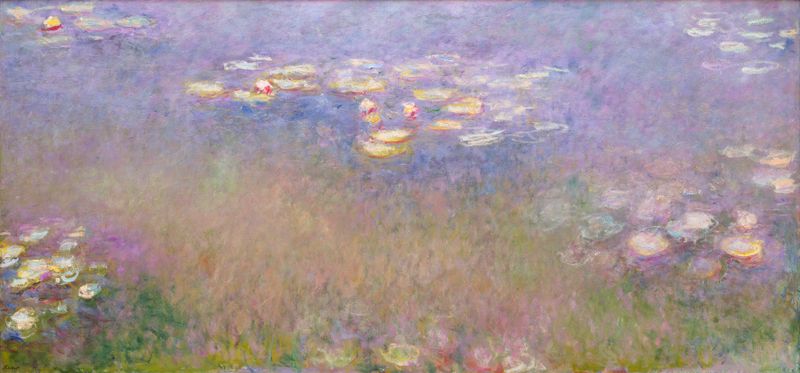
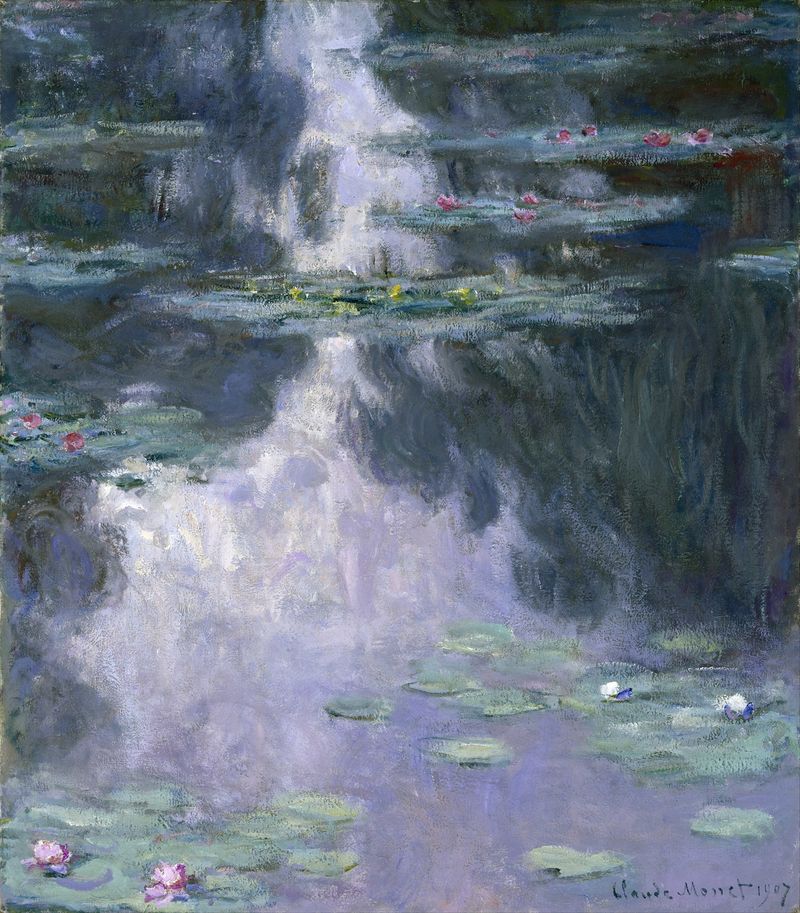
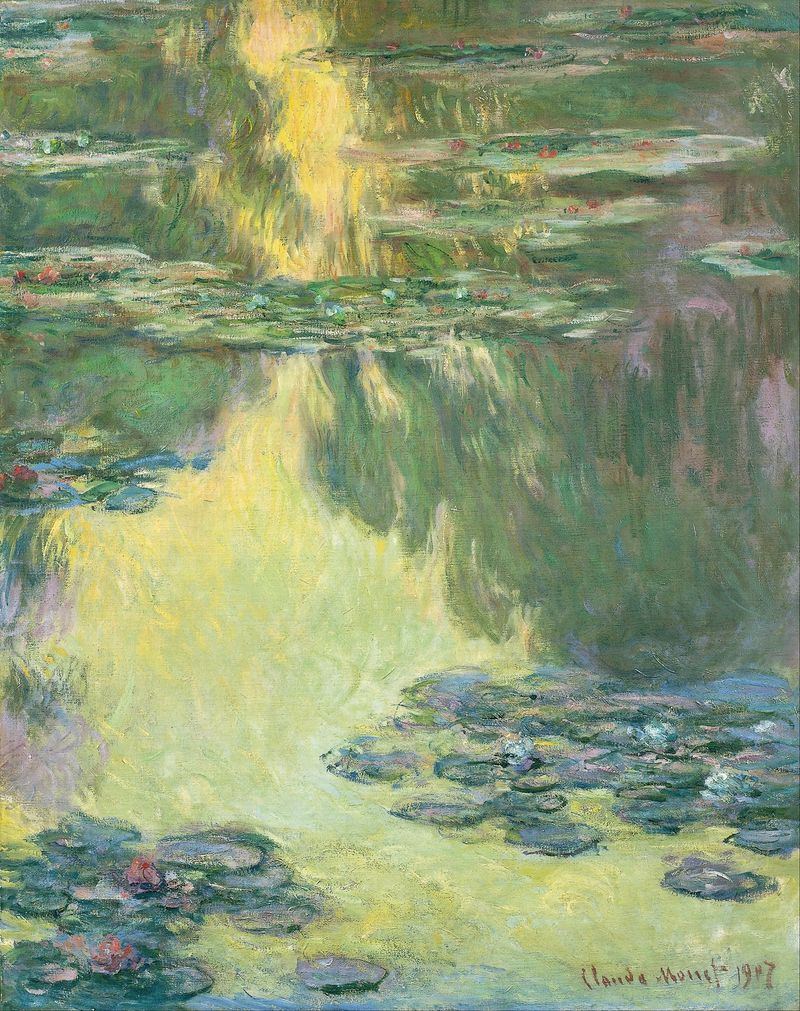
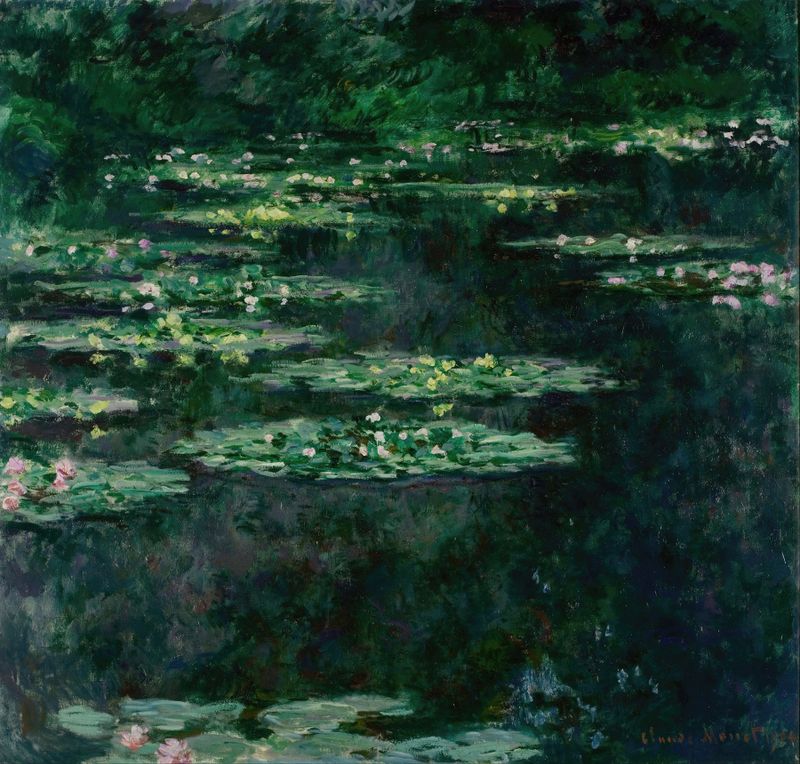
In The Seine near Rouen, the vibrancy of nature pulsates with ecstasy, inviting the viewer to experience a moment of serene beauty amidst the tumult of life. Look to the left, where gentle strokes of blue and green converge, depicting the flowing river that captures and reflects the surrounding landscape. Notice how the dappled sunlight dances on the water's surface, creating a shimmering effect that draws the eye across the canvas. The composition, infused with soft hues, evokes a sense of tranquility, while the rapid brushwork suggests a fleeting moment, one that is both alive and ephemeral. Within this landscape lies a profound tension between tranquility and movement.
The soft cotton clouds overhead contrast with the vigorous waves below, suggesting the interplay between nature’s calm façade and its dynamic essence. Each brushstroke pulses with emotion, hinting at the ecstasy of the artist’s experience as he immersed himself in this lively scene. This dichotomy resonates with the viewer, revealing not only the external world but also an internal landscape of feeling. Monet painted The Seine near Rouen around 1874 during a transformative period in his career.
Working in France, he was at the forefront of the Impressionist movement, a time when traditional artistic conventions were being challenged. This painting reflects his exploration of light and color, capturing the essence of a moment while reinforcing his commitment to portraying the beauty of the world around him.