
The so-called Rauchfangkehrerkirche in Vienna — History & Facts
When did color learn to lie? The vibrancy of hues can often mask the weight of memory, rendering our past in shades that shimmer yet deceive. Focus first on the foreground, where a mosaic of greens and blues intertwines, leading the eye toward an ethereal church steeple towering gracefully in the distance. The artist's brushwork reveals a meticulous attention to detail, with each stroke creating a rhythm that guides you deeper into the scene. Notice how the verdant trees frame the structure, allowing the soft light to dance across the rooftops, inviting contemplation about the interplay between the natural and the man-made. As you linger on the church, consider the contrast between its serene façade and the turbulent history that surrounds it.
The seemingly tranquil setting belies a rich tapestry of memories—each layer of paint whispers stories of the past, from joyous gatherings to solemn moments of reflection. The soft brushstrokes invoke a sense of nostalgia, pulling the viewer into a private reverie, while the vibrant palette suggests an idealization of memory, blurring the lines between reality and imagination. Ernst Graner created this piece during an era when Vienna was both a center of artistic innovation and a city grappling with the aftermath of a rapidly changing world. Although the exact date remains uncertain, it is clear that Graner was influenced by the artistic movements of the late 19th and early 20th centuries.
This period saw a surge of interest in capturing the interplay of light and color, as artists sought to evoke emotion and memory through their work, reflecting a society in transition.
More Artworks by Ernst Graner
Browse all →
The Departure of Emperor Francis Joseph, near the Schweizertor in Hofburg residence
Ernst Graner

Old Albrechtsplatz (today Albertinaplatz) in Vienna with the Philipphof and the Mozart monument
Ernst Graner
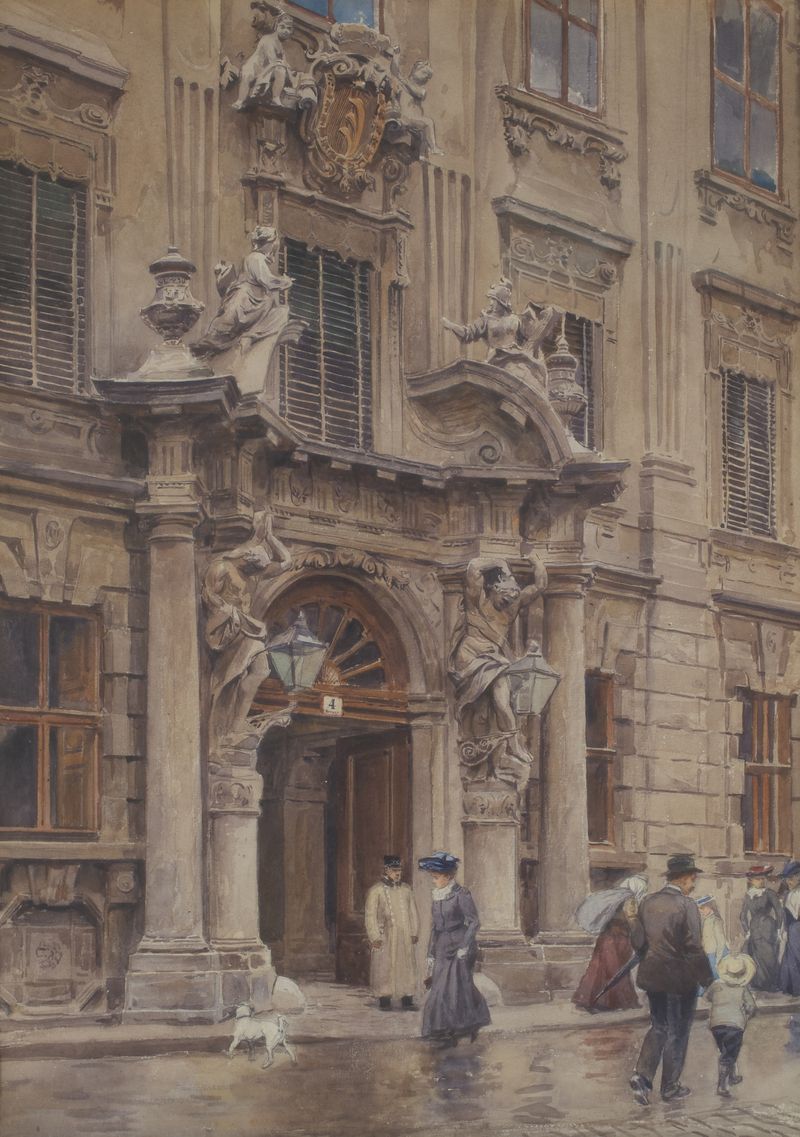
Das Portal Des Palais Kinsky
Ernst Graner
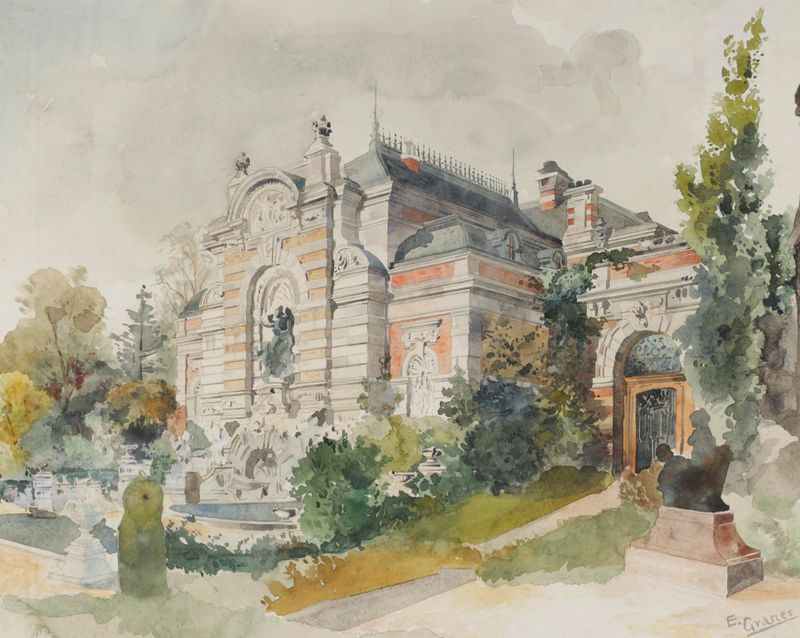
Villa in einem Park
Ernst Graner

Karlskirche
Ernst Graner

Kaiser Franz Joseph überquert den Naschmarkt
Ernst Graner

Palais des Prinzen Eugen in der Himmelpfortgasse
Ernst Graner

Die Schwendergasse In Wien Mit Schwenders Colosseum
Ernst Graner
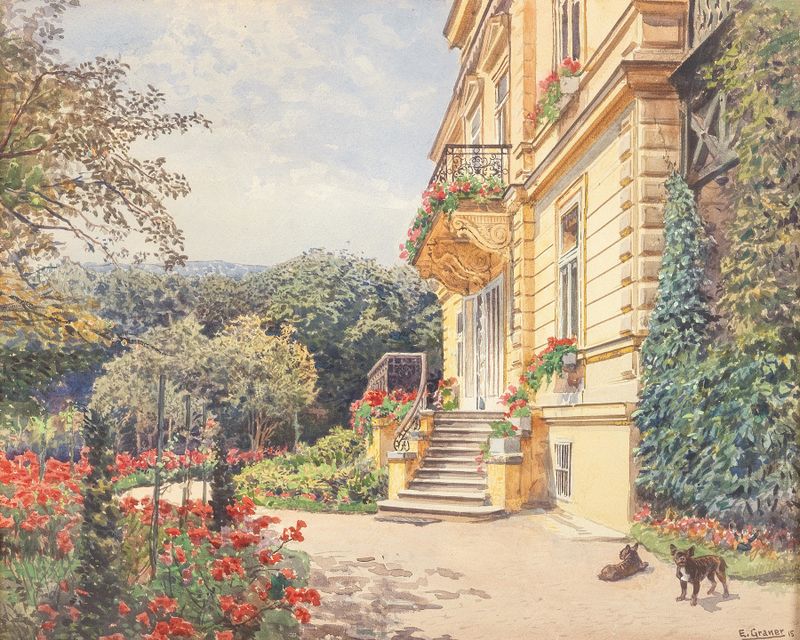
Villa in gepflegtem Garten
Ernst Graner
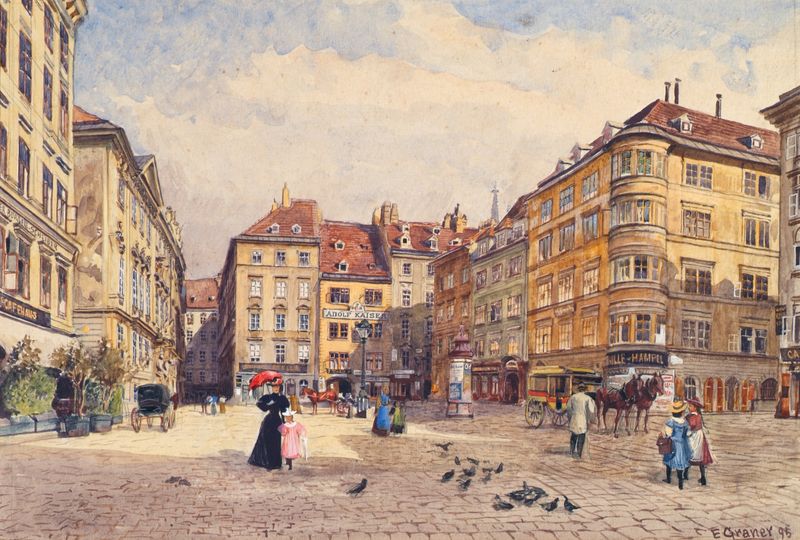
Der Judenplatz In Wien
Ernst Graner
More Architecture Art
Browse all →
The statue of Liberty
Frédéric Auguste Bartholdi

View of Houses in Delft, Known as ‘The Little Street’
Johannes Vermeer

View of Houses in Delft, Known as ‘The Little Street’
Johannes Vermeer

The Cathedral in Rouen. The portal, Grey Weather
Claude Monet

The yellow house
Vincent van Gogh

The Church in Auvers-sur-Oise, View from the Chevet
Vincent van Gogh