
The sower — History & Facts
A single figure strides forward, his face half-shadowed by a broad-brimmed hat, as if the land itself has summoned him for this ritual. The sweep of his arm, scattering seed across the furrowed earth, is both work and ceremony—each gesture weighted with the promise of harvest and the uncertainty of weather. The ground dominates the canvas, thick and dark, its freshly turned clods catching the last light of a restless sky.
Behind him, a flock of birds wheels low, drawn to the hope of easy pickings, their presence a reminder that every act of sowing is also an act of faith. Painted in 1903, The sower by Albin Egger Lienz belongs to a moment when artists across Europe turned their eyes to the dignity and hardship of rural life. This work stands within that tradition, yet its mood is distinctly modern: the figure is monumental, almost sculptural, and the palette—earthy browns, muted ochres, the faintest blush of pink in the sky—grounds the scene in reality rather than nostalgia. The artist’s brushwork, broad and rhythmic, echoes the motion of the sower himself, binding man and land together.
History has kept few traces of this particular version, known from a reproduction in an artbook, but its image lingers—a testament to the enduring drama of a single, necessary gesture.
More Artworks by Albin Egger Lienz
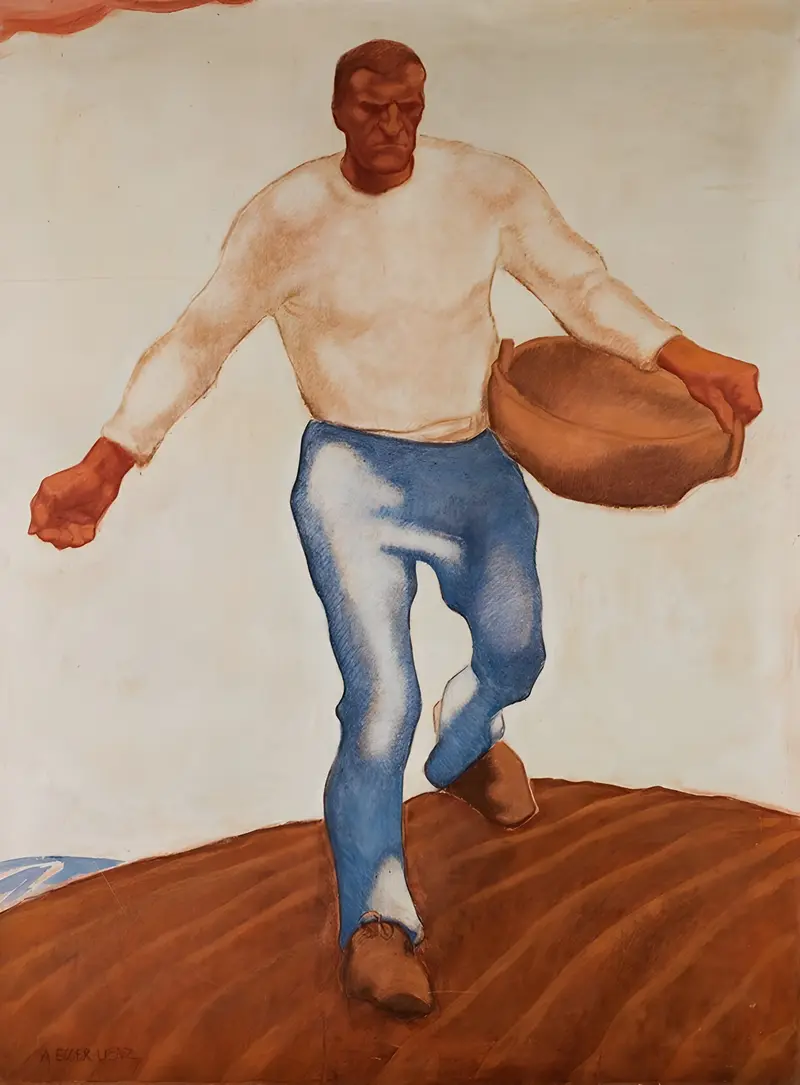
Der Sämann (The Sower)
Albin Egger Lienz
Inneres Der Johanneskirche In München
Albin Egger Lienz
Portrait of the singer Hedwig Helbig
Albin Egger Lienz
Prayer after the battle of Bergisel
Albin Egger Lienz
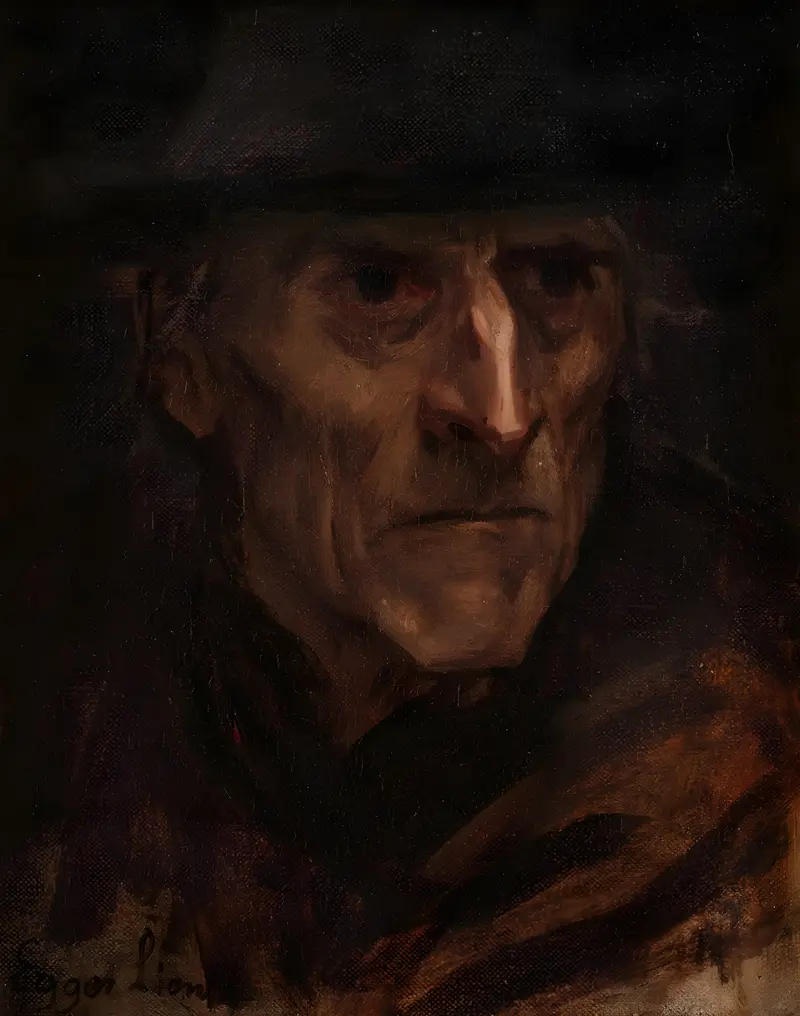
Study for the ‘Sensenmann’ in the ‘Das Kreuz’
Albin Egger Lienz
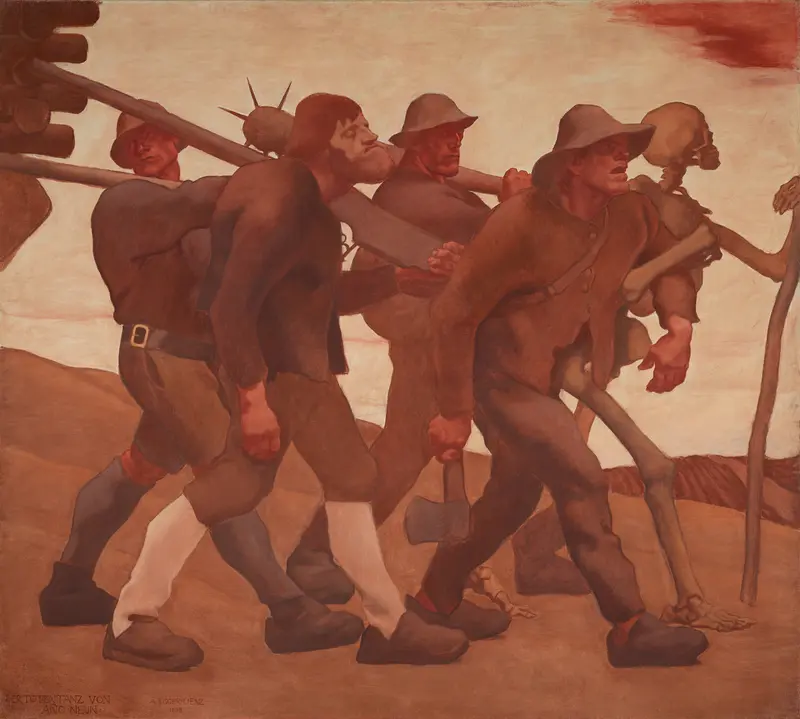
Der Totentanz Von Anno Neun
Albin Egger Lienz
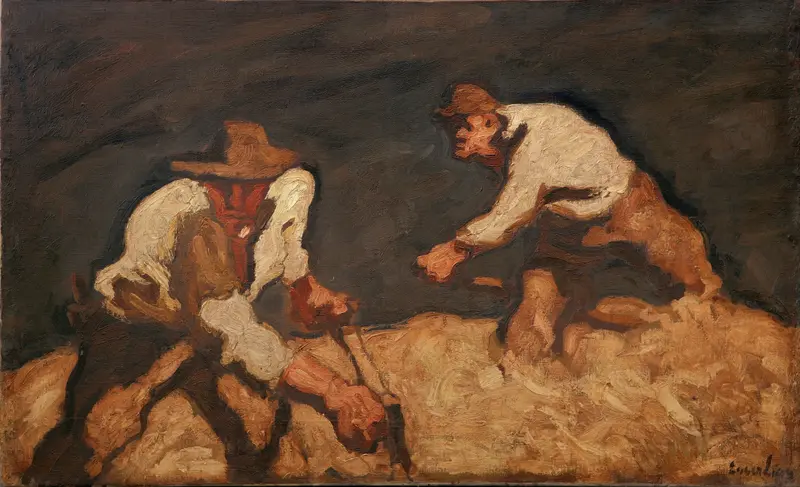
Reapers in a GatheringStorm
Albin Egger Lienz
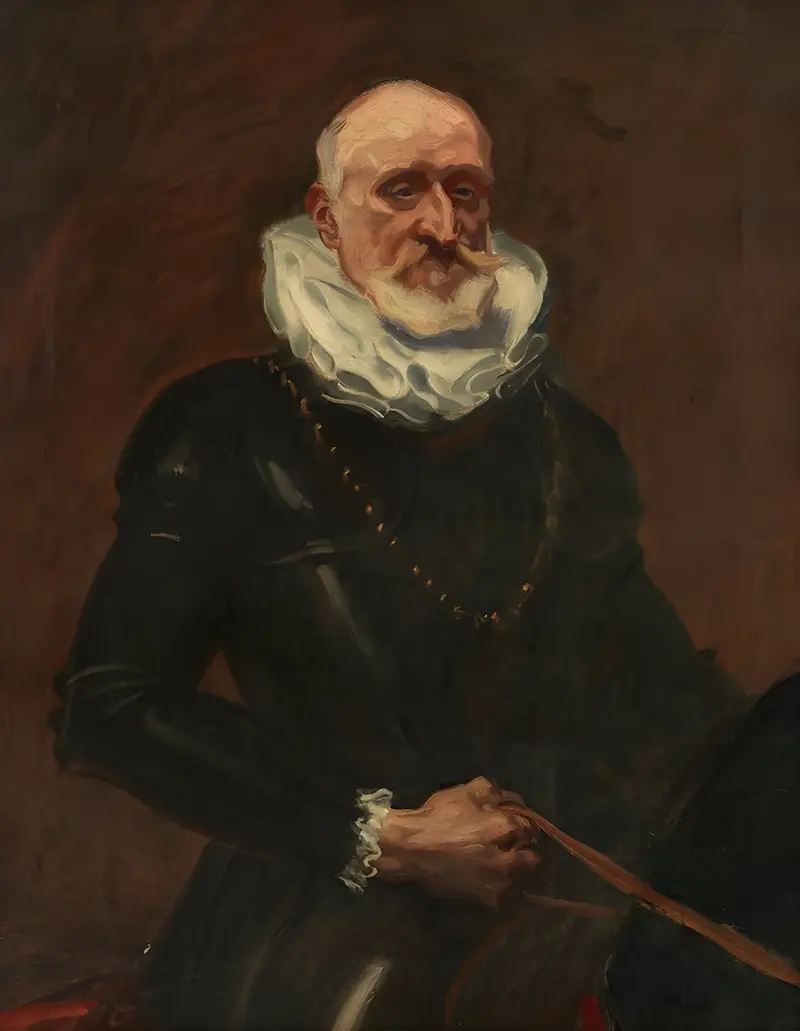
Carl Costenoble (Bildhauer und Stadtrat von Wien)
Albin Egger Lienz
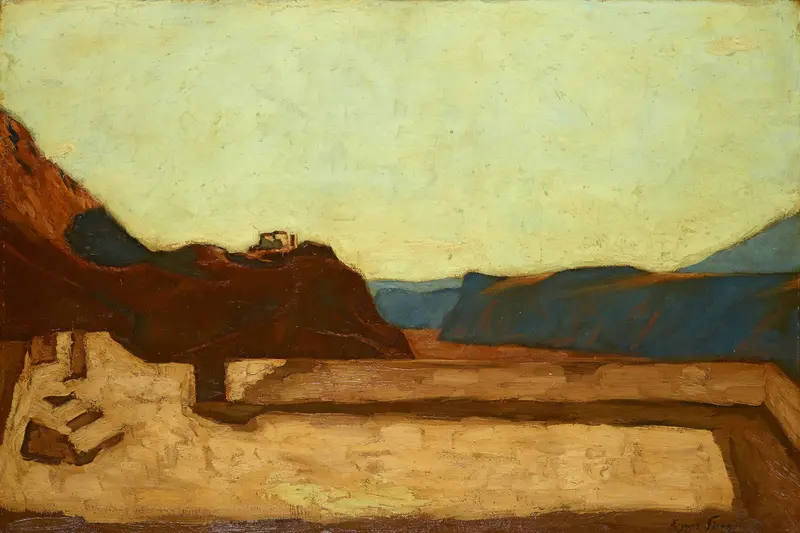
Am Kalvarienberg In Bozen
Albin Egger Lienz
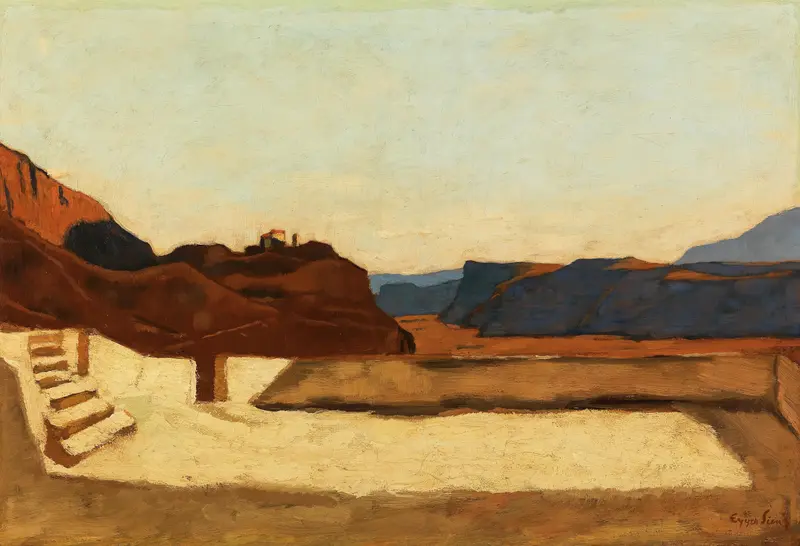
Kalvarienberg bei Bozen
Albin Egger Lienz
More Landscape Art

The Starry Night
Vincent van Gogh

View of Delft
Johannes Vermeer

Water Lilies
Claude Monet

The Grand Canal, Venice, looking north-west from the Ca' Corner to the Ca' Contarini degli Scrigni, with the campanile of Santa Maria della Carità
Canaletto

Windsor Castle
Canaletto

The Grand Canal looking North-East from the Palazzo Dolfin-Manin to the Rialto Bridge
Canaletto