
The Star of the Kings: a night piece — History & Facts
Could a single brushstroke hold eternity? In The Star of the Kings: a night piece, innocence flickers like the stars in the night sky, inviting contemplation on the delicate balance between light and shadow. Look to the center of the canvas, where a lone figure stands illuminated against the enveloping darkness. The soft glow of the stars above bathes the scene in a pale, ethereal light, enhancing the somber hues of deep blue and earthy browns. Notice how Rembrandt masterfully employs chiaroscuro, drawing your eye to the figure’s expression, a blend of wonder and vulnerability, as if caught in a private moment of revelation amidst the vast cosmos.
The subtle brushwork captures the texture of the figure’s garments, rendering the earthly realm in contrast to the celestial backdrop. In this piece, the juxtaposition of innocence against the infinite suggests a profound exploration of humanity’s place in the universe. The night sky serves not only as a backdrop but as a metaphor for the unknown, urging viewers to ponder their existence and significance in a world filled with wonder and uncertainty. The delicate interplay of light and dark embodies the innocence lost and found, inviting a deeper reflection on the human experience. Rembrandt created The Star of the Kings circa 1651 while residing in Amsterdam, a time marked by both personal turmoil and artistic flourishing.
Experiencing the loss of his beloved son and navigating financial instability, he channeled his emotional depth into his work. The art world was evolving, as the Baroque style dominated, yet Rembrandt’s unique ability to capture the human condition with sensitivity set him apart, solidifying his legacy as one of the great masters of emotional illumination.
More Artworks by Rembrandt van Rijn
Browse all →
The Night Watch Militia Company of District II under the Command of Captain Frans Banninck Cocq
Rembrandt van Rijn

The Return of the Prodigal Son
Rembrandt van Rijn

The Hundred Guilder Print: the figures leaning on the wall in the centre left
Rembrandt van Rijn

The Hundred Guilder Print: the central piece with Christ preaching, the plate arched
Rembrandt van Rijn

Isaac and Rebecca, Known as ‘The Jewish Bride’
Rembrandt van Rijn
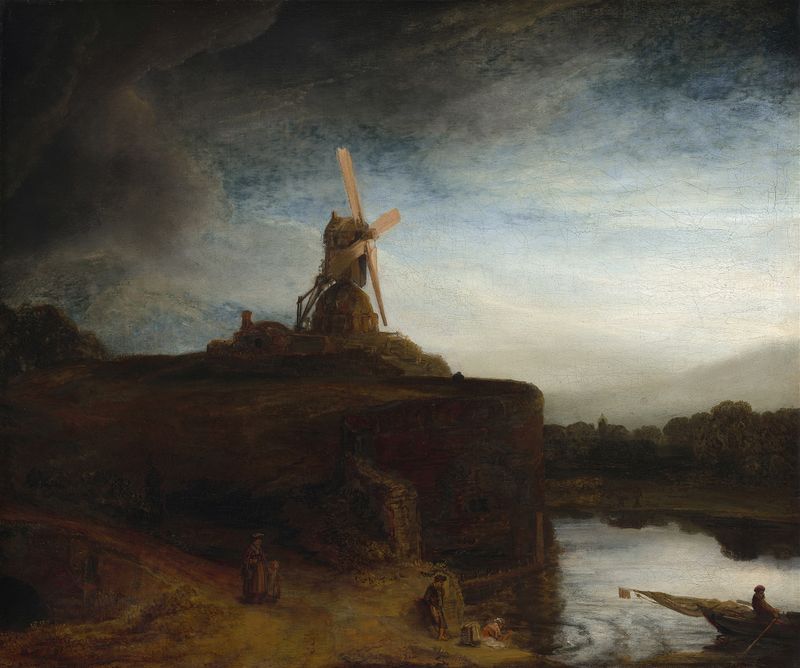
The Mill
Rembrandt van Rijn

The Sampling Officials of the Amsterdam Drapers’ Guild, Known as ‘The Syndics’
Rembrandt van Rijn

The return of the prodigal son
Rembrandt van Rijn
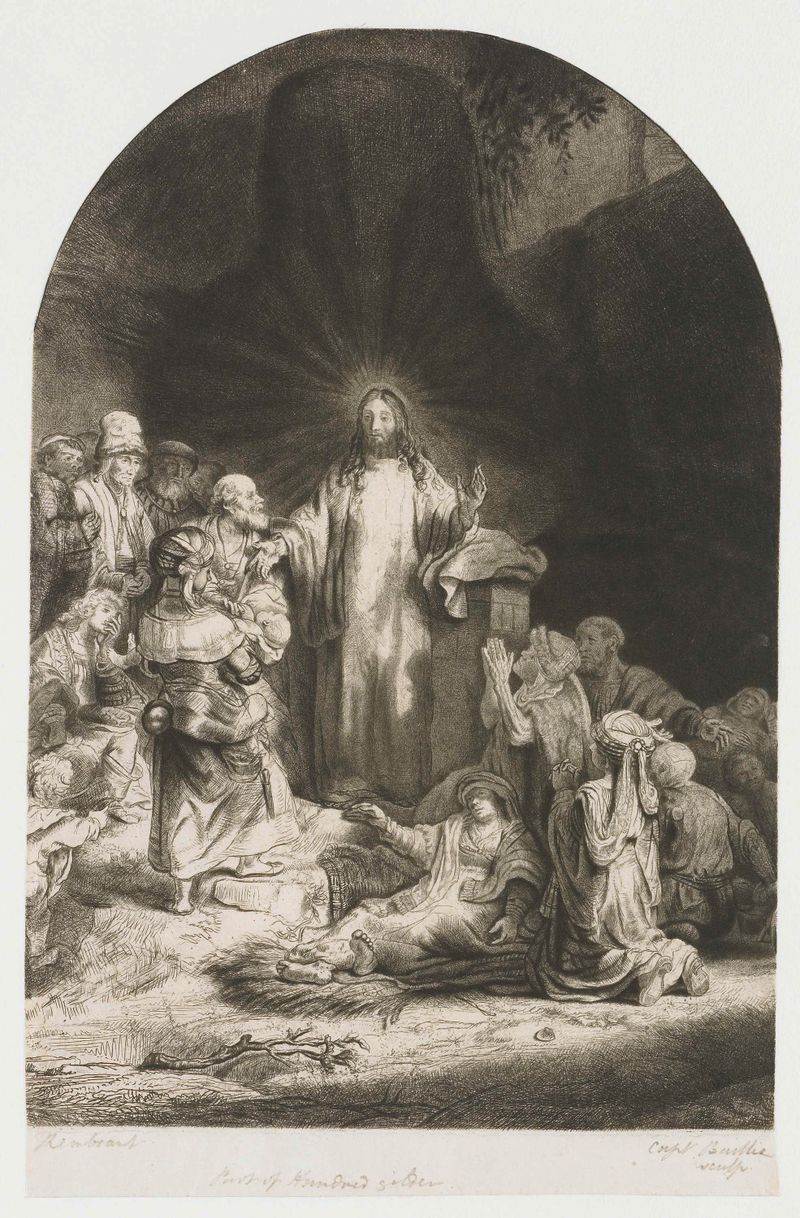
The Hundred Guilder Print: the central piece with Christ preaching, the plate arched
Rembrandt van Rijn

The Hundred Guilder Print: the man seen on the back in the lower left corner
Rembrandt van Rijn




