
The Star of the Kings: a night piece — History & Facts
What secret hides in the quiet of the canvas? In the stillness of night, as stars twinkle like distant whispers, destiny hovers in the shadows, waiting to be revealed. Look to the left at the cloaked figure, draped in rich, deep hues that absorb the surrounding light. Rembrandt’s masterful chiaroscuro illuminates their thoughtful gaze, enhancing the contrast between light and dark, which serves to heighten the drama of the scene. The subtle interplay of shadows guides the viewer’s eye across the canvas, allowing the viewer to ponder the unspoken narratives woven into the folds of the garments and the peaceful yet intense expressions. The gentle light spilling across the figures speaks to themes of fate and contemplation.
Notice how the soft illumination directed at the central figure draws us into a world of introspection, contrasting with the deep, enveloping darkness that surrounds them. Each element—the poised posture, the muted color palette, and the luminous highlights—invites reflection on the choices and journeys of life, suggesting that in moments of stillness, one can confront their destiny. In the early 1650s, while living in Amsterdam, the artist was navigating a complex personal and professional landscape marked by financial struggles and evolving artistic recognition. It was a time when his innovative approach to light and shadow was gaining acclaim, allowing him to explore deeper emotional truths through his work.
The Star of the Kings captures this moment, embodying the essence of a transformative period in both his life and the Baroque art movement.
More Artworks by Rembrandt van Rijn
Browse all →
The Night Watch Militia Company of District II under the Command of Captain Frans Banninck Cocq
Rembrandt van Rijn

The Return of the Prodigal Son
Rembrandt van Rijn

The Hundred Guilder Print: the figures leaning on the wall in the centre left
Rembrandt van Rijn

The Hundred Guilder Print: the central piece with Christ preaching, the plate arched
Rembrandt van Rijn

Isaac and Rebecca, Known as ‘The Jewish Bride’
Rembrandt van Rijn
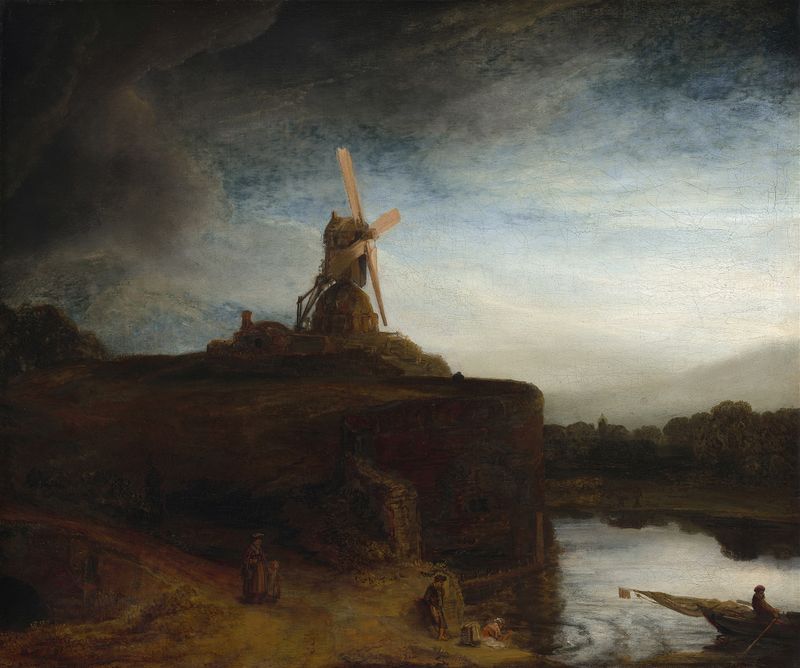
The Mill
Rembrandt van Rijn

The Sampling Officials of the Amsterdam Drapers’ Guild, Known as ‘The Syndics’
Rembrandt van Rijn

The return of the prodigal son
Rembrandt van Rijn
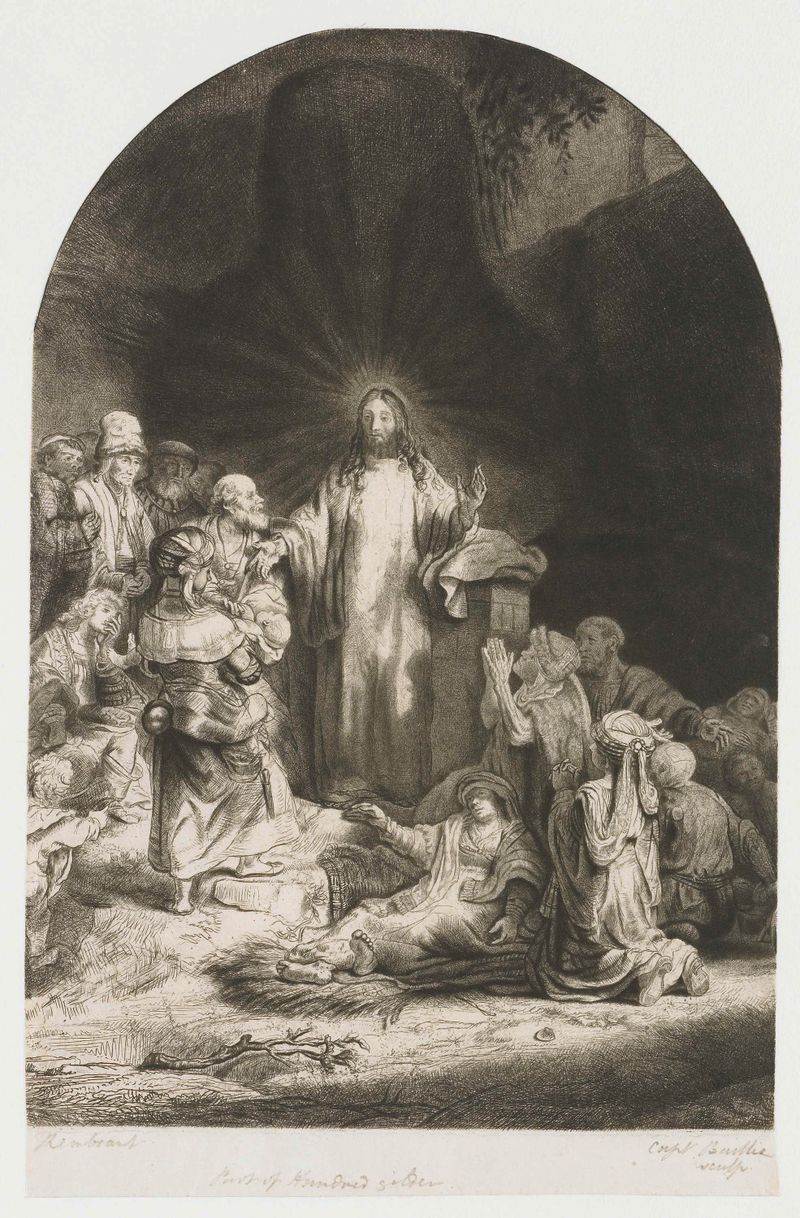
The Hundred Guilder Print: the central piece with Christ preaching, the plate arched
Rembrandt van Rijn

The Hundred Guilder Print: the man seen on the back in the lower left corner
Rembrandt van Rijn




