
The Star of the Kings: a night piece — History & Facts
What if beauty was never meant to be finished? In The Star of the Kings: a night piece, the viewer is drawn into a realm where light and shadow dance in an eternal embrace, revealing the ecstasy of fleeting moments. Focus on the deep chiaroscuro that Rembrandt masterfully employs. Look to the left, where a luminous figure emerges from the darkness, casting an ethereal glow that beckons the viewer closer. The rich, earthy tones of the background amplify the figure’s brilliance, creating a striking contrast.
Notice how the subtle brushstrokes breathe life into the subjects, their expressions hinting at unspoken stories, while the swirling darkness envelops the scene with an intimate yet foreboding atmosphere. As you explore the intricate details, consider the tension between the divine and the mundane. The celestial star overhead not only symbolizes hope and guidance but also serves as a stark reminder of the transient nature of earthly beauty. The figures, lost in reverie, embody a sense of yearning, capturing the moment's ecstasy and the quiet weight of expectation.
Each gaze and gesture invites contemplation on the paradox of existence — to aspire toward the unattainable while knowing that perfection eludes us. This masterpiece was created around 1651, during a pivotal period in Rembrandt's career when he was grappling with personal and professional challenges. Living in Amsterdam amidst a flourishing art market, he was innovating techniques that would redefine portraiture and narrative painting. The night piece stands as a testament to his genius, reflecting both the complexities of the human spirit and the evolving landscape of Baroque art.
More Artworks by Rembrandt van Rijn
Browse all →
The Night Watch Militia Company of District II under the Command of Captain Frans Banninck Cocq
Rembrandt van Rijn

The Return of the Prodigal Son
Rembrandt van Rijn

The Hundred Guilder Print: the figures leaning on the wall in the centre left
Rembrandt van Rijn

The Hundred Guilder Print: the central piece with Christ preaching, the plate arched
Rembrandt van Rijn

Isaac and Rebecca, Known as ‘The Jewish Bride’
Rembrandt van Rijn
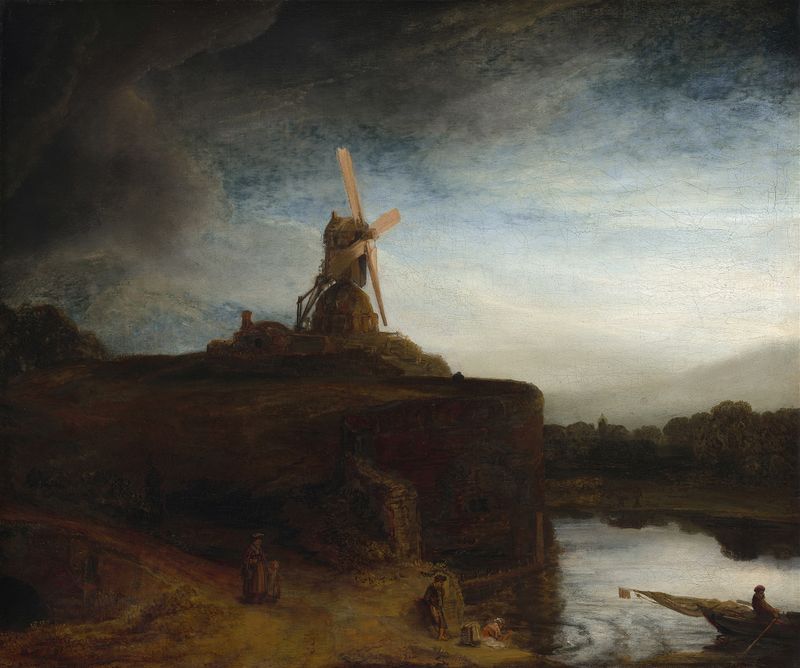
The Mill
Rembrandt van Rijn

The Sampling Officials of the Amsterdam Drapers’ Guild, Known as ‘The Syndics’
Rembrandt van Rijn

The return of the prodigal son
Rembrandt van Rijn
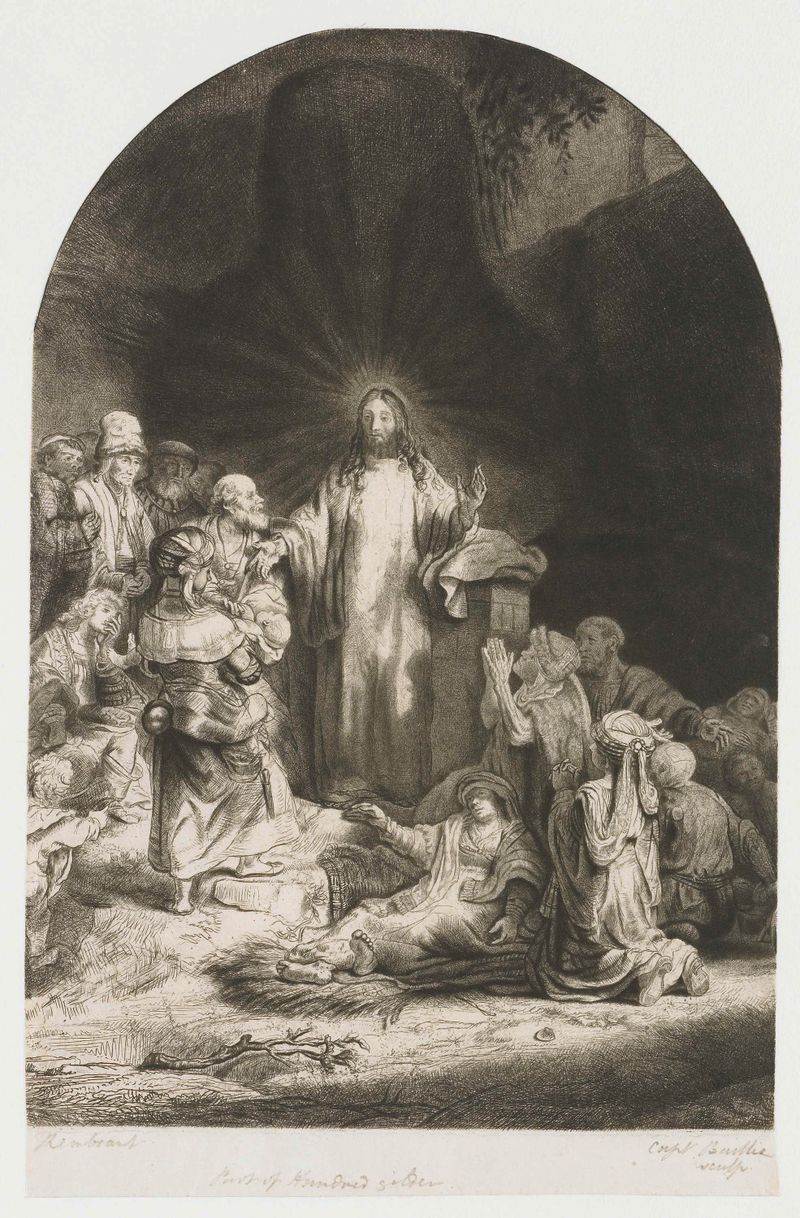
The Hundred Guilder Print: the central piece with Christ preaching, the plate arched
Rembrandt van Rijn

The Hundred Guilder Print: the man seen on the back in the lower left corner
Rembrandt van Rijn




