Discover insights about this artwork
The Stigmatization of Saint Francis of Assisi — History & Facts
In The Stigmatization of Saint Francis of Assisi, Peter Paul Rubens captures a dramatic moment filled with emotion. The painting features rich colors, with deep reds and earthy browns dominating the scene. Saint Francis is depicted in a natural setting, surrounded by a serene landscape that enhances the spiritual experience.
His expression reflects both pain and divine ecstasy as he receives the stigmata. The painting is executed in oil on canvas, a common medium for Rubens, allowing for vibrant colors and dynamic brushwork. The use of chiaroscuro creates a strong contrast between light and shadow, emphasizing the figure of Saint Francis. Viewers can observe the intricate details in his clothing and the surrounding flora, showcasing Rubens' attention to realism.
The composition draws the eye towards the saint, making him the focal point of the work. Peter Paul Rubens was a leading figure of the Baroque movement, known for his energetic compositions and emotional depth. This painting, created in the 1620s, reflects his interest in religious themes and the human experience. An interesting fact about this work is that it was commissioned by the Franciscan Order, highlighting the importance of Saint Francis in their spiritual tradition.
Rubens' ability to convey both the physical and spiritual aspects of the stigmata is a testament to his skill as an artist.
More Artworks by Peter Paul Rubens
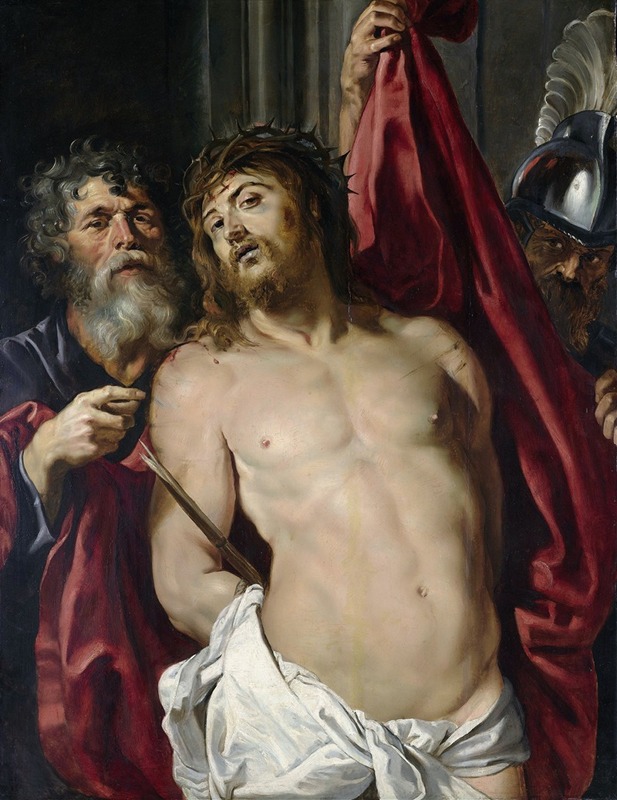
Ecce homo
Peter Paul Rubens

Marchesa Brigida Spinola Doria
Peter Paul Rubens
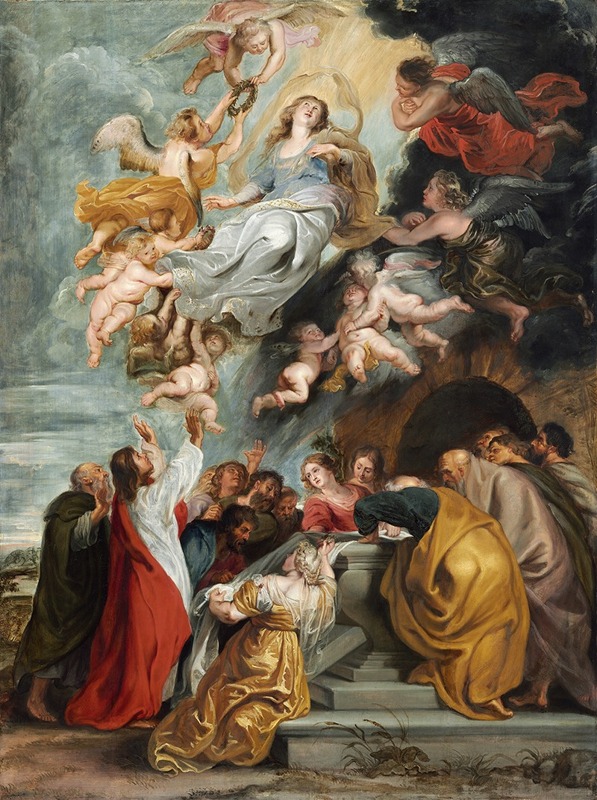
The Assumption of the Virgin
Peter Paul Rubens

Saint Teresa of Ávila Interceding for Souls in Purgatory
Peter Paul Rubens

The Garden of Eden with the Fall of Man
Peter Paul Rubens
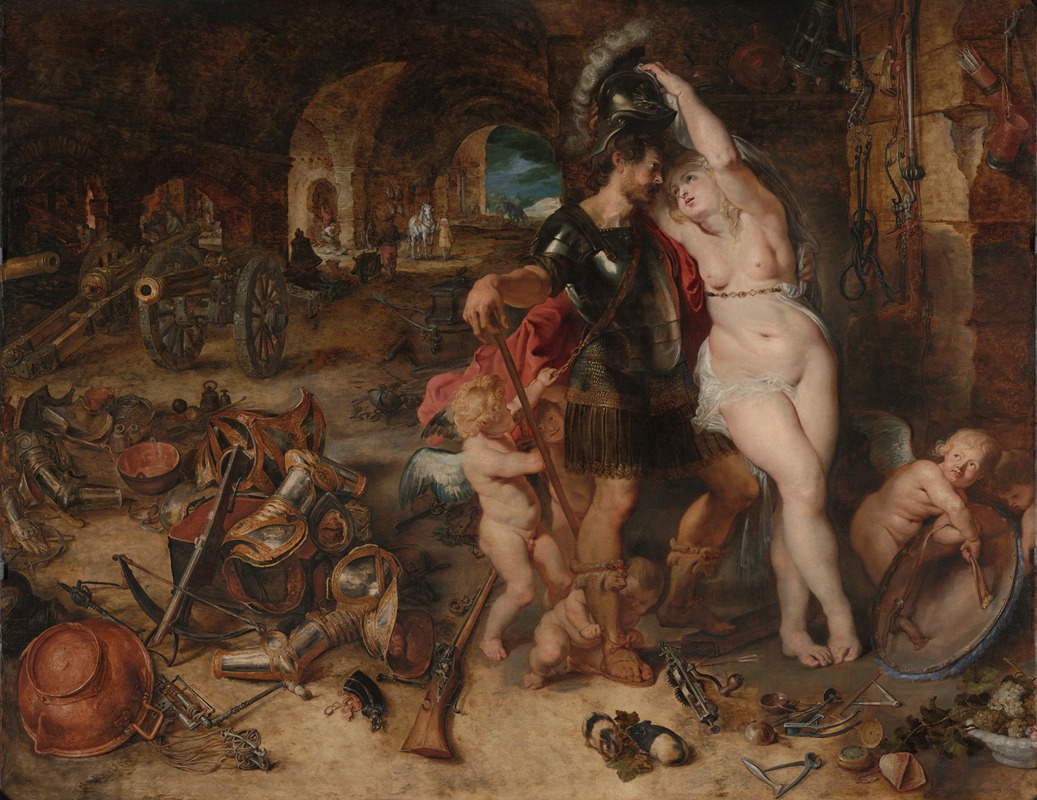
The Return From War,Mars Disarmed By Venus
Peter Paul Rubens

Venus and Adonis
Peter Paul Rubens
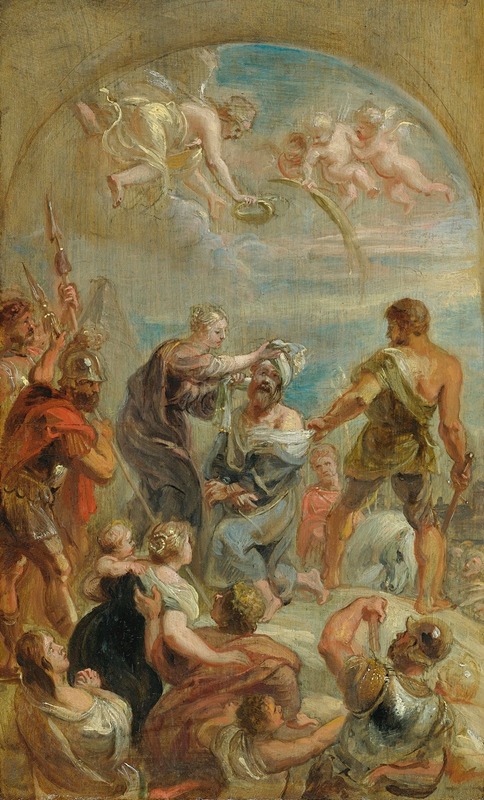
The Martyrdom Of Saint Paul
Peter Paul Rubens

The Adoration Of The Magi
Peter Paul Rubens
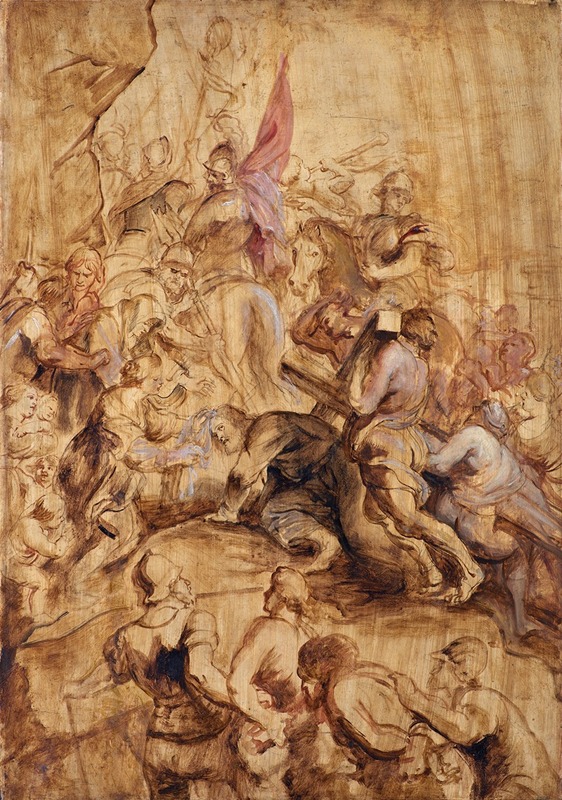
The Ascent to Calvary. The Bearing of the Cross
Peter Paul Rubens