
The Storm — History & Facts
In the midst of a tempest, the turmoil of emotions often remains unspoken, cloaked in the shadows of grief. Edward Mitchell Bannister captures this essence brilliantly, inviting us to confront the weight of sorrow that accompanies nature’s fury. Look to the left at the turbulent waves crashing against the shore, each crest etched with a tumultuous energy that mirrors inner turmoil. The dark, brooding sky looms overhead, swirling with blues and grays, while streaks of light struggle to break through.
The composition draws the viewer’s eye toward the horizon, where the dim glow hints at a reluctant sunlight, creating a stark contrast to the chaos below. Bannister’s brushstrokes convey movement and urgency, while his color palette evokes a somber yet vibrant mood, capturing both despair and resilience. In the heart of the painting lies a profound emotional tension: the interplay between nature's power and the vulnerability of the human spirit. The waves symbolize overwhelming grief, while the distant light serves as a flicker of hope, suggesting that even in the darkest moments, there is the possibility of healing.
This duality prompts the viewer to reflect on their own silence, the unacknowledged pain that often resides within. Bannister’s mastery lies in this nuance, painting not just a storm but the emotional storm that accompanies loss. In 1881, Bannister created this work during a period of personal and artistic exploration. Living in Providence, Rhode Island, he faced the challenges of being a Black artist in a segregated society, grappling with themes of identity and expression.
The art world was evolving around him, with Impressionism gaining prominence, yet Bannister remained committed to his unique vision, where the depths of emotion found their voice in landscapes, capturing both the beauty and the struggle of existence.
More Artworks by Edward Mitchell Bannister
Browse all →
Landscape
Edward Mitchell Bannister
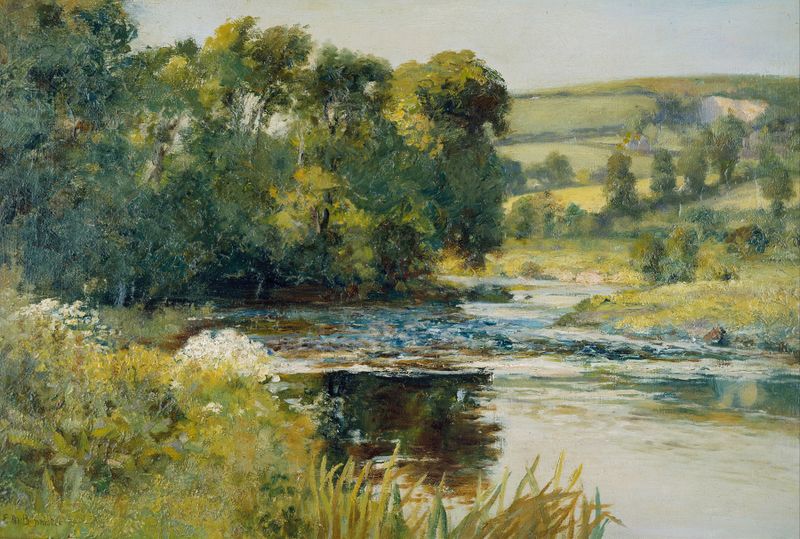
Streamside
Edward Mitchell Bannister

Untitled
Edward Mitchell Bannister

On the Seekonk
Edward Mitchell Bannister

Morning on the Shore
Edward Mitchell Bannister

Summer Twilight
Edward Mitchell Bannister
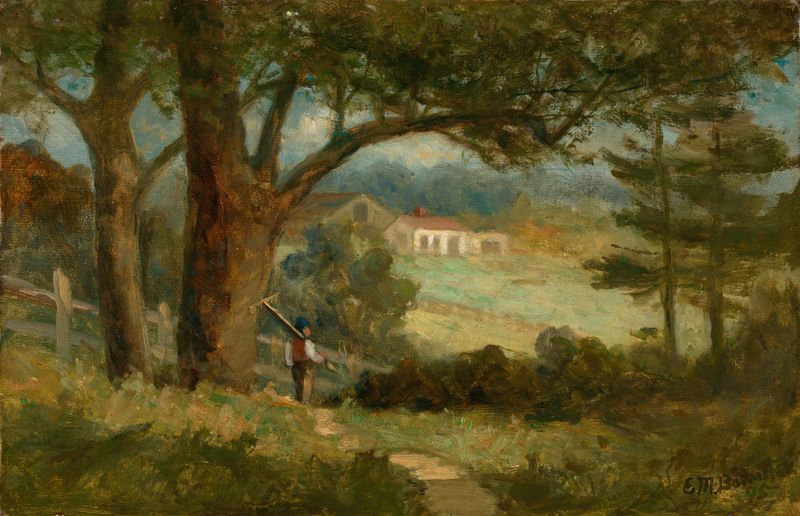
Homeward
Edward Mitchell Bannister
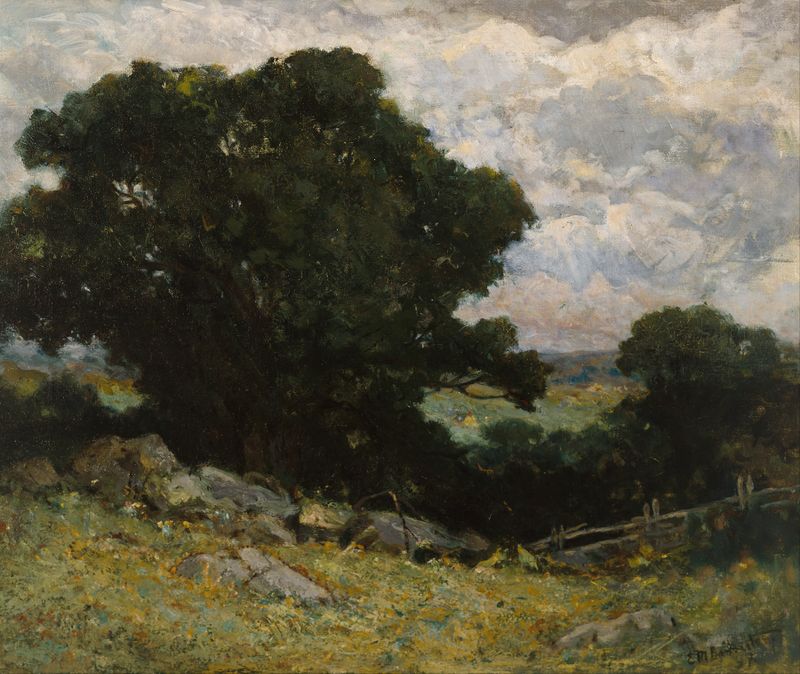
Landscape
Edward Mitchell Bannister
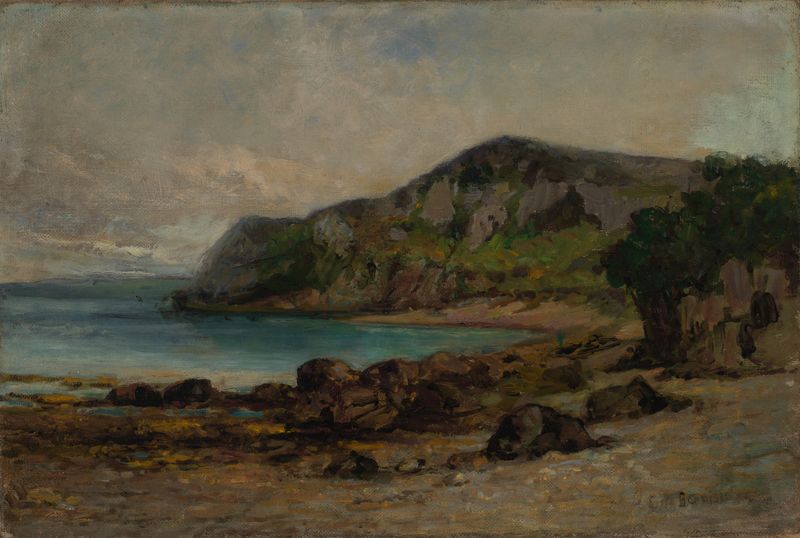
Rocks at Newport
Edward Mitchell Bannister

Sunset
Edward Mitchell Bannister





