
The Stranded Ship — History & Facts
What first seizes the eye in The Stranded Ship is the way the battered vessel leans helplessly into the surf, its masts snapped, its sails in tatters, while the sky opens with a drama all its own. The ship’s hull is thrust up onto the sand, as if the sea has cast it out, and the scattered debris—barrel, broken timber, a flash of red cloth—pulls the viewer into the aftermath of disaster. Durand’s brushwork in the water is restless, the waves churning with a force that echoes the turmoil of the scene, while the horizon glows with a hard-won light, hinting at the possibility of calm beyond the wreckage.
The eye is led from the darkened ship to the luminous sky, a journey from ruin to a kind of distant hope. Painted in 1844, this work stands at the crossroads of American landscape painting and the era’s fascination with nature’s power. The 1840s saw artists like Asher Brown Durand and his contemporaries of the Hudson River School turning to the wildness of the American continent, often as a metaphor for human vulnerability and ambition. Shipwrecks were a favored subject, speaking to the dangers of commerce, exploration, and the unpredictable might of the natural world.
While little is recorded about the specific history of this painting, it now resides in the collection of the National Gallery of Art, a testament to the enduring grip such images hold on the imagination. Look again at the horizon: the story is not only of loss, but of what lies beyond.
More Artworks by Asher Brown Durand

A Sycamore Tree, Plaaterkill Clove (The Sycamore, Kaaterskill Clove)
Asher Brown Durand
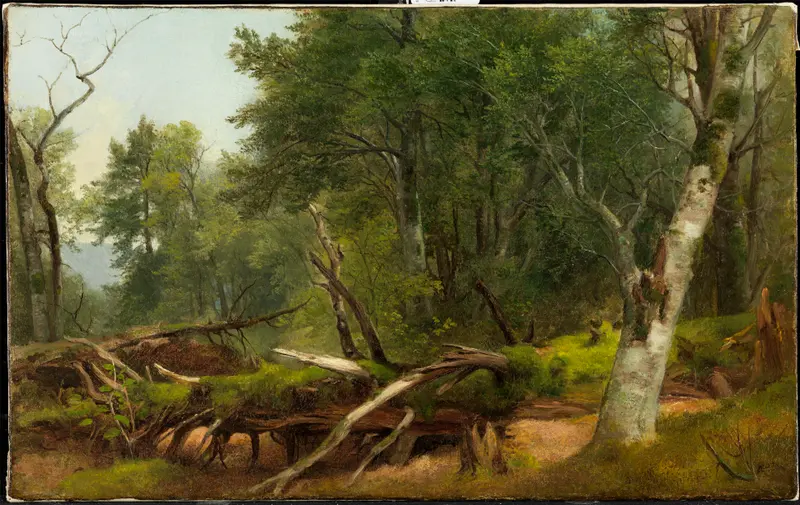
Forest Scene in the Catskills
Asher Brown Durand
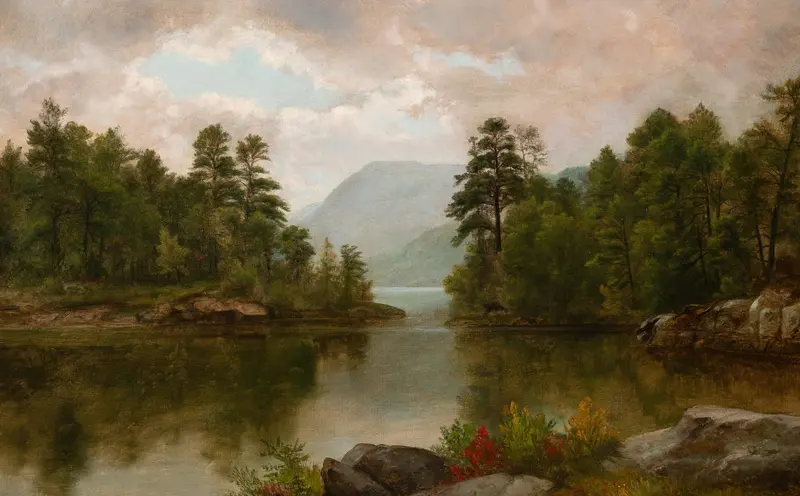
The Narrows, Lake George
Asher Brown Durand
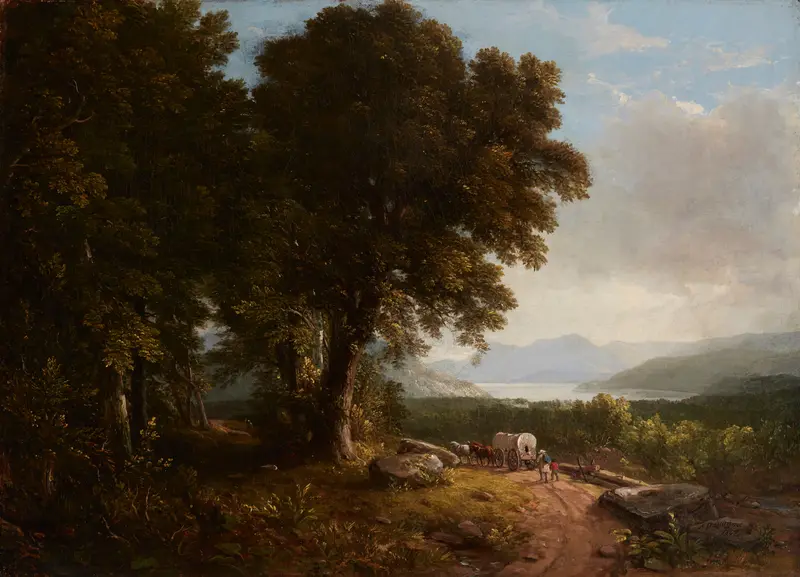
Landscape with Covered Wagon
Asher Brown Durand
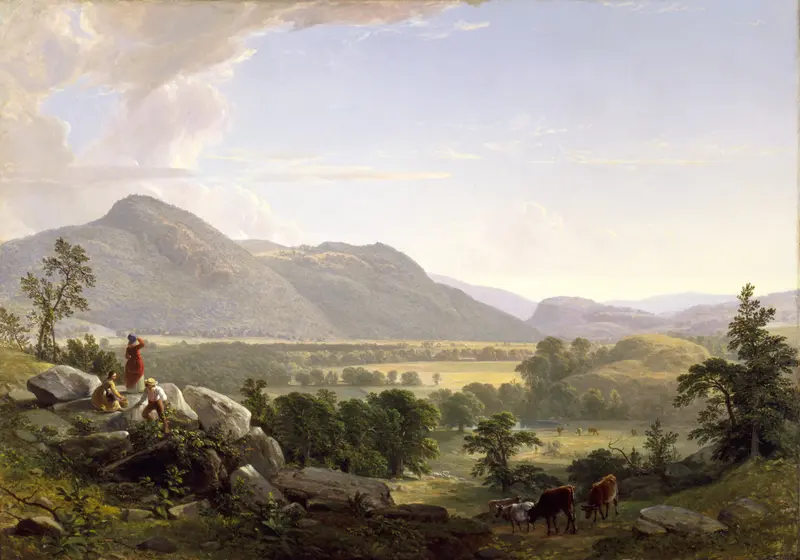
Dover Plains, Dutchess County, New York
Asher Brown Durand
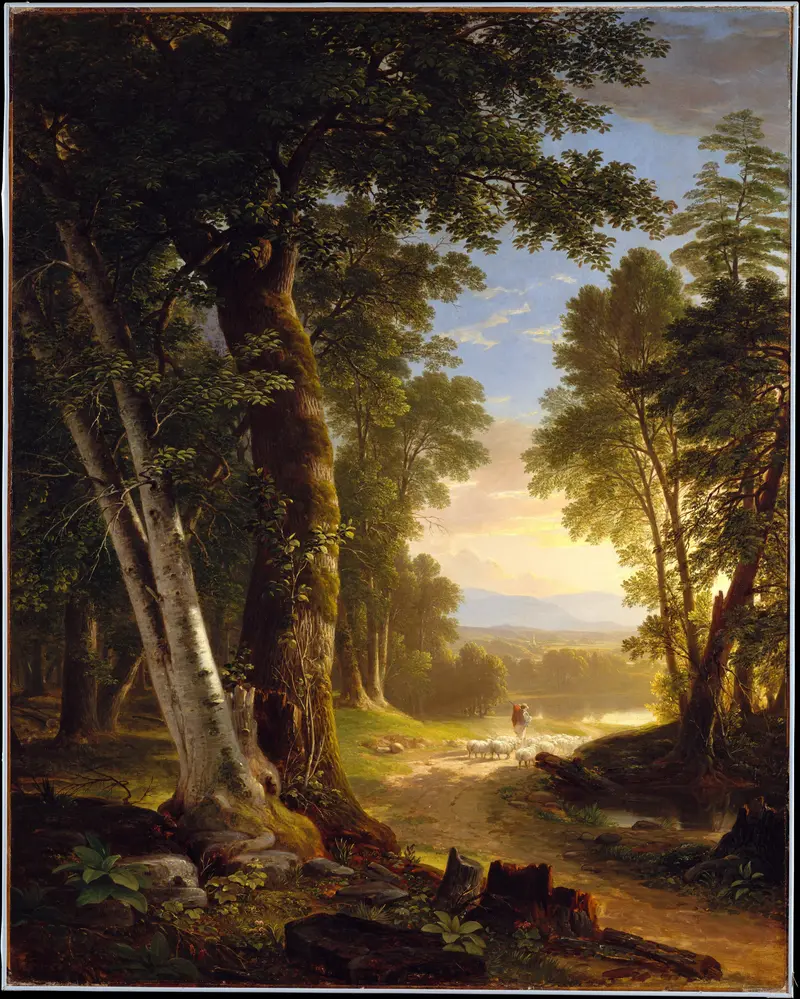
The Beeches
Asher Brown Durand

Kaaterskill Landscape
Asher Brown Durand
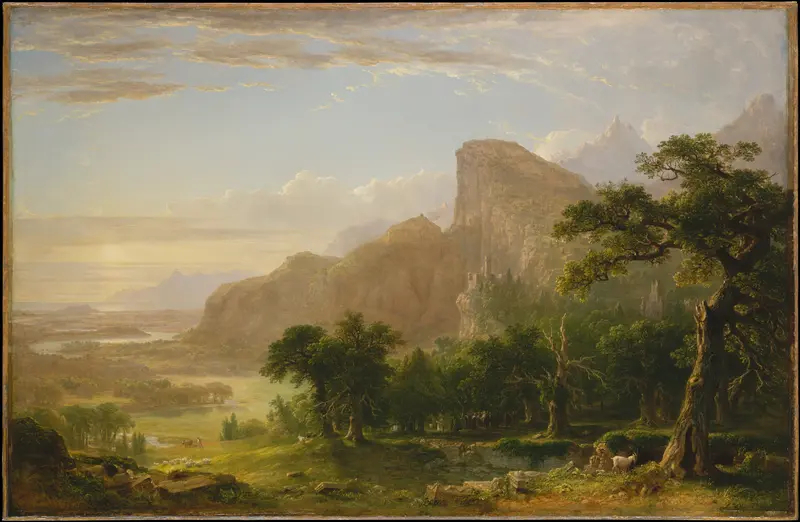
Landscape—Scene from ‘Thanatopsis’
Asher Brown Durand
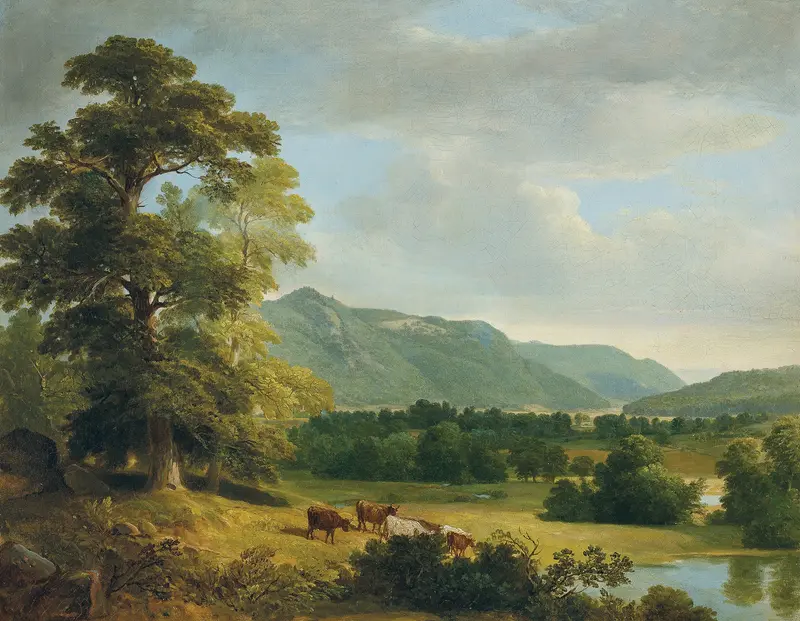
Landscape Study, Dover Plains, New York
Asher Brown Durand
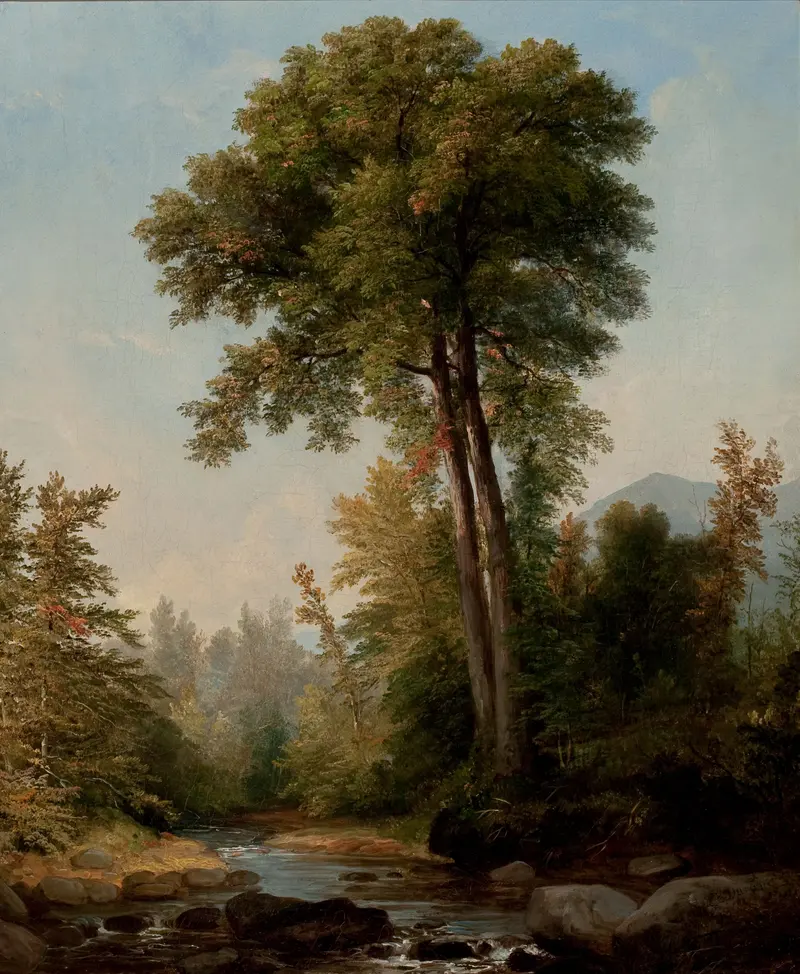
A Natural Monarch
Asher Brown Durand





