Discover insights about this artwork
The Sugar Camp — History & Facts
In The Sugar Camp, Eastman Johnson presents a lively scene filled with warm colors. The painting depicts figures engaged in the traditional process of maple syrup production. The setting is a rustic camp surrounded by trees, with steam rising from the boiling sap.
The atmosphere is bustling, capturing the essence of this seasonal activity. The painting is executed in oil on canvas, showcasing Johnson's skill in capturing realistic details. The figures are depicted with a focus on their expressions and movements, highlighting the labor involved in the syrup-making process. The use of light and shadow adds depth to the scene, enhancing the overall realism.
The approximate dimensions of the painting are 76.2 x 101.6 cm. Eastman Johnson was known for his depictions of American life, and The Sugar Camp is a prime example of his focus on genre scenes. This work reflects the cultural significance of maple syrup production in New England during the 19th century. An interesting fact about this painting is that it captures a moment in time that celebrates community and tradition.
Johnson's attention to detail and vibrant colors make this piece a notable work in American art history.
More Artworks by Eastman Johnson

Husking Bee, Island of Nantucket
Eastman Johnson
Corn Husking at Nantucket
Eastman Johnson
Husking Bee, Island of Nantucket
Eastman Johnson
A Different Sugaring Off
Eastman Johnson
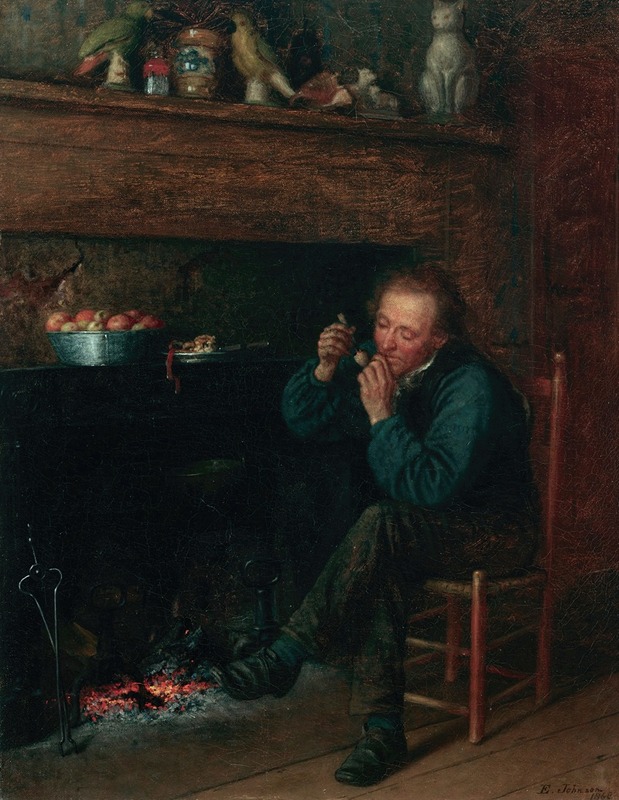
Study from Life Down East
Eastman Johnson
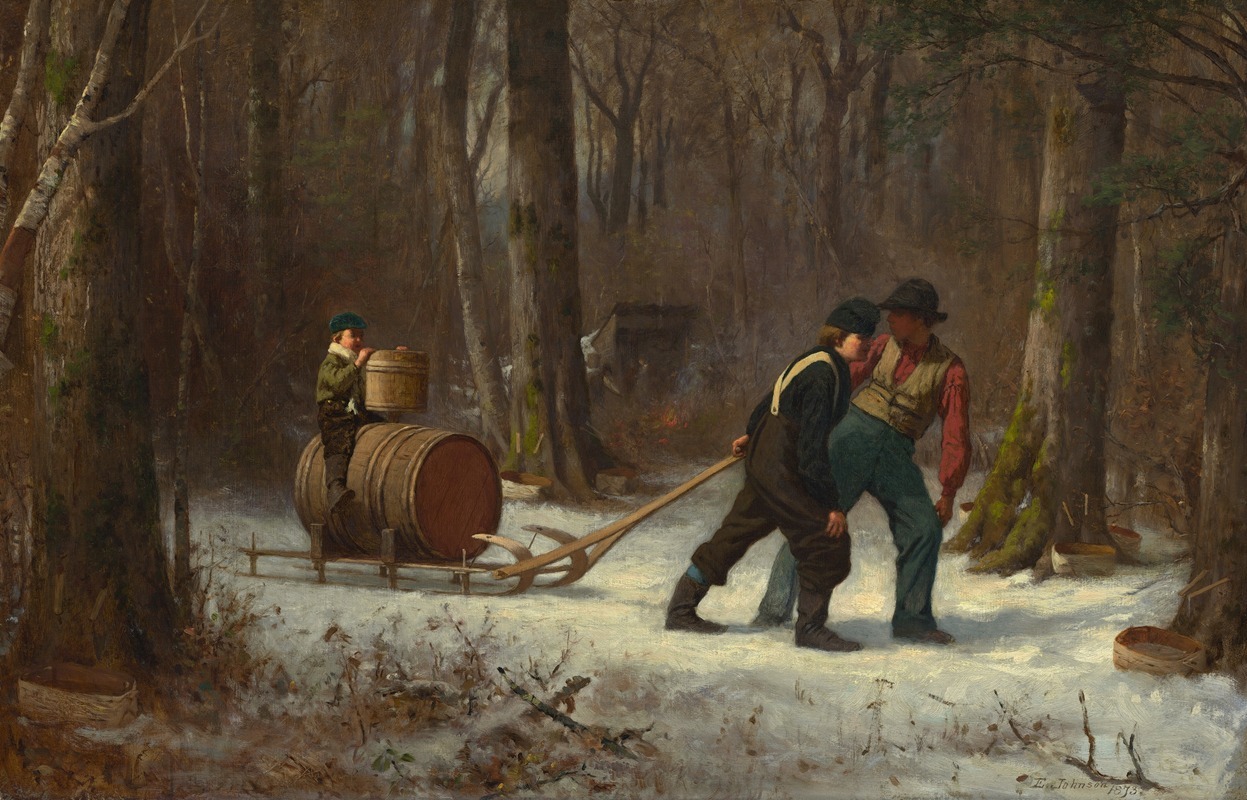
On Their Way to Camp
Eastman Johnson
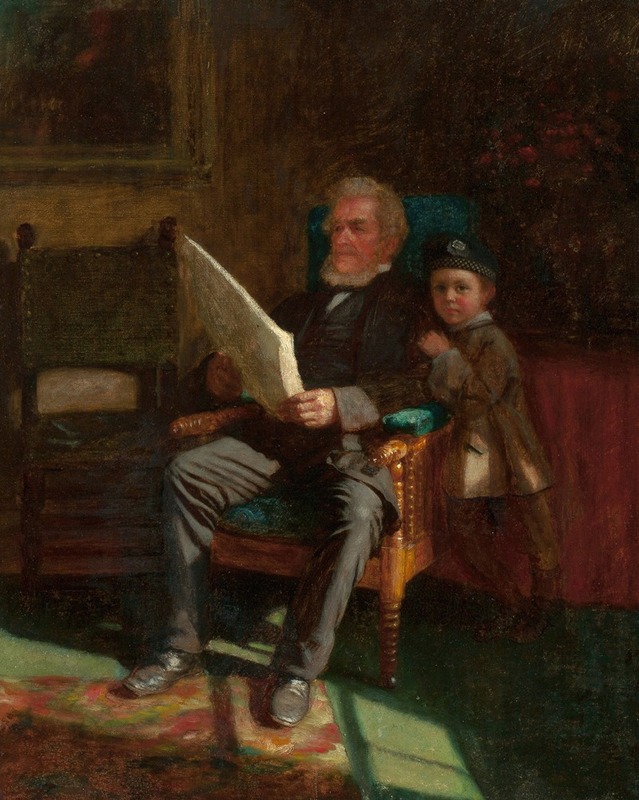
Portrait of John C. Chandler and Philip J. Wilson
Eastman Johnson
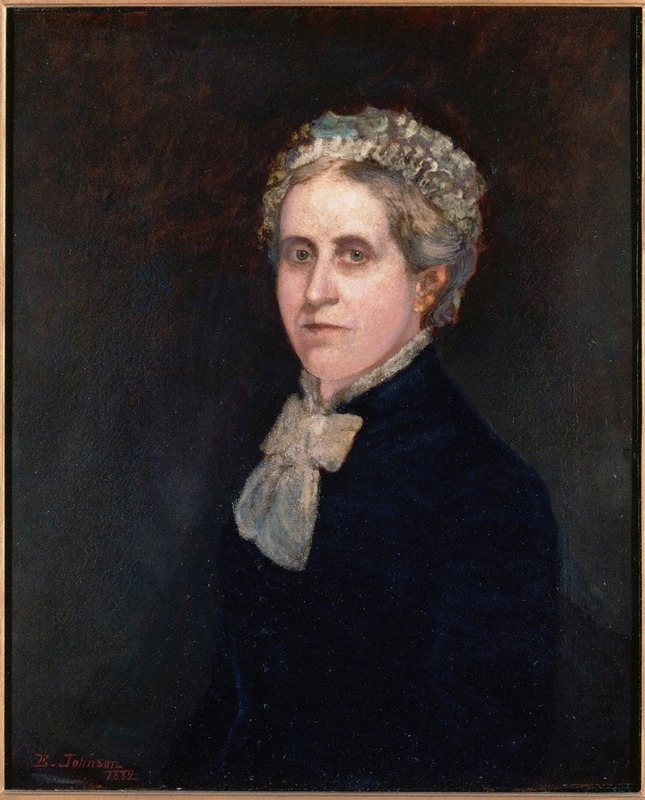
Isabella Guthrie McCosh (1817-1909)
Eastman Johnson
The Brown Family
Eastman Johnson
Reading Boy
Eastman Johnson