
The Terrace at La Granja — History & Facts
Could beauty survive in a century of chaos? In The Terrace at La Granja, a moment of serene elegance quietly confronts the tumult of the early 20th century, suggesting a fragile resilience within grief. It invites us to reflect on the transient nature of beauty, and the profound emotions that lie beneath its surface. Look to the left at the elegantly dressed figures, poised and engaged in subtle conversation, their leisurely postures contrasting dramatically with the rigid architecture that frames them. The composition is a delicate balance of light and shadow; soft sunlight spills across the terrace, illuminating the scene while casting intricate patterns upon the tiled floor.
Notice how Sargent utilizes a palette of muted greens and warm earth tones to create a sense of harmony, drawing the viewer’s eye toward the lush garden beyond, a symbol of life and continuity amidst the stillness. The interplay of figures and environment unveils deeper narratives; the juxtaposition of the intimate gathering against the expansive backdrop hints at a longing for connection amidst isolation. The vibrant flora, bursting forth in the garden, echoes both joy and longing, whispering of life’s fleeting nature. This scene, while vibrant, is imbued with a quiet melancholy, suggesting that even in moments of beauty, the shadows of past grief linger just beneath the surface. In the early 1900s, Sargent created this work while living in Paris, at a time when the art world was evolving rapidly.
The influences of Impressionism were palpable, yet his own style remained distinct, blending traditional techniques with modern sensibilities. This period was marked by societal changes and the onset of world events that would soon disrupt the calm—a context that adds an additional layer of poignancy to the artwork, reminding us of beauty’s fragile power.
More Artworks by John Singer Sargent
Browse all →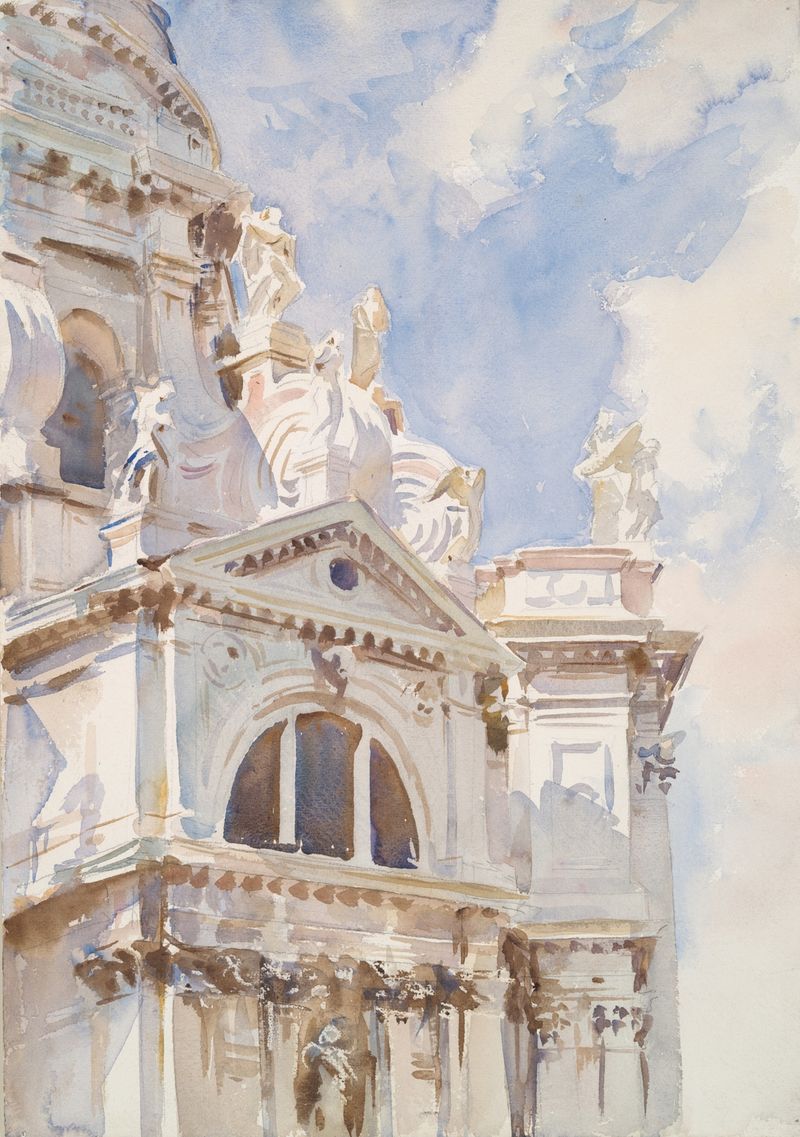
The Salute, Venice
John Singer Sargent

Mrs. Charles Deering (Marion Denison Whipple)
John Singer Sargent
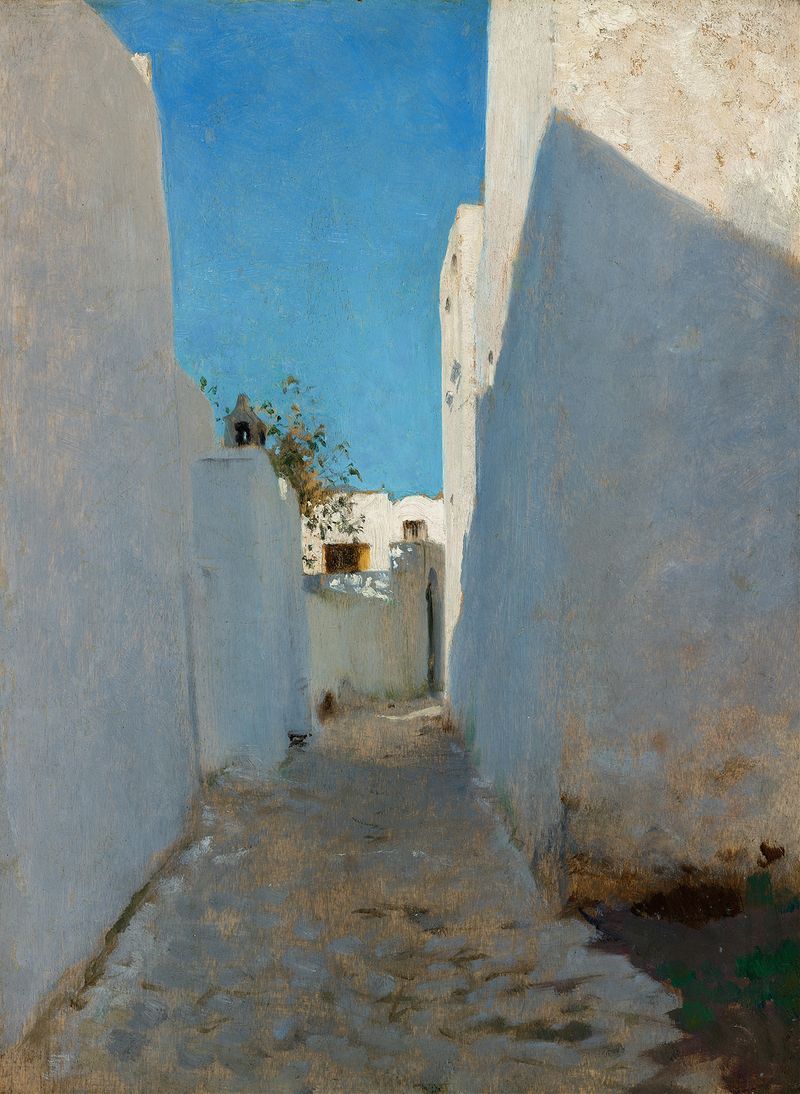
A Moroccan Street Scene
John Singer Sargent
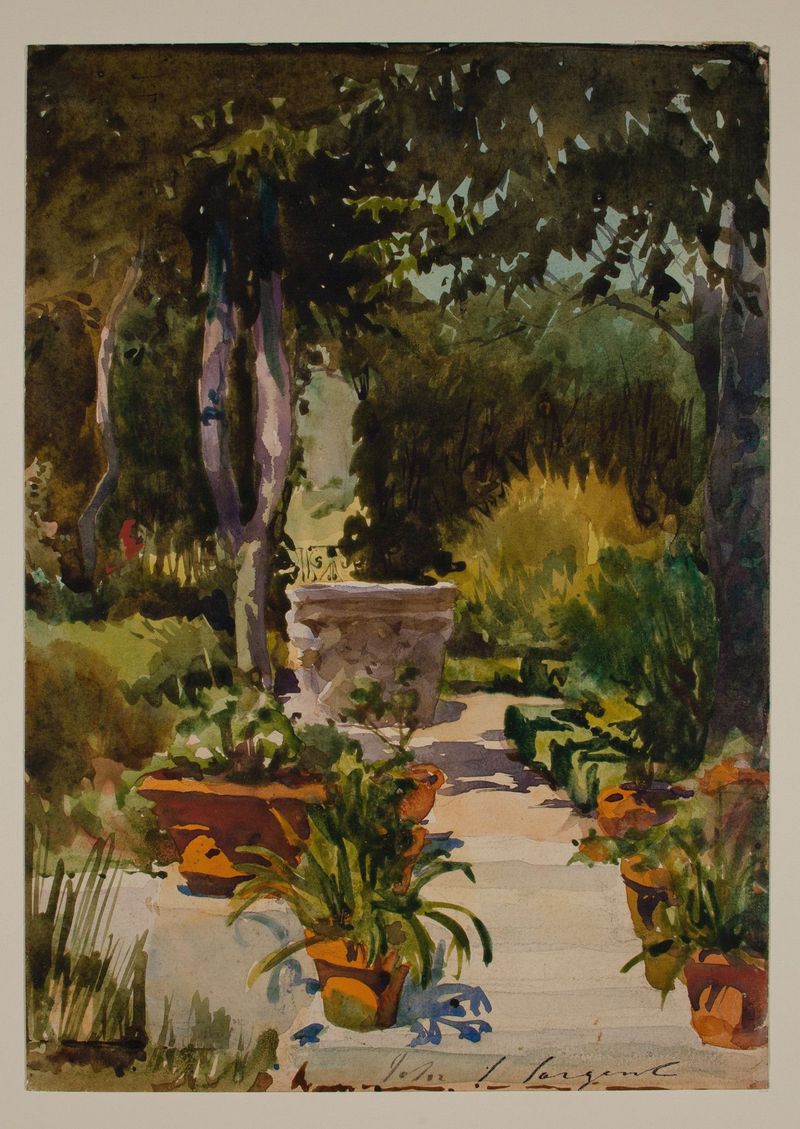
Mrs. Thayer’s Garden, Massachusetts
John Singer Sargent
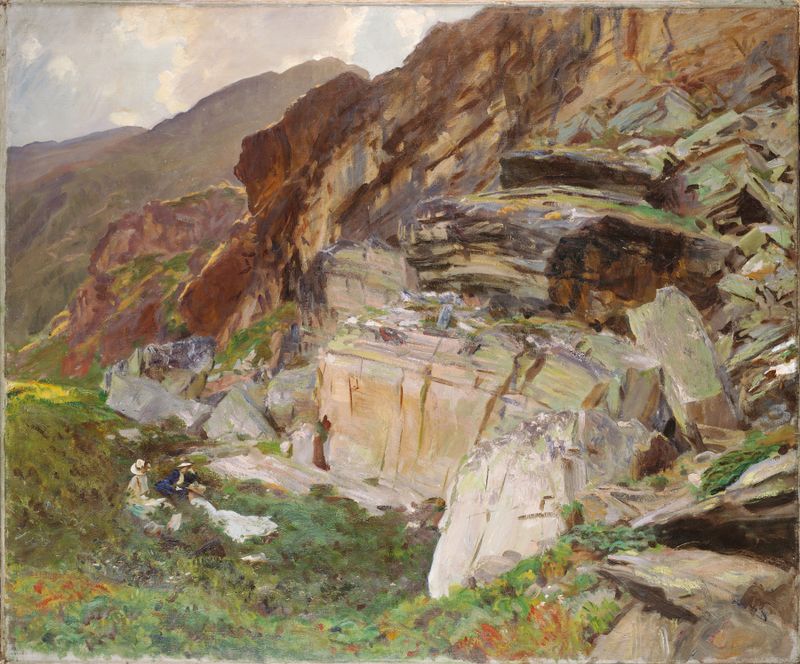
In the Simplon Valley
John Singer Sargent
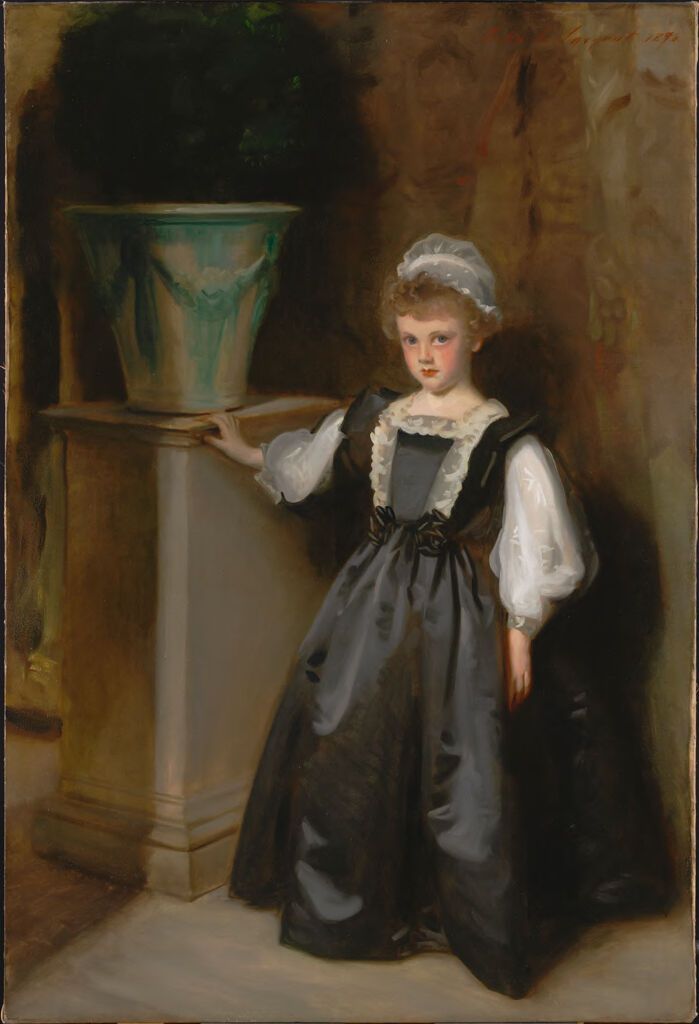
The Honorable Laura Lister
John Singer Sargent
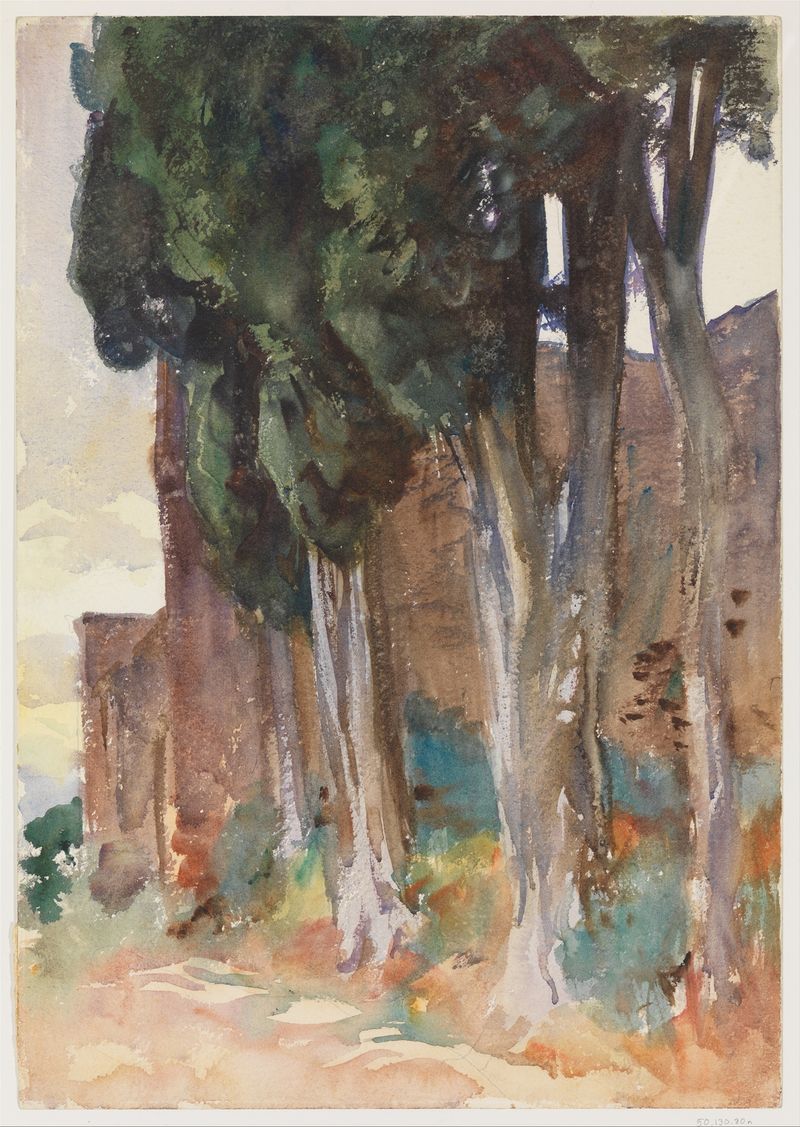
Alhambra, Granada
John Singer Sargent
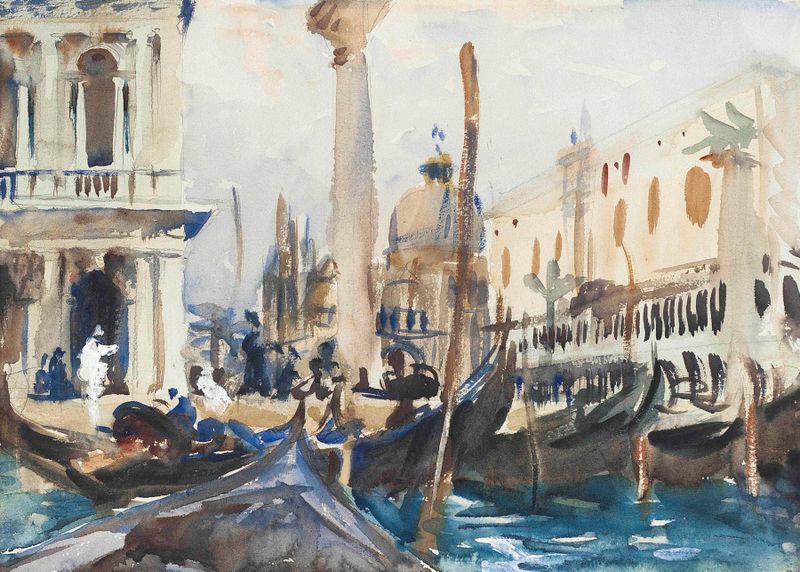
The Piazzetta with Gondolas
John Singer Sargent
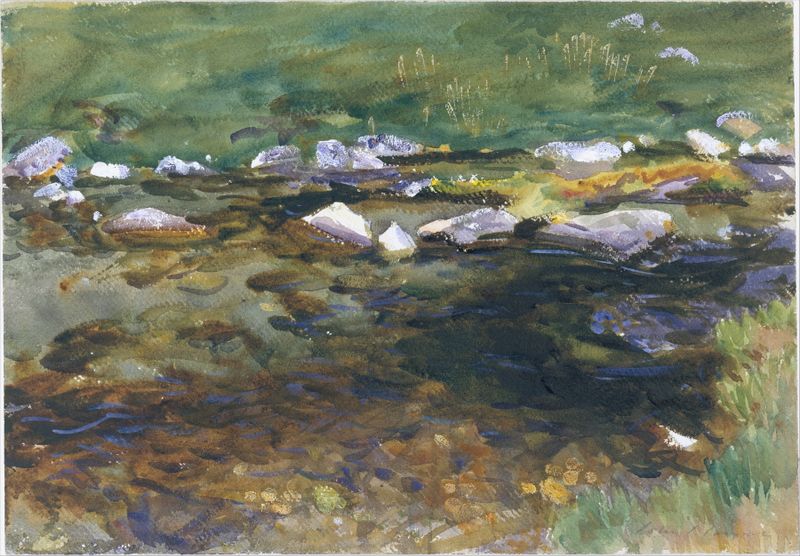
Brook and Meadow
John Singer Sargent
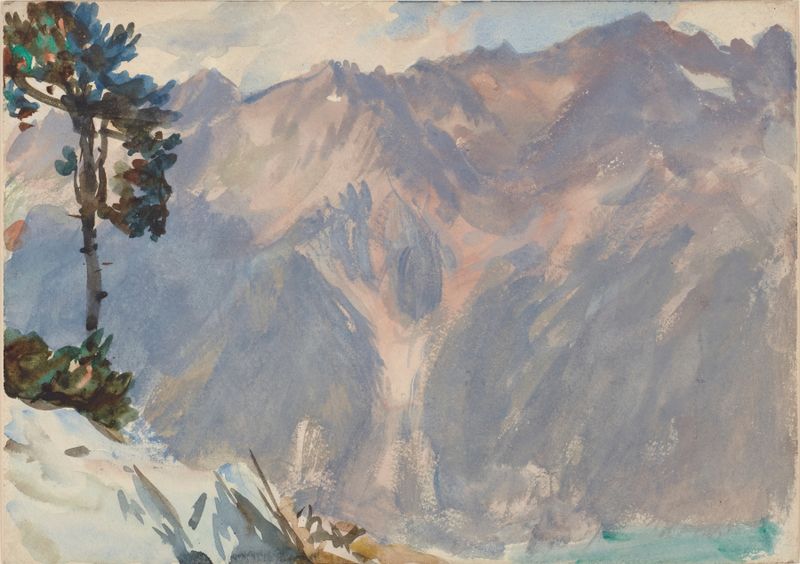
Tyrol
John Singer Sargent





