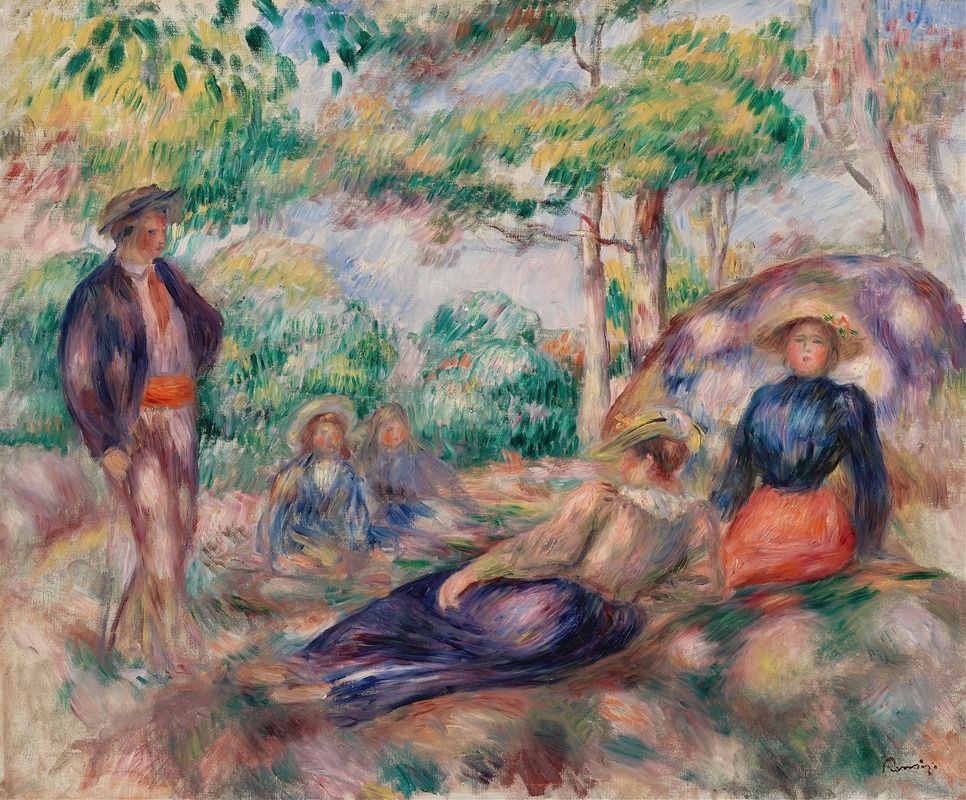
Discover insights about this artwork
The Threshing Floor — History & Facts
In The Threshing Floor, Francisco de Goya presents a rural scene filled with earthy colors. The painting features figures engaged in the labor of threshing grain, surrounded by a landscape that suggests a bountiful harvest. Goya uses a palette of browns, greens, and ochres to convey the warmth and intensity of rural life.
The figures are depicted with a sense of movement, emphasizing the physicality of their work. The painting is executed in oil on canvas, a medium that allows for rich texture and depth. Goya's brushwork is expressive, capturing the energy of the scene and the toil of the workers. The composition is dynamic, with figures arranged in a way that leads the viewer's eye through the action of the threshing process.
The approximate dimensions of the work are 100 x 130 cm, making it a substantial piece that commands attention. Francisco de Goya was a pivotal figure in Spanish art, bridging the gap between the Old Masters and modernity. The Threshing Floor reflects his interest in the lives of common people, a theme that resonates throughout his career. Interestingly, this work was created during a time when Goya was increasingly concerned with social issues, foreshadowing his later, darker works.
It serves as a testament to his ability to capture the essence of human experience in a changing world.
More Artworks by Francisco de Goya
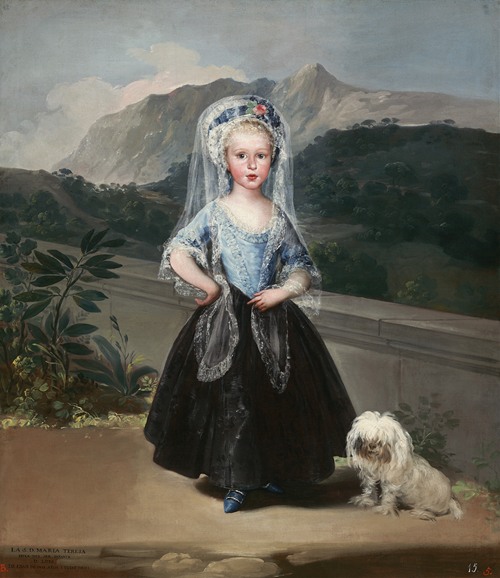
María Teresa de Borbón y Vallabriga,later Condesa de Chinchón
Francisco de Goya
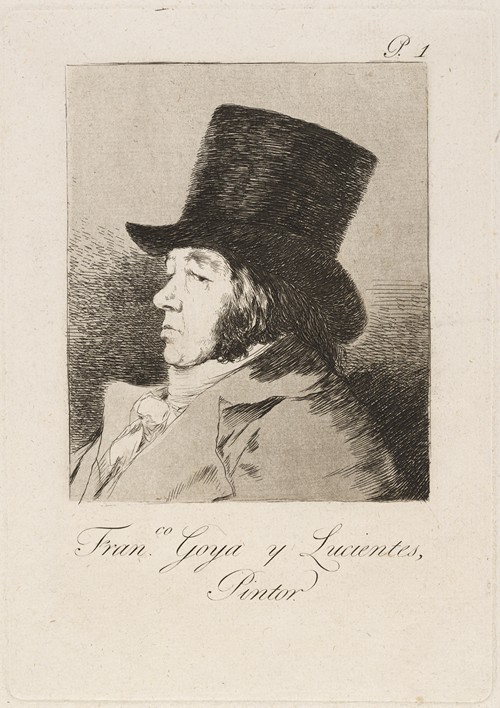
Francisco Goya y Lucientes, Pintor (Francisco Goya y Lucientes, painter)
Francisco de Goya
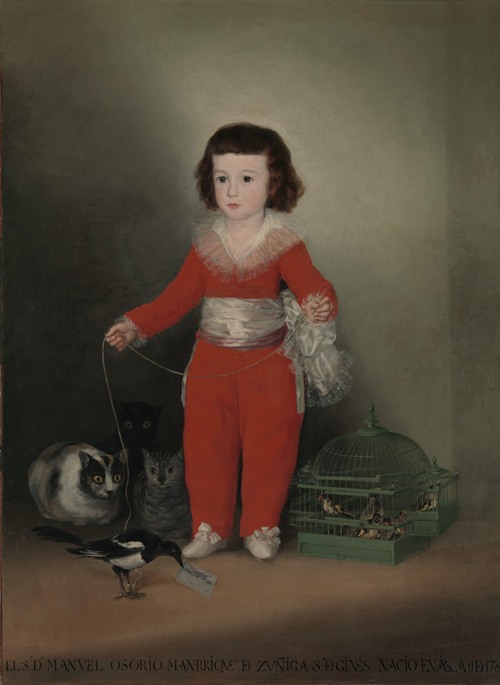
Manuel Osorio Manrique de Zuñiga (1784–1792)
Francisco de Goya
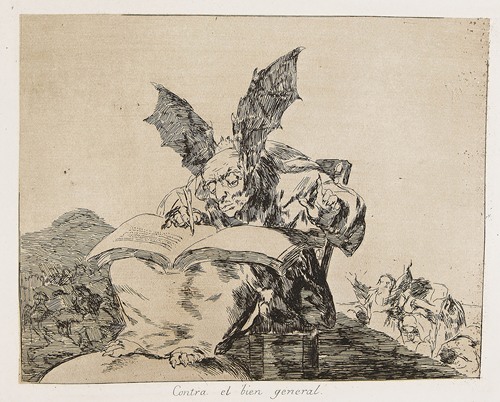
Los desastres de la guerra
Francisco de Goya
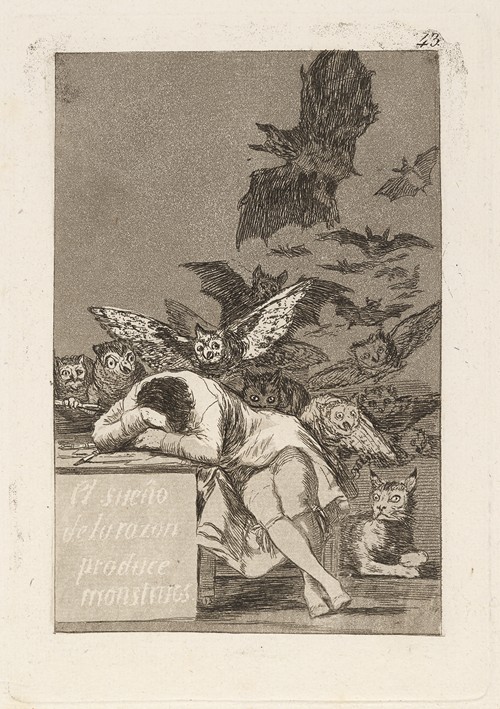
El sueño de la razon produce monstruos. (The sleep of reason produces monsters.)
Francisco de Goya
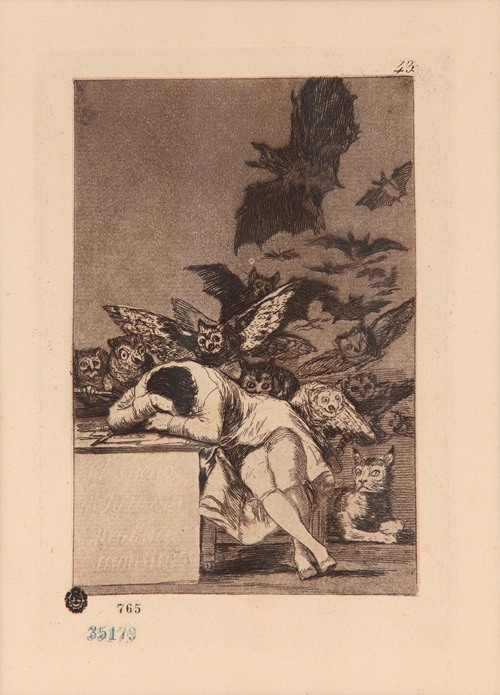
El sueño de la razon produce moustruos (Serie Caprichos)
Francisco de Goya
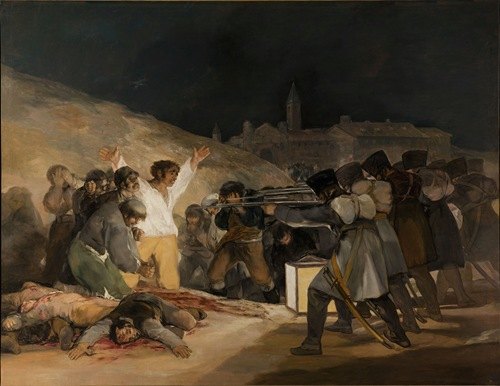
The Third of May
Francisco de Goya
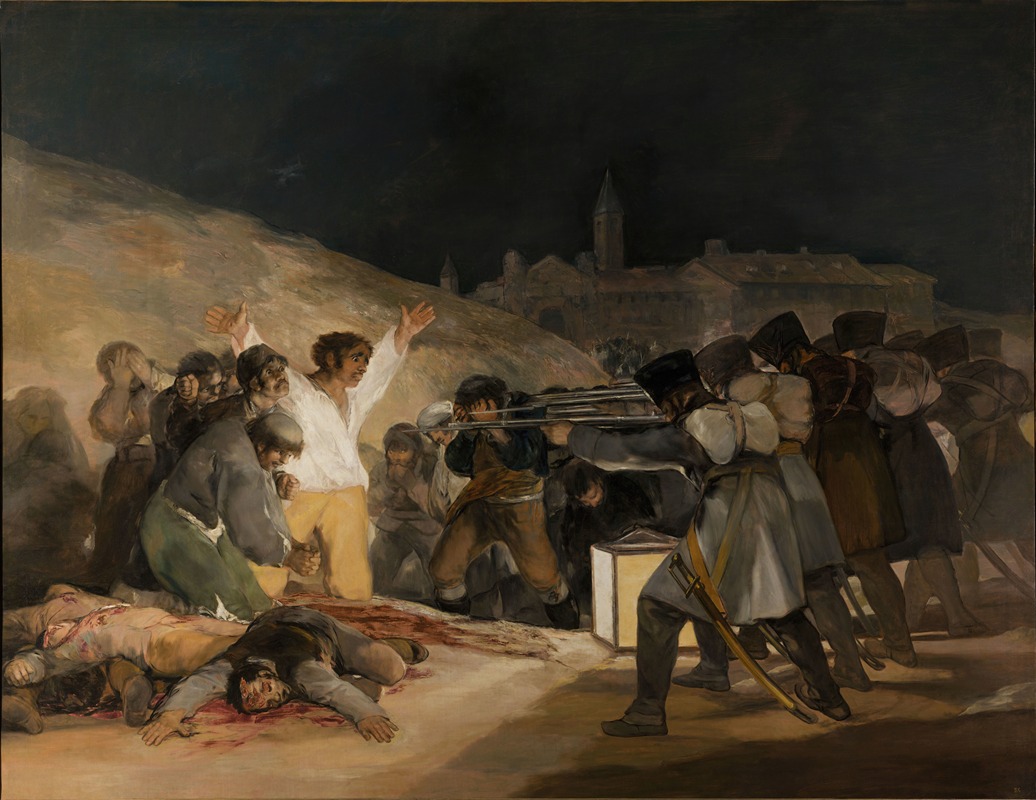
The Third of May 1808
Francisco de Goya
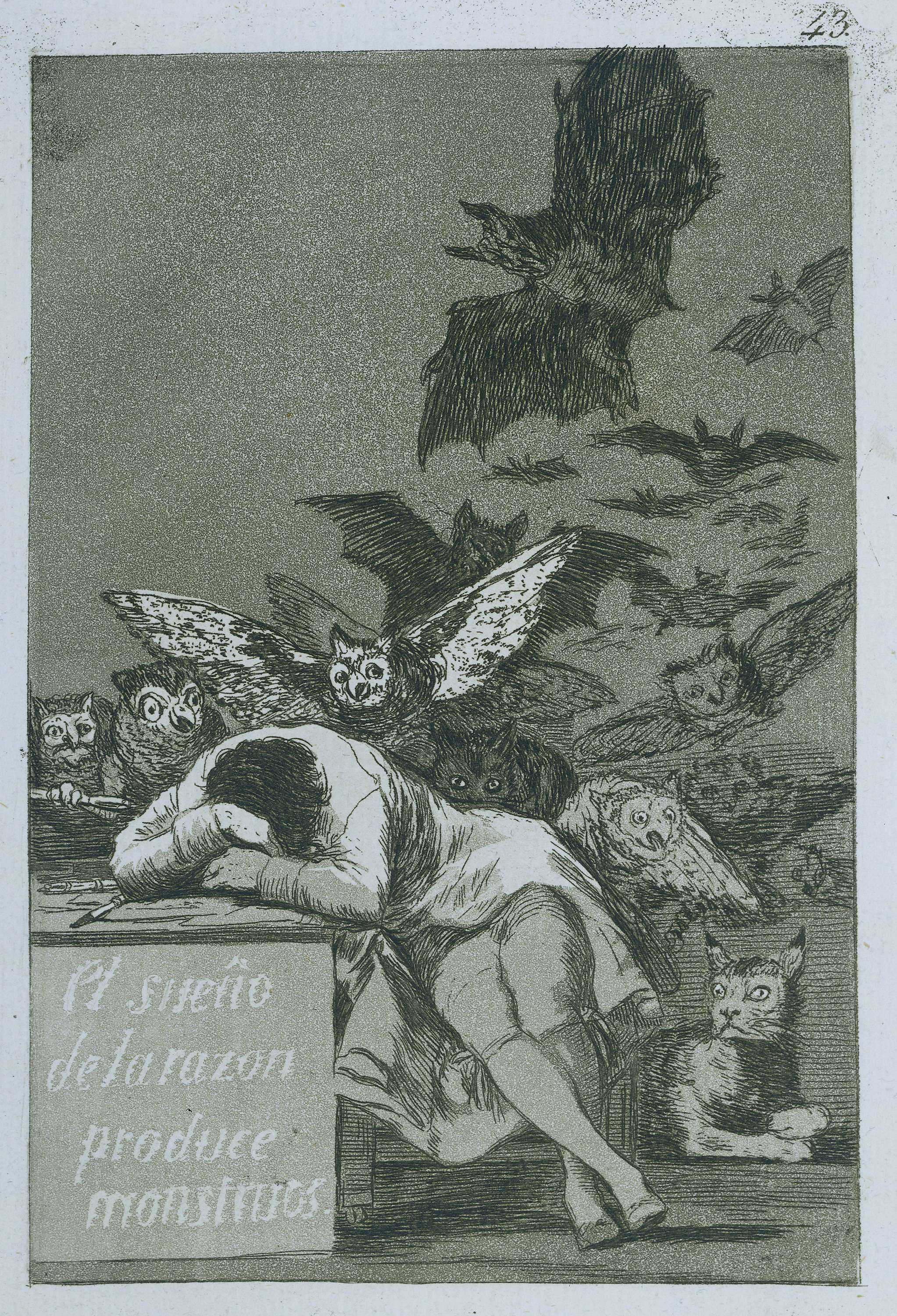
De slaap van de rede brengt monsters voort
Francisco de Goya
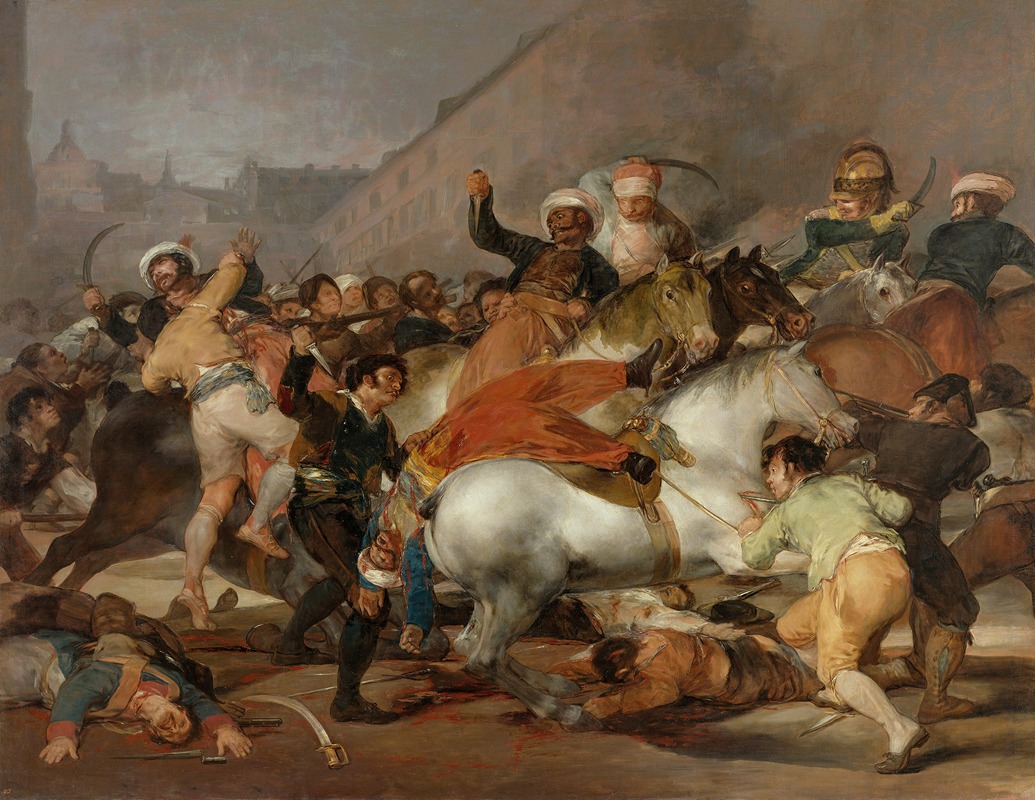
The Charge of the Mamelukes (1814)
Francisco de Goya