
The Tomb Of Plautius Lucanus Near The Ponte Lucano — History & Facts
In the delicate balance between nature and human ambition, the longing to leave a mark is palpable. Look to the left at the looming, ancient tomb, its weathered stones standing resolute against a backdrop of lush greenery. The artist’s meticulous attention to detail draws our gaze, highlighting the way the light dances across the uneven surface of the stone. Notice how the vibrant greens of the foliage contrast with the muted tones of the mausoleum, creating a dialogue between vitality and mortality.
The gentle curve of the river in the background leads the eye, inviting contemplation while inviting the viewer to wander through the serene landscape. Beneath the beauty, a tension simmers — nature’s encroachment on human monuments, signaling both decay and the power of time. The interplay of shadow and light evokes a sense of longing, perhaps a yearning for permanence in a world that emphasizes transience. The tranquil river serves as a metaphor for the passage of life, encircling the forgotten legacy of its occupant, while the rich palette heightens the emotional resonance of desire for remembrance. The artist created this piece during a time of artistic transition in Europe, reflecting the Neoclassical movement's deep appreciation for antiquity and the sublime.
While the precise date remains uncertain, Ducros was active in the late 18th century, a period marked by a growing interest in nature’s beauty as a source of inspiration and reflection. The work embodies both the nostalgia for past civilizations and the dawning awareness of the fleeting nature of human endeavors, themes that resonate through his oeuvre and the era itself.
More Artworks by Abraham-Louis-Rodolphe Ducros
Browse all →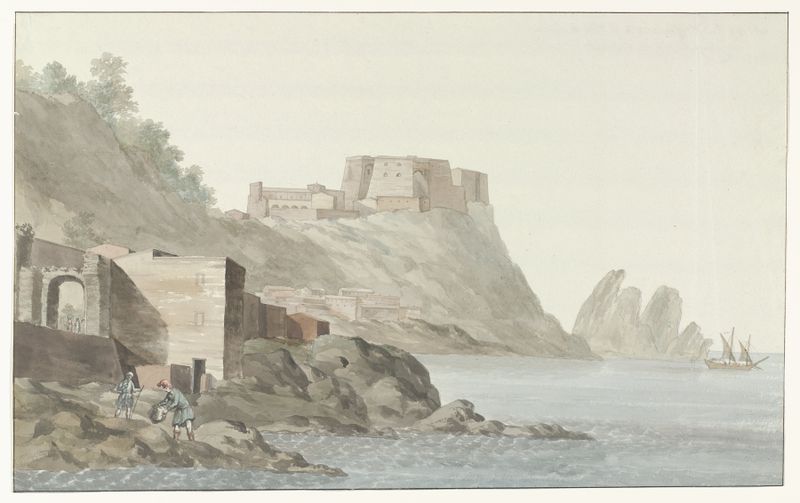
Rots en stad Scilla in de regio Calabrië aan de oostkust
Abraham-Louis-Rodolphe Ducros
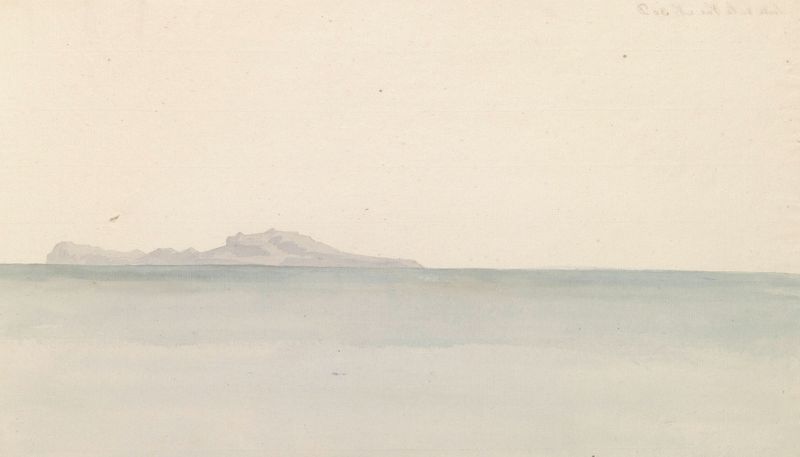
Gezicht op Golf van Napels vanaf kade bij kerk Santa Maria del Carmine
Abraham-Louis-Rodolphe Ducros
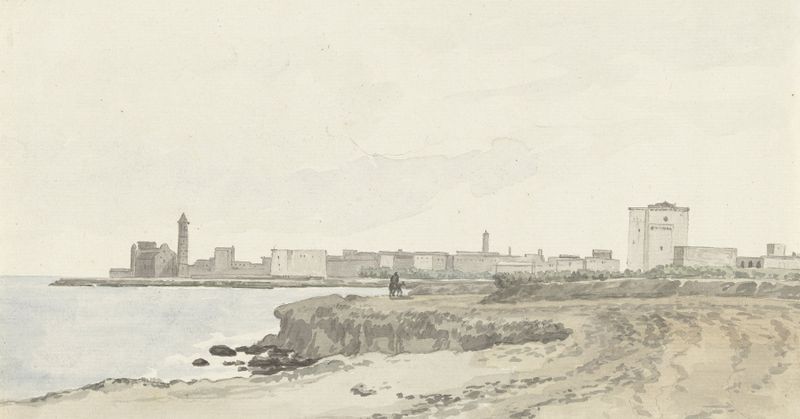
Gezicht op Trani gelegen aan de kust
Abraham-Louis-Rodolphe Ducros
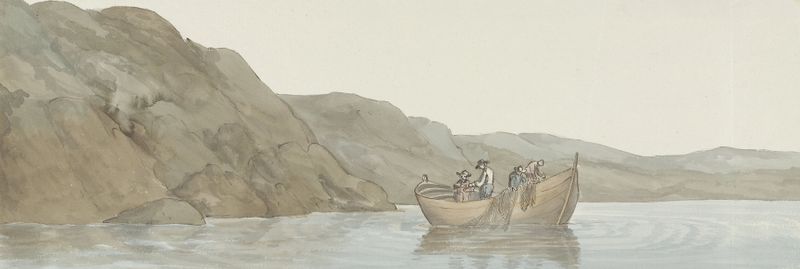
Gezicht op Kaap Paceco in Calabrië nabij de stad Scilla
Abraham-Louis-Rodolphe Ducros
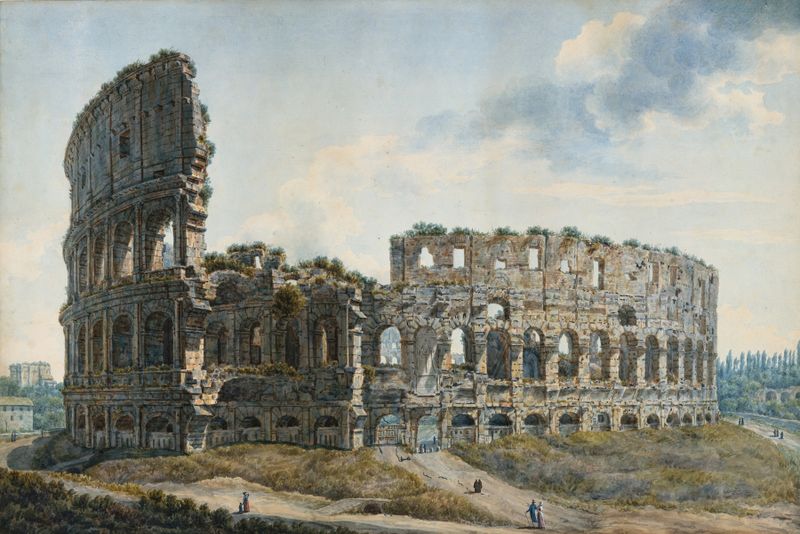
The Colosseum, Rome.
Abraham-Louis-Rodolphe Ducros
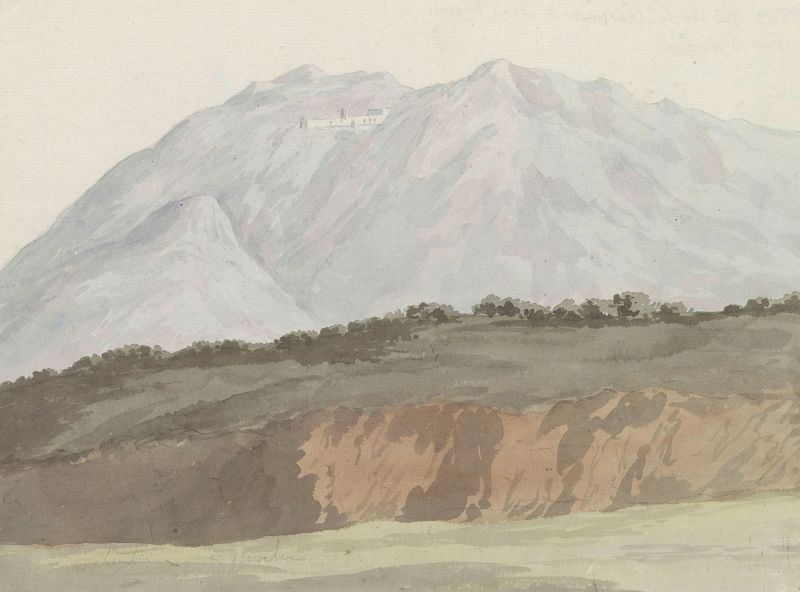
Gezicht op kartuizerklooster van Monte Vergine hoog gelegen boven Avellino
Abraham-Louis-Rodolphe Ducros
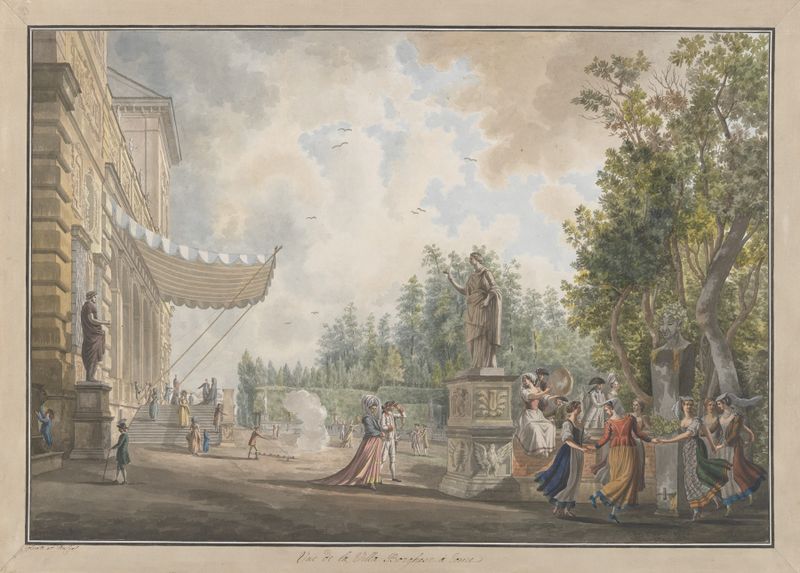
Villa Borghese
Abraham-Louis-Rodolphe Ducros
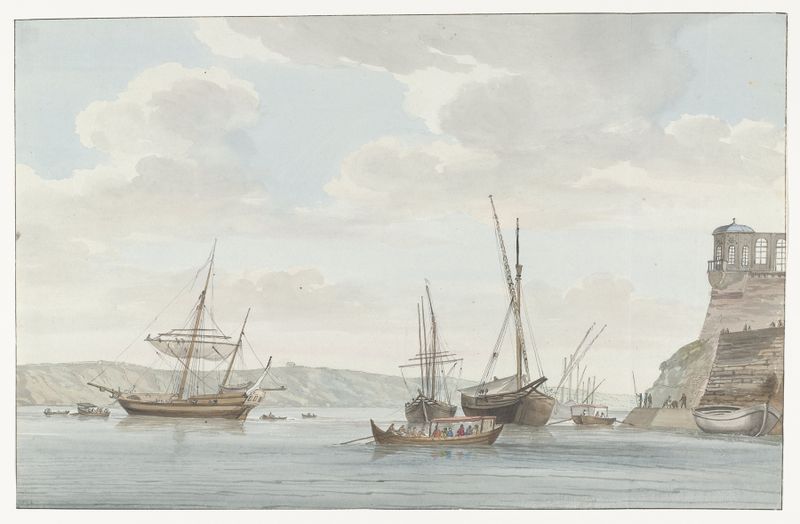
Tuinhuis van de Jardin du Grand Maître uittorend boven de haven met galei schepen op Malta
Abraham-Louis-Rodolphe Ducros
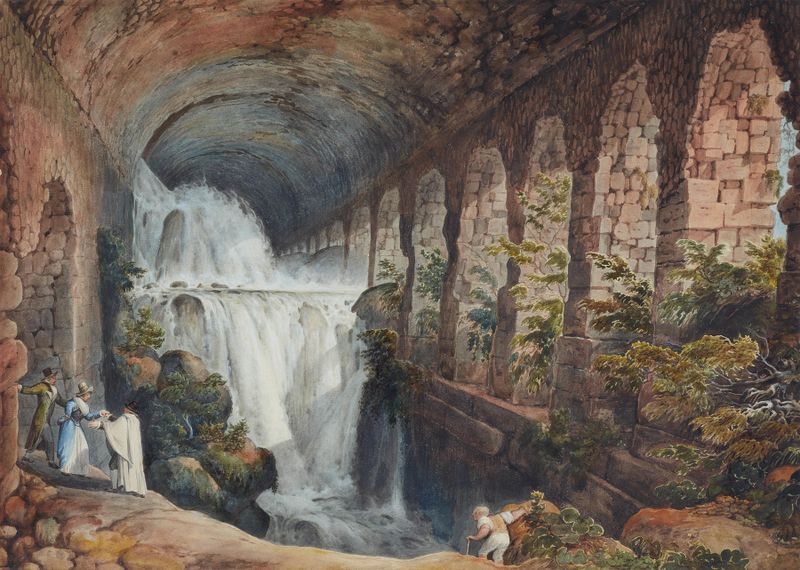
Aquädukt unter der Villa des Maecenas in Tivoli
Abraham-Louis-Rodolphe Ducros
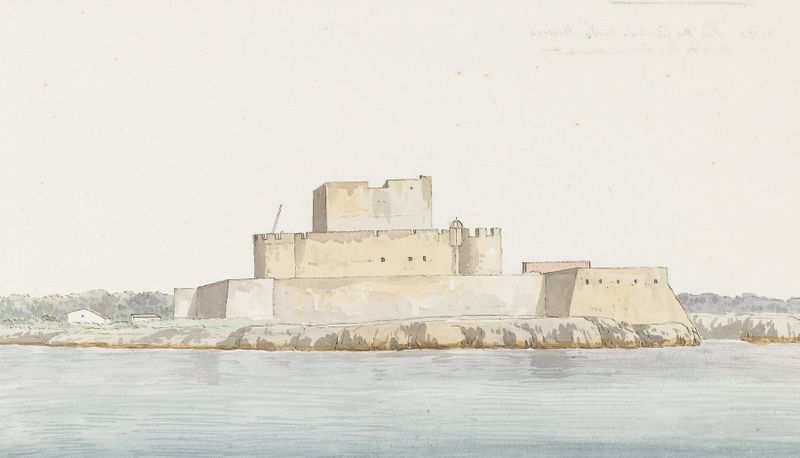
Gezicht op kasteel van San Mauro la Bruca vanaf zee bij aankomst
Abraham-Louis-Rodolphe Ducros
More Architecture Art
Browse all →
The statue of Liberty
Frédéric Auguste Bartholdi

View of Houses in Delft, Known as ‘The Little Street’
Johannes Vermeer

View of Houses in Delft, Known as ‘The Little Street’
Johannes Vermeer

The Cathedral in Rouen. The portal, Grey Weather
Claude Monet

The yellow house
Vincent van Gogh

The Church in Auvers-sur-Oise, View from the Chevet
Vincent van Gogh