
The Torensluis and the Jan Roodenpoortstoren in Amsterdam — History & Facts
In the delicate embrace of twilight, a world of melancholy unfolds where the echoes of a bygone era linger in the air like a haunting melody. The canvas breathes with the weight of history, inviting the viewer to contemplate the transient nature of life and memory. Look to the center of the painting, where the Torensluis stands tall, its sturdy structure juxtaposed against the ethereal beauty of the shimmering water. Notice the soft palette of muted blues and grays, punctuated by hints of warm ochre, creating a gentle yet poignant atmosphere.
The artist’s meticulous brushwork captures the play of light on the surface of the canal, drawing your gaze to the reflections that dance upon the water, as if reminiscing about stories long forgotten. Intriguingly, the contrast between the solid architecture and the fluidity of the water speaks to the tension between permanence and impermanence. The looming Jan Roodenpoortstoren serves as a silent witness to the passage of time, its weathered stones imbued with the weight of countless lives lived. Small details, such as the solitary boat gently drifting by, evoke feelings of solitude and contemplation, reminding us of our own fleeting moments within the tapestry of history. Hendrik Gerrit ten Cate created this artwork in 1829, during a period of burgeoning artistic exploration and national pride in the Netherlands.
He was influenced by the Romantic movement, which sought to capture the emotional resonance of landscapes and urban scenes. This painting, reflecting a pivotal moment in both his personal journey and the broader context of Dutch art, encapsulates the profound sense of longing that characterized the era.
More Artworks by Hendrik Gerrit ten Cate
Browse all →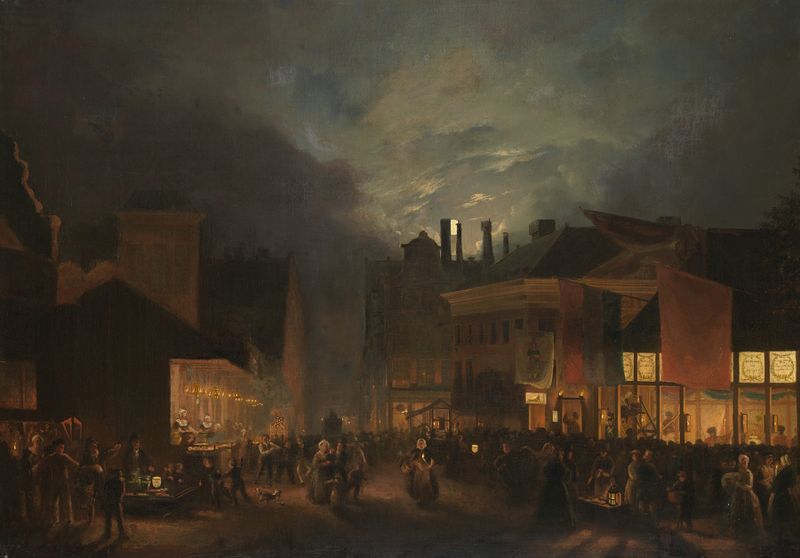
Kermis op de Botermarkt bij avond
Hendrik Gerrit ten Cate

Winterlandschap met poort tussen bomen
Hendrik Gerrit ten Cate
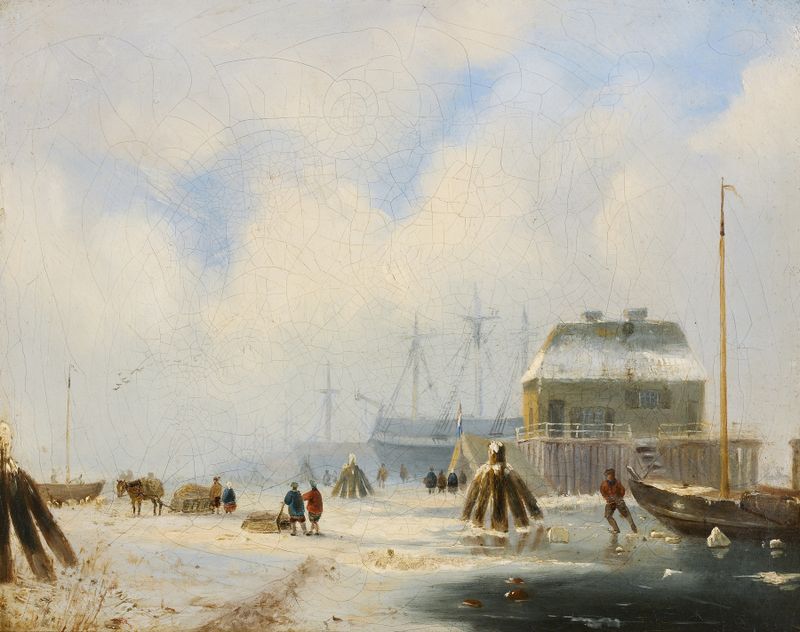
Wintergezicht op haven
Hendrik Gerrit ten Cate

Winterlandschap met houtsprokkelaar op bospad
Hendrik Gerrit ten Cate
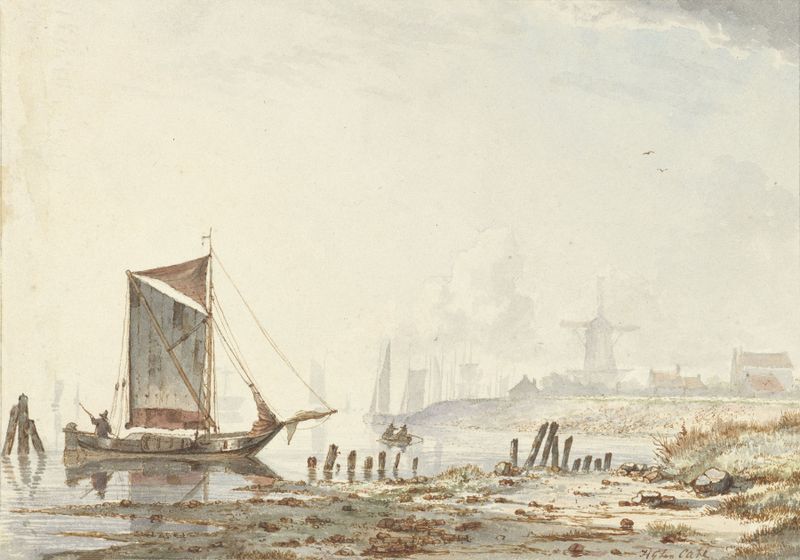
Schepen op een rivier, bij de oever
Hendrik Gerrit ten Cate
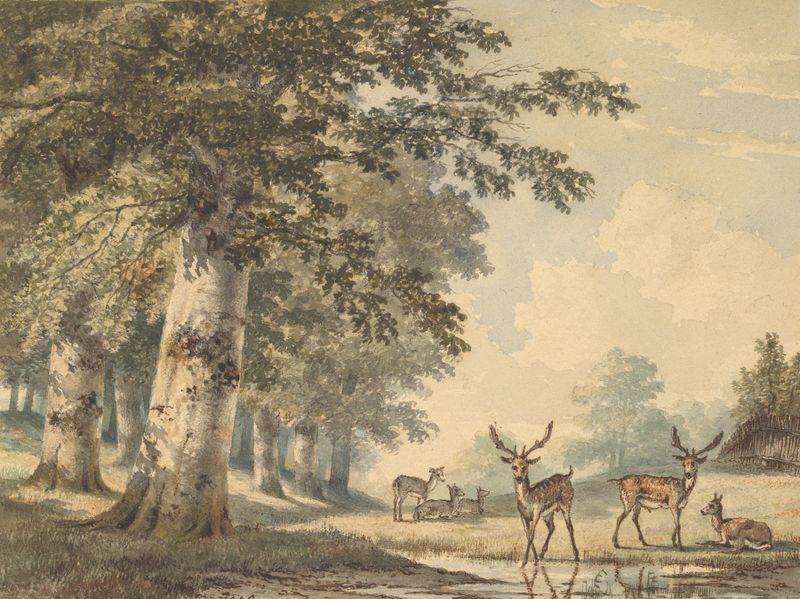
Deer under Beech Trees in Winter
Hendrik Gerrit ten Cate
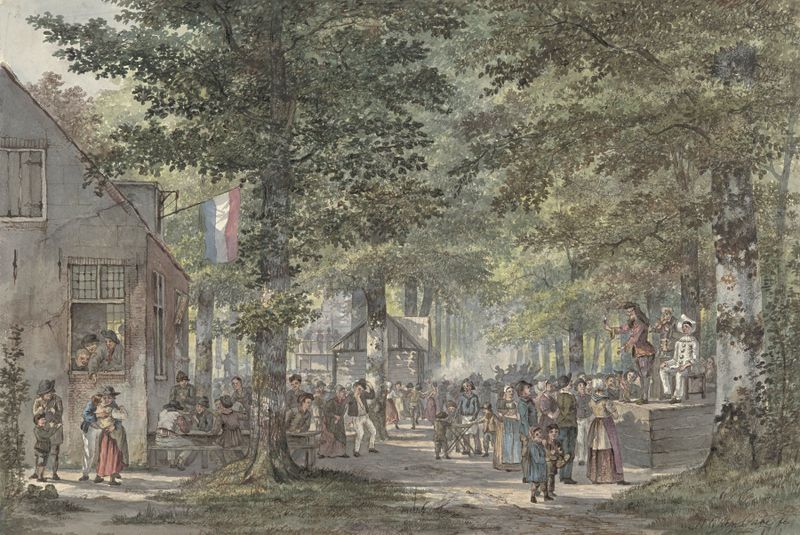
Festival in de Haarlemmer hout
Hendrik Gerrit ten Cate

Stadsgezicht in de winter
Hendrik Gerrit ten Cate

A landscape with figures on a frozen river
Hendrik Gerrit ten Cate
More Architecture Art
Browse all →
The statue of Liberty
Frédéric Auguste Bartholdi

View of Houses in Delft, Known as ‘The Little Street’
Johannes Vermeer

View of Houses in Delft, Known as ‘The Little Street’
Johannes Vermeer

The Cathedral in Rouen. The portal, Grey Weather
Claude Monet

The yellow house
Vincent van Gogh

The Church in Auvers-sur-Oise, View from the Chevet
Vincent van Gogh