
Winterlandschap met poort tussen bomen — History & Facts
Between color and silence, truth hides. In the delicate interplay of winter’s chill and warm light, a world emerges where nature breathes softly under a blanket of snow. Look to the center where a weathered wooden gate stands between tall, bare trees. The gate, slightly ajar, invites you into an untouched landscape, while the soft hues of pale blue and muted cream create a serene atmosphere.
Notice how the light delicately filters through the branches, casting intricate shadows on the ground, revealing the nuances of texture in the snow and bark. The composition draws your eye inward, suggesting a journey that is both physical and contemplative. A sense of solitude pervades the painting, as the towering trees frame the entrance to a tranquil realm, evoking feelings of loneliness and introspection. The juxtaposition of the stark, lifeless branches against the gentle light hints at the undying cycle of life and death in nature.
Here, the gate represents a passage not just into the landscape, but into deeper reflections on existence itself, where the quiet of winter becomes a canvas for thoughts and emotions. Hendrik Gerrit ten Cate painted Winterlandschap met poort tussen bomen in 1835, a period marked by a growing interest in Romanticism and the exploration of nature’s beauty in Dutch art. Living in The Hague, he was influenced by the evolving artistic movements of his time, as artists increasingly turned to landscapes to express emotional depth and personal experience. This work reflects a moment of introspection in both Ten Cate’s life and the cultural milieu, as the world was on the cusp of significant change, seeking solace in the quietude of nature.
More Artworks by Hendrik Gerrit ten Cate
Browse all →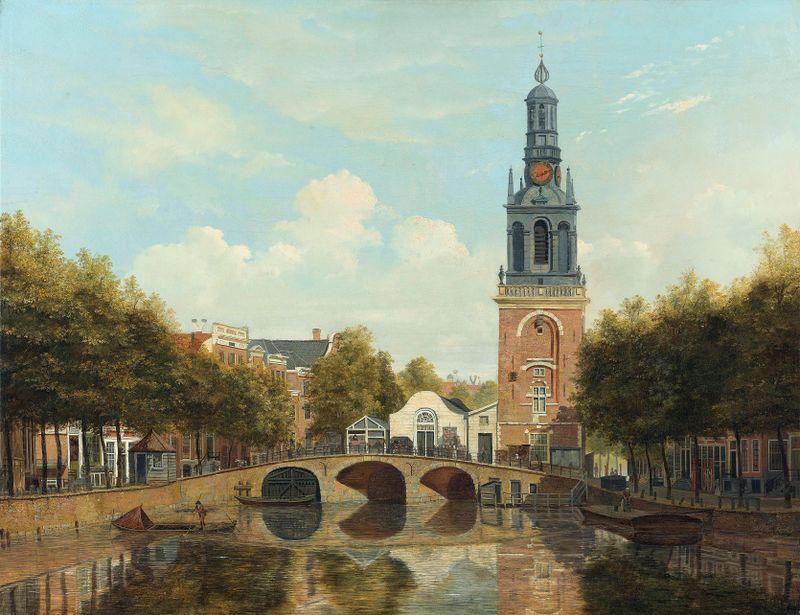
The Torensluis and the Jan Roodenpoortstoren in Amsterdam
Hendrik Gerrit ten Cate
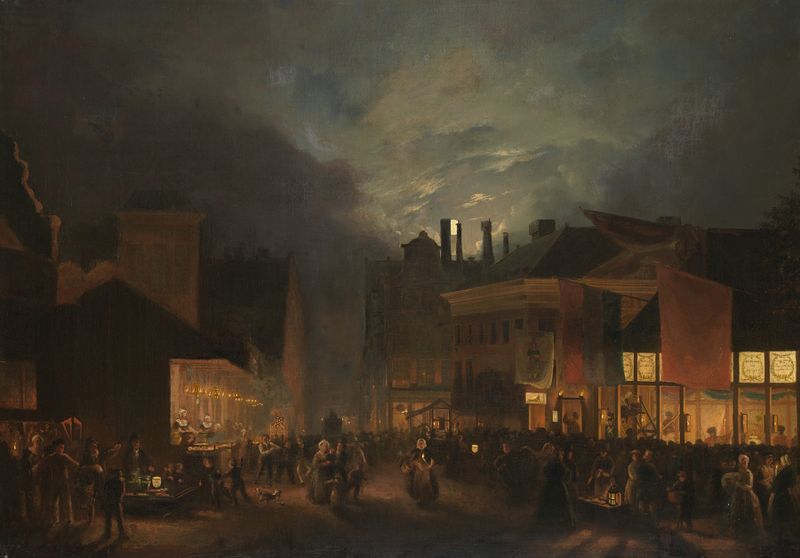
Kermis op de Botermarkt bij avond
Hendrik Gerrit ten Cate
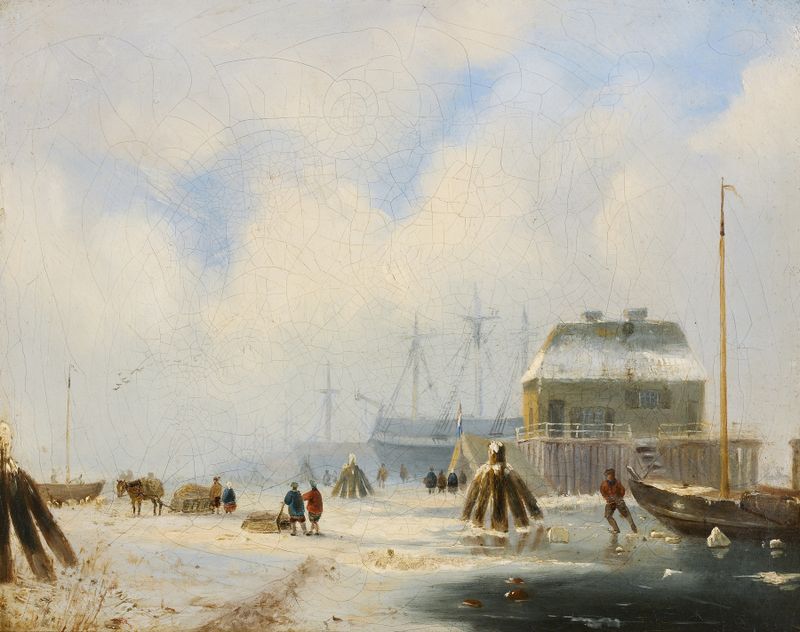
Wintergezicht op haven
Hendrik Gerrit ten Cate

Winterlandschap met houtsprokkelaar op bospad
Hendrik Gerrit ten Cate
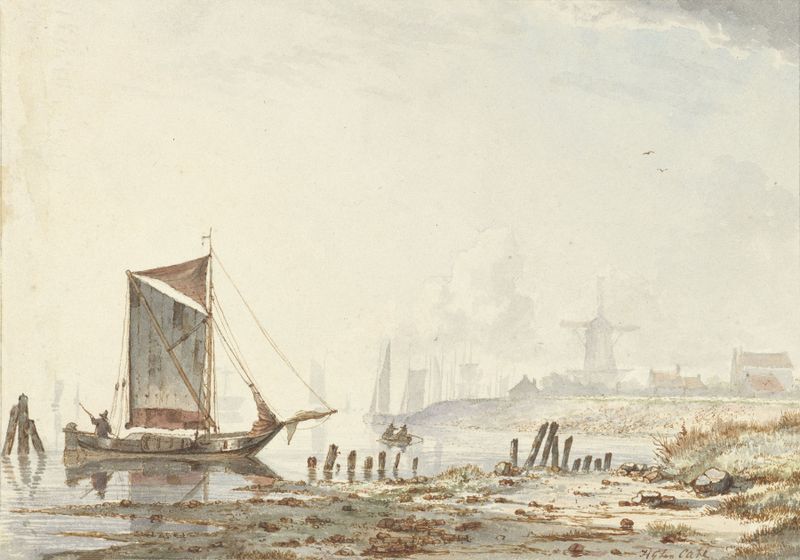
Schepen op een rivier, bij de oever
Hendrik Gerrit ten Cate
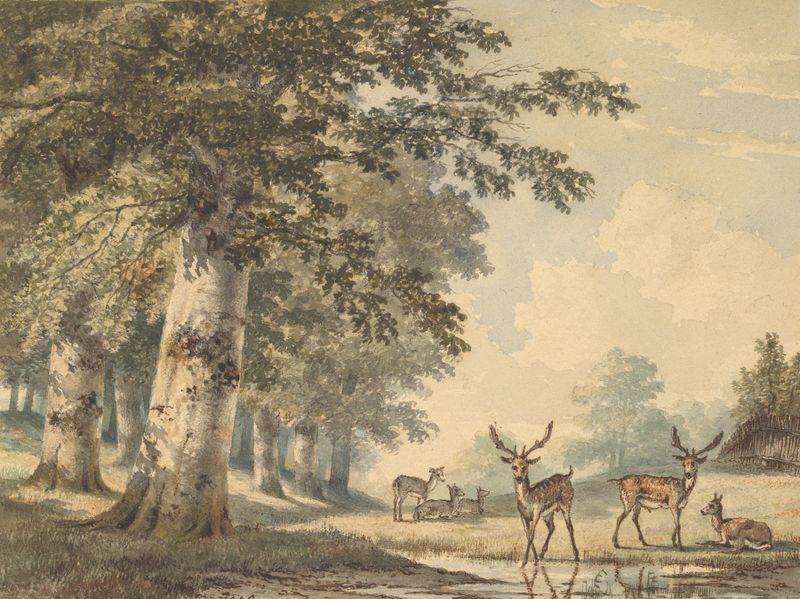
Deer under Beech Trees in Winter
Hendrik Gerrit ten Cate
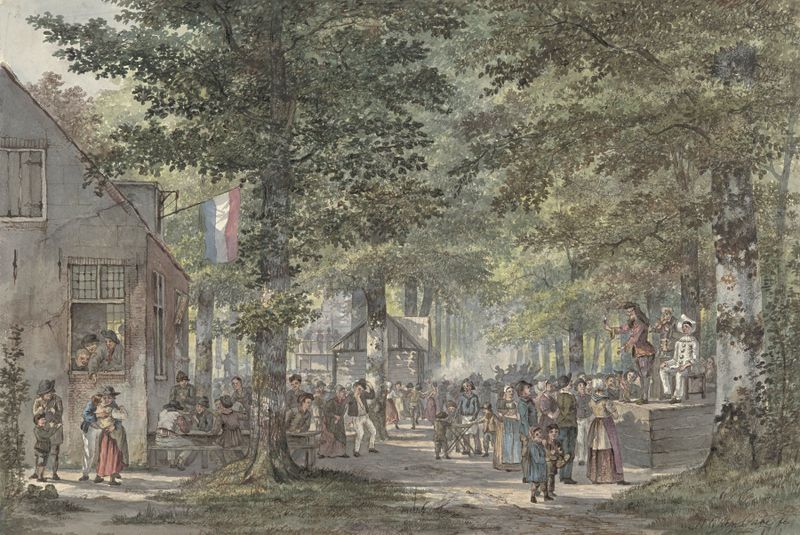
Festival in de Haarlemmer hout
Hendrik Gerrit ten Cate

Stadsgezicht in de winter
Hendrik Gerrit ten Cate

A landscape with figures on a frozen river
Hendrik Gerrit ten Cate





