
Kermis op de Botermarkt bij avond — History & Facts
The luminous lights of the fairground echo the allure of fleeting joy, yet a shadow whispers of what’s lost beneath the surface. In Kermis op de Botermarkt bij avond, the vibrant festivities conceal a profound sense of yearning, subtly intertwined with the lively scene before us. Look closely at the central figures, caught in a moment of jubilant abandon. Notice how the flickering gas lamps cast a warm glow over the joyful crowd, emphasizing the richness of their attire.
The masterful brushstrokes create a sense of movement, drawing your gaze to the playful gestures and spontaneous laughter amidst the bustling stalls. The palette, dominated by golden yellows and deep blues, captures the twilight hour, suggesting both the enchantment of the fair and the encroaching darkness of the night. Yet beneath the surface gaiety lies a poignant contrast. The joyful expressions of the crowd juxtapose with the solitary figure lingering at the edge, symbolizing loss or nostalgia.
This interplay of light and shadow evokes a bittersweet tension, as if the celebratory atmosphere is both a mask and an escape from deeper sorrows. The artist encapsulates the transient nature of happiness, hinting that amidst revelry, personal heartaches remain unaddressed. In 1834, while residing in the Netherlands, the artist crafted this work during a period when Romanticism flourished, bringing forward emotional depth and individualism. As an emerging figure in the art scene, he was influenced by the cultural shifts of his time, capturing the essence of communal joy that veils the universal experience of loss.
The painting reflects not just a festival scene, but the artist's understanding of the fragility of human emotions amidst the vibrant tapestry of life.
More Artworks by Hendrik Gerrit ten Cate
Browse all →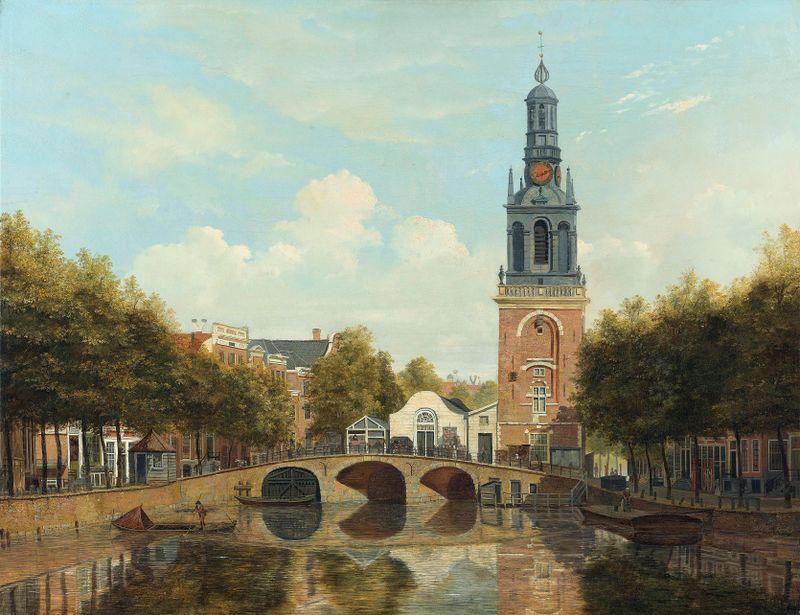
The Torensluis and the Jan Roodenpoortstoren in Amsterdam
Hendrik Gerrit ten Cate

Winterlandschap met poort tussen bomen
Hendrik Gerrit ten Cate
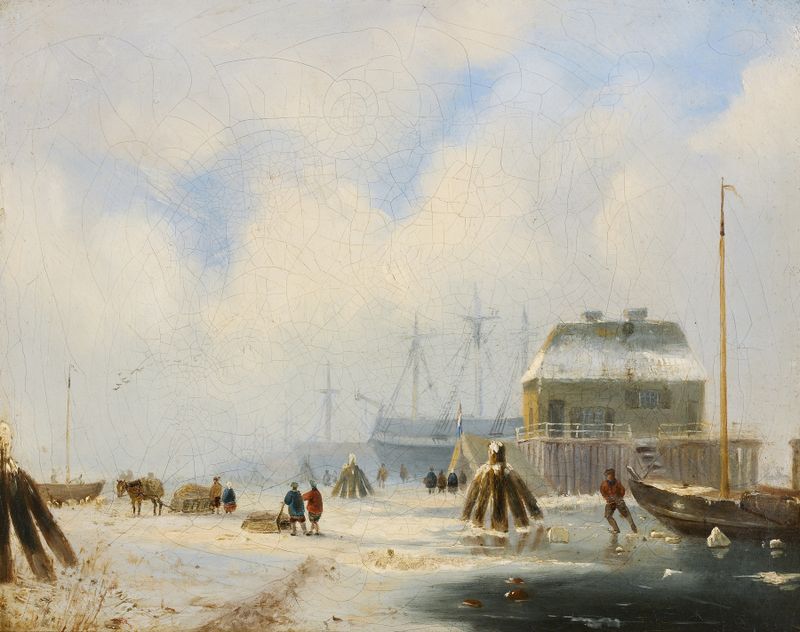
Wintergezicht op haven
Hendrik Gerrit ten Cate

Winterlandschap met houtsprokkelaar op bospad
Hendrik Gerrit ten Cate
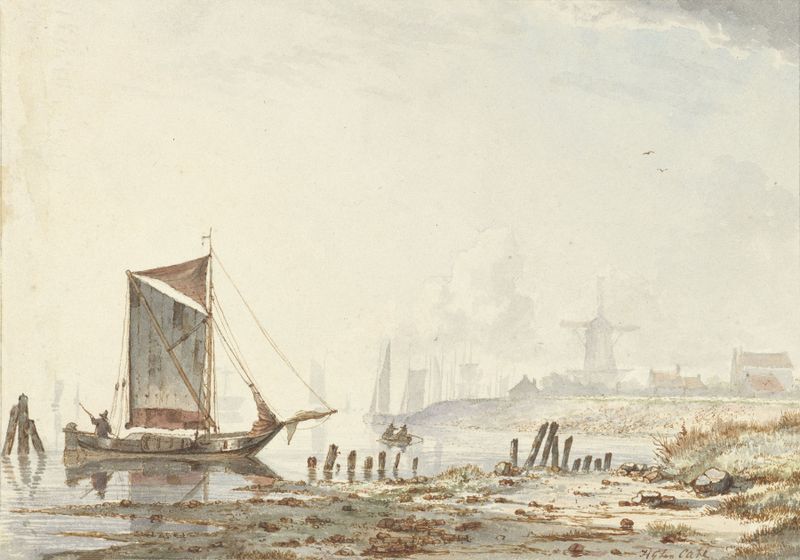
Schepen op een rivier, bij de oever
Hendrik Gerrit ten Cate
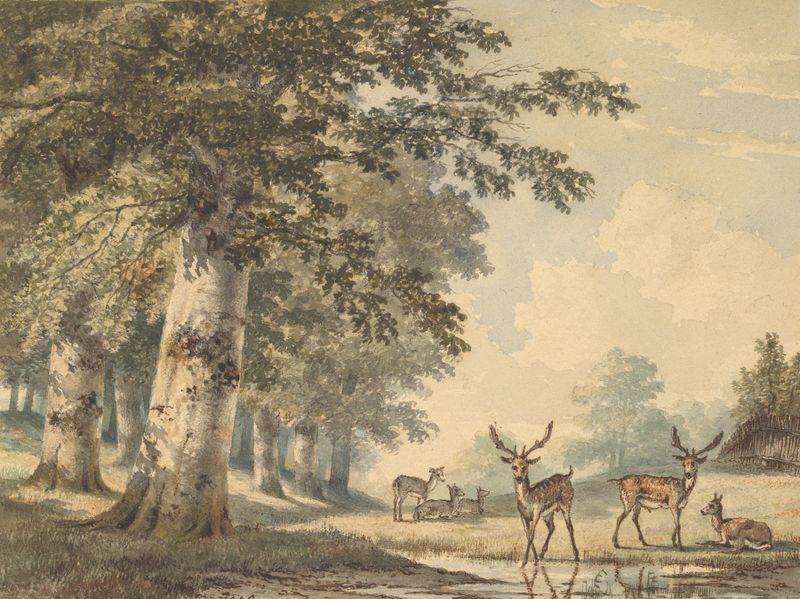
Deer under Beech Trees in Winter
Hendrik Gerrit ten Cate
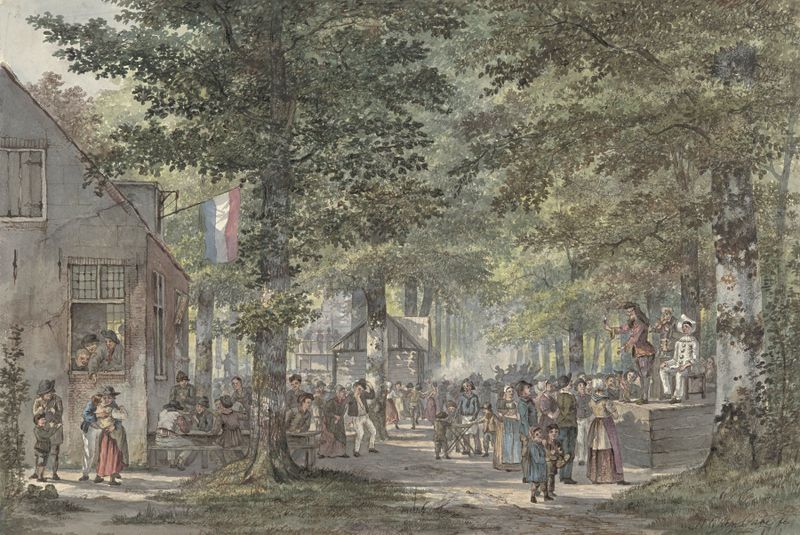
Festival in de Haarlemmer hout
Hendrik Gerrit ten Cate

Stadsgezicht in de winter
Hendrik Gerrit ten Cate

A landscape with figures on a frozen river
Hendrik Gerrit ten Cate





