
The Transept — History & Facts
Could a single brushstroke hold eternity? In The Transept, the essence of truth resonates through nature’s grandeur, woven intricately into the fabric of time. The artwork invites reflection, as if each hue and line whispers secrets of the earth that time has gently cradled. Look to the upper left where the sunlight spills through towering trees, casting dappled shadows across the forest floor. The verdant greens burst forth in lush contrast to the earthy browns, while the delicate interplay of light and shadow reveals an almost tangible depth.
Notice how the brushstrokes create a sense of movement, inviting your eye to wander through the composition, leading you deeper into the tranquility of this serene woodland. Beneath the surface, the painting speaks of contrasts and hidden narratives. The juxtaposition of light and dark signifies not only the beauty of nature but also its inherent duality — moments of bliss countered by shadows of uncertainty. The towering trees appear both protective and ominous, evoking a sense of reverence for the natural world, as well as a reminder of its wildness.
Each detail, from the intricate bark to the gentle sway of leaves, holds a fragment of the larger truth, illuminating the delicate balance of existence. In 1882, Thomas Moran painted this piece during a period of exploration and transformation in the American art scene. Residing in New York, he was deeply influenced by the burgeoning landscape movement, which sought to depict the majesty of nature. This work reflects not only his artistic evolution but also the broader cultural conversation surrounding the relationship between humanity and the natural world—a dialogue that continues to resonate today.
More Artworks by Thomas Moran
Browse all →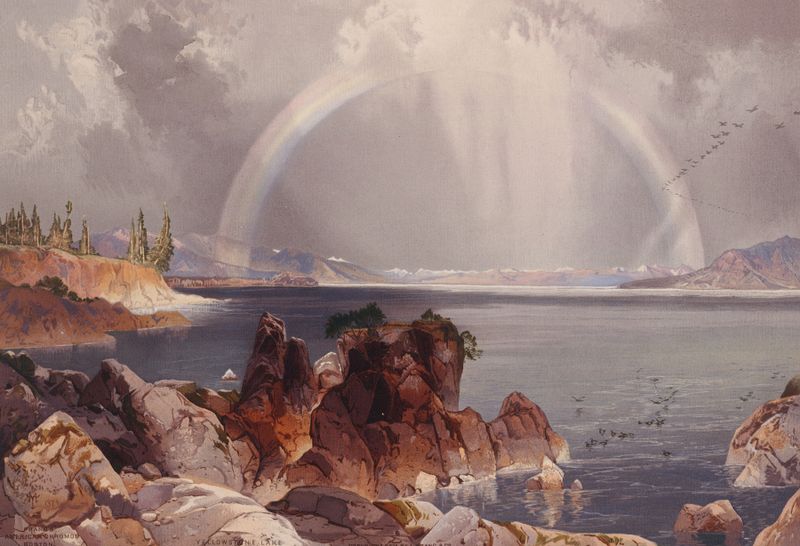
Yellowstone Lake
Thomas Moran

Grand Canyon of the Colorado River
Thomas Moran

Grand Canyon, Colorado River
Thomas Moran

The Towers of Tower Falls, Yellowstone
Thomas Moran
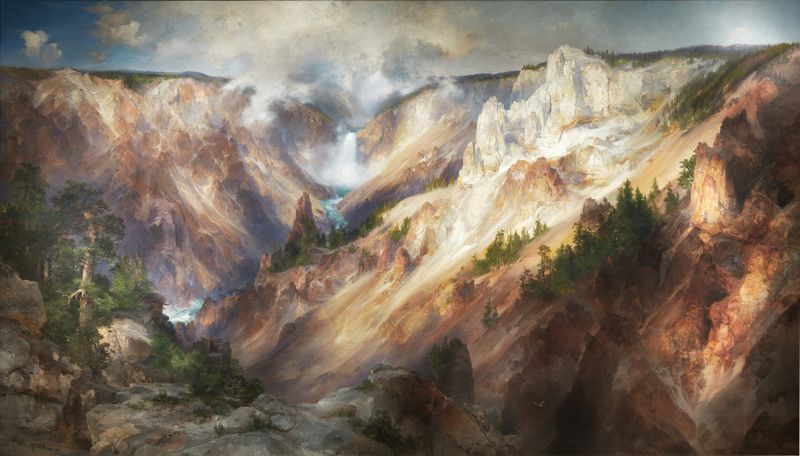
The Grand Canyon Of The Yellowstone
Thomas Moran

Mountain of the Holy Cross
Thomas Moran

Cliffs Of The Upper Colorado River, Wyoming Territory
Thomas Moran
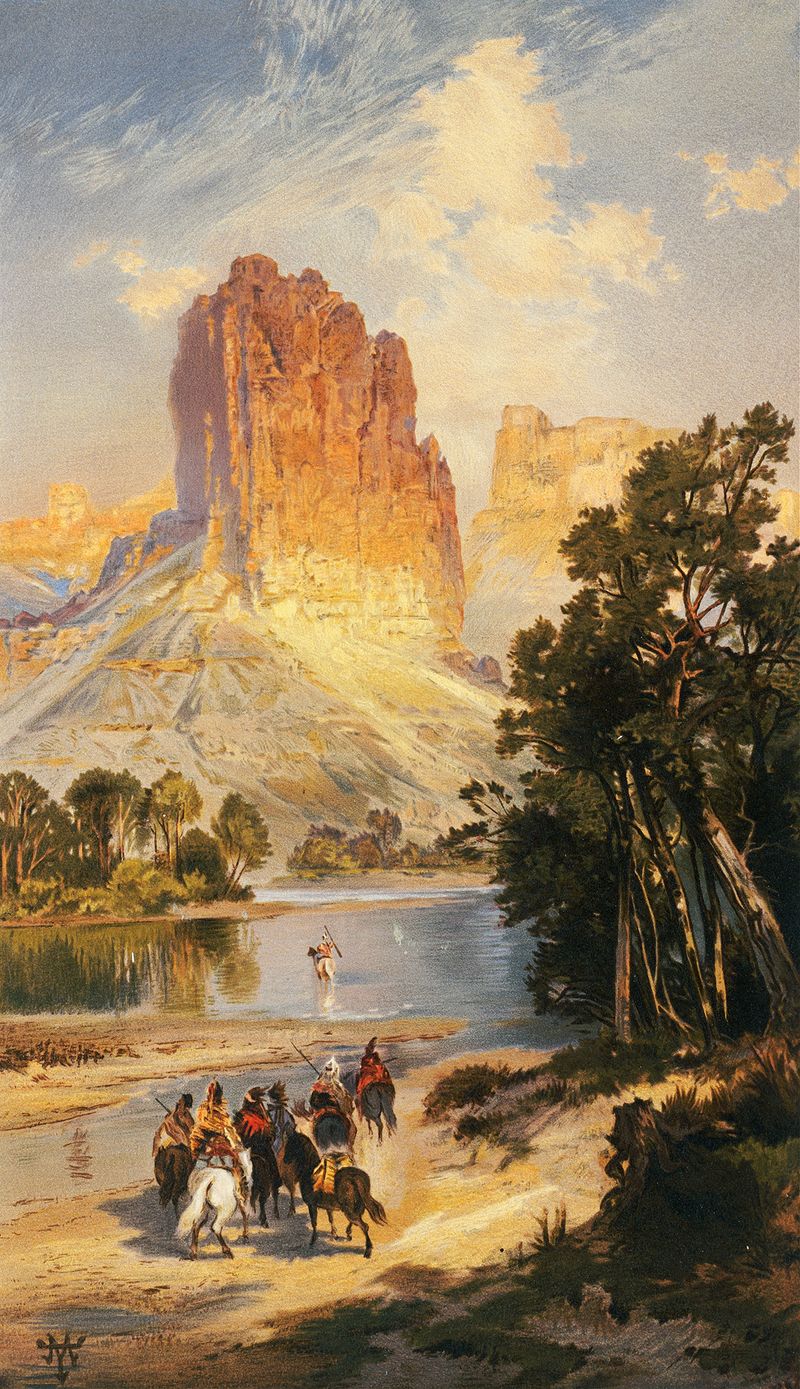
Cliffs of the Upper Colorado River, Wyoming Territory
Thomas Moran

Mammoth Hot Springs, Yellowstone
Thomas Moran
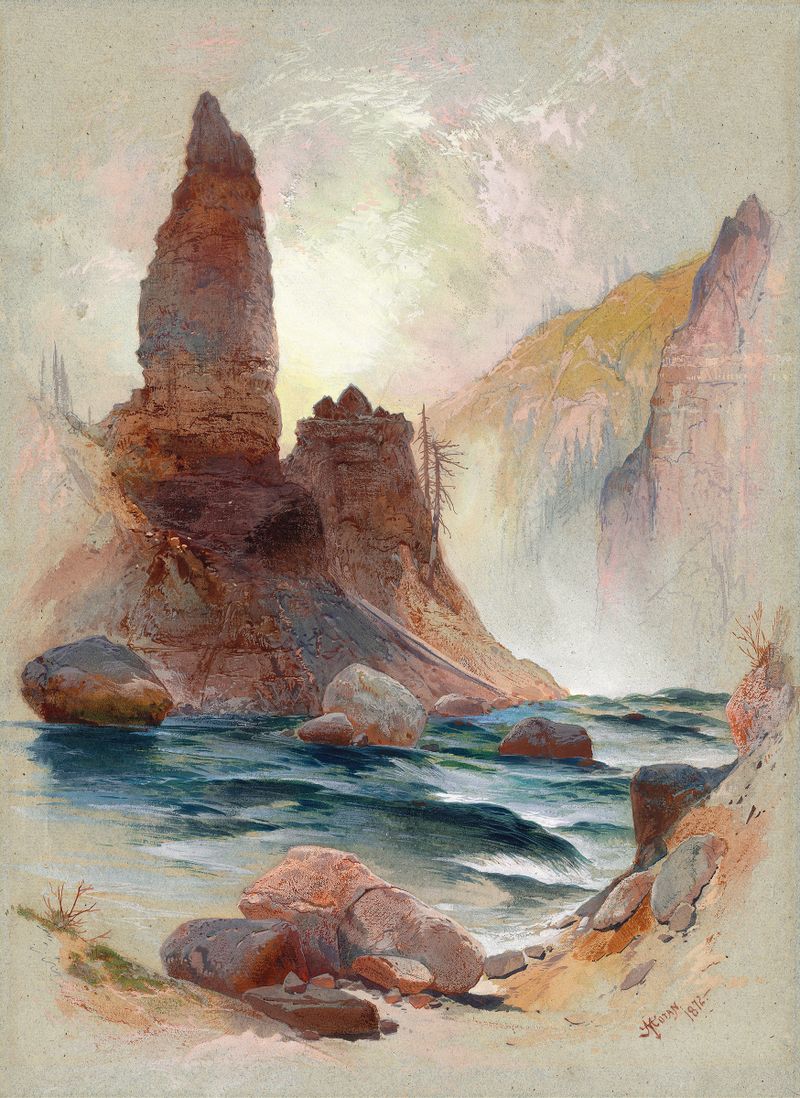
Tower at Tower Falls, Yellowstone
Thomas Moran





