Discover insights about this artwork
The Transfiguration — History & Facts
In The Transfiguration, Raphael presents a vibrant scene filled with dynamic figures and rich colors. The painting features Christ at the center, radiating light, surrounded by the prophets Moses and Elijah. Below, the apostles struggle with a possessed boy, creating a stark contrast between the divine and the earthly.
The use of color is striking, with bright whites and deep blues enhancing the dramatic effect. This work is painted in oil on panel and measures approximately 405 x 278 cm. The composition is divided into two distinct sections: the heavenly scene above and the earthly struggle below. Raphael's skillful use of light and shadow creates depth, while the figures are rendered with anatomical precision.
The painting exemplifies the Renaissance style, showcasing Raphael's mastery of perspective and human emotion. The Transfiguration was one of Raphael's last works, completed shortly before his death in 1520. It is considered a significant piece in the history of Western art, illustrating the moment of Christ's transformation on Mount Tabor. The painting was commissioned by Cardinal Giulio de' Medici for the cathedral in Narbonne, France.
Interestingly, it was the last painting Raphael worked on, and it reflects his evolving style towards a more expressive and dynamic representation of figures.
More Artworks by Raphael

Portrait of Baldassarre Castiglione
Raphael
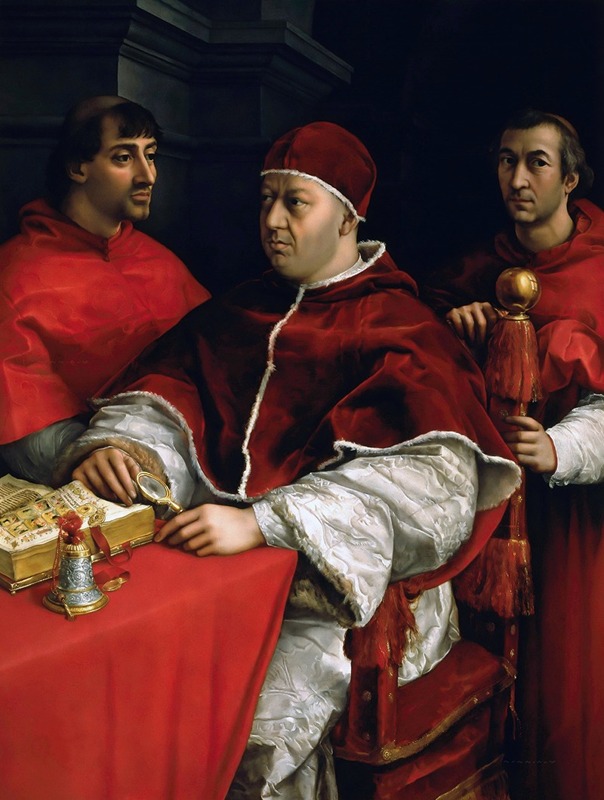
Portrait of Pope Leo X with Cardinals Giulio de’ Medici and Luigi de’ Rossi
Raphael
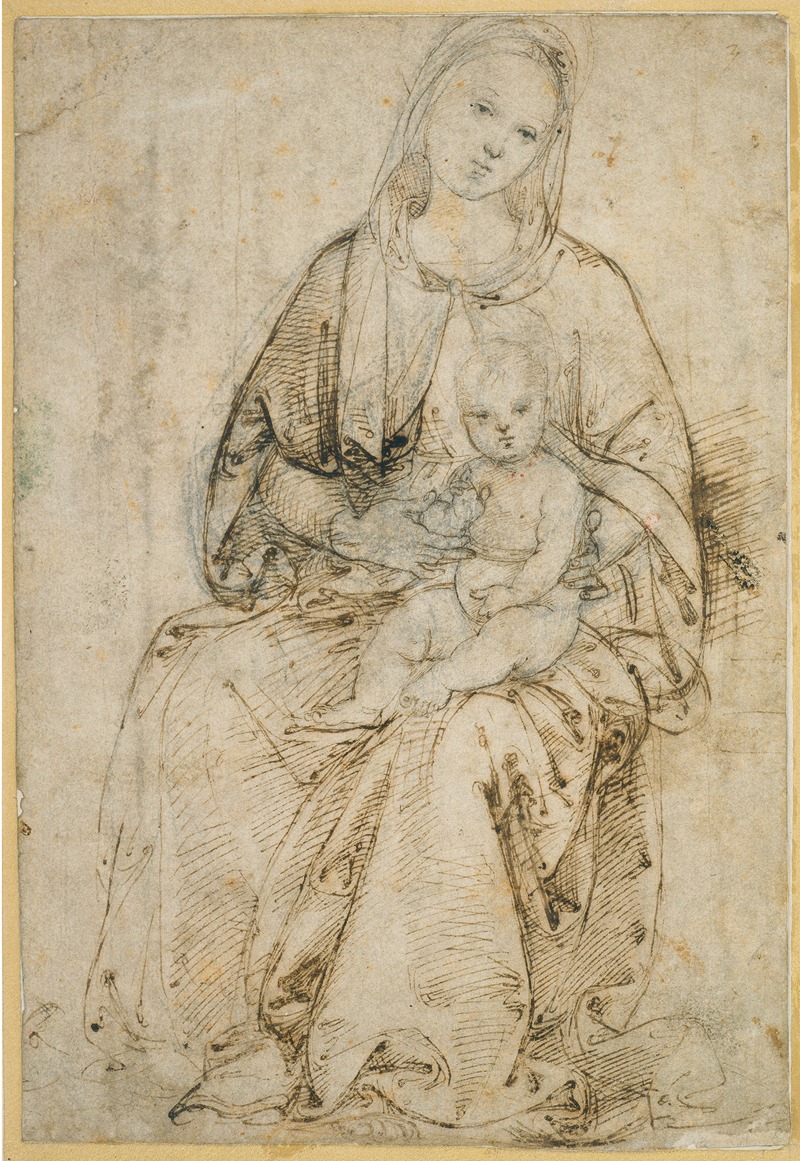
Seated Madonna and Child
Raphael

The Sistine Madonna
Raphael
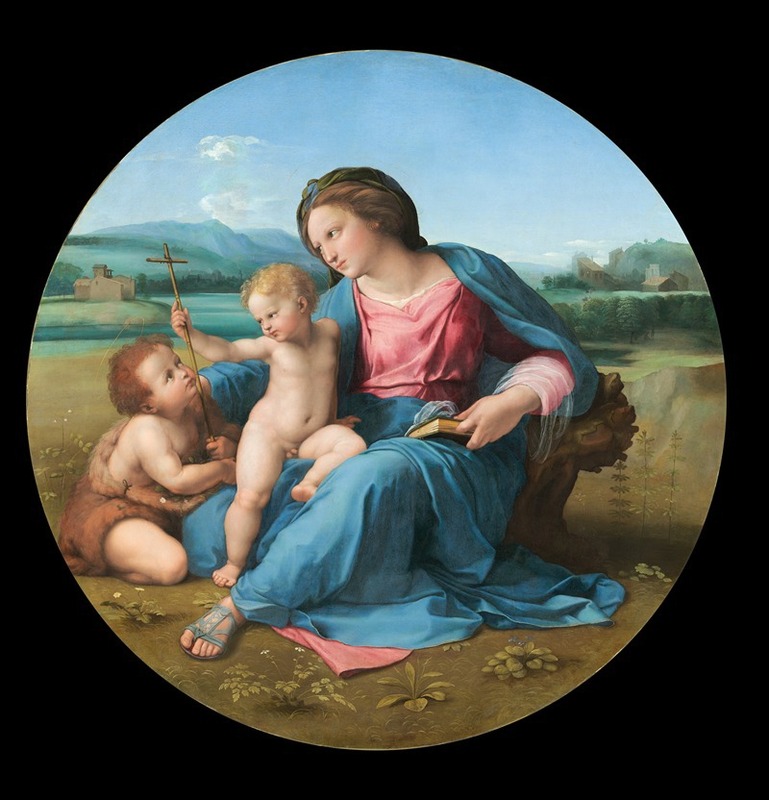
The Alba Madonna
Raphael
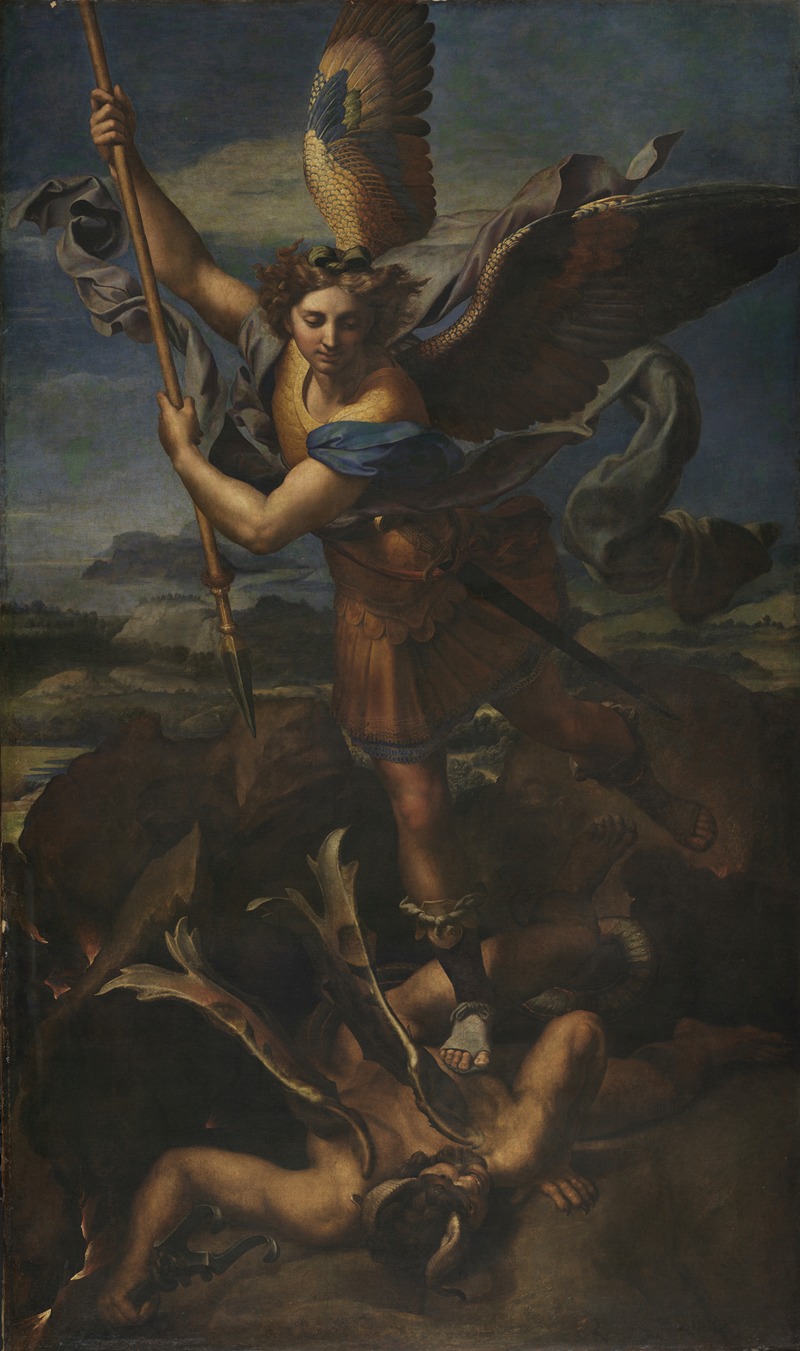
Saint Michael Vanquishing Satan
Raphael
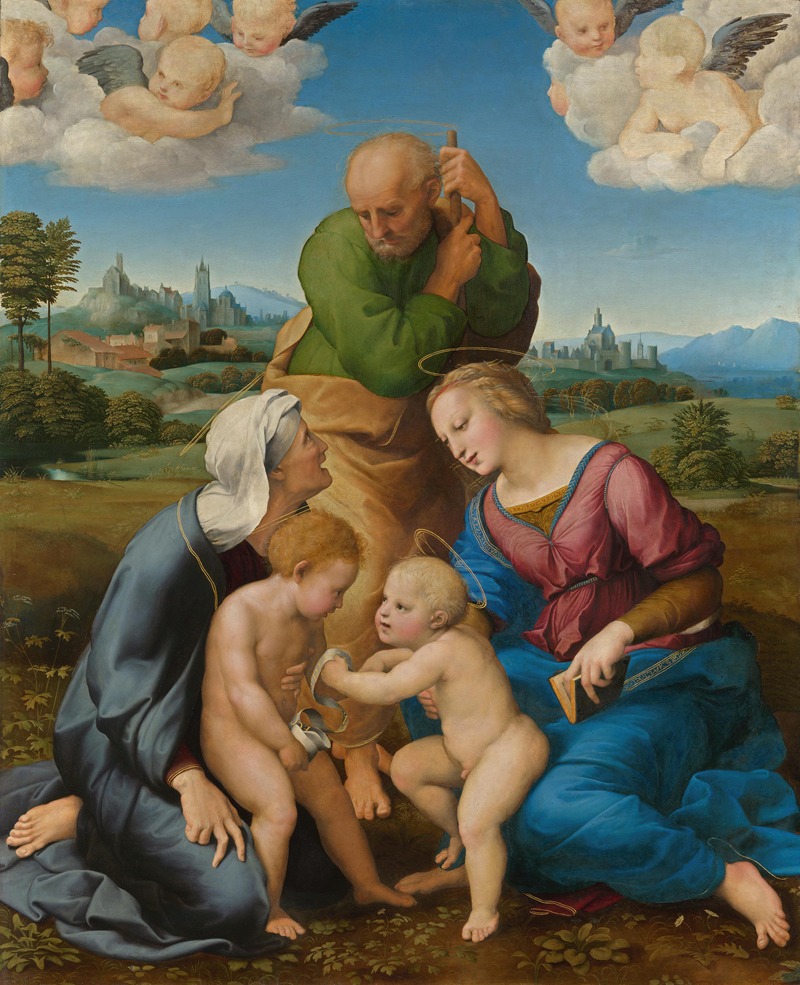
Canigiani Holy Family
Raphael
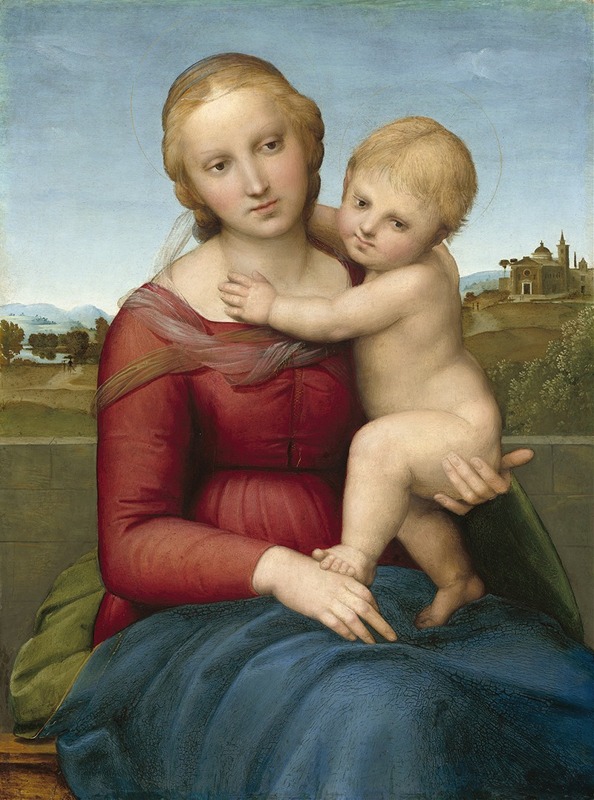
The Small Cowper Madonna
Raphael
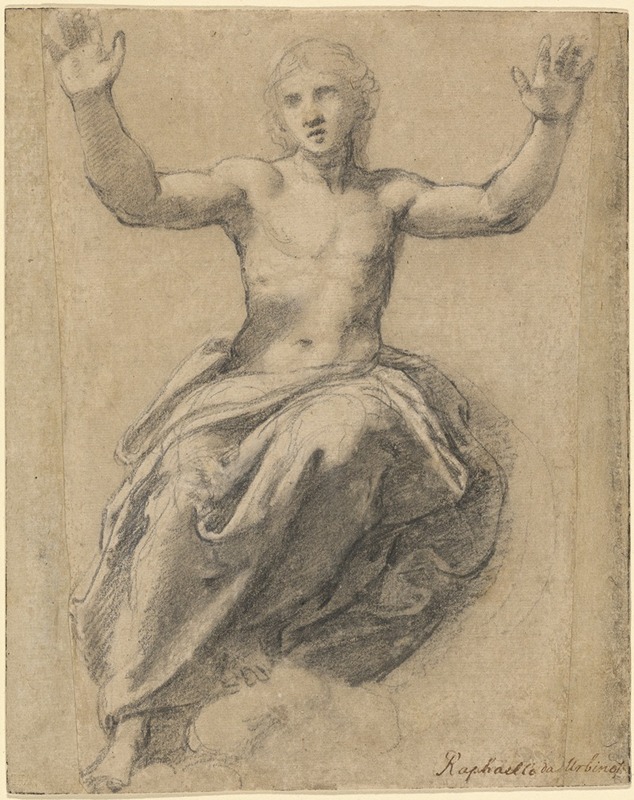
Christ in Glory
Raphael

Ezekiel’s Vision
Raphael